
Simple Budget Meals With Macro Nutrient Tracker App
Learn how to create budget-friendly meals while tracking macros effortlessly. Lose weight without breaking the bank using smart meal planning.
You've probably heard that losing weight means spending more money on fancy health foods and expensive meal plans. The truth is, you can eat well and hit your weight loss goals without breaking the bank, especially when you know exactly what nutrients your body needs. A macro nutrient tracker app like MyFoodBuddy helps you see which affordable foods give you the protein, carbs, and fats you need to lose weight while staying within your grocery budget.
Table of Contents
- Understanding Macros and Why They Matter for Weight Loss
- Budget-Friendly Protein Sources That Support Weight Loss
- Carbs and Fats on a Budget Without Sabotaging Your Goals
- 5 Simple Budget Meals With Complete Macro Breakdowns
- How a Macro Nutrient Tracker App Makes Budget Eating Easier
- Why Most People Quit Tracking and How to Stick With It
- Your Budget-Friendly Weight Loss Journey Starts Now
- Common Questions About Budget Meals and Macro Tracking
Understanding Macros and Why They Matter for Weight Loss
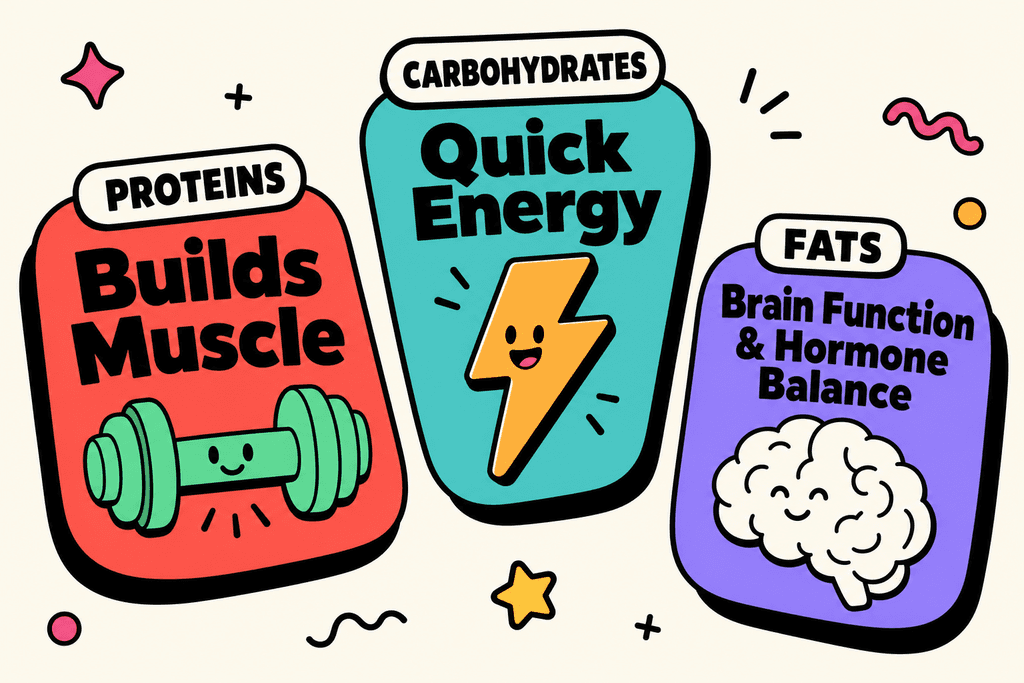
Your body runs on three main types of fuel called macronutrients, or "macros" for short. These are proteins, carbohydrates, and fats, and they each do different jobs in your body. Think of them like different types of building blocks where proteins help build and repair your muscles, carbs give you quick energy, and fats help your brain work and keep your hormones balanced. When you eat anything, you're basically eating a mix of these three macros in different amounts.
Why Macros Beat Simple Calorie Counting
Most people think losing weight is just about eating fewer calories, but that's only part of the story. Two people can eat the same number of calories but get totally different results based on how those calories are split between proteins, carbs, and fats. A 500-calorie meal of chicken and vegetables affects your body very differently than 500 calories of cookies.
Here's what makes macro tracking better than just counting calories:
- Protein keeps you full longer and helps you keep your muscle while losing fat
- The right carb amount gives you energy without storing extra fat
- Healthy fats help control your hunger hormones
- You lose fat instead of muscle, which keeps your metabolism running strong
How Macro Tracking Helps Weight Loss
When you track macros with a macro nutrient tracker app, you're basically giving your body the exact fuel mix it needs. Apps like MyFoodBuddy make this super easy by letting you just say what you ate and the AI figures out the macro breakdown for you. No more spending 10 minutes searching through food databases or doing math.
People trying to lose weight benefit from tracking macros because it stops the guessing game. You know exactly what's going into your body, and you can adjust based on your results. Some folks find they need more protein to stay full, while others do better with slightly more carbs for their workouts.
Common Macro Ratios for Weight Loss
Most people losing weight aim for a macro split that's higher in protein and moderate in carbs and fats. The exact numbers depend on your body and activity level, but here's a simple breakdown that works for many people:
| Macronutrient | Percentage of Daily Calories | Why It Matters |
|---|---|---|
| Protein | 30-40% | Preserves muscle, increases fullness |
| Carbohydrates | 30-40% | Provides energy, fuels workouts |
| Fats | 20-30% | Supports hormones, controls hunger |
The beauty of using a macro nutrient tracker app is that you don't need to memorize these numbers or do calculations. You just log your food and the app shows you if you're hitting your targets throughout the day. This makes it way easier to stick with your plan compared to traditional calorie counting apps that require tons of manual searching and data entry.
Budget-Friendly Protein Sources That Support Weight Loss
Most people think eating enough protein means spending a fortune on chicken breasts and protein powder. The truth is, you can hit your protein goals without breaking the bank if you know where to look. When you're trying to lose weight, protein becomes even more important because it keeps you full longer and helps maintain muscle while you're in a calorie deficit. The good news is that some of the cheapest foods at the grocery store are also packed with protein.
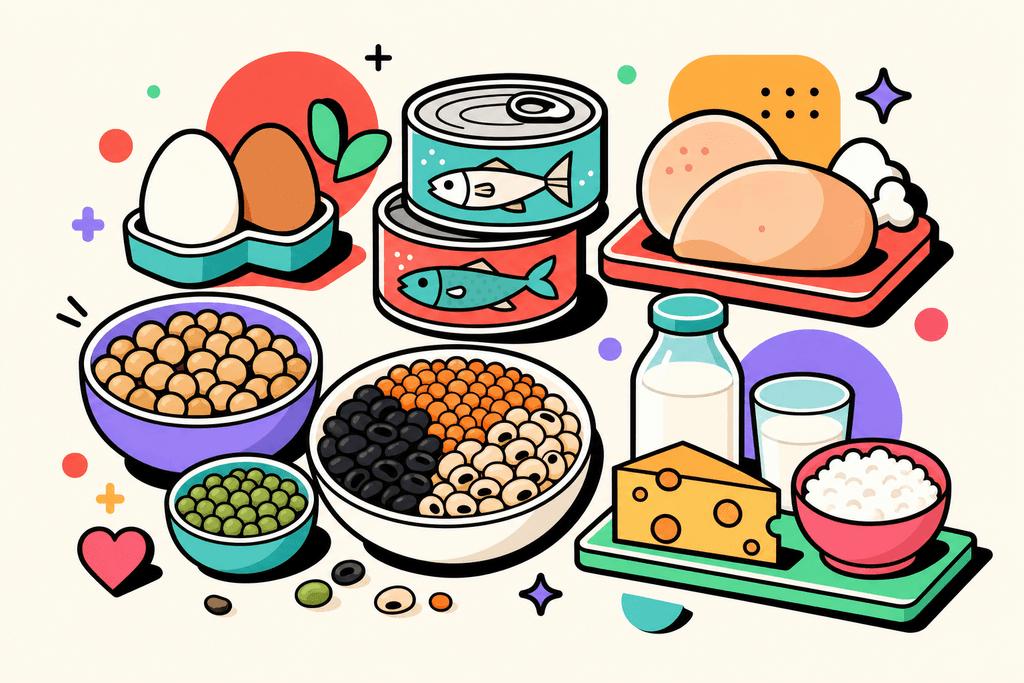
Eggs are probably the best protein deal you'll find anywhere. A dozen eggs costs around three to four dollars and gives you about 72 grams of protein total. That's roughly 25 grams of protein for just a dollar. Compare that to fancy protein sources and you'll see why eggs should be a staple in your diet.
| Protein Source | Cost per 25g Protein | Serving Size |
|---|---|---|
| Eggs | $1.00 | 4 large eggs |
| Canned Tuna | $1.25 | 1 can |
| Chicken Thighs | $1.50 | 4 oz cooked |
| Black Beans | $0.75 | 1.5 cups cooked |
| Greek Yogurt | $1.80 | 1.5 cups |
How much protein do you actually need though? For weight loss, aim for about 0.7 to 1 gram per pound of your goal body weight. If you want to weigh 150 pounds, that's roughly 105 to 150 grams of protein per day. This might sound like a lot, but spreading it across three or four meals makes it totally doable.
- Breakfast: 3 eggs scrambled with vegetables (18g protein)
- Lunch: Tuna sandwich with Greek yogurt on the side (35g protein)
- Dinner: Chicken thighs with rice and beans (40g protein)
- Snack: Another serving of Greek yogurt (15g protein)
Using a macro nutrient tracker app makes this whole process way easier. Instead of doing math in your head at every meal, you can just log what you ate and see exactly where you stand. MyFoodBuddy lets you speak or type your meals, and the AI figures out the protein content automatically, which saves you from searching through databases for every single food.
Carbs and Fats on a Budget Without Sabotaging Your Goals
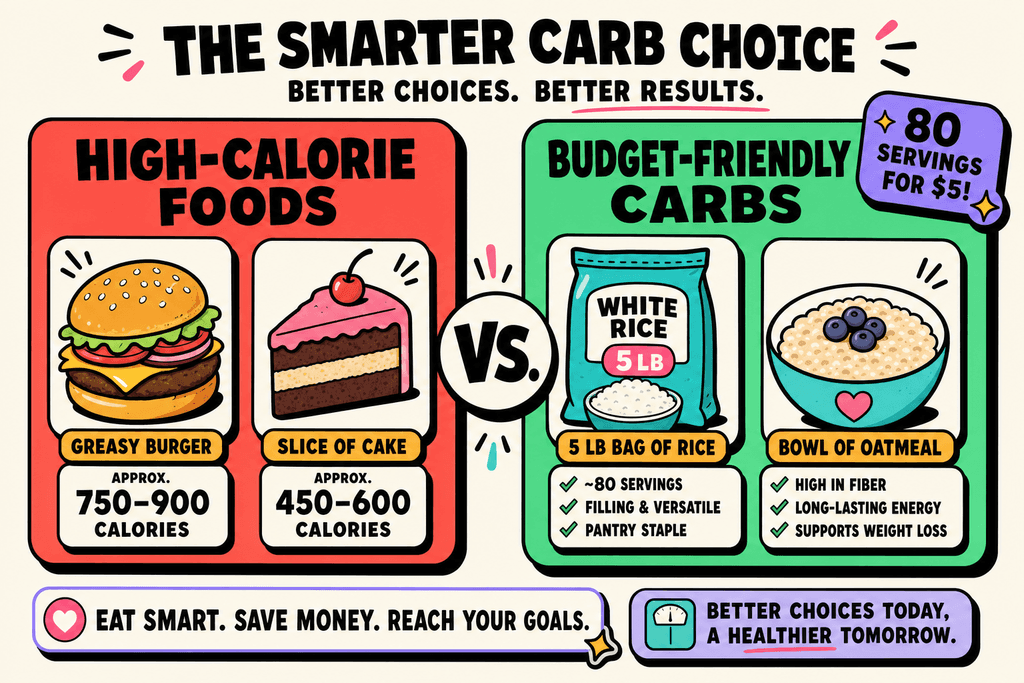
Carbs get a bad reputation in weight loss circles, but the real issue isn't carbs themselves. It's eating too many calories from any source. Budget-friendly carbs like rice, oats, potatoes, and pasta are actually perfect for weight loss because they're filling, cheap, and easy to portion out. A five-pound bag of rice costs about five dollars and provides around 80 servings. That's less than seven cents per serving.
The same goes for healthy fats. You don't need expensive avocado oil or fancy nuts. Regular peanut butter, eggs (which also give you protein), and basic olive oil work just fine. The key is understanding that fats are calorie-dense, so you need to measure them more carefully than other foods.
Budget Tip: Buying rice, oats, and pasta in bulk can cut your per-serving cost by 40-60%. A 20-pound bag of rice might seem expensive upfront, but it lasts for months and saves you money in the long run.
Balancing carbs and fats while losing weight comes down to finding what keeps you full. Some people do better with more carbs and less fat. Others feel satisfied with higher fat and moderate carbs. There's no perfect ratio that works for everyone, but tracking your macros helps you figure out your personal sweet spot.
- Best budget carbs: White rice, oats, potatoes, whole wheat pasta, bread
- Best budget fats: Peanut butter, olive oil, eggs, butter
- Portion control matters most with calorie-dense foods like oils and nut butters
A macro nutrient tracker app shows you exactly how much of each macro you're eating. When you're working with budget staples that you eat repeatedly, the saved meals feature becomes incredibly useful. You can log your standard serving of rice and peanut butter once, then reuse it with one tap instead of entering it every single time.
5 Simple Budget Meals With Complete Macro Breakdowns
Theory is nice, but actual meal ideas are better. These five meals cost less than three dollars each to make and hit solid macro targets for weight loss. You can prep them in bulk, they taste good, and most importantly, they're simple enough that you'll actually make them. Each meal is designed to be filling while keeping calories reasonable, which is exactly what you need when you're trying to lose weight without feeling miserable.
| Meal | Calories | Protein | Carbs | Fats | Cost |
|---|---|---|---|---|---|
| Egg Oatmeal Bowl | 420 | 28g | 45g | 12g | $1.50 |
| Chicken Rice Veggies | 480 | 42g | 52g | 8g | $2.75 |
| Tuna Pasta | 450 | 35g | 58g | 7g | $2.00 |
| Bean Potato Bowl | 440 | 22g | 72g | 8g | $1.25 |
| Greek Yogurt Bowl | 380 | 32g | 48g | 6g | $2.50 |
Meal 1: Egg and Oatmeal Breakfast Bowl - Cook half a cup of oats with water, then stir in three scrambled eggs. Add some cinnamon and a bit of honey if you want. It sounds weird but the texture works and you get a ton of protein to start your day.
Meal 2: Chicken and Rice with Frozen Vegetables - Season chicken thighs with whatever spices you have, bake them at 400 degrees for 25 minutes, and serve over white rice with a bag of frozen mixed vegetables. This is the meal you'll probably eat most often because it's that reliable.
- Meal 3: Tuna Pasta - Whole wheat pasta with canned tuna, a little olive oil, garlic powder, and frozen peas mixed in
- Meal 4: Bean and Potato Burrito Bowl - Baked potato chunks, black beans, salsa, and a bit of cheese if it fits your macros
- Meal 5: Greek Yogurt Protein Bowl - Plain Greek yogurt with oats, a banana, and a tablespoon of peanut butter
Logging these meals takes seconds with MyFoodBuddy. You can literally just say "chicken thighs with rice and frozen vegetables" and the AI extracts the nutrition info. No searching through databases, no weighing every ingredient separately. There are several fast ways to log meals that make tracking feel effortless instead of like homework.
How a Macro Nutrient Tracker App Makes Budget Eating Easier
Here's something most people don't realize about tracking macros. It's not just about knowing what you ate today. When you track consistently, you start to see patterns in what actually works for your body and your budget. You notice that certain meals keep you full for hours while others leave you hungry an hour later. You figure out which grocery items give you the most nutrition per dollar. This information becomes your personal guide for making better choices without overthinking every decision.
Planning your grocery list becomes way simpler when you know your macro targets. Instead of wandering the aisles wondering what to buy, you can look at your tracker and see exactly what you need. If you're low on protein for the week, grab more eggs and tuna. If you've been hitting your goals easily, you know your current shopping list is working.
- Voice input saves time when you eat the same budget meals repeatedly
- Saved meals feature means one-tap logging for your staple foods
- AI extraction eliminates manual searching through food databases
- You can see immediately if a meal fits your remaining macros for the day
The connection between consistency and affordability is stronger than most people think. When you eat similar meals regularly, you waste less food because you're buying the same ingredients each week. You get better at meal prep because you're making the same recipes. Your grocery bill becomes predictable instead of random. Balancing a busy schedule with tracking becomes much easier when your meals follow a simple pattern.
Traditional calorie counting apps make you search for every ingredient and add them one by one. With MyFoodBuddy, you just describe what you ate in normal language and the app handles the rest. This matters more than it sounds like it would. The easier tracking is, the more likely you are to stick with it. And sticking with it is what actually gets you results. Modern apps fix problems that spreadsheets and old-school methods miss, making the whole process feel natural instead of like a chore you're forcing yourself to do.
Why Most People Quit Tracking and How to Stick With It
Studies show that most people abandon their macro nutrient tracker app within the first two weeks, and the reason isn't lack of motivation. The problem is that traditional calorie tracking apps demand too much time from your day. When you're spending 10-15 minutes per meal searching through massive food databases, trying to find the exact brand of chicken breast you bought, or manually entering every ingredient in your homemade stir-fry, tracking becomes a part-time job. Nobody has time for that, especially when you're juggling work, family, and trying to stick to a tight grocery budget.
The food database problem gets even worse for budget-conscious eaters. Generic entries like "chicken breast" can have wildly different calorie counts depending on the source, and cheaper store brands often aren't even listed in popular tracking apps. You end up guessing, which defeats the entire purpose of tracking in the first place.
The Time Drain That Kills Motivation
Here's what traditional tracking looks like for most people:
- Open app and search for each ingredient separately
- Scroll through dozens of similar entries trying to find the right one
- Manually adjust serving sizes and quantities
- Double-check that everything adds up correctly
- Repeat this process 3-5 times per day
This is why voice-input technology changes everything. Apps like MyFoodBuddy let you simply say "two eggs, toast with butter, and black coffee" and the AI handles the rest. What used to take 10 minutes now takes 10 seconds.
1,901 meals logged in a single day shows that when tracking becomes effortless, people actually stick with it.
Simple Meals Make Tracking Sustainable
There's a hidden advantage to eating budget-friendly meals when you're tracking macros. When you rotate through the same 10-15 affordable meals each week, tracking becomes almost automatic. You're not constantly searching for new foods or calculating complex recipes.
- Meal repetition builds a personal database of favorites
- One-tap re-logging saves massive amounts of time
- You know exactly what you're getting nutritionally
- Budget meals are usually simpler with fewer ingredients
The psychology behind this matters more than most people realize. When you see your streak counter climbing and your progress charts trending in the right direction, your brain releases dopamine. That positive feedback loop keeps you coming back, even on days when motivation is low. Real users report that simplified tracking removes the mental barrier that made them quit other apps.
What Actually Works Long Term
The people who succeed with macro tracking share common habits. They don't try to be perfect, and they don't waste time on complicated meal entries.
- They use voice input to log meals in real-time
- They stick to simple, repeatable budget meals during the week
- They check their progress weekly, not obsessively
- They celebrate small wins like maintaining a 7-day streak
When tracking takes seconds instead of minutes, it stops feeling like a chore and starts feeling like a simple habit. That's the difference between quitting after two weeks and actually reaching your goals.
Your Budget-Friendly Weight Loss Journey Starts Now
Eating healthy while losing weight doesn't mean you need to spend half your paycheck at Whole Foods or buy expensive meal prep containers. The truth is that simple, budget-friendly meals can work just as well as fancy diet plans, and tracking your macros doesn't have to feel like doing homework. When you combine cheap staples like rice, beans, eggs, and chicken with a macro nutrient tracker app, you suddenly have a system that actually works without breaking the bank.
The real secret is keeping things simple. When you eat the same budget meals regularly, tracking becomes second nature because you're not constantly looking up new foods. MyFoodBuddy makes this even easier since you can just say what you ate and the app figures out the rest, which means less time staring at your phone and more time living your life.
Here's what makes this approach stick:
- Budget meals cost less and are easier to track when you repeat them
- A good macro nutrient tracker app shows you exactly where your money should go
- You don't need fancy ingredients to hit your protein, carb, and fat goals
- Simple logging means you'll actually keep doing it past week two
Most people quit tracking because traditional apps make it feel like a part-time job. But when you can log your meals in seconds instead of minutes, suddenly it doesn't feel like such a chore anymore.
Start with just one budget meal you can make in bulk this week. Track it once, save it as a favorite, and watch how much easier everything becomes. The combination of simple meal planning and easy tracking might be exactly what you've been missing.
Common Questions About Budget Meals and Macro Tracking
Eating healthy on a budget while tracking your nutrition can feel confusing at first. Most people have similar questions when they start out, especially about whether all the tracking is really worth it. Here are the answers to the most common questions about budget meals and using a macro nutrient tracker app to reach your goals.
Do I really need to track macros or is calorie counting enough?
For basic weight loss, calories are what matter most. But tracking macros helps you feel fuller, keep your muscle, and have more energy throughout the day. If you're just counting calories, you might hit your number but still feel hungry or tired because you're not getting enough protein or healthy fats.
How much does it cost to eat healthy for weight loss?
Most people can eat healthy for weight loss on about $40 to $60 per week if they stick to budget staples like eggs, chicken thighs, rice, beans, and frozen vegetables. The trick is buying whole ingredients instead of pre-made meals and cooking in batches. You don't need expensive superfoods or organic everything to lose weight and hit your macros.
Can I lose weight eating the same meals every day?
Yes, and it actually makes tracking easier. Many successful people eat similar meals throughout the week because it removes decision fatigue and makes grocery shopping simpler. With MyFoodBuddy, you can save your favorite budget meals and re-log them with one tap, which saves even more time when you're eating the same breakfast or lunch regularly.
How accurate are macro tracking apps?
Most macro nutrient tracker apps are pretty accurate when you log correctly, but the speed of logging matters for consistency. Traditional apps that make you search through databases and measure everything precisely often lead people to quit tracking altogether. Apps that use AI to extract nutrition from simple voice or text input, like MyFoodBuddy does, make it easier to stay consistent, which matters more than being perfectly accurate on every single meal.
Is MyFoodBuddy free to use?
MyFoodBuddy offers a free 7-day trial so you can test all the features. After that, it costs $39 per year, which breaks down to about $3.25 per month. That's less than one coffee per month for a tool that helps you reach your health goals faster.
What if I eat out or don't know exact portions?
You don't need to be perfect with portions to see results. Just describe what you ate in normal language, like "chicken burrito bowl with rice and beans," and a good macro nutrient tracker app will estimate the nutrition for you. MyFoodBuddy's AI handles these situations by making educated estimates based on typical portions, so you can keep tracking even when you're not cooking at home.
Ready to start tracking smarter?
Download MyFoodBuddy and start tracking your calories by just saying what you ate. No more searching databases or guessing portions.
Get started