
Best Free Macro Tracker App for Busy Eaters
Discover the best free macro tracker app that saves time with voice logging and AI-powered nutrition tracking. Track macros in seconds, not minutes.
Most people quit tracking their macros within the first two weeks, not because they lack motivation, but because traditional apps turn every meal into a tedious data entry task. The average person wastes 15-20 minutes daily searching food databases and manually logging portions, which explains why even the most determined eaters eventually give up. Modern voice-enabled apps like MyFoodBuddy have changed this completely, letting you log an entire meal in under 30 seconds by simply saying what you ate.
Table of Contents
What Makes a Macro Tracker Actually Work
Most people who start tracking macros quit within the first two weeks. The reason isn't lack of motivation or willpower. It's because traditional macro tracking apps turn a simple task into a 10-minute ordeal every single meal. When you're busy, spending half your lunch break searching through food databases and weighing portions just doesn't work. The best free macro tracker app needs to fit into your life, not become your life.
Why Speed Matters More Than Features
The difference between tracking for two weeks versus two years comes down to one thing: how fast you can log a meal. Research shows that apps requiring more than 60 seconds per meal entry see 80% user dropout within a month. That's why voice-enabled tracking has become so important for people who actually stick with their goals.
Traditional apps make you do all the work. You search for each ingredient, adjust serving sizes, create custom meals, and double-check calculations. Modern AI-powered options like MyFoodBuddy let you just say what you ate and move on with your day.
The Real Cost of Manual Tracking
Here's what most people don't realize about old-school macro tracking. The time adds up fast, and so does the mental energy.
| Method | Time Per Meal | Daily Time Cost | Monthly Hours |
|---|---|---|---|
| Traditional Manual Entry | 8-12 minutes | 30-40 minutes | 15-20 hours |
| Voice-Enabled AI Tracking | 15-30 seconds | 2-3 minutes | 1-1.5 hours |
That's not a small difference. We're talking about saving 18 hours every month. For busy people, that's the difference between a system that works and one that gets abandoned.
What Actually Keeps People Tracking
The best free macro tracker app needs three core things to work for real people with real lives. Without these, you're just setting yourself up to quit like everyone else.
- Logging speed under 30 seconds per meal so it doesn't interrupt your day
- AI-powered nutrition extraction that handles the math and database searching automatically
- Natural language input that lets you talk like a human, not a nutrition label
- Automatic health data integration so you're not manually entering weight and activity
Apps like MyFitnessPal pioneered digital food tracking, but they still use the same manual search-and-select model from 2005. Newer options recognize that your time matters. When an app can understand "chicken burrito bowl with brown rice and guac" without making you build it ingredient by ingredient, that's when tracking becomes sustainable.
The Accuracy Question
Some people worry that voice tracking isn't as accurate as manual entry. But here's the thing: a slightly less precise log that you actually complete is infinitely more valuable than a perfect log you quit after three days. Plus, modern AI using USDA databases gets pretty close to manual accuracy anyway.
The real accuracy problem with traditional apps is user error. People guess portion sizes wrong, pick the wrong database entry, or just skip logging when it's too much work. Consistency beats perfection every single time when it comes to macro tracking.
Voice Logging Changes Everything
Most people quit tracking their macros within two weeks. The reason isn't lack of motivation, it's the tedious process of searching through endless food databases and manually entering every ingredient. Voice logging flips this entire experience on its head by letting you talk to your app the same way you'd tell a friend what you ate. Instead of tapping through multiple screens, you just speak naturally and move on with your day.
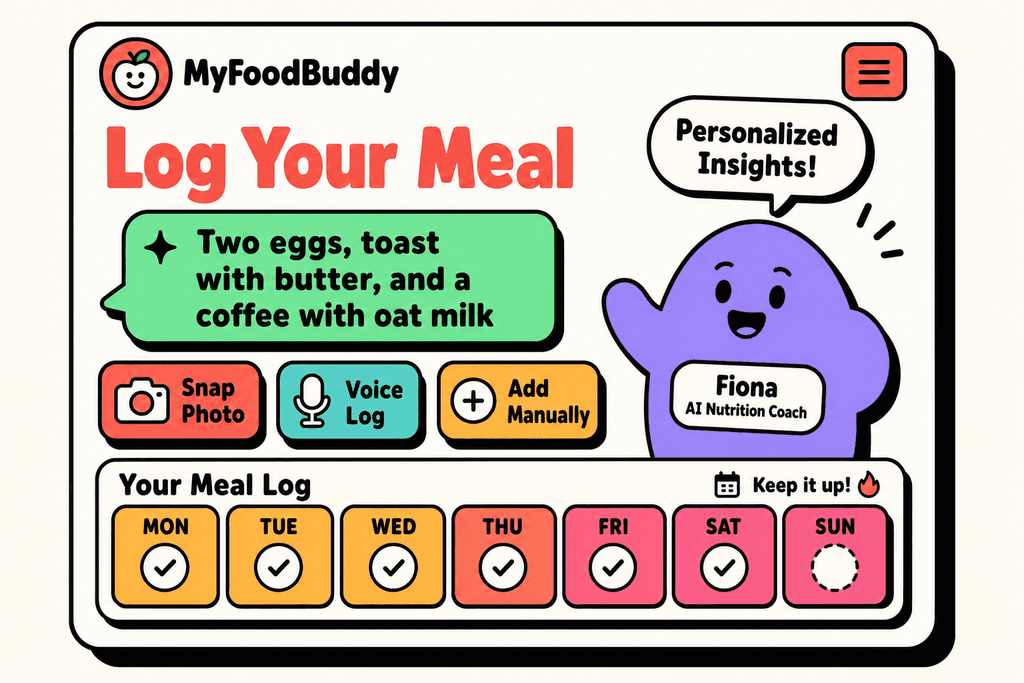
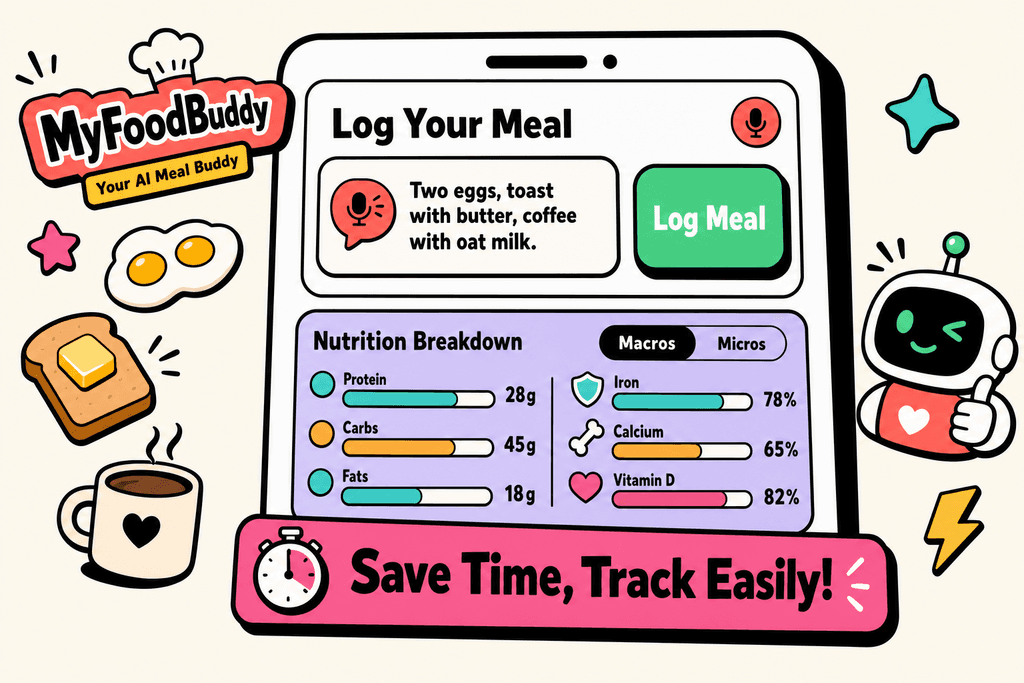
Natural language processing has gotten good enough to understand how real people describe food. You don't need to say "100 grams of chicken breast, grilled" when you can just say "grilled chicken." The technology fills in the gaps based on typical portion sizes and preparation methods. MyFoodBuddy lets you say "two eggs, toast with butter, and coffee with oat milk" and handles the rest, calculating everything in seconds.
- No more searching through databases with thousands of similar entries
- No more scanning barcodes for every single item
- Works for restaurant meals where you don't have nutrition labels
- Handles home-cooked food without weighing every ingredient
The difference becomes obvious when you're eating out or grabbing food on the go. Traditional apps force you to either skip logging or spend ten minutes hunting for the closest match in their database. Voice input takes about five seconds, which means you'll actually do it consistently. That consistency matters more than perfect accuracy when you're trying to build a long-term habit.
AI That Actually Understands Your Food
The AI behind modern macro trackers does more than just recognize words. It pulls from massive databases like the USDA's nutritional information to match what you said with accurate calorie and macro data. When you mention "grilled salmon," the system knows that grilling affects the final nutritional content differently than baking or frying. It adjusts the numbers automatically based on cooking methods, portion sizes, and ingredient combinations.
This approach beats manual searching because AI learns from millions of food entries to get smarter over time. If most people who log "a bowl of pasta" mean about two cups, the system uses that context. Apps like MyFoodBuddy track over 20 nutrients including vitamins and minerals, not just the basic macros. You get a complete nutritional picture without doing any of the math yourself.
| Method | Time Per Meal | Accuracy |
|---|---|---|
| Manual Database Search | 3-5 minutes | Depends on user effort |
| AI Voice Logging | 5-10 seconds | USDA-backed data |
The real advantage shows up with complex meals. A homemade stir-fry with six ingredients would normally require logging each component separately. AI-powered extraction can understand "chicken stir-fry with vegetables and rice" and provide reasonable estimates based on standard recipes. You can always adjust if your portions were larger or smaller, but the baseline is already there.
Most people don't need lab-level precision to see results. They need good enough data that they can track consistently without burning out. The best AI calorie counter apps balance accuracy with speed, giving you reliable numbers without making tracking feel like a part-time job.
Features That Keep You Consistent
Tracking macros only works if you stick with it long enough to see patterns in your eating habits. The apps that succeed understand this and build features specifically designed to reduce friction. Meal favorites let you save common meals and re-log them with a single tap, which is perfect for people who eat similar breakfasts or pack the same lunch most days. Categories like Breakfast, Lunch, Dinner, and Snack keep everything organized so you're not scrolling through a messy timeline.
Gamification elements like streaks and achievements provide gentle motivation without being pushy. A seven-day logging streak feels good to maintain, and that positive reinforcement helps build the habit. The key is keeping these features subtle enough that they encourage without annoying.
- Save favorite meals for instant re-logging
- Use TDEE calculators to set realistic macro goals automatically
- Check color-coded calendars to spot patterns in your tracking
- Review weight trend charts to see progress over time
- Get personalized insights from AI nutrition coaches
AI nutrition coaches take this a step further by analyzing your food logs and offering specific feedback. Instead of generic advice, you get insights based on your actual eating patterns and goals. MyFoodBuddy includes an AI coach that provides personalized recommendations, helping you understand why certain days feel harder or where you might be missing key nutrients.
The visual elements matter too. A color-coded calendar shows at a glance which days you logged meals and which you missed. Weight trend charts smooth out daily fluctuations to show the actual direction you're heading. These features turn raw data into actionable information without requiring you to be a nutrition expert. For busy people trying to balance tracking with a hectic schedule, these tools make the difference between giving up and staying consistent.
The best free macro tracker app combines all these elements into something that feels effortless. When logging takes seconds instead of minutes, when the app learns your habits, and when you can see your progress clearly, tracking stops being a chore. It becomes just another quick task you do between meetings or while waiting for your coffee. That's when real change happens, not from perfect tracking, but from consistent effort over time.
Why Free Options Often Cost You More
The average person spends 15 minutes per day logging food in traditional free macro tracking apps. That adds up to 91 hours per year, which is more than two full work weeks spent just recording what you ate. When you factor in the actual value of your time, that "free" app starts looking pretty expensive. Most people don't realize they're trading their most valuable resource for something that claims to cost nothing.
The Real Time Cost of Manual Entry
Free apps like MyFitnessPal and Cronometer require you to search through massive databases, adjust serving sizes, and manually input every ingredient. Studies show this process takes 3-5 times longer than voice-based logging because you're doing all the work the app should handle for you.
- Searching for the right food item among dozens of similar entries
- Adjusting portion sizes and measurements for accuracy
- Creating custom meals from scratch when your exact food isn't listed
- Dealing with incorrect nutritional data from user-submitted entries
Interruptions That Kill Your Momentum
Free apps need to make money somehow, and that usually means ads. You're trying to quickly log your lunch between meetings, and suddenly you're watching a 30-second video about meal kits you don't want. These interruptions don't just waste time, they make the whole experience frustrating enough that most people quit tracking within three weeks.
| Cost Factor | Free Apps | MyFoodBuddy |
|---|---|---|
| Time per day | 15 minutes | 3 minutes |
| Annual time cost | 91 hours | 18 hours |
| Yearly price | $0 | $39 |
| Cost per saved hour | N/A | $0.53 |
Feature Walls When You Need Them Least
The cruelest part about free macro trackers is how they limit features right when you're building momentum. You finally get into a tracking routine, then hit a paywall for basic features like meal planning or detailed nutrient breakdowns. Apps like MyFoodBuddy include AI-powered nutrition extraction and personalized coaching at $39 per year, which breaks down to less than what you'd spend on a single coffee per month. When you calculate the time saved against the subscription cost, you're essentially paying yourself to be more efficient.
Your Next Meal Is Your Fresh Start
The best free macro tracker app is really just the one you'll actually open every single day. You can have the most detailed nutrition database in the world, but if logging your breakfast takes five minutes of searching and tapping, you'll probably give up by Wednesday. That's why food tracking for busy people needs to feel effortless, not like homework. The apps that win are the ones that remove friction instead of adding more steps to your already packed schedule.
Voice-enabled tracking changes the game because it matches how you actually think about food. You don't mentally catalog "one medium banana, 105 calories, 27g carbs" when you eat breakfast. You think "banana with peanut butter." MyFoodBuddy works with that natural way of thinking, letting you speak or type what you ate while the AI handles the math behind the scenes.
Starting with a free trial gives you a week to see if the time savings are real or just marketing talk. Most people who try fast meal logging methods notice the difference within two or three days. The question isn't whether you can track macros, it's whether you can do it without it taking over your life.
Consistency beats perfection when it comes to reaching nutrition goals. A rough log that you actually complete is worth more than a perfect entry you skip because you're running late. If you've been putting off macro tracking because other apps felt too complicated, modern alternatives might finally make it stick.
You probably have questions about how voice logging actually works or whether AI can really get your macros right. Let's clear those up.
Common Questions About Macro Tracking Apps
Choosing the right macro tracker can feel overwhelming when you're already juggling a busy schedule. Most people have similar questions before committing to any tracking app, especially when trying to figure out which features actually matter for their lifestyle. We've gathered the most common questions busy eaters ask about macro tracking apps and answered them in plain terms. These answers will help you understand what to expect and how to make tracking work without adding stress to your day.
How accurate is voice logging compared to manual entry?
Voice logging is just as accurate as manual entry when the app uses quality nutrition databases like USDA data. The main difference is speed, not accuracy. Apps like MyFoodBuddy use AI to interpret what you say and match it to verified nutritional information, so you get the same data without typing or searching through endless food lists. The key is being specific when you log, like saying "two scrambled eggs" instead of just "eggs."
Can I track restaurant meals without nutritional information?
Yes, you can track restaurant meals even when exact nutrition facts aren't available. Most modern macro trackers estimate nutritional values based on similar dishes and standard portion sizes. With voice-enabled apps, you can simply describe what you ate and the app will provide reasonable estimates. While these won't be 100% precise, they're close enough to keep you on track with your goals. Consistency matters more than perfect accuracy anyway.
Do I need to track every single day to see results?
You don't need perfect tracking to see results, but consistency helps you understand your eating patterns better. Most people see progress by tracking 5-6 days per week. The goal is building awareness of what you're eating, not creating another source of stress. Many apps include streak features and reminders to help you stay consistent without being annoying about it.
What's the difference between free and paid macro trackers?
Free macro trackers usually have basic logging features but limit advanced tools like detailed analytics, AI coaching, or voice input. Paid versions typically offer faster logging methods, more detailed nutrient tracking beyond just macros, and personalized insights. Some apps like MyFitnessPal have been adding more paywalls to features that used to be free, which is why many people are switching to alternatives. The best free macro tracker app should still give you core features without constant upgrade prompts.
How long does it take to build a macro tracking habit?
Most people need about 2-3 weeks of consistent tracking before it feels natural. The easier your app makes logging, the faster you'll build the habit. Apps that let you save favorite meals or use voice input cut down the time from several minutes to just seconds per meal. This speed difference is what helps people stick with tracking long-term instead of giving up after a few days. If speed is what makes the habit stick, the best macro tracking apps for faster meal logging break down which options save the most time and what you get for the price.
Can macro tracking apps sync with fitness trackers?
Many macro tracking apps sync with popular fitness trackers and health platforms like Apple Health. This integration lets you see how your nutrition aligns with your activity levels and other health metrics in one place. The sync feature is especially useful for adjusting your calorie targets based on how much you're actually moving each day. MyFoodBuddy integrates with Apple Health to give you a complete picture of your nutrition and activity without manual data entry.
Ready to start tracking smarter?
Download MyFoodBuddy and start tracking your calories by just saying what you ate. No more searching databases or guessing portions.
Get started