
Budget Meals That Save Money While Eating Clean
Save money while eating clean with budget-friendly meal ideas, smart shopping tips, and easy tracking. Cut costs without sacrificing nutrition.
Most people spend over 30% more on groceries than they need to, often because they think eating clean means buying expensive organic labels and specialty health foods. The truth is that save money while eating clean is completely possible when you know which foods give you the most nutrition for your dollar. Apps like MyFoodBuddy help you track what you're actually eating so you can spot where your money goes and make smarter choices that keep both your body and wallet healthy.
Table of Contents
Why Clean Eating Feels Expensive
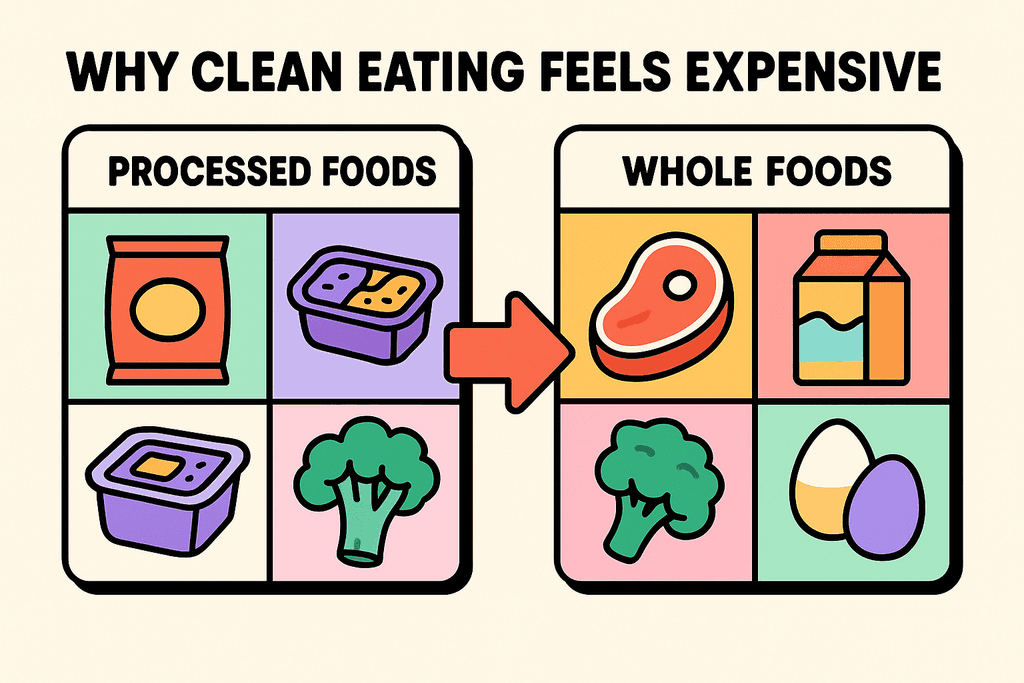
Most people think eating healthy means spending way more money at the grocery store. Walk into any supermarket and you'll see organic kale for $4 a bunch, fancy protein bars at $3 each, and pre-cut vegetables that cost twice as much as whole ones. The health food section feels like a luxury department, and it's no wonder so many people give up on clean eating before they even start. But here's the thing that might surprise you: the actual cost difference between eating clean and eating processed foods is way smaller than you think.
The Premium Health Food Trap
Food companies have figured out that they can charge more for anything labeled "healthy" or "clean." That's just smart marketing on their part, but it creates a false idea that you need expensive products to eat well. The truth is that basic whole foods like rice, beans, eggs, and seasonal vegetables have always been cheap and they're some of the healthiest things you can eat.
Here's what actually drives up the cost of healthy eating:
- Fancy packaging and branding on "superfood" products
- Organic labels that sometimes cost 50% more for similar nutrition
- Pre-portioned meals and meal kits marketed as healthy convenience
- Specialty diet products like keto snacks or paleo treats
What Food Actually Costs Per Serving
When you break down the real numbers, whole foods often cost less per serving than processed alternatives. A bag of frozen chicken breasts gives you way more meals than a box of frozen chicken nuggets for about the same price. The difference is that whole foods require a few minutes of cooking while processed foods just need a microwave.
| Food Type | Processed Option | Cost Per Serving | Whole Food Option | Cost Per Serving |
|---|---|---|---|---|
| Breakfast | Cereal bar | $1.25 | Oatmeal with banana | $0.45 |
| Lunch | Frozen pizza | $3.50 | Rice, beans, chicken | $2.10 |
| Snack | Chips bag | $1.50 | Apple with peanut butter | $0.75 |
| Dinner | Boxed mac and cheese | $2.00 | Pasta with vegetables | $1.80 |
Apps like MyFoodBuddy make it easier to track what you're actually eating and see where your money goes. When you log "frozen pizza" versus "homemade chicken and rice," you start noticing the cost patterns along with the nutrition differences.
Where Your Money Really Goes
The biggest money drain isn't the food itself. It's the waste that happens when you don't have a plan. You buy fresh spinach with good intentions, forget about it, and throw it out a week later. You grab takeout because you're too tired to figure out dinner. Poor planning costs way more than the price difference between healthy and unhealthy food.
Common ways people waste money trying to eat clean:
- Buying fresh produce that spoils before they use it
- Purchasing ingredients for recipes they never make
- Ordering delivery when meal prep falls apart
- Throwing out leftovers that weren't stored properly
Convenience foods seem cheaper in the moment because they're easy. But when you add up all those $8 frozen meals and $12 salads from the deli, you're spending way more than if you'd bought basic ingredients. The real cost of convenience isn't just money, it's also the extra sodium, preservatives, and calories that come with processed foods.
Smart Shopping Strategies That Cut Costs
Most people think eating clean means spending half their paycheck at fancy grocery stores, but that's just not true. The real secret to saving money while eating clean starts before you even step into a store. When you know what to buy and when to buy it, your grocery bill can drop by 30% or more without sacrificing nutrition. The trick is understanding how grocery stores work and using that knowledge to your advantage.
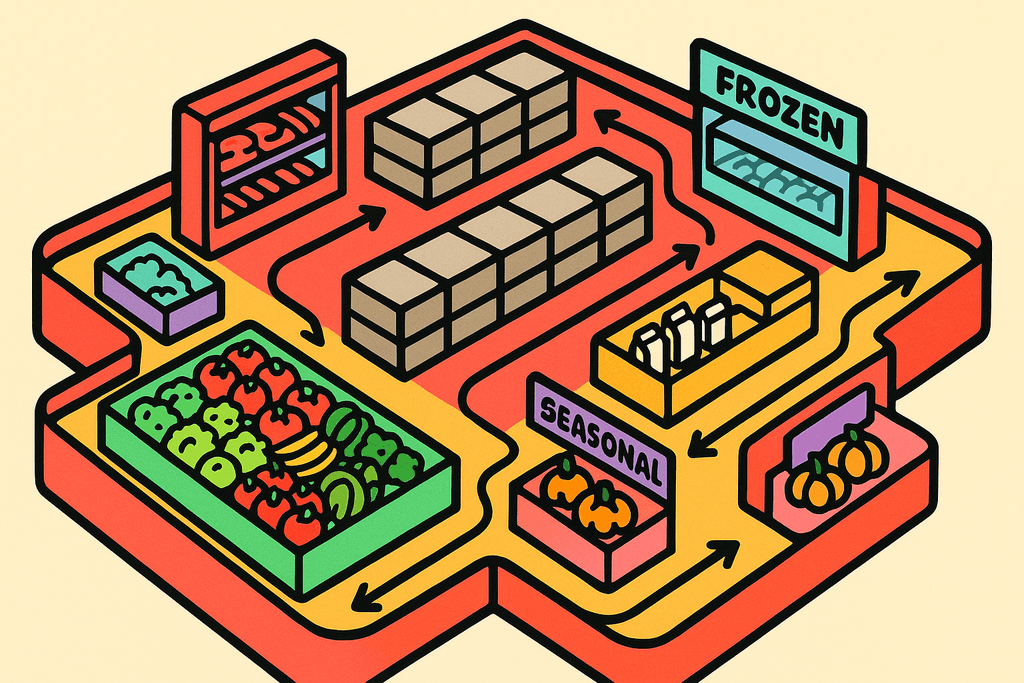
Seasonal produce is your best friend when it comes to cutting costs. Strawberries in December might look tempting, but they'll cost three times what they do in June. When fruits and vegetables are in season, stores have more of them and prices drop naturally. You'll also get better flavor and more nutrients since the food hasn't traveled across the world to reach you.
- Shop the perimeter of the store first where fresh foods live
- Fill your cart with frozen vegetables when fresh options are pricey
- Buy proteins in bulk and divide them into meal-sized portions at home
- Choose store brands for staples like rice, oats, and canned beans
- Plan your meals around what's on sale that week
The frozen food section gets a bad reputation, but frozen vegetables are often cheaper and just as nutritious as fresh ones. They're picked at peak ripeness and frozen immediately, which locks in nutrients. Plus, there's zero waste since you can use exactly what you need and save the rest.
Budget-Friendly Shopping Checklist
Before heading to the store, check what you already have at home. You'd be surprised how many meals you can create from pantry staples you forgot about. This simple step prevents buying duplicates and helps you build meals around ingredients that need to be used up.
Smart Shopping Strategies That Cut Costs
- Eggs (buy the largest carton you'll use before expiration)
- Dried beans and lentils in bulk bins
- Whole grain rice and oats
- Seasonal vegetables and fruits
- Frozen mixed vegetables
- Store-brand canned tomatoes and beans
- Chicken thighs or whole chickens (cheaper than breasts)
- Bananas and apples
Affordable Clean Eating Staples
Some foods give you way more nutrition for your dollar than others. These are the items that should fill most of your cart because they're versatile, filling, and packed with nutrients. The best part is that most of these staples can be used in dozens of different meals throughout the week, so you never get bored eating the same thing.
Eggs are probably the most affordable protein you can buy. At around 15 cents per egg, you're getting 6 grams of protein plus vitamins and minerals. You can eat them for breakfast, add them to fried rice for dinner, or hard-boil a batch for quick snacks. When you track your meals with something like MyFoodBuddy, you'll see just how much nutritional value eggs pack for the price.
| Food Item | Cost Per Serving | Protein (grams) | Best Uses |
|---|---|---|---|
| Eggs | $0.30 | 12g | Any meal |
| Dried Lentils | $0.25 | 9g | Soups, curries |
| Oats | $0.20 | 5g | Breakfast, baking |
| Brown Rice | $0.30 | 5g | Meal base |
| Bananas | $0.25 | 1g | Snacks, smoothies |
| Sweet Potatoes | $0.50 | 2g | Side dishes |
Beans and lentils deserve special attention because they're ridiculously cheap and incredibly nutritious. A one-pound bag of dried lentils costs about $2 and makes roughly 10 servings. That's 20 cents per serving for a food that's high in protein, fiber, and iron. You can throw lentils into soups, make them into burgers, or mix them with rice for a complete protein.
Whole grains like oats and brown rice form the foundation of budget-friendly clean eating. They're filling, they store well for months, and they cost pennies per serving. A big container of oats can provide breakfast for weeks, and brown rice works as a base for countless dinner combinations.
- Cabbage lasts weeks in the fridge and costs under $1 per pound
- Carrots are cheap year-round and work raw or cooked
- Sweet potatoes provide complex carbs and vitamins for about 50 cents each
- Bananas are the cheapest fruit and perfect for quick energy
- Apples store well and satisfy sweet cravings naturally
The key is learning to use these staples in different ways so you don't feel like you're eating the same meal every day. Those eggs can be scrambled Monday, baked into a frittata Wednesday, and added to fried rice Friday. Same ingredient, completely different meals.
Meal Prep That Saves Time and Money
Meal prep sounds like extra work, but it's actually the secret weapon for sticking to clean eating on a budget. When you cook in batches, you use less energy, create less waste, and eliminate those expensive last-minute takeout orders. The biggest money drain isn't the groceries you buy, it's the food you throw away and the convenience meals you grab when you're unprepared. Spending two hours on Sunday can save you both money and stress all week long.
Start by cooking your proteins once per week in large batches. Bake several chicken thighs, cook a big pot of beans, or hard-boil a dozen eggs. When your proteins are ready to go, throwing together a healthy meal takes minutes instead of an hour. This is where tracking becomes really helpful because you can see patterns in what you actually eat versus what goes to waste.
- Roast a whole chicken on Sunday and use it four different ways
- Cook a large batch of rice or quinoa and freeze half
- Chop vegetables right after shopping so they're ready to use
- Make overnight oats in jars for grab-and-go breakfasts
- Portion out snacks into containers to avoid overeating
Vegetables often get wasted because people buy them with good intentions but don't prep them. Washing and chopping vegetables as soon as you get home makes you way more likely to actually use them. Store them in clear containers at eye level in your fridge so you see them first.
One ingredient can stretch across multiple meals if you're creative about it. That roasted chicken becomes Monday's dinner, Tuesday's chicken salad, Wednesday's soup, and Thursday's fried rice. You're not eating leftovers, you're using components in new combinations. If you're logging meals with voice or text like you can with modern tracking apps, you'll quickly spot which ingredients give you the most variety.
Weekly Meal Prep Checklist
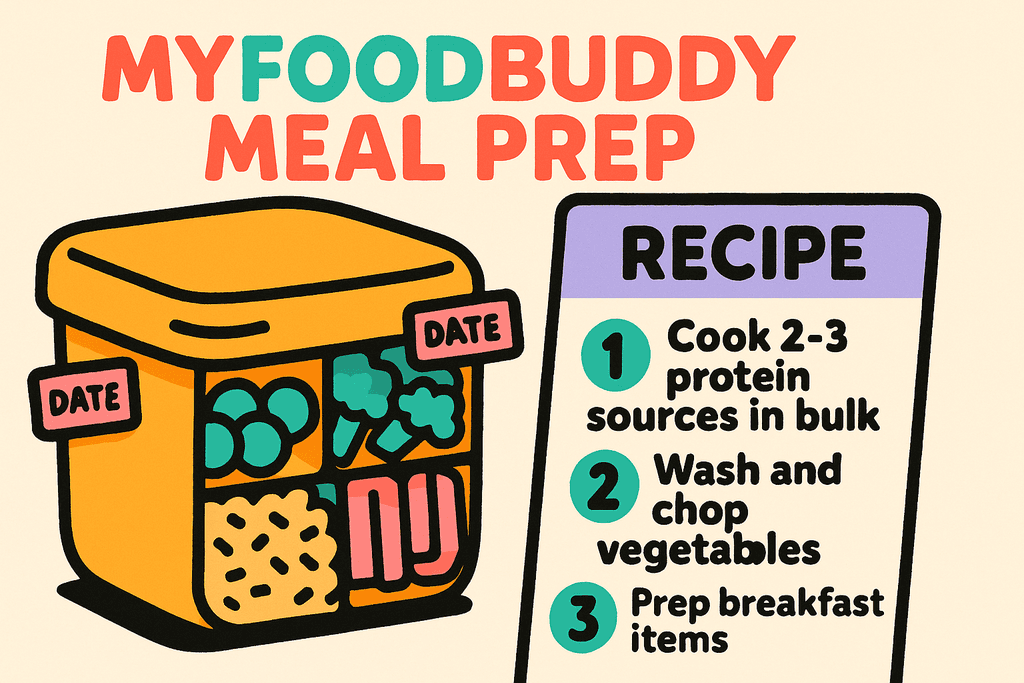
- Cook 2-3 protein sources in bulk
- Prepare a large batch of grains (rice, quinoa, or oats)
- Wash and chop vegetables for the week
- Make 3-4 sauces or dressings to add variety
- Portion snacks into grab-and-go containers
- Prep breakfast items like overnight oats or egg muffins
- Label everything with dates to track freshness
Proper storage makes a huge difference in how long your prepped food stays fresh. Invest in good containers that seal tightly, and don't be afraid to freeze portions you won't eat within three days. Cooked grains, beans, and even chopped vegetables freeze surprisingly well and can be pulled out whenever you need them.
Affordable Clean Eating Staples
The real magic happens when you start tracking what you prep versus what you actually eat. You might think you'll eat salads all week, but if you're consistently throwing them away, that's money down the drain. Tools that make tracking easy help you adjust your prep to match your real eating habits, not your ideal ones. When logging meals takes seconds instead of minutes, you're more likely to stick with it and learn from the data.
How Tracking Meals Reveals Money-Saving Opportunities
Most people don't realize they're spending an extra $200 to $300 each month on food until they actually start tracking what they eat. When you log your meals consistently, patterns emerge that show exactly where your money goes. You might discover you're buying the same overpriced salad three times a week when you could make it at home for a fraction of the cost. The simple act of writing down what you eat creates awareness that changes behavior. Tracking isn't just about calories, it's about seeing the real cost of your food choices in a way that makes you think twice before ordering takeout again.
$1,500 - Average amount American households waste on uneaten food each year
40% - Percentage of food purchased that ends up in the trash
25% - How much people can reduce grocery spending by tracking meals
Finding Your Best Value Meals
When you track meals over time, you start to see which foods give you the most nutrition for your dollar. A bowl of oatmeal with eggs might cost $2 and keep you full for hours, while a breakfast sandwich from a drive-through costs $8 and leaves you hungry by 10am. MyFoodBuddy's favorites feature lets you save these budget-friendly meals so you can repeat them without thinking.
- Compare protein costs per serving across different sources like chicken, eggs, and beans
- Identify which snacks actually satisfy you versus ones that lead to more spending
- Track how much you spend on drinks and coffee throughout the week
- See which restaurants charge premium prices for basic ingredients
Breaking the Convenience Food Cycle
The data tells a clear story once you've logged meals for a few weeks. Most people spend 60% to 70% of their food budget on convenience items like pre-made meals, restaurant food, and packaged snacks. These foods cost three to five times more than cooking from scratch, and the markup becomes obvious when you see it in black and white.
| Food Type | Average Cost | Home-Cooked Version | Savings |
|---|---|---|---|
| Restaurant lunch | $12-15 | $3-5 | $10/day |
| Coffee shop drink | $5-7 | $0.50-1 | $5/day |
| Pre-made dinner | $15-20 | $5-8 | $12/day |
Portion Control Equals Money Control
Here's something most apps like MyFitnessPal don't help you see clearly. When you understand proper portions through tracking, you naturally buy less food and waste less money. People who track their meals throw away 50% less food because they know exactly how much they need. With MyFoodBuddy's quick voice logging, you can track a meal in seconds, which means you're more likely to stick with it and see these patterns emerge.
- Learn actual serving sizes so you stop cooking too much
- Plan grocery lists based on meals you know you'll actually eat
- Reduce impulse purchases by having a clear meal plan from your favorites
The connection between tracking and saving money isn't complicated. You simply can't manage what you don't measure, and food spending is no different than any other budget category.
Your Budget and Health Can Both Win
Eating clean doesn't mean you need to spend half your paycheck at the grocery store. The strategies we covered show that planning ahead, buying in bulk, choosing seasonal produce, and cooking at home can cut your food costs by a lot. Most people waste about 30% of the food they buy, which means better planning alone could save you hundreds of dollars each year.
The real secret is tracking what you eat and what you spend. When you know where your money goes, you can spot patterns and make smarter choices. MyFoodBuddy makes this easier by letting you log meals with just your voice, so you can see exactly what you're eating without spending forever on manual entry.
Small changes add up faster than you think. Swapping one restaurant meal for a home-cooked version saves about $15 each time. Do that twice a week and you're looking at over $1,500 a year. The same goes for buying whole ingredients instead of pre-cut vegetables or choosing store brands over name brands.
You don't need to overhaul everything at once. Start with one or two strategies that fit your lifestyle best. Maybe it's meal prepping on Sundays or switching to frozen vegetables. Once that becomes a habit, add another change. If you're looking for more ways to stick to your health goals without breaking the bank, check out our guide on achieving balanced meals without the hassle.
The bottom line is this: your wallet and your health goals don't have to fight each other. With the right approach and tools that make tracking simple, you can save money while eating clean. The question isn't whether it's possible, but which strategy you'll try first.
Common Questions About Budget Clean Eating
Eating clean on a budget raises a lot of questions, especially when you're trying to figure out if it's actually worth the effort. Most people assume healthy eating costs more, but the reality is a bit different once you know what to look for. These answers will help you understand how to make clean eating work without emptying your wallet, and why tracking what you eat might be the missing piece you didn't know you needed.
Is eating clean really more expensive than processed food?
Not if you focus on whole foods like rice, beans, eggs, and seasonal vegetables. The price difference comes from buying specialty health foods or pre-packaged "clean" meals that cost way more than making things yourself. When you compare a bag of dried beans to a box of frozen dinners, the beans win every time on both cost and nutrition.
What are the cheapest sources of protein for clean eating?
Eggs, canned tuna, dried beans, lentils, and chicken thighs are your best bets for affordable protein. Greek yogurt and cottage cheese also offer good value when they're on sale. A dozen eggs costs less than most protein bars and gives you way more meals, plus you can track the exact nutrition when you log them in apps like MyFoodBuddy.
How much money can I save by meal prepping?
Most people save between $200 to $400 per month by meal prepping instead of eating out or buying convenience foods. You're buying ingredients in bulk, using everything you purchase, and avoiding the markup that comes with restaurant meals or pre-made options. The savings add up fast when you're not spending $12 on lunch every day.
Can I eat clean on a budget without spending hours cooking?
Yes, if you stick to simple recipes and batch cooking. Sheet pan meals, slow cooker recipes, and one-pot dishes take minimal effort but give you multiple servings. You don't need fancy techniques or complicated ingredients to eat clean, just basic cooking methods and a little planning.
How does tracking meals help me save money?
When you track what you eat, you become aware of patterns and waste. You'll notice if you're buying food that sits unused or if certain meals keep you full longer than others. MyFoodBuddy makes this easy since you can just say what you ate and see the nutrition instantly, which helps you plan better grocery lists based on what actually works for your goals and budget.
What's the best way to avoid food waste?
Plan your meals before shopping, store food properly, and use your freezer for anything you won't eat within a few days. Buying only what you need for planned meals cuts waste dramatically, and freezing portions means nothing goes bad before you can use it. Tracking your meals also shows you which foods you actually eat versus which ones expire untouched.
Ready to start tracking smarter?
Download MyFoodBuddy and start tracking your calories by just saying what you ate. No more searching databases or guessing portions.
Get started