3 Mistakes People Make With How Many Calories Is Corn
Discover 3 common corn calorie mistakes sabotaging your weight loss. Learn accurate counts for fresh, canned, and popcorn to stay on track.
You grab an ear of corn at dinner thinking it's a healthy, low-calorie choice, but depending on how it's prepared, you could be eating anywhere from 77 to over 300 calories without realizing it. Most people trying to lose weight make the same three mistakes when tracking corn calories, and these small errors can quietly sabotage your progress week after week. Understanding how many calories is corn really depends on the type and preparation method, which is exactly why apps like MyFoodBuddy use AI to help you log these details accurately in seconds instead of guessing.
Table of Contents
The Real Numbers Behind Corn Calories
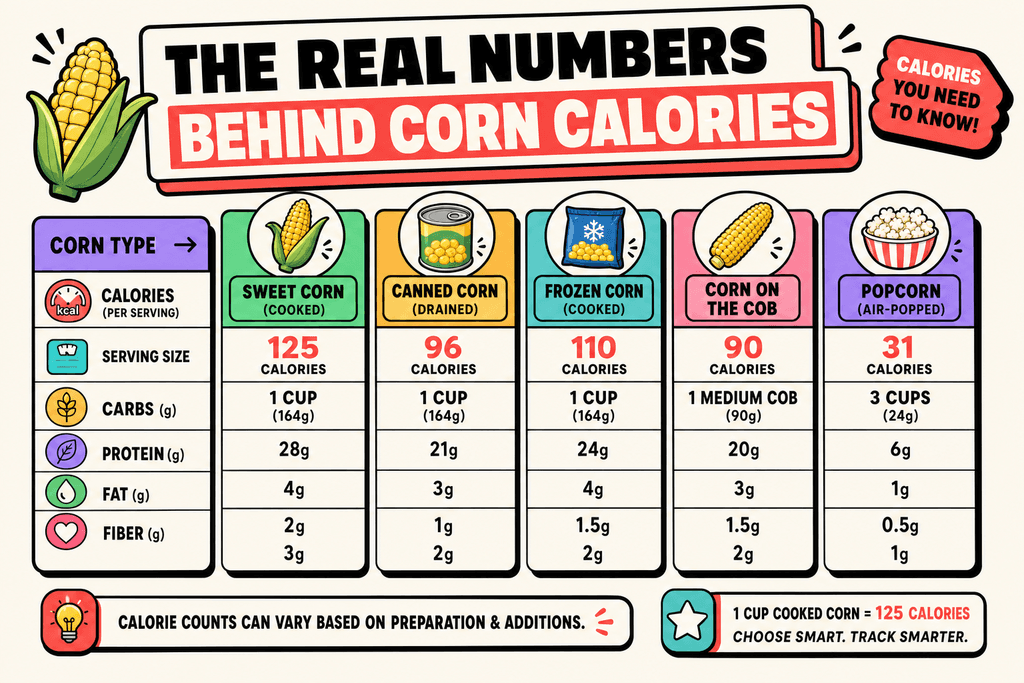
A single ear of corn can have anywhere from 60 to 150 calories depending on how you prepare it and what size you're eating. Most people think corn is just corn, but the calorie count changes a lot based on whether you're eating it fresh off the cob, from a can, or straight from the freezer bag. The USDA tracks all these different types, and the numbers might surprise you when you see them side by side.
Breaking Down Corn by Type
Fresh sweet corn is what most people picture when they think about corn calories. But here's where it gets tricky. The way corn is processed and packaged changes more than just the taste.
| Corn Type | Serving Size | Calories | Carbs |
|---|---|---|---|
| Fresh corn (medium ear) | 1 ear (6.5-7 inches) | 77 | 17g |
| Fresh corn kernels | 1 cup | 125 | 27g |
| Canned corn (drained) | 1 cup | 133 | 30g |
| Frozen corn | 1 cup | 115 | 27g |
| Creamed corn | 1 cup | 184 | 46g |
When you log your meals in apps like MyFitnessPal or Cronometer, you might see different numbers than what's on the can. That's because the USDA database uses raw data while food labels include added ingredients like salt, sugar, or preservatives.
Why Serving Sizes Matter More Than You Think
The biggest problem with figuring out how many calories is corn comes down to serving sizes. An ear of corn at a restaurant is usually bigger than what the USDA considers "medium." Home-cooked corn might be smaller or larger depending on where you bought it.
- Small ears (5-6 inches) have about 60-70 calories
- Medium ears (6.5-7 inches) have about 75-85 calories
- Large ears (8+ inches) can have 100-150 calories
Apps like MyFoodBuddy use AI to help figure out portion sizes when you just say "I ate corn on the cob." Instead of measuring every ear, you can describe what you ate and the app estimates the calories based on typical serving sizes.
The Label Versus Database Confusion
Food labels are required to round numbers, which means a can of corn might say 130 calories when it actually has 133. The USDA database is more precise but doesn't account for brand-specific recipes.
- Generic canned corn uses USDA averages
- Brand-name corn includes their specific recipe
- Restaurant corn often has added butter or oil
- Frozen corn can vary by processing method
This is why tracking apps that rely only on barcode scanning can miss important details about how food was prepared. When you scan a can of corn, you get the label data, but if you drain it or add butter, those calories change fast.
Mistake #1 Treating All Corn the Same
Most people think corn is just corn, but that's where the calorie counting goes wrong from the start. A medium ear of fresh corn on the cob has about 77 calories, but once you start looking at different types and preparations, those numbers jump all over the place. The corn you buy canned at the grocery store isn't the same as what you grill at a barbecue, and it definitely isn't the same as the popcorn you grab at the movies. Understanding these differences matters a lot when you're trying to figure out how many calories is corn actually adding to your daily intake.
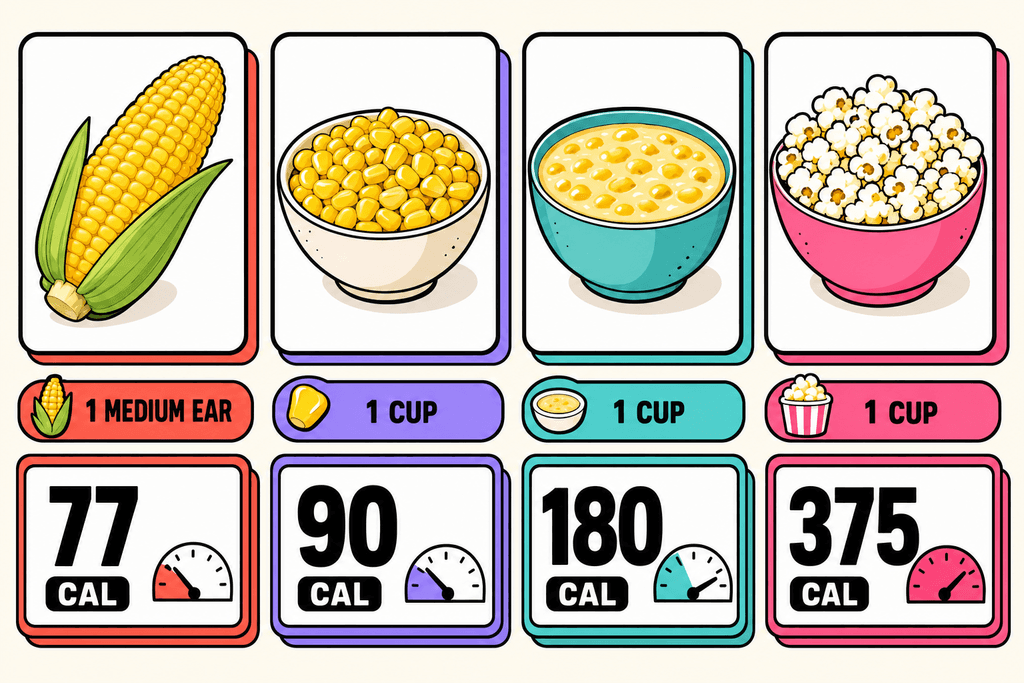
Fresh corn on the cob gives you around 77-90 calories per medium ear, but cut those kernels off and measure them, and you're looking at about 90 calories per half cup. The act of cutting doesn't change the calories, but it does change how much you end up eating since it's easier to pile kernels on your plate.
- Canned corn often sneaks in added sugars and salt that bump up the calorie count to about 80-90 calories per half cup
- Creamed corn can pack 90-110 calories in just a half cup because of added cream and butter
- Frozen corn stays closer to fresh at around 70-80 calories per half cup
- Popcorn ranges wildly from 30 calories per cup air-popped to over 60 calories with oil
Restaurant corn dishes hide the biggest surprises. That innocent-looking side of corn at your favorite steakhouse might have butter, cream, or cheese mixed in, turning what should be 80 calories into 200 or more. When you're tracking your meals, these hidden additions make a huge difference over time.
Mistake #2 Ignoring What's Added to Your Corn
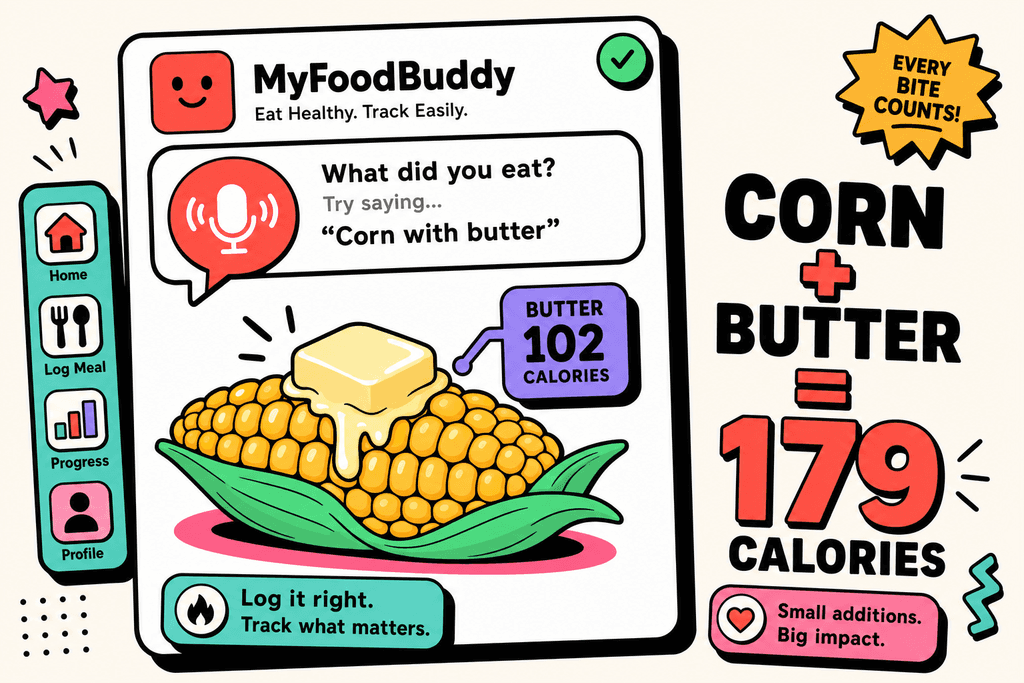
Plain corn is one thing, but nobody really eats plain corn. We add butter, salt, oil, mayo, cheese, and all sorts of toppings that completely change the calorie math. One tablespoon of butter adds 102 calories to that corn on the cob, which means your 77-calorie ear just became 179 calories. Most people don't think twice about slathering butter on their corn, but those additions add up fast when you're trying to lose weight.
Movie theater popcorn deserves its own warning label. A small popcorn can have 400 calories, a medium hits 700, and a large can reach 1,200 calories before you even add that butter-flavored topping they pump on at the counter.
| Corn Type | Base Calories | With Additions |
|---|---|---|
| Corn on cob | 77 | 180+ with butter |
| Grilled elote | 77 | 300+ with mayo/cheese |
| Popcorn (3 cups) | 90 | 180+ with butter |
| Corn casserole | 90 | 250+ per serving |
Mexican street corn (elote) tastes amazing but comes loaded with mayo, cotija cheese, chili powder, and lime. That single ear can hit 300 calories or more. Corn casseroles and cornbread are even worse because they mix corn with butter, eggs, cream, and sugar, turning a vegetable into a calorie-dense side dish that can pack 250-350 calories per serving.
The good news is you don't have to skip the toppings entirely. Using cooking spray instead of butter saves about 80 calories per ear. Lime juice and chili powder add tons of flavor for almost zero calories. When you log your meals with MyFoodBuddy, the AI picks up on these additions automatically when you say something like "corn on the cob with butter," so you get accurate counts without having to calculate every ingredient yourself.
Mistake #3 Getting Portion Sizes Wrong
Eyeballing portions is where most calorie tracking falls apart, and corn makes it especially tricky. Research shows that most people underestimate their portion sizes by 25-50%, which means if you think you ate half a cup of corn, you probably ate closer to a full cup. That difference turns 90 calories into 180 calories without you even realizing it. Corn on the cob sizes vary wildly too, with small ears around 60 calories and large ears pushing past 120 calories, but most people just log "one ear" and call it a day.
Restaurant portions make this problem even worse. That side of corn at a chain restaurant is usually 1 to 1.5 cups, not the half cup serving size listed in most calorie databases. You think you're eating 90 calories but you're actually getting 180-270 calories.
- A standard serving is half a cup of kernels or one medium ear
- Restaurant sides are typically 2-3 times larger than standard servings
- Corn on the cob ranges from 5-8 inches long with big calorie differences
- Cooked corn measures differently than raw (corn shrinks slightly when cooked)
You can get better at estimating without carrying measuring cups everywhere. A half cup of corn kernels is about the size of a tennis ball or fits in a cupped palm. One medium ear of corn is roughly the length of a dollar bill. These quick visual tricks help when you're eating out or at someone else's house.
Voice logging catches portion mistakes that manual tracking misses. When you tell an app like MyFoodBuddy "I ate a large corn on the cob with butter," the AI adjusts the calories based on the size you mentioned. Traditional apps make you search through databases and pick between "small," "medium," or "large" options that don't always match what you actually ate. The difference between these tracking methods can mean hundreds of calories per week that either get counted or slip through the cracks.
Getting corn calories right matters more than you'd think. These three mistakes compound over time, turning what should be a healthy vegetable into a hidden source of extra calories that slow down your weight loss. The same issues pop up with other foods too, like hamburger calories or fried chicken, where assumptions about preparation and portions throw off your tracking. If you're serious about losing weight, accurate calorie counting needs to account for all these variables, which is exactly why user-friendly apps that handle the details for you make such a big difference.
Stop Guessing, Start Tracking Corn Right
So there you have it. The three big mistakes people make when figuring out how many calories is corn come down to not knowing which type you're eating, forgetting about what's added to it, and using the wrong serving size. These might seem like small details, but when you're trying to lose weight, they add up fast. A few hundred extra calories here and there can be the difference between seeing results and wondering why the scale won't budge.
The good news is that you don't need to become a corn expert or carry around a food scale everywhere you go. You just need to be a bit more specific when you log your meals. Instead of typing "corn" into your tracker, try "grilled corn on the cob with butter" or "half cup canned corn, drained." That extra detail makes all the difference.
Modern tracking tools have made this easier than ever. With MyFoodBuddy, you can just say what you ate and the AI figures out the details for you. No more scrolling through endless database entries or doing mental math. The same approach works for tracking hamburger calories or any other food that comes in different forms.
If you want to dive deeper into making calorie tracking less of a headache, check out our guide on what makes calorie apps actually user-friendly. Small improvements in accuracy really do lead to big results over time. You've got this.
Common Questions About Corn Calories
Tracking corn can get confusing fast, especially when you're trying to stay on top of your calorie goals. People mess up corn calories all the time because there are so many different ways to eat it and measure it. Here are the questions that come up most often when people try to figure out how many calories is corn and how to log it properly.
How many calories in a medium ear of corn?
A medium ear of corn with the kernels still on the cob has about 77 to 90 calories, depending on the exact size. The tricky part is that "medium" means different things to different people, which is why your calorie count might be off if you're just guessing.
Is corn good or bad for weight loss?
Corn isn't bad for weight loss, but it's higher in carbs and calories than most vegetables. One cup of corn kernels has around 130 to 140 calories, which adds up quickly if you're not measuring. The key is tracking it accurately so it fits into your daily calorie budget without surprises.
Does cooking method change corn calories?
The corn itself has the same calories whether it's boiled, grilled, or steamed. But what you add to it changes everything. Butter, oil, salt, and toppings can easily double or triple the calorie count. A plain ear of corn and one slathered in butter are two completely different meals from a calorie perspective.
How many calories in a cup of corn kernels?
One cup of corn kernels typically contains 130 to 140 calories if it's plain. This applies whether you cut it fresh off the cob or measure it from a can or bag. The problem is most people don't actually measure a cup and just eyeball it, which leads to underestimating their intake.
Is frozen corn the same calories as fresh?
Yes, frozen corn has basically the same calories as fresh corn. Both have around 130 to 140 calories per cup of kernels. The difference comes from what's added during processing or cooking, so always check the package for butter sauces or seasonings that sneak in extra calories.
How do I track corn accurately in a calorie app?
The easiest way is to weigh your corn kernels in grams or measure them in cups before eating. Apps like MyFoodBuddy let you just say what you ate, like "one cup of corn kernels" or "medium ear of grilled corn with butter," and the AI figures out the calories for you. This beats scrolling through dozens of database entries in other apps trying to find the right match. Just be specific about portion size and any toppings you added, and you'll get accurate tracking without the usual headache.
Ready to start tracking smarter?
Download MyFoodBuddy and start tracking your calories by just saying what you ate. No more searching databases or guessing portions.
Get started