
How Many Calories Is Fried Chicken Really
Discover the real calorie count in fried chicken. From drumsticks to wings, learn what you're eating and how to track it effortlessly.
That crispy piece of fried chicken on your plate could be anywhere from 200 to 500 calories, and most people guess wrong by nearly half. The coating, cooking method, and even which part of the chicken you're eating can completely change the calorie count, making it one of the trickiest foods to track accurately. Understanding how many calories is fried chicken really packing means you can still enjoy it without derailing your goals, and tools like MyFoodBuddy make logging these tricky meals as simple as saying what you ate.
Table of Contents
Why Fried Chicken Calories Are So Confusing
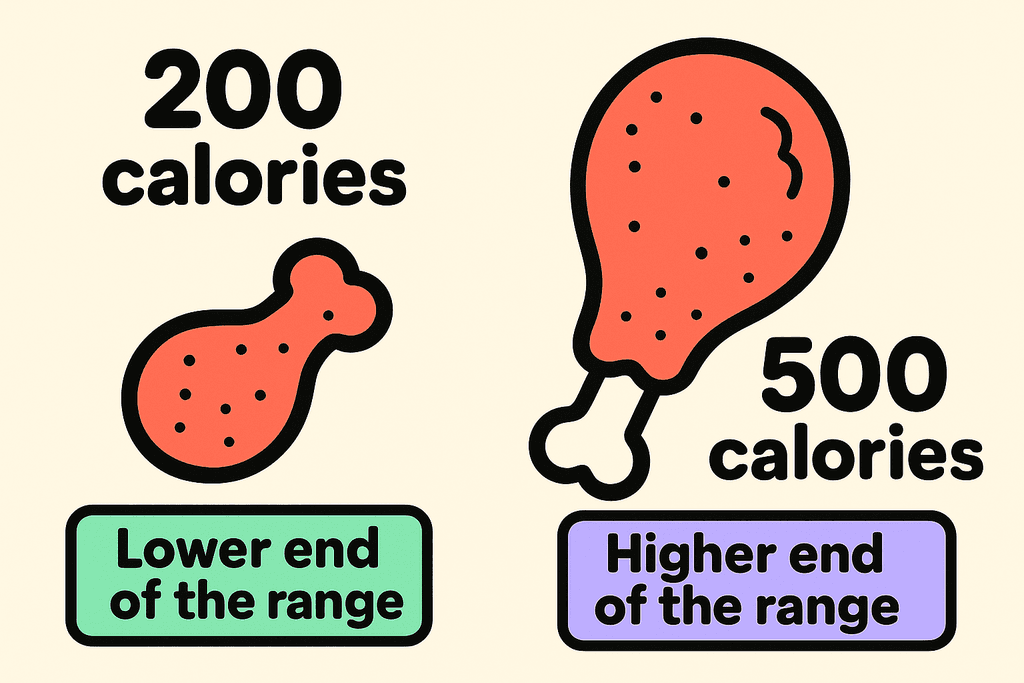
A single piece of fried chicken can range anywhere from 200 to 500 calories, and that's not a typo. The calorie count in fried chicken varies so much that even apps like MyFitnessPal or Cronometer struggle to give you accurate numbers without tons of manual input. You might think you're eating a reasonable 250-calorie piece, but depending on how it was cooked, you could actually be consuming double that amount. This massive range makes tracking how many calories is fried chicken one of the trickiest foods to log accurately.
Cooking Methods Change Everything
The way your chicken gets cooked makes a huge difference in the final calorie count. Deep-frying soaks the chicken in oil, while air-frying uses almost none.
- Deep-fried chicken absorbs the most oil, adding 100-200 extra calories per piece
- Pan-fried chicken sits somewhere in the middle, depending on how much oil you use
- Air-fried chicken can cut calories by up to 70% compared to deep-fried versions
- Pressure-fried chicken (like KFC uses) creates a different absorption rate than traditional methods
Breading Makes or Breaks Your Calorie Count
That crispy coating isn't just flour and spices. The breading alone can add 50-150 calories to a piece of chicken, and restaurants aren't exactly skimping on it.
- Thick, double-dipped breading can add up to 150 calories per piece
- Light flour dusting might only add 30-50 calories
- Buttermilk-soaked breading holds more oil than dry breading
- Seasoned breadcrumbs vs. regular flour changes the calorie density
Restaurant vs Homemade The Calorie Gap
Restaurant fried chicken typically packs way more calories than what you'd make at home. They use more oil, thicker breading, and larger portions than most home cooks.
| Source | Calories per Piece | Main Difference |
|---|---|---|
| KFC Original | 320-390 | Pressure fried |
| Popeyes | 280-350 | Thick breading |
| Homemade | 200-300 | Less oil |
| Air-fried | 150-220 | Minimal oil |
Chicken Cuts and Skin Matter More Than You Think
Not all chicken pieces are created equal. A fried chicken breast has completely different calories than a thigh, and keeping the skin on adds even more.
- Chicken breast (skinless) has about 40% fewer calories than thighs
- Keeping the skin on adds roughly 80-100 calories per piece
- Dark meat naturally contains more fat than white meat
- Wings are smaller but have a higher breading-to-meat ratio
With MyFoodBuddy, you can just say "fried chicken thigh from Popeyes" and the app figures out the calories for you. No more guessing or spending five minutes searching through databases trying to find the right entry. The AI pulls from USDA data to give you accurate nutrition info without all the manual work that makes tracking such a pain.
Calorie Breakdown by Chicken Cut
A single piece of fried chicken can pack anywhere from 100 to 500 calories, and that range is wild when you think about it. The cut you choose makes a massive difference in how many calories end up on your plate. Most people grab whatever looks good without realizing that swapping a breast for a drumstick could save them 200 calories or more. Understanding these differences helps you make smarter choices without giving up the foods you love.
Drumsticks are the most forgiving option, typically landing between 200 and 250 calories per piece. They're small enough that you feel satisfied without overdoing it, and the meat-to-breading ratio works in your favor.
| Chicken Cut | Calories per Piece | With Skin |
|---|---|---|
| Drumstick | 200-250 | +50-80 |
| Wing | 100-150 | +50-80 |
| Thigh | 280-350 | +50-80 |
| Breast | 350-500 | +50-80 |
Chicken breasts are the calorie heavyweights, clocking in at 350 to 500 calories each. They're bigger and absorb more oil during frying, which means more calories hiding in that crispy coating. Thighs fall somewhere in the middle at 280 to 350 calories, offering a balance between flavor and calorie count that many people prefer.
Wings seem innocent because they're tiny, right? Each one only has 100 to 150 calories. But here's the catch: nobody eats just one wing. Most people down four to six in a sitting, which quickly adds up to 600 calories or more before you even realize it.
The skin adds an extra 50 to 80 calories per piece, no matter which cut you choose. That crispy outer layer is delicious, but it's also where a lot of the fat lives. Removing it after cooking can save you those calories while still letting you enjoy the fried flavor underneath.
Restaurant vs. Homemade Fried Chicken
Restaurant fried chicken hits different, but it also hits your calorie budget harder than you might expect. Fast food chains use specific recipes and cooking methods that maximize flavor but also pack in extra calories through oils, breading techniques, and portion sizes. When you make fried chicken at home, you control every ingredient and can cut calories without sacrificing too much taste. The difference between restaurant and homemade versions can be significant enough to matter for your daily goals. To help you better understand the calorie counts in popular takeout options, read our article on General Tso's Chicken Calories by Takeout Portion.
A KFC Original Recipe drumstick contains 130 calories, which sounds reasonable until you order the extra crispy version that jumps to 160 calories for the same piece. That extra coating adds more than just crunch.
- Popeyes chicken breast: 440 calories
- Chick-fil-A fried chicken sandwich: 440 calories total
- KFC extra crispy drumstick: 160 calories
- Homemade fried chicken: 20-30% fewer calories with proper techniques
The Chick-fil-A fried chicken sandwich comes in at 440 calories, which includes the bun and pickles. Restaurant portions are often 1.5 to 2 times larger than standard servings, meaning what looks like one serving is actually closer to two when you check the nutrition facts.
Making fried chicken at home gives you control over the oil temperature, breading thickness, and cooking time. You can use an air fryer or oven-frying method that cuts calories by 20 to 30 percent compared to deep frying. The taste difference is smaller than you'd think, especially when you season it right.
| Source | Piece Type | Calories |
|---|---|---|
| KFC Original | Drumstick | 130 |
| KFC Extra Crispy | Drumstick | 160 |
| Popeyes | Breast | 440 |
| Homemade | Breast | 280-350 |
Making Fried Chicken Fit Your Goals
You don't have to give up fried chicken completely to hit your calorie goals. There are practical ways to enjoy it while staying on track with your nutrition plan. Small changes in how you order, prepare, or eat fried chicken can save hundreds of calories without making you feel like you're missing out. The key is being smart about your choices and tracking accurately so you know exactly what you're eating.
Removing the breading after cooking saves 80 to 120 calories per piece. Yeah, it's not as fun, but the chicken underneath still has flavor from the cooking process. You get to enjoy the meal without all the extra calories from the fried coating.
- Choose grilled or air-fried alternatives that have 40% fewer calories
- Limit yourself to 1-2 pieces instead of 3-4
- Skip the sides or choose vegetables instead
- Use measuring spoons for sauces to control portions
- Balance your day by eating lighter meals before or after
Grilled chicken or air-fried versions taste surprisingly similar to traditional fried chicken but contain about 40 percent fewer calories. Portion control is huge when it comes to fried chicken because it's easy to keep eating when it tastes good.
Balancing your day around a fried chicken meal means eating lighter for breakfast and lunch if you know you're having it for dinner. This way, you can enjoy what you want without blowing your entire calorie budget. Apps like MyFoodBuddy make this easy because you can just say what you ate and it calculates everything instantly, so you know exactly where you stand.
The reality is that tracking accurately matters more than being perfect. If you're going to eat fried chicken, log it properly and adjust the rest of your day accordingly. You can check out more tips on tracking chicken meals with voice technology to make the process even easier. When you know the numbers, you can make informed decisions instead of guessing and hoping for the best.
Why Accurate Tracking Matters More Than You Think
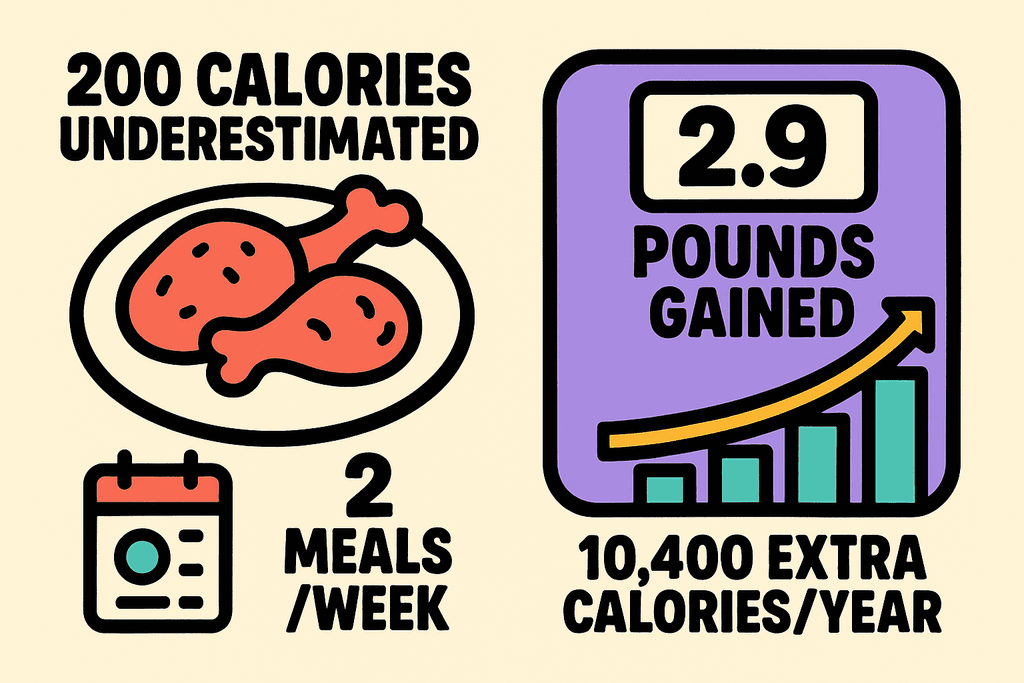
A single miscalculation when tracking how many calories is fried chicken can derail your entire week without you even noticing. Most people underestimate fried chicken calories by at least 100-200 calories per serving, and when you eat it twice a week, that's a problem. The math is simple but brutal: underestimating by just 200 calories weekly adds up to 10,400 extra calories per year, which equals 2.9 pounds of unexpected weight gain. That's nearly three pounds you can't explain, all because you guessed wrong about your favorite comfort food.
The Hidden Cost of Manual Tracking
Traditional calorie tracking apps make logging fried chicken a nightmare. You have to search through hundreds of entries, figure out if your chicken was breaded or battered, estimate the piece size, and hope you picked the right database entry. Most apps like MyFitnessPal require you to create custom meals or spend minutes scrolling through conflicting nutritional data.
- Searching for "fried chicken" returns 50+ different entries with wildly different calorie counts
- Manual entry takes 2-3 minutes per meal when you factor in searching and selecting
- User-submitted data is often inaccurate or outdated
- You have to remember every side dish and condiment separately
The frustration leads to inconsistent tracking, which is worse than not tracking at all. When you only log meals half the time, you lose the ability to spot patterns or understand why your weight isn't changing.
How Voice Tracking Changes Everything
Voice-based tracking eliminates the guesswork entirely. With MyFoodBuddy, you just say "three pieces of fried chicken with coleslaw and a biscuit" and the AI handles the rest. The app uses USDA data to calculate accurate nutritional values in seconds, not minutes.
| Traditional Apps 2-3 minutes per meal |
Voice Tracking 10-15 seconds per meal |
| Manual searching required | AI-powered extraction |
| 50+ conflicting entries | USDA-verified data |
Consistency Beats Perfection
The real power of accurate tracking isn't just knowing how many calories is fried chicken today. It's about building a complete picture over weeks and months. When tracking takes seconds instead of minutes, you actually do it every day. That consistency reveals patterns you'd never notice otherwise, like realizing you always overeat on Fridays or that fried chicken fits perfectly into your macros when you plan ahead.
- Daily tracking helps you identify trigger foods and eating patterns
- Accurate data lets you make informed decisions about portion sizes
- Consistent logs show you exactly where extra calories are sneaking in
The difference between success and frustration often comes down to whether tracking feels like a chore or takes less time than checking your text messages.
Your Fried Chicken Tracking Game Plan
So here's what you need to remember about how many calories is fried chicken. A single piece can range anywhere from 130 calories for a small wing to over 500 calories for a large breast with extra crispy coating. The restaurant you choose matters just as much as the piece you pick, since different chains use different batters, oils, and cooking methods that can double or triple the calorie count.
The good news is that tracking doesn't have to feel like homework anymore. You don't need to spend five minutes searching through databases or trying to figure out if your chicken leg counts as "medium" or "large."
Apps like MyFoodBuddy let you just say what you ate and handle all the calculations for you. No more guessing whether that KFC drumstick was 160 or 220 calories.
The key takeaways for tracking fried chicken:
- Preparation method changes everything (fried vs grilled can mean 200+ extra calories)
- Restaurant portions are usually bigger than homemade
- Skin and breading add the most calories
- Quick logging tools make it easier to stay consistent
You can still enjoy your favorite fried chicken and hit your goals. The trick is knowing what you're actually eating and having a simple way to track it. If you're tired of complicated tracking methods, check out how voice-powered tracking works for chicken lovers or learn more about achieving balanced meals without the hassle.
Fried Chicken Calorie Questions Answered
Tracking fried chicken can feel like guesswork, especially when you're trying to stay on top of your nutrition goals. The calories can vary wildly depending on how it's prepared, where you get it, and what parts you're eating. These are the questions that come up most often when people try to figure out exactly what they're consuming.
How many calories in a typical fried chicken breast?
A standard fried chicken breast with skin and breading contains about 360-400 calories. The exact number depends on the size and how much oil it absorbed during cooking. Restaurant versions tend to be on the higher end because they're often larger portions and use more batter.
Does removing the skin really make a difference?
Yes, removing the skin and breading can cut calories by roughly 100-150 per piece. The skin itself isn't the only issue though, since most of the breading sticks to it. You're basically removing the crispiest, most calorie-dense part of the chicken.
Are air-fried chicken calories significantly lower?
Air-fried chicken typically has 30-50% fewer calories than deep-fried versions. A breast that would normally be 400 calories might drop to around 250-280 calories when air-fried. The difference comes from using way less oil, though you still get some crispiness from a light coating.
How do I track homemade fried chicken accurately?
The easiest way is to log each ingredient separately, including the flour, oil absorbed, and the raw chicken weight. Most traditional tracking apps make this tedious, but with MyFoodBuddy, you can just say "homemade fried chicken breast with buttermilk coating" and the AI figures out reasonable estimates based on standard recipes. You can also weigh your chicken before and after frying to see how much oil it absorbed.
What's the lowest calorie fried chicken option at restaurants?
Grilled chicken is obviously lower, but if you want actual fried chicken, go for tenders or drumsticks instead of breasts or thighs. A single drumstick runs about 120-160 calories compared to 400+ for a breast. Skip the biscuits and sides loaded with butter, and you can keep a fried chicken meal under 500 calories.
Can I eat fried chicken and still lose weight?
Absolutely, as long as it fits your daily calorie goals. Weight loss comes down to eating fewer calories than you burn, not avoiding specific foods. The trick is planning the rest of your day around it and maybe choosing smaller portions or removing some breading. Tracking everything accurately makes this way easier, which is why quick-logging tools help you stay consistent without feeling restricted.
Ready to start tracking smarter?
Download MyFoodBuddy and start tracking your calories by just saying what you ate. No more searching databases or guessing portions.
Get started