
Top Macro Count Mistakes New Dieters Make
Avoid common macro counting errors that sabotage weight loss. Learn how to track protein, carbs, and fats accurately for better results.
Studies show that nearly 80% of people who start tracking their macros quit within the first month, and it's usually not because they lack motivation. The problem is that most new dieters make the same handful of mistakes that throw off their entire macro count, leading to frustration when the scale doesn't budge. Understanding these common errors before you start can save you weeks of spinning your wheels and help you see real progress from day one.
Table of Contents
What Macro Counting Actually Means
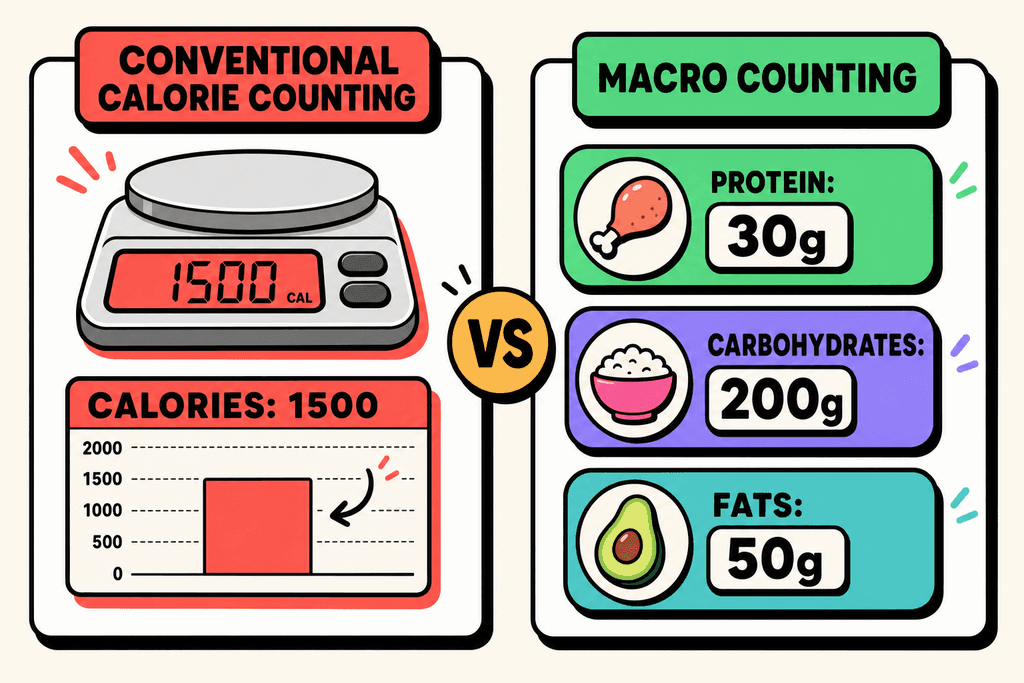
Most people think tracking food is just about counting calories, but that's only half the story. Your body doesn't just care about how much energy you're eating. It cares about where that energy comes from. This is where macro counting comes into play, and understanding it can make or break your diet goals.
The Three Macronutrients Explained
Macronutrients are the three main types of nutrients your body needs in large amounts. Each one does different jobs in your body, and each one has a different number of calories per gram.
- Protein has 4 calories per gram and helps build and repair muscles
- Carbohydrates have 4 calories per gram and give you quick energy
- Fats have 9 calories per gram and help with hormone production and vitamin absorption
When you eat 2,000 calories of mostly donuts versus 2,000 calories of chicken and vegetables, your body responds completely differently. The calorie number might be the same, but the macro breakdown changes everything from your energy levels to how full you feel.
Why Macro Balance Matters
Different goals need different macro ratios. Someone trying to build muscle needs way more protein than someone just trying to lose a few pounds. Someone training for a marathon needs more carbs than someone doing a low-carb diet.
- Weight loss usually works best with higher protein to keep you full
- Muscle gain requires lots of protein plus enough carbs for energy
- Athletic performance often needs more carbs for fuel
- General health maintenance needs a balanced approach
Apps like MyFitnessPal and Cronometer have made macro tracking popular, but they often require tons of manual input and searching through databases. With MyFoodBuddy, you can just say what you ate and the app calculates your macro count automatically using AI and USDA data.
Macro Ratios for Different Goals
Here's a simple breakdown of typical macro ratios that work for most people. These percentages show how much of your daily calories should come from each macronutrient.
| Goal | Protein | Carbs | Fats |
|---|---|---|---|
| Weight Loss | 30-40% | 30-40% | 20-30% |
| Maintenance | 25-35% | 40-50% | 25-35% |
| Muscle Gain | 25-35% | 40-60% | 15-25% |
| Low Carb | 30-35% | 10-20% | 50-60% |
These ratios aren't set in stone. Your perfect macro count depends on your body type, activity level, and personal preferences. The key is finding what works for you and sticking with it long enough to see results.
Understanding these basics helps you avoid the common mistakes that trip up new dieters. Knowing the difference between macro counting and simple calorie counting sets you up for better results from day one.
Eyeballing Portions Instead of Measuring
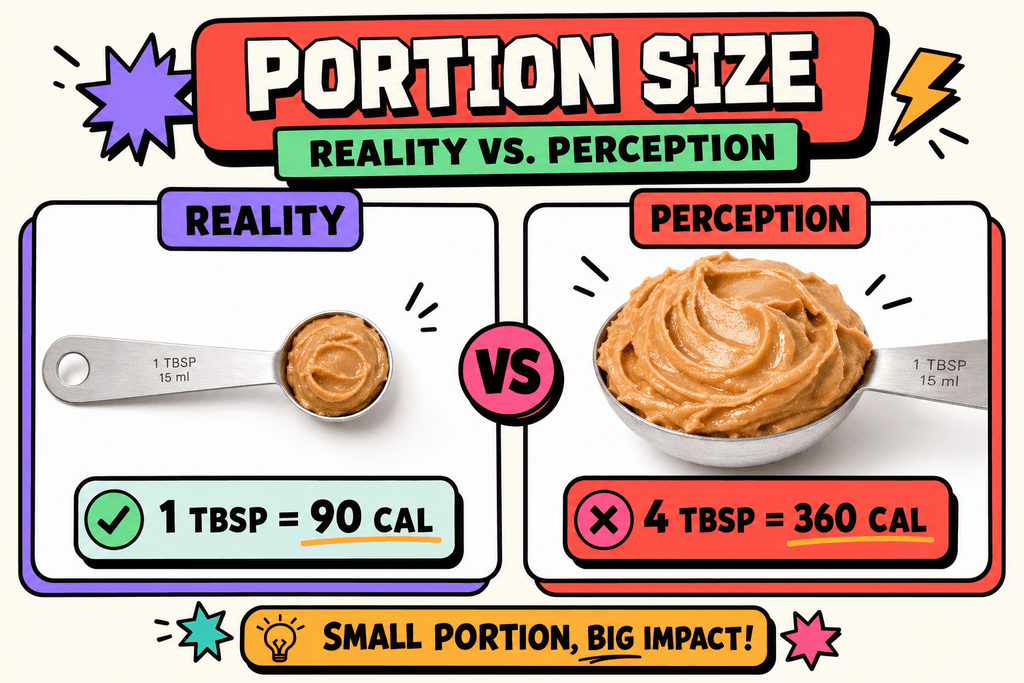
Most people think they're pretty good at guessing how much food is on their plate. Research shows that's not even close to true. Studies have found that people underestimate their portion sizes by 30-50% on average, which means you could be eating half again as many calories as you think. That's the difference between losing weight and wondering why the scale won't budge. When you're trying to hit specific macro count targets, this kind of error makes it nearly impossible to see results.
Eyeballing Portions Instead of Measuring
The problem gets worse with certain foods. A handful of nuts might look small, but it can pack 200+ calories. That "small" scoop of peanut butter is probably two or three tablespoons instead of one, adding an extra 200 calories you didn't account for.
- Pasta and rice - People typically serve themselves 2-3 times the standard portion
- Nuts and nut butters - Easy to eat 3-4 servings while thinking it's just one
- Cheese - That sprinkle is usually 2-3 ounces, not the 1 ounce you logged
- Cooking oils - A "drizzle" often means 2-3 tablespoons instead of one
- Cereal - The actual serving size looks tiny compared to what most people pour
Calorie-dense foods create the biggest problems because small measurement errors lead to huge calorie differences. Just 50 extra grams of almonds adds 300 calories to your day. Do that with a few foods and you've accidentally added 500-800 calories without realizing it.
The solution isn't to obsess over every gram of food forever. Start by measuring portions for two weeks to calibrate your eye. You'll be surprised how different actual portions look compared to what you've been eating. After that, you can eyeball most things with much better accuracy. For foods you eat regularly, take a photo of the measured portion so you have a reference.
When you log meals with MyFoodBuddy, you can describe portions in natural language like "a palm-sized chicken breast" or "a cup of rice," and the AI helps calculate reasonable estimates based on standard portions. This makes tracking easier while still keeping you accountable. If you want to learn more about how modern calorie counters handle portion accuracy, that's worth checking out.
Forgetting About Cooking Oils and Condiments
Here's something that trips up almost every new dieter. You carefully log your chicken breast, vegetables, and rice, feeling good about hitting your macros. But you forgot about the two tablespoons of olive oil you cooked everything in. That's 240 calories and 28 grams of fat that just disappeared from your tracking. Do this once or twice a day and you've got an extra 300-500 calories that don't exist in your food log.
Cooking oils are sneaky because they don't feel like "real" food. You're not eating them directly, so your brain doesn't register them the same way. But one tablespoon of any oil contains about 120 calories and 14 grams of fat. That adds up fast when you're trying to stay within your daily targets.
| Item | Serving Size | Calories | Fat (g) |
|---|---|---|---|
| Olive oil | 1 tbsp | 120 | 14 |
| Butter | 1 tbsp | 102 | 12 |
| Mayo | 1 tbsp | 94 | 10 |
| Ranch dressing | 2 tbsp | 140 | 14 |
| BBQ sauce | 2 tbsp | 60 | 0 |
| Ketchup | 1 tbsp | 20 | 0 |
Condiments are another hidden calorie bomb. That squeeze of mayo on your sandwich, the ranch dressing on your salad, the BBQ sauce on your chicken. Each one seems harmless, but they add up throughout the day. A typical person might use 3-4 different condiments daily without logging any of them.
Let's look at a real example. You make a salad for lunch thinking it's a light meal. But you add two tablespoons of ranch dressing (140 calories), some croutons (60 calories), a sprinkle of cheese (110 calories), and cook your chicken in a tablespoon of oil (120 calories). That's 430 extra calories you probably didn't log. Your "light" 300-calorie salad just became 730 calories.
The fix is simple but requires awareness. When you cook, measure your oil instead of pouring freely. Use measuring spoons for condiments instead of squeezing straight from the bottle. Better yet, when you use voice logging with MyFoodBuddy, make it a habit to mention these details naturally: "grilled chicken with a tablespoon of olive oil, side salad with two tablespoons of ranch." The app captures these details without you needing to create separate entries for every tiny ingredient. You can read more about tracking homemade meals accurately if this is something you struggle with.
Setting Unrealistic Macro Targets
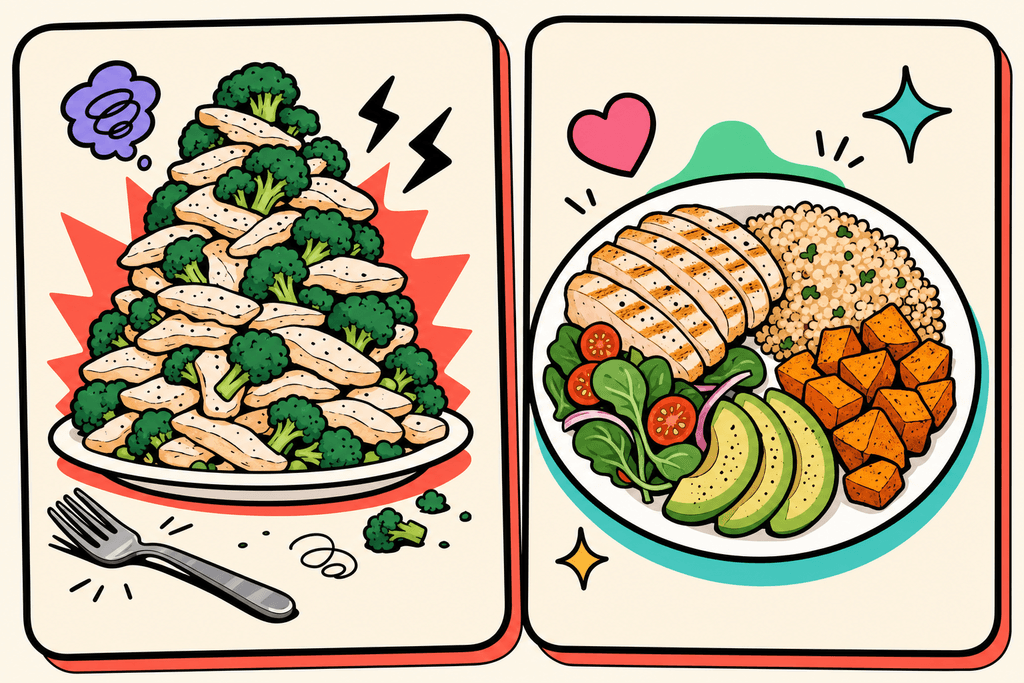
You see a fitness influencer with amazing results eating 40% protein, 30% carbs, and 30% fat, so you copy their exact macro split. Two weeks later you're miserable, constantly hungry, and already thinking about quitting. This happens all the time because people don't realize that macro targets need to match your body, lifestyle, and goals, not someone else's. What works for a 200-pound bodybuilder who trains twice a day won't work for someone just starting their fitness journey.
Setting Unrealistic Macro Targets
The biggest mistake is going too extreme too fast. Cutting carbs to 50 grams per day when you're used to eating 250 grams is a recipe for failure. Same with trying to eat 200 grams of protein when you currently eat 80. Your body needs time to adjust, and more importantly, you need to find an approach you can actually stick with for months.
Aggressive Targets vs Moderate Targets
Aggressive Approach:
- Pros: Faster initial results, clear rules
- Cons: Hard to maintain, often leads to binging, socially restrictive
Moderate Approach:
- Pros: Sustainable long-term, flexible for life events, easier to stick with
- Cons: Slower results, requires patience
Protein targets matter most for preserving muscle while losing fat. A good starting point is 0.7-1 gram per pound of body weight if you're active. But you don't need to obsess over hitting exact numbers every single day. Getting close most days is good enough.
For fats, going too low causes problems with hormone production and makes you feel terrible. Keep fats at least 20-25% of your total calories. The rest can come from carbs, which fuel your workouts and keep your energy stable throughout the day. There's no magic ratio that works for everyone.
The smart way to set macros is to calculate your TDEE first, then adjust based on whether you want to lose, maintain, or gain weight. From there, set your protein target, establish a minimum for fats, and let carbs fill in the rest. MyFoodBuddy has a TDEE calculator built in that does this automatically, so you don't have to figure it out yourself. It sets realistic targets based on your actual data instead of copying someone else's plan. For more details on setting goals that actually work, that guide breaks it down step by step.
Inconsistent Tracking Habits
You track perfectly Monday through Friday, hitting your macros and feeling great about your progress. Then the weekend hits and you don't log anything because you're eating out with friends or having a relaxed day at home. This pattern seems harmless, but it's actually one of the biggest reasons people don't see results. When you only track 5 out of 7 days, you're missing 28% of your week. That's enough to completely erase your calorie deficit and stall your progress.
The math is brutal. Let's say you're in a 500-calorie deficit during the week, which should lead to about a pound of fat loss. But on Saturday and Sunday, you eat an extra 1000 calories each day without tracking. Those two days just wiped out 4 days of your deficit. You're now only in a 500-calorie deficit for the entire week instead of 3500 calories, which means you'll lose about 0.15 pounds instead of 1 pound.
Studies show that people who track consistently 6-7 days per week are 3x more likely to reach their goals compared to those who track sporadically.
Missing just one meal per day has a compound effect too. If you skip logging breakfast every day, that's probably 300-500 calories that aren't accounted for. Over a week, that's 2100-3500 calories, which is the difference between losing a pound and maintaining your current weight.
The real problem with inconsistent tracking isn't just the extra calories. It's that you can't identify patterns or figure out what's working. Maybe you feel great on days when you eat more carbs at breakfast, but you'll never notice that pattern if you only track half your meals. You need consistent data to make informed adjustments to your plan.
- Track on weekends - This is when most people go off track
- Log everything immediately - Don't wait until the end of the day
- Use the easiest method possible - Remove friction from the process
- Don't aim for perfection - Logging an estimate is better than not logging at all
Building a sustainable tracking habit means making it as easy as possible. Traditional apps require you to search through databases, adjust serving sizes, and create custom meals. That takes time and mental energy, which is why people give up. With MyFoodBuddy's voice logging, you can track a meal in under 10 seconds by just saying what you ate. No searching, no clicking through menus, no friction. When tracking takes seconds instead of minutes, you're way more likely to do it consistently. Check out how voice-activated tracking removes the biggest barrier to consistency.
The goal isn't to track every meal perfectly forever. But during the phase where you're trying to reach a specific goal, consistent tracking gives you the data you need to succeed. Once you hit your target and understand your eating patterns, you can relax the tracking and maintain your results with less effort.
Making Macro Counting Work for You
Getting your macro count right doesn't have to be complicated, but it does require fixing a few common mistakes. We covered four big ones: eyeballing portions instead of measuring them, forgetting about cooking oils and condiments, not adjusting your targets as you lose weight, and trying to be perfect every single day. Each of these mistakes can throw off your progress without you even realizing it.
The good news is that you don't need to fix everything at once. Start with one change, like actually measuring your food for a week, and see how different your numbers look. Small improvements add up over time, and that's really what matters for long-term success.
Modern tools have made tracking your macros way easier than it used to be. Instead of spending ten minutes searching through databases and doing math, you can just say what you ate and let technology handle the rest. MyFoodBuddy does exactly this, turning voice or text input into complete nutritional breakdowns in seconds.
The difference between someone who sticks with macro counting and someone who quits usually comes down to two things: accuracy and convenience. When tracking takes too much time or feels too complicated, people stop doing it. But when you have the right system in place, it becomes just another quick habit in your day.
Whether you're just starting out or you've been tracking for a while, understanding these mistakes helps you get better results. And if you're wondering about specific situations or tools that can help, the questions below cover some of the most common concerns people have about macro counting.
Common Questions About Macro Counting
Starting a new diet can feel overwhelming, especially when you're trying to figure out the rules around macro counting. Most people have the same worries when they first start tracking their food. Here are the answers to questions that come up again and again from new dieters who want to get it right without making it harder than it needs to be.
Do I need to track macros every single day?
You don't have to be perfect, but consistency matters more than you think. Tracking most days gives you the data you need to see patterns and make progress. If you skip tracking on weekends or special occasions, you might wonder why your results aren't showing up. That said, taking a planned break once in a while won't ruin everything as long as you get back to it.
What if I go over my macros one day?
One day over your macro count won't destroy your progress. Your body looks at patterns over time, not single days. Just log it honestly and move on with your regular plan the next day. The biggest mistake is letting one bad day turn into a bad week because you feel like you already messed up.
How accurate do I really need to be?
You need to be accurate enough to see trends, but you don't need to stress over every gram. Getting within 5-10% of your targets is usually good enough for most people. Apps like MyFoodBuddy use AI to estimate portions from your descriptions, which saves time and gets you close enough without pulling out a food scale for every meal. The goal is sustainable tracking, not perfect tracking.
Should I track on weekends and holidays?
Yes, weekends count just as much as weekdays when it comes to your overall macro count. Many people eat way more on weekends without realizing it, which can cancel out their weekday progress. You can be more flexible with your food choices, but keeping track helps you stay aware. Holidays are trickier, and taking a day off here and there is fine as long as it's the exception.
Can I still eat out while tracking macros?
Eating out is totally possible when you're tracking macros. Most restaurants have nutrition info available online, or you can make educated guesses based on similar foods. Voice logging makes this easier since you can quickly say what you ate right after your meal instead of trying to remember later. The key is not avoiding restaurants but learning to estimate and log what you order.
How long before I see results from macro tracking?
Most people start seeing changes within 2-4 weeks if they're tracking consistently and hitting their targets. The first week is usually just learning the system and getting used to logging. Weight changes might take a bit longer to show up on the scale, but you'll probably notice energy levels and how your clothes fit before the numbers move. Stick with it for at least a month before deciding if your macro count targets need adjusting.
Ready to start tracking smarter?
Download MyFoodBuddy and start tracking your calories by just saying what you ate. No more searching databases or guessing portions.
Get started