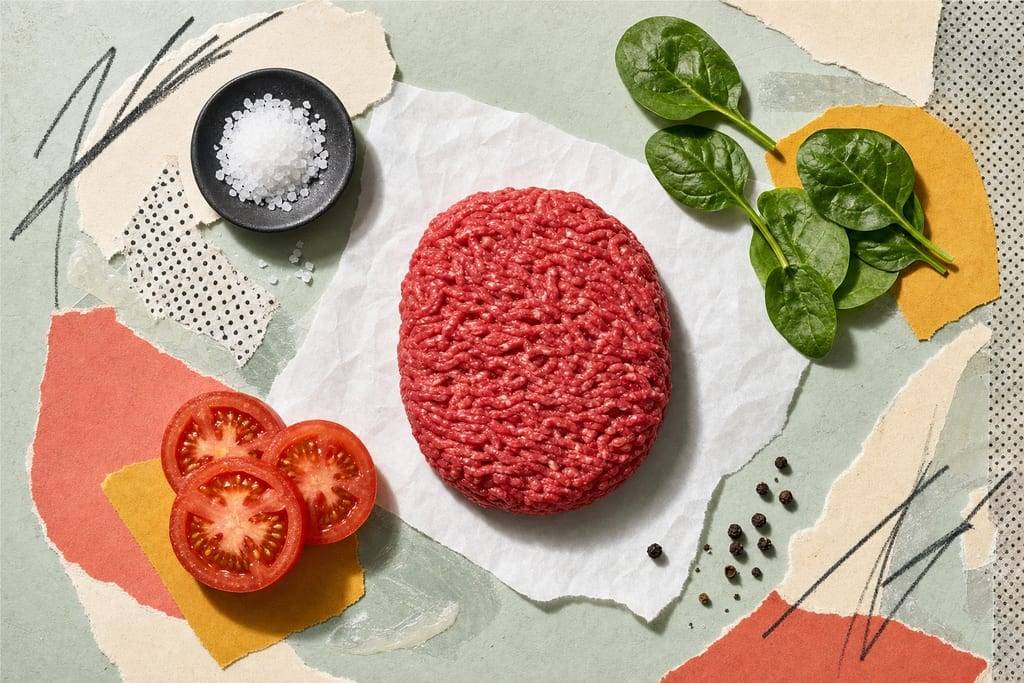
93 Lean Ground Beef Nutrition Facts Per Serving
93% lean ground beef: 4 oz raw has about 172 calories, 24g protein, 8g fat. See USDA macros raw vs cooked and log your portion right.
If you're looking up 93 lean ground beef nutrition, a 4 oz raw serving (113g) comes to roughly 172 calories, 24g protein, 8g fat and 0g carbs, according to USDA FoodData Central. Per 100g raw, that works out to about 152 calories, 21g protein and 7g fat. The number that lands on your plate will be different once you cook it, since the patty loses water and some fat drips out, which concentrates the protein into a smaller, lighter portion. Nutrition checked: November 2026, source USDA FoodData Central.
Table of Contents
Calories and Macros for Every Beef Portion
Once you move past the standard 4 oz package serving, the numbers shift in ways worth knowing. A pan-browned 3 oz portion (85g) runs about 159 calories, 22g protein and 7g fat, while 100g cooked comes to roughly 187 calories, 26g protein and 9g fat.
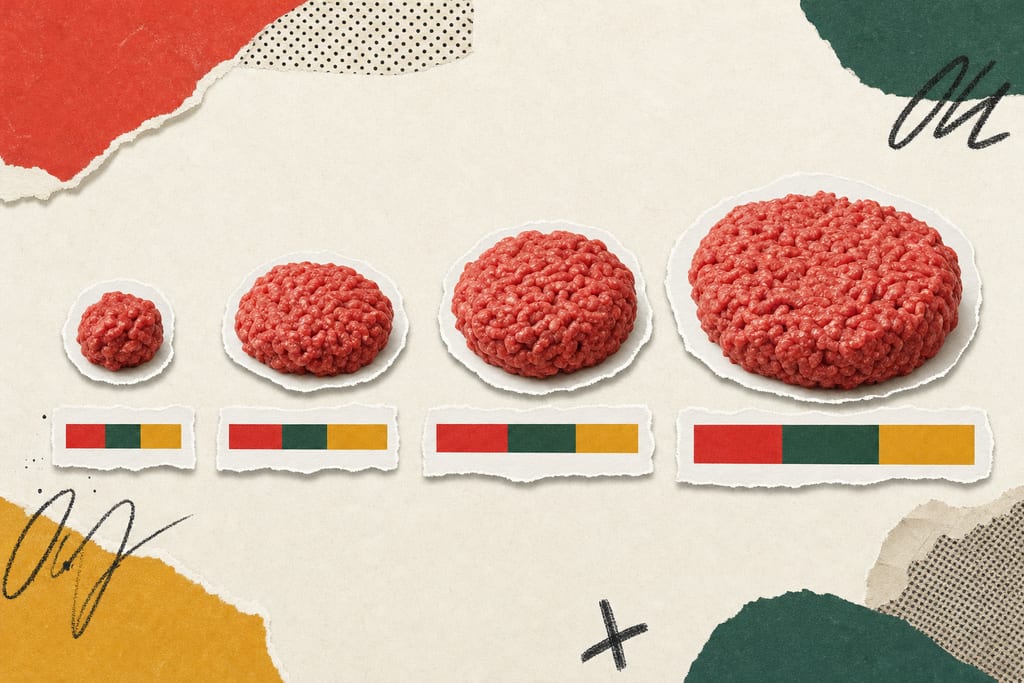
Buying by the pound? A full raw pound (454g) lands near 690 calories and 96g protein, which is most of a day's protein target for a lot of people in one package.
| Portion | Calories | Protein | Fat |
|---|---|---|---|
| 3 oz raw (85g) | 129 | 18g | 6g |
| 3 oz cooked (85g) | 159 | 22g | 7g |
| 100g cooked | 187 | 26g | 9g |
| 1 lb raw (454g) | 690 | 96g | 32g |
Plain ground beef has zero carbs and zero fiber, so every carb and almost all the sodium in your meal comes from the bun, the sauce or the seasoning packet. Values above are from USDA FoodData Central. Nutrition checked: November 2026. Store-brand labels sometimes round a little differently than the USDA generic entry, so a 170 on your package is fine.
Raw Weight vs What Lands on Your Plate
Log the weight you actually measured, not the one you guessed at. Ground beef loses roughly a quarter of its weight during cooking as water and a bit of fat cook off, which is why cooked beef shows more calories and protein per ounce than raw.
A pound of raw 93/7 usually yields around 12 oz cooked. So a 4 oz cooked serving started life as about 5.3 oz raw, and draining the pan barely changes the math at this lean ratio, unlike 80/20.
- Weigh raw and log raw, or weigh cooked and log cooked, but never mix the two in one week.
- For meal prep, cook the whole pound, weigh the finished batch, then divide by the number of servings.
- Write the raw package weight on a sticky note before it goes in the pan.
- Say "5 ounces of 93 percent lean ground beef" into foodbuddy and the macros come back pulled from USDA data.
Pick one habit this week and the daily totals stop drifting. Mixing raw and cooked entries is one of the common mistakes with hamburger calories that quietly adds up.
93 vs 85 vs 80 Lean When You Are Cutting
Per 4 oz raw, 93/7 runs about 172 calories while 80/20 runs about 287, per USDA FoodData Central.
Protein barely moves across the three ratios. The gap is almost entirely fat, so leaner beef gives you more protein per calorie, which matters when hunger is what breaks your deficit.
- Swapping 80/20 for 93/7 at dinner saves over 100 calories with no change to portion size.
- A tablespoon of oil added to keep lean beef from drying out is another 120 calories, logged separately.
- An ounce of shredded cheddar stirred in costs about as much as the fat you just saved.
Leaner beef does dry out faster, so cook it in a nonstick pan over medium heat and pull it the moment the pink is gone. Taco seasoning, salsa or a splash of broth adds moisture for almost nothing.
Pick Raw or Cooked Tonight and Stick With It
Make the call before dinner: raw weight or cooked weight. Pull out the scale once, weigh what you're actually eating, and that number is your answer for every beef meal from here. No more eyeballing a handful of browned meat and hoping. Save it as a meal and the next time it's one tap. Or say the portion out loud in foodbuddy and keep moving while the pan is still hot. The app is free for 7 days, then $39 a year. One decision tonight, and your weekly totals finally mean something.
More On 93 Percent Lean Beef
Does 93% lean mean only 7% of the calories come from fat?
No. The 93/7 label refers to weight, not calories. Seven grams of fat in a 100g raw portion is a small slice of the weight, but fat carries more than twice the calories per gram as protein. So fat still supplies roughly 40 percent of the calories in that portion, even though the package says 7 percent.
How do I log 93% lean beef once it is mixed into chili, tacos or meatballs?
Log the beef on its own, then log each other ingredient separately. Weigh the raw meat before it goes into the pot, divide the finished dish into equal servings, and record your share. For meatballs, the breadcrumbs and egg add calories the beef entry will not catch, so they need their own line.
Do grass-fed or organic 93% lean beef have different macros than regular?
At the same lean ratio, calories and protein are close to identical. Grass-fed beef has a slightly different fat profile, with more omega-3s, but the total fat grams are set by the 93/7 grind, not the diet of the cow. Organic refers to farming practice and changes nothing on the nutrition panel.
Ready to start tracking smarter?
Download MyFoodBuddy and start tracking your calories by just saying what you ate. No more searching databases or guessing portions.
Get started