
How Many Calories Is Steak In Your Lunchbox
Discover steak calories by cut and portion size. Learn how to track your steak intake easily and hit your nutrition goals without the guesswork.
The Steak Calorie Mystery
That juicy steak in your lunchbox might be sabotaging your diet goals without you even knowing it. A 6-ounce ribeye packs nearly three times the calories of the same amount of sirloin, yet most people underestimate how many calories is steak by 30-40% when they're tracking their meals. Whether you're trying to lose weight or build muscle, knowing exactly what's in that steak matters more than you think.
Table of Contents
Why Steak Calories Matter for Your Goals
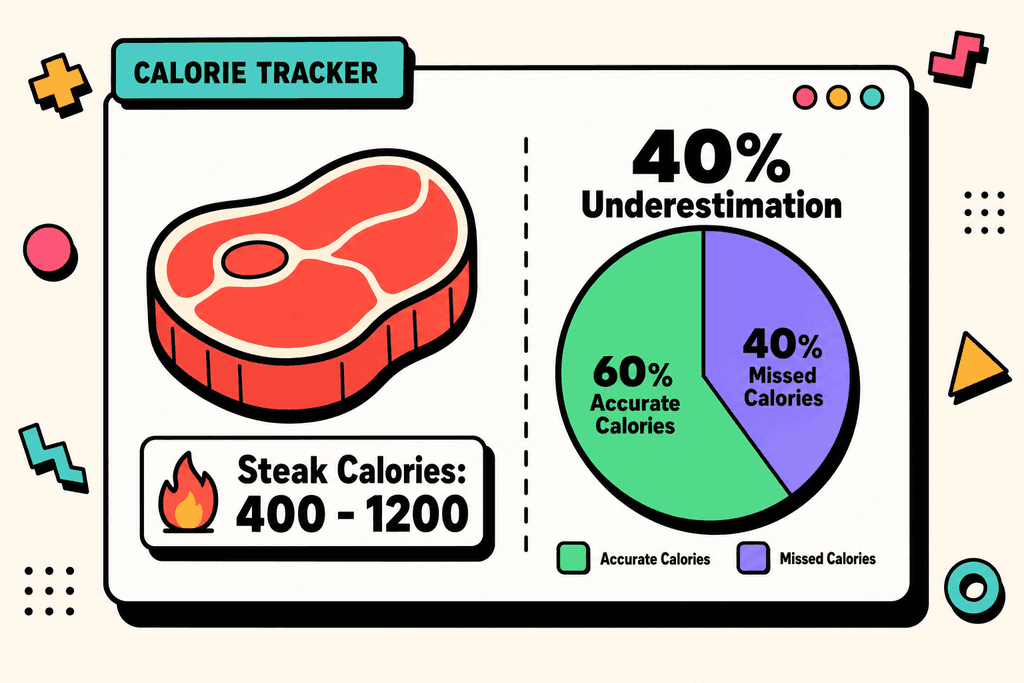
Most people think they know how many calories is steak, but studies show that restaurant-goers underestimate their steak portions by an average of 40%. That's a huge gap when you're trying to hit specific weight loss or muscle-building targets. A typical steakhouse serving can pack anywhere from 400 to 1,200 calories depending on the cut and size, which means one meal could blow through half your daily calorie budget without you realizing it.
Average Americans eat 57 pounds of beef per year, with steak being one of the most popular choices for lunch and dinner meals.
The Protein Power Problem
Steak is one of the best protein sources you can eat, but it comes with a catch. While you're getting quality protein for muscle recovery and growth, you're also getting varying amounts of fat depending on which cut you choose. The difference between a lean sirloin and a marbled ribeye can be over 300 calories for the same portion size.
Here's what makes tracking steak tricky:
- Restaurant portions are typically 8-12 ounces, while a standard serving is just 3 ounces
- Cooking methods add hidden calories through oils, butter, and marinades
- Marbling and fat content vary even within the same cut of meat
- Most people eyeball portions instead of weighing them accurately
Research shows people underestimate restaurant meal calories by up to 600 calories per meal, with steak dishes being among the most commonly misjudged items.
Not All Steaks Are Created Equal
The cut you choose makes a massive difference in your daily calorie intake. A 6-ounce filet mignon has about 348 calories, while the same amount of ribeye clocks in at around 544 calories. That's nearly 200 extra calories just from picking a different cut.
| Steak Cut | Calories (6 oz) | Protein (g) | Fat (g) |
|---|---|---|---|
| Eye of Round | 276 | 48 | 8 |
| Sirloin | 312 | 46 | 12 |
| Filet Mignon | 348 | 42 | 18 |
| New York Strip | 456 | 44 | 28 |
| Ribeye | 544 | 42 | 40 |
Why Quick Tracking Matters
Traditional calorie tracking apps make logging steak a pain because you need to search through dozens of entries, pick the right cut, measure the portion, and account for cooking methods. This is where tools like MyFoodBuddy help by letting you simply say what you ate and handling the calculations automatically. When you're trying to stay consistent with tracking, spending five minutes logging one meal usually means you'll give up within a week.
The reality is simple:
- Accurate tracking requires knowing exact portions and cuts
- Most people quit tracking because it takes too much time
- Small daily errors add up to big weekly calorie miscalculations
Calories by Steak Cut
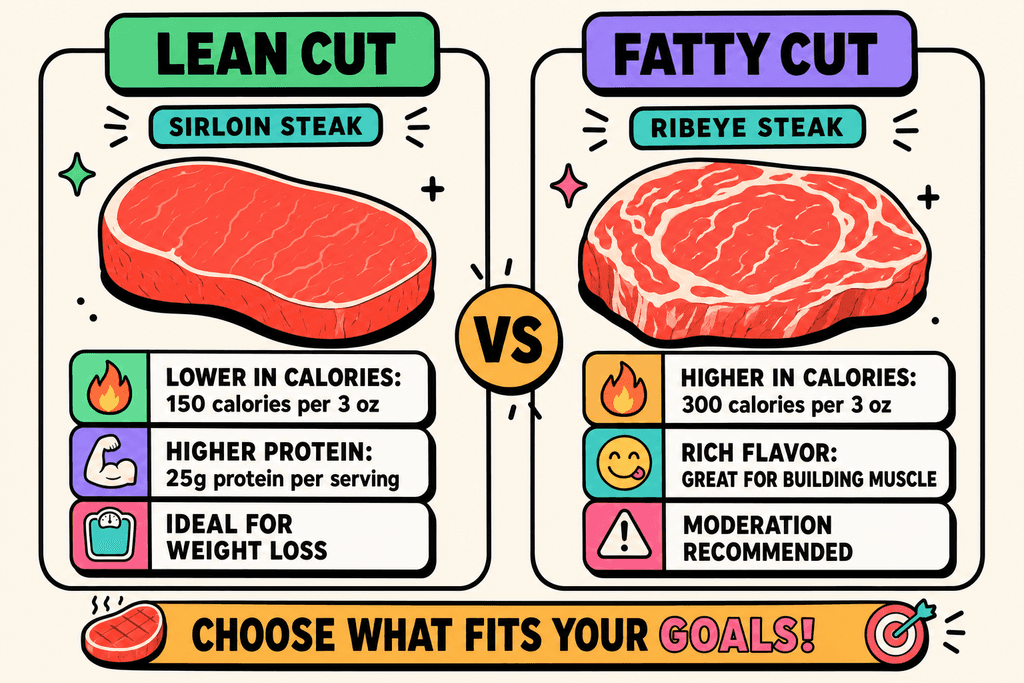
A 3-ounce serving of ribeye steak packs around 210 calories, while the same amount of sirloin comes in at about 180 calories. That might not sound like a huge difference, but when you're tracking your daily intake, those 30 calories add up fast. The reason for this gap comes down to one thing: marbling. Those white streaks of fat running through a ribeye make it taste amazing, but they also bump up the calorie count compared to leaner cuts.
Filet mignon sits somewhere in the middle at roughly 200 calories per 3 ounces. It's tender and has less visible fat than ribeye, but it's not as lean as sirloin.
| Steak Cut | Calories (3 oz) | Protein (g) | Fat (g) |
|---|---|---|---|
| Ribeye | 210 | 23 | 12 |
| Sirloin | 180 | 26 | 8 |
| Filet Mignon | 200 | 24 | 10 |
| Flank Steak | 160 | 24 | 6 |
| T-Bone | 190 | 24 | 9 |
The marbling in your steak is basically intramuscular fat, and it directly affects how many calories you're eating. A heavily marbled ribeye can have twice the fat content of a lean flank steak. If you're trying to keep calories lower while still getting your protein, lean cuts like sirloin or flank steak are your best bet. But if you're saving up your calories for a special meal, that marbled ribeye might be worth it.
Portion Size Reality Check
Here's where things get tricky. Most nutrition labels and calorie counts are based on a 3-ounce serving of steak. But when was the last time you actually ate just 3 ounces? That's about the size of a deck of cards or the palm of your hand. Most restaurants serve steaks that are 8 to 12 ounces, sometimes even bigger. That means you could be eating three to four times the "standard" portion without realizing it.
A 4-ounce sirloin has about 240 calories. Double that to 8 ounces and you're looking at 480 calories, just from the meat. Add in the butter they probably cooked it with and any sides, and your lunch is pushing 700 to 800 calories before you know it.
- 3 ounces: About the size of a deck of cards (180-210 calories)
- 6 ounces: Two decks of cards stacked (360-420 calories)
- 8 ounces: Standard restaurant portion (480-560 calories)
- 12 ounces: Large steakhouse serving (720-840 calories)
If you don't have a food scale handy, you can estimate portions using your hand. Your palm (not including fingers) is roughly 3 to 4 ounces of meat. Restaurant portions are typically two to three palms worth of steak. That's a lot more than most people think they're eating, which is why tracking becomes so important if you're trying to manage your weight.
Cooking Methods Change Everything
The way you cook your steak can add anywhere from 50 to 200 extra calories to your meal. A plain grilled steak without any added fat keeps the calorie count close to the raw numbers. But pan-frying in butter or oil? That's a different story. Just one tablespoon of butter adds 100 calories, and most people use more than that when they're cooking a steak in a pan.
Marinades can sneak in extra calories too, especially if they contain sugar or oil. A teriyaki marinade might add 50 to 100 calories depending on how much soaks into the meat. Dry rubs with just spices won't change the calorie count much, but anything with a liquid base probably will.
Calorie Impact by Cooking Method:- Grilled (no added fat): Base calories only
- Pan-fried with 1 tbsp oil: Add 120 calories
- Pan-fried with 1 tbsp butter: Add 100 calories
- With sugary marinade: Add 50-100 calories
Trimming visible fat before cooking saves you calories, but most of the fat in a marbled steak is inside the meat, not on the edges. Cutting off that outer rim of fat might save you 30 to 50 calories, but it won't turn a ribeye into a sirloin. The cooking method you choose matters more than most people realize when figuring out how many calories is steak in your actual meal.
Tracking Steak Without the Hassle
Traditional calorie tracking apps make you search through databases, measure everything, and manually enter each ingredient. If you had a steak with roasted vegetables and a baked potato for lunch, you're looking at five to ten minutes of data entry. You have to find the right cut of steak, estimate the portion size, add the cooking oil, log each vegetable separately, and hope you got it all right. It's exhausting, and it's why most people give up on tracking after a few weeks.
Voice logging changes this completely. Instead of typing and searching, you just say what you ate. Something like "8-ounce ribeye with butter, roasted broccoli, and a small baked potato" takes about five seconds to say. MyFoodBuddy uses AI to figure out the calories automatically, pulling from USDA data to give you accurate numbers without the manual work.
| Method | Time Required | Accuracy |
|---|---|---|
| Manual entry | 5-10 minutes | Depends on user |
| Voice logging | 5-10 seconds | AI-powered |
The app handles all the math for you, including adjustments for cooking methods and portion sizes. You don't need to know that your steak was cooked in butter or that the restaurant portion was probably 10 ounces instead of 8. Just describe what you ate in normal language, and the AI figures out the rest. This is especially helpful for steak because the calorie count varies so much based on the cut, size, and preparation.
If you're tired of spending more time logging your food than actually eating it, tracking your caloric and protein intake efficiently doesn't have to be complicated. The same approach works whether you're logging calories in corned beef hash or trying to figure out the lowest calorie fast food meals when you're eating out. The goal is to make tracking so easy that you actually stick with it long enough to see results.
Making Steak Work for Your Goals
The difference between steak fitting into your diet and completely derailing it often comes down to just a few simple choices. Most people think they need to avoid steak entirely when trying to lose weight, but that's not true at all. The real trick is understanding which cuts work for your specific goals and how to balance them with the rest of your day. Whether you're trying to build muscle, lose fat, or just maintain your current weight, steak can absolutely be part of your meal plan if you approach it the right way.
Fitting Steak Into a Calorie Deficit
When you're eating fewer calories than you burn, every food choice matters more. Steak doesn't have to be off-limits, but you need to be smart about portions and preparation methods.
- Stick to 4-6 oz portions instead of the full 8-10 oz restaurant serving
- Skip the butter basting and oil-heavy marinades that add hidden calories
- Choose grilling, broiling, or air frying over pan-frying in fat
- Load up your plate with low-calorie vegetables to stay full without extra calories
The key is making steak the protein centerpiece without letting it dominate your entire calorie budget. A 5 oz sirloin at around 300 calories leaves plenty of room for other foods throughout your day.
Matching Cuts to Your Macros
Different cuts of steak have wildly different macro profiles, and choosing the right one can make or break your daily targets. If you're tracking protein, fat, and carbs, you need to know which cuts align with your goals.
| Goal | Best Cuts | Why It Works |
|---|---|---|
| High Protein, Low Fat | Eye of round, sirloin tip | Lean cuts maximize protein |
| Balanced Macros | Top sirloin, flank | Moderate fat, good protein |
| Higher Fat Intake | Ribeye, NY strip | More calories from fat |
Apps like MyFoodBuddy make this easier by letting you just say what you ate and automatically calculating the macros for you. No more searching through databases or guessing portion sizes.
Balancing Your Daily Food Intake
Having steak for lunch means adjusting the rest of your day accordingly. You can't just add a 600-calorie ribeye on top of your normal eating and expect to hit your goals.
- Plan lighter meals around your steak meal to stay within your calorie target
- If you have fatty steak at lunch, choose leaner proteins for dinner
- Save higher-calorie cuts for days when you're more active or have extra room in your budget
- Track everything so you know exactly where you stand by the end of the day
When to Choose Lean Versus Fatty Cuts
The lean versus fatty debate isn't about one being better than the other. It's about matching your choice to your situation and goals for that specific day.
Steak Selection Checklist
Choose Lean Cuts When:
- You're in a calorie deficit and need to maximize protein while minimizing calories
- You want to eat a larger portion without using up your entire calorie budget
- You're having higher-fat foods at other meals that day
- You're trying to hit a specific protein target without going over on fat
Choose Fatty Cuts When:
- You have extra calories to work with and want something more satisfying
- You're following a higher-fat diet approach
- You're eating a smaller portion and want maximum flavor
- The rest of your day includes mostly lean proteins and you need more dietary fat
The bottom line is that tracking makes all of this possible. When you know exactly how many calories is steak taking up in your daily budget, you can make informed decisions instead of guessing and hoping for the best.
Your Steak, Your Way
So now you know the answer to how many calories is steak in your lunchbox. It really depends on the cut you choose, how big your portion is, and what you add to it. A lean sirloin will save you calories compared to a marbled ribeye, but both can fit into your eating plan when you know the numbers. The key is understanding what you're actually eating instead of guessing.
Tracking your steak doesn't have to mean pulling out a food scale every time or spending five minutes searching through databases. Tools like MyFoodBuddy let you just say what you ate and handle the math for you. Whether you're trying to track your caloric and protein intake efficiently or just want to know where your calories are coming from, accurate logging makes everything easier.
The truth is that steak can work for almost any goal. Trying to build muscle? That protein helps. Watching calories? Pick a leaner cut and watch your portions. Even if you're comparing it to other protein sources or wondering about lowest calorie fast food meals, steak holds its own when you choose wisely.
Once you understand the basics of cuts and portions, you're in control. No more wondering if your lunch just blew your whole day's budget. You'll know exactly what that steak brings to the table, and you can plan the rest of your meals around it without stress.
Common Steak Calorie Questions
Tracking steak calories can feel confusing when you're trying to stay on top of your nutrition goals. Different cuts, cooking methods, and portion sizes all affect the final calorie count, and most people have similar questions when they start paying attention to what's actually in their lunchbox. Here are the answers to the most common steak calorie questions that come up when you're trying to track your meals accurately.
How many calories in an 8oz ribeye?
An 8oz ribeye steak typically contains between 544 and 680 calories, depending on how much fat is marbled throughout the meat and whether you trim the outer fat cap. The ribeye is one of the fattier cuts, which is why the calorie range can vary so much. If you're tracking with MyFoodBuddy, you can just say "8 ounce ribeye steak" and the app will calculate the nutritional values based on USDA data without you having to guess.
Is steak good for weight loss?
Steak can absolutely support weight loss goals because it's high in protein, which keeps you full longer and helps maintain muscle mass while you're in a calorie deficit. The key is choosing leaner cuts like sirloin or tenderloin and watching your portion sizes. A 6oz sirloin has about 360 calories and 50 grams of protein, making it a solid choice for anyone trying to lose weight without feeling hungry all the time.
Does trimming fat reduce calories significantly?
Yes, trimming visible fat from your steak can save you anywhere from 50 to 150 calories depending on the cut and how much fat you remove. A ribeye with all the fat trimmed off can have about 100 fewer calories than one eaten with the fat cap intact. This matters more for fattier cuts like ribeye and T-bone than it does for already-lean cuts like sirloin.
How do I track steak at restaurants?
Restaurant steaks are tricky because they often come with butter, oil, or seasonings that add hidden calories you can't see. Your best bet is to estimate the portion size (most restaurant steaks are 8-12oz) and add about 100-150 extra calories to account for cooking fats. With MyFoodBuddy, you can simply say "10 ounce restaurant ribeye with butter" and the AI will factor in those extras automatically, which beats spending five minutes scrolling through databases on other apps.
What's the leanest steak cut?
Eye of round and sirloin tip are the leanest cuts, with eye of round containing only about 276 calories per 6oz serving. Other lean options include top sirloin, tenderloin, and flank steak. These cuts have less marbling, which means fewer calories but they can be tougher if you overcook them.
Do I weigh steak before or after cooking?
You should weigh steak before cooking for the most accurate calorie count because USDA nutritional data is based on raw weight. Steak loses about 25% of its weight during cooking due to water and fat loss, so a 6oz cooked steak was probably closer to 8oz raw. If you only have the cooked weight, you can multiply it by 1.3 to estimate the raw weight, but weighing beforehand is always more accurate.
Ready to start tracking smarter?
Download MyFoodBuddy and start tracking your calories by just saying what you ate. No more searching databases or guessing portions.
Get started