
Five Ways Calories in Eggplant Fill Your Dinner Plate
Discover how calories in eggplant help weight loss. Low-calorie, filling recipes that satisfy hunger without sabotaging your goals.
You've probably skipped eggplant at the grocery store a hundred times, but this purple vegetable might be the easiest way to cut calories without feeling like you're on a diet. At just 20-25 calories per cup, eggplant lets you pile your plate high while other dieters are measuring tiny portions and counting every bite. If you're tired of apps like MyFitnessPal making you weigh and log every ingredient, tracking calories in eggplant is refreshingly simple with tools like MyFoodBuddy that let you just say what you ate.
Table of Contents
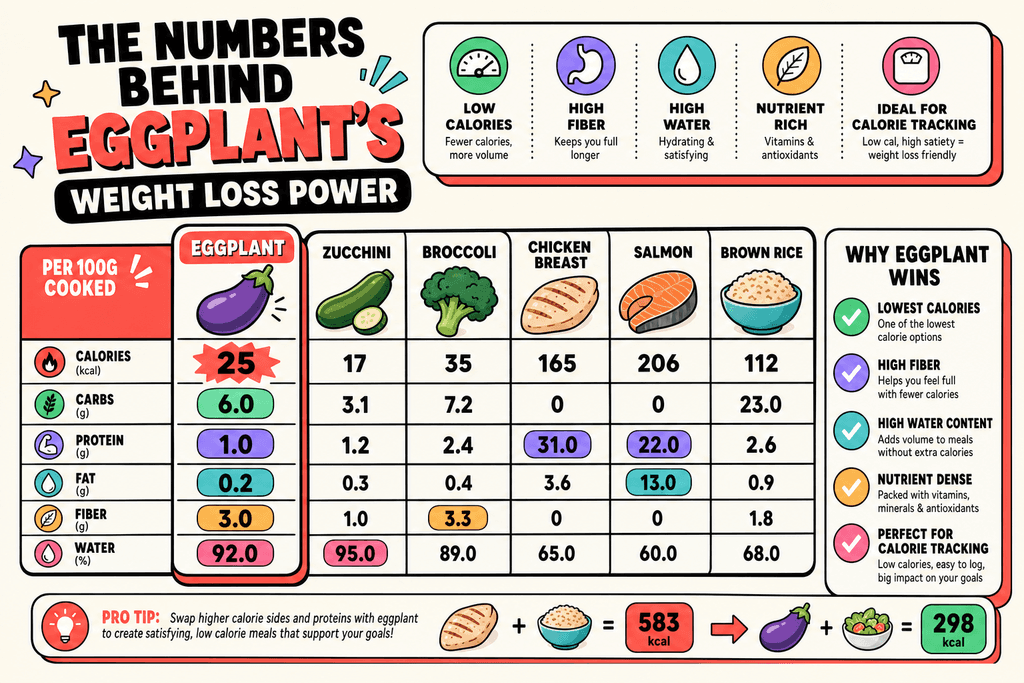
The Numbers Behind Eggplant's Weight Loss Power
A single cup of cooked eggplant contains just 35 calories, making it one of the lowest-calorie vegetables you can add to your dinner plate. When you're trying to lose weight or maintain a healthy diet, understanding these numbers matters because they help you eat more food while staying within your calorie goals. Eggplant is made up of about 92% water, which means you can fill your plate without filling out your waistline. Apps like MyFitnessPal and Cronometer have been tracking these numbers for years, but with MyFoodBuddy, you can simply say "I ate grilled eggplant" and let the AI handle the math for you.
How Eggplant Stacks Up Against Other Vegetables
Looking at the calories in eggplant compared to other dinner staples shows why it's such a smart choice. The difference between eating a cup of eggplant versus a cup of corn could mean an extra 100 calories you didn't need.
| Food (1 cup cooked) | Calories | Fiber (g) | Water Content |
|---|---|---|---|
| Eggplant | 35 | 2.5 | 92% |
| Zucchini | 27 | 2.0 | 94% |
| Broccoli | 55 | 5.1 | 89% |
| Carrots | 55 | 4.7 | 88% |
| Corn | 143 | 4.2 | 73% |
| Potatoes | 134 | 3.2 | 77% |
Why Volume Eating Works for Weight Loss
The secret to feeling full while losing weight is eating foods that take up space in your stomach without adding tons of calories. This is called volume eating, and eggplant is perfect for it.
- High water content stretches your stomach and triggers fullness signals
- Fiber slows down digestion so you stay satisfied longer
- Low calorie density means you can eat larger portions
- More chewing time gives your brain a chance to register that you're eating
The Protein Comparison That Matters
When you pair eggplant with protein sources, you create meals that keep you full without breaking your calorie budget. Here's how the calories in eggplant compare to common dinner proteins.
| Protein Source (3 oz) | Calories | Protein (g) | Fat (g) |
|---|---|---|---|
| Chicken Breast | 140 | 26 | 3 |
| Ground Beef (90% lean) | 184 | 22 | 10 |
| Salmon | 177 | 19 | 11 |
| Tofu | 94 | 10 | 6 |
Adding a full cup of eggplant to any of these proteins only adds 35 calories but doubles the volume on your plate. This simple swap helps you feel more satisfied while staying within your daily calorie goals, which is exactly what makes tracking with apps like MyFoodBuddy so effective for long-term success.
Swap High-Calorie Carbs for Eggplant Alternatives
A single cup of cooked eggplant has only 35 calories, which makes it one of the best vegetables for anyone trying to lose weight. Most people don't realize how easy it is to use eggplant instead of pasta, bread, and other carbs that can pack hundreds of extra calories into a meal. The texture of eggplant works surprisingly well as a substitute because it soaks up flavors and has enough substance to feel satisfying. You don't need to be a chef to make these swaps work in your kitchen.
Eggplant lasagna is probably the easiest swap to start with. Instead of using pasta sheets, you slice eggplant lengthwise and layer it with your regular sauce and cheese. This simple change saves over 300 calories compared to traditional lasagna, and most people can't even tell the difference once everything is baked together.
- Eggplant pizza crust cuts your calorie intake in half while still giving you that pizza experience you're craving
- Grilled eggplant steaks can replace a high-calorie meat portion and save you 200-400 calories per serving
- Eggplant noodles work great in stir-fries and save about 180 calories compared to regular noodles
- Breaded eggplant rounds make a satisfying sandwich base that's way lighter than bread
The prep work is simpler than you might think. Just slice the eggplant, salt it for 15 minutes to remove bitterness, pat it dry, and cook it however you want. No fancy techniques required.
| Food Swap | Regular Version | Eggplant Version | Calories Saved |
|---|---|---|---|
| Lasagna (1 serving) | 450 calories | 140 calories | 310 calories |
| Pizza crust (1 slice) | 285 calories | 145 calories | 140 calories |
| Steak dinner | 680 calories | 280 calories | 400 calories |
Build Volume Packed Meals That Keep You Full
The secret to losing weight without feeling hungry all the time is eating foods that take up a lot of space on your plate but don't have many calories. Eggplant is perfect for this because one medium eggplant weighs about a pound but only has around 115 calories total. When you roast it, the eggplant gets even bigger and fluffier, which tricks your brain into thinking you're eating way more food than you actually are. This is why adding eggplant to your meals can help you stick to your calorie goals without that awful empty stomach feeling an hour after dinner.
Roasting eggplant at 425 degrees for 25-30 minutes brings out a sweet, almost meaty flavor that makes it taste way better than the mushy, bland eggplant some people remember from childhood. Cut it into chunks, toss with a tiny bit of oil, and let your oven do the work.
The real magic happens when you combine eggplant with protein. A piece of grilled chicken or fish alongside roasted eggplant creates a balanced meal that keeps you satisfied for hours. The protein slows down digestion while the eggplant fills up your stomach, and together they prevent those late-night snack attacks that derail your progress.
- Use eggplant as a base layer under smaller portions of pasta or rice to stretch the meal
- Mix roasted eggplant cubes into grain bowls to add volume without adding many calories
- Layer eggplant under your protein to make the plate look fuller
- Add eggplant to soups and stews to make them more filling
Meal prep makes everything easier. Roast three or four eggplants on Sunday, store them in containers, and you've got ready-to-eat vegetables for the whole week. Just reheat and add to whatever you're making.
| Cooking Method | Calories Added | Fullness Rating | Best For |
|---|---|---|---|
| Roasted (light oil) | +40 per serving | High | Meal prep |
| Grilled (no oil) | +0 per serving | Medium-High | Quick dinners |
| Steamed | +0 per serving | Medium | Mixing into dishes |
| Fried | +200 per serving | High | Occasional treats |
Master Quick Eggplant Recipes for Busy Weeknights
Nobody has time to spend an hour cooking dinner after a long day at work. These five eggplant recipes take less than 30 minutes from start to finish, and none of them require fancy ingredients or cooking skills. The best part is that each one keeps the calories in eggplant low while making your dinner feel like something special. You can rotate through these recipes all week and never get bored.
Eggplant stir-fry is the fastest option. Cut the eggplant into cubes, spray a pan with cooking spray instead of pouring oil, and cook it with garlic, ginger, and soy sauce for about 12 minutes. Add whatever vegetables you have in your fridge and serve over a small portion of rice.
- Sheet Pan Roasted Eggplant - Chop eggplant and other vegetables, spread on a pan, season, and roast for 25 minutes while you do other things
- Lighter Eggplant Parmesan - Skip the breading, use less cheese, and bake instead of frying to save 300+ calories
- Grilled Eggplant Bowls - Grill thick eggplant slices and top with hummus, tomatoes, and a protein of your choice
- Eggplant and Chickpea Curry - Simmer eggplant in curry sauce with chickpeas for a filling vegetarian meal
- Balsamic Glazed Eggplant - Pan-cook eggplant and finish with balsamic vinegar for a sweet-tangy side dish
Tracking these meals used to be a pain because you'd have to calculate every ingredient separately. But with MyFoodBuddy, you can just say what you ate and the app figures out the calories for you. If you're interested in simplifying calorie counting for homemade meals, voice input makes it so much easier than typing everything out.
Track Eggplant Meals Without the Hassle
Even though eggplant itself is super low in calories, the way you cook it can change everything. A cup of plain roasted eggplant has about 35 calories, but that same cup deep-fried and breaded can jump to over 200 calories. This is why tracking matters even with vegetables that seem healthy. The oil, cheese, and sauces you add can turn a light meal into a calorie bomb without you realizing it. Understanding these differences helps you make better choices without giving up the foods you actually enjoy.
Raw eggplant and cooked eggplant have different calorie counts because cooking removes water and concentrates the vegetable. A cup of raw eggplant cubes has about 20 calories, while a cup of cooked eggplant has around 35 calories because it's more compact.
- One tablespoon of olive oil adds 120 calories to your eggplant dish
- Breading and frying can add 150-200 calories per serving
- A quarter cup of parmesan cheese adds about 110 calories
- Tomato sauce typically adds 20-40 calories depending on the brand
Most calorie tracking apps make you search through databases and measure everything precisely, which takes forever and makes you want to quit. MyFoodBuddy handles mixed dishes differently because the AI understands context. You can say "I had eggplant parmesan with a side salad" and it figures out the approximate calories based on typical recipes. For more on how AI helps you count calories without the hassle, the voice input feature saves you several minutes per meal.
| Cooking Method | Base Eggplant | Added Calories | Total Per Cup |
|---|---|---|---|
| Steamed | 35 calories | 0 calories | 35 calories |
| Roasted (1 tsp oil) | 35 calories | 40 calories | 75 calories |
| Grilled (no oil) | 35 calories | 0 calories | 35 calories |
| Fried (breaded) | 35 calories | 180 calories | 215 calories |
The difference between success and giving up often comes down to how easy it is to track your food. When logging meals takes 30 seconds instead of 5 minutes, you're way more likely to stick with it long enough to see real results. If you want to learn about maintaining a delicious and nutritious 1500 calorie daily diet, keeping track of vegetables like eggplant helps you stay full while hitting your calorie targets.
Your Next Steps with Eggplant and Weight Loss
The calories in eggplant make it one of the easiest vegetables to work into your weight loss plan without feeling like you're sacrificing anything. You don't need to overhaul your entire diet tomorrow. Just pick one meal this week where you can swap in eggplant for something heavier, like using grilled eggplant slices instead of bread for a sandwich or roasting it as a side instead of fries. That one change might surprise you with how full you feel on fewer calories.
The real trick is tracking what you eat so you actually know where your calories are going. Most people guess wrong about portion sizes and end up either eating too much or too little. MyFoodBuddy makes tracking simple because you can just say what you ate and the app figures out the rest, which removes the biggest reason people quit tracking after a few days.
Eggplant won't magically melt fat off your body. But it does make staying in a calorie deficit way easier because you can eat a decent amount without blowing your daily budget. When you combine low-calorie foods like eggplant with consistent meal tracking, you start seeing patterns in what keeps you full versus what leaves you hungry an hour later.
The questions below cover some common things people wonder about when they start adding more eggplant to their meals and trying to lose weight.
Common Questions About Calories in Eggplant
Eggplant seems simple enough, but people still have plenty of questions about how it fits into their calorie goals. Whether you're trying to lose weight or just eat healthier, understanding the basics helps you make better choices. Here are the most common questions we hear about tracking calories in eggplant and how to make this veggie work for your diet.
How many calories are in a whole eggplant?
A medium-sized eggplant weighs about one pound and contains roughly 110 calories total. That's incredibly low for such a filling vegetable, which is why it's perfect for bulking up meals without adding much to your daily calorie count. The exact number varies slightly based on the size and variety, but you're looking at about 20-25 calories per cup of raw eggplant.
Does cooking eggplant add a lot of calories?
The cooking method makes a huge difference here. Eggplant acts like a sponge and soaks up whatever oil or fat you cook it in, which can turn a low-calorie food into a calorie bomb fast. Frying eggplant in oil can add 300-400 calories per serving, while roasting with a light spray of oil might only add 30-50 calories. Grilling or baking eggplant without oil keeps it under 35 calories per cup, making it the best choice for weight loss.
Can I eat unlimited eggplant on a diet?
While eggplant is very low in calories, eating unlimited amounts of anything isn't really a balanced approach. You still need protein, healthy fats, and other nutrients that eggplant doesn't provide much of. That said, eggplant is so low-calorie that you'd have to eat an unrealistic amount to mess up your diet, so feel free to enjoy generous portions as part of balanced meals.
What's the best way to cook eggplant for weight loss?
Grilling and roasting are your best bets for keeping calories low while getting great flavor. Try slicing eggplant into rounds, seasoning with herbs and spices, and roasting at 400°F until tender. Air frying is another excellent option that gives you that crispy texture without drowning the eggplant in oil.
How do I track eggplant dishes with multiple ingredients?
Complex dishes like eggplant parmesan or moussaka can be tricky to log accurately in traditional calorie tracking apps. You'd normally need to weigh each ingredient separately and calculate everything manually. With MyFoodBuddy, you can just say or type what you ate, like "homemade eggplant parmesan with mozzarella," and the AI figures out the nutritional breakdown for you in seconds.
Is eggplant actually filling or will I get hungry quickly?
Eggplant contains a decent amount of fiber, about 3 grams per cup, which helps you feel full longer. The key is pairing it with protein and healthy fats to create a truly satisfying meal. Eggplant's meaty texture also tricks your brain into feeling more satisfied, especially when it's grilled or roasted to bring out that rich, savory flavor.
Ready to start tracking smarter?
Download MyFoodBuddy and start tracking your calories by just saying what you ate. No more searching databases or guessing portions.
Get started