
Eggplant Calories in Roasted, Fried, and Baked Dishes
Discover calories in eggplant across cooking methods. Compare roasted, fried, and baked eggplant nutrition to make smarter meal choices.
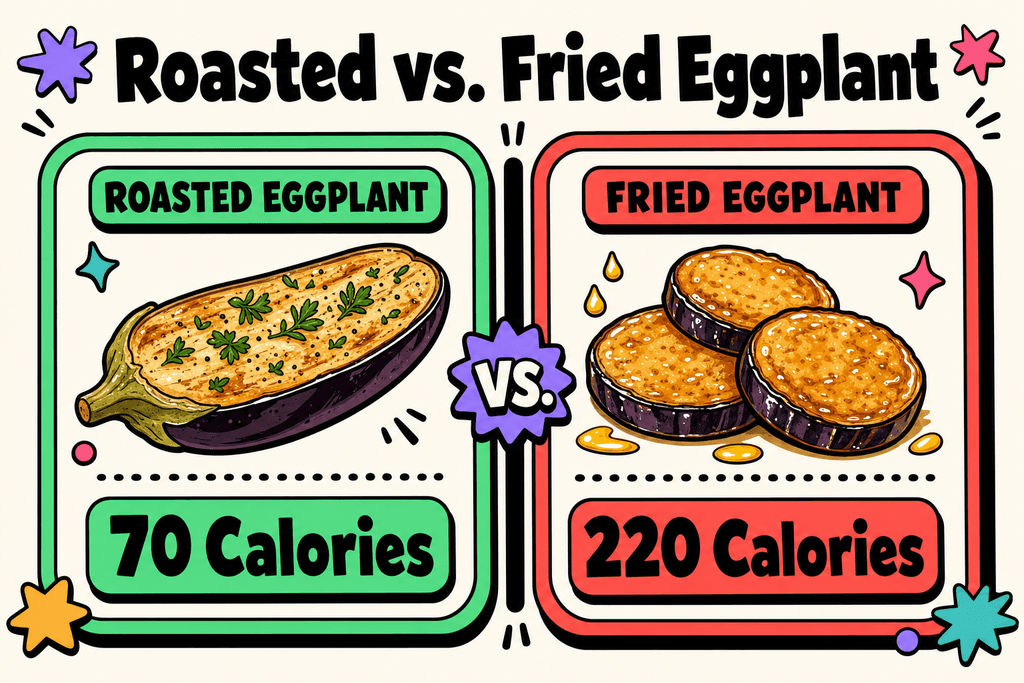
A cup of roasted eggplant contains just 35 calories, but fry that same amount and you're looking at over 200 calories. The way you cook this purple vegetable changes everything when it comes to tracking calories in eggplant, and most people don't realize just how dramatic the difference can be. Whether you're logging meals in MyFoodBuddy or just trying to stay on track with your goals, knowing these numbers helps you make smarter choices without giving up the foods you love.
Table of Contents
The Basics of Eggplant Nutrition
A single cup of raw eggplant contains just 20 calories, making it one of the lowest-calorie vegetables you can eat. This purple vegetable is packed with fiber and water, which means it fills you up without adding much to your daily calorie count. Before you start cooking eggplant, it's helpful to understand what you're working with from a nutrition standpoint. The way you prepare eggplant can change its calorie content dramatically, but we'll get to that later.
Why Raw Eggplant Is So Light
Raw eggplant is mostly water, which explains why it's so low in calories. The flesh has a spongy texture that's almost like a kitchen sponge, and this matters more than you might think when it comes to cooking.
Here's what makes raw eggplant a smart choice for your diet:
- Contains about 92% water by weight
- Provides 3 grams of fiber per cup to help with digestion
- Has almost no fat or protein in its natural state
- Offers important nutrients without many calories
Nutritional Breakdown of Raw Eggplant
Looking at the actual numbers helps you see why eggplant is considered a healthy vegetable. The base nutritional profile changes completely once you add oil or other ingredients, which is why tracking matters if you're watching your intake.
| Nutrient | Per 1 Cup Raw (82g) | Per 100g |
|---|---|---|
| Calories | 20 | 25 |
| Carbohydrates | 5g | 6g |
| Fiber | 3g | 3g |
| Protein | 1g | 1g |
| Fat | 0.1g | 0.2g |
| Potassium | 188mg | 229mg |
| Vitamin C | 1.8mg | 2.2mg |
The Sponge Effect You Need to Know About
That spongy texture we mentioned earlier becomes a big deal when you start cooking. Eggplant can absorb oil like crazy, sometimes soaking up several tablespoons in just one cooking session. This is why the same vegetable that starts at 20 calories per cup can end up with 10 times that amount after frying.
When you're logging your meals, these differences matter a lot. Apps like MyFitnessPal require you to search through dozens of entries to find the right preparation method. With MyFoodBuddy, you can just say "fried eggplant with olive oil" and the app figures out the nutritional details for you based on typical cooking methods.
Understanding these basics helps you make better choices about how to prepare eggplant:
- Raw eggplant gives you the lowest calorie option
- Cooking methods that use less oil keep calories down
- The amount of oil absorbed depends on cooking time and temperature
Roasted Eggplant Calories and Benefits
Eggplant is one of those vegetables that can go from diet-friendly to calorie-heavy depending on how you cook it. The spongy texture that makes eggplant so versatile also means it soaks up oil like a kitchen sponge, which can turn a healthy vegetable into something that might surprise you when you're tracking your meals. Roasting is hands down the best method if you're watching calories in eggplant, and the numbers prove it. A cup of roasted eggplant contains approximately 35 calories, making it one of the lightest ways to enjoy this purple vegetable. The best part is that you barely need any oil to get that tender, caramelized texture that makes roasted eggplant so good.
When you roast eggplant, you're working with the vegetable's natural moisture instead of against it. The dry heat of the oven draws out water and concentrates the flavors, bringing out a natural sweetness that you don't get with other cooking methods.
- Use just 1-2 teaspoons of oil per cup of eggplant cubes
- Roast at 425°F for 25-30 minutes for best results
- Salt the eggplant beforehand to draw out excess moisture
- Flip halfway through for even browning
- Line your pan with parchment paper to prevent sticking
The nutritional benefits stay intact when you roast eggplant because you're not drowning it in oil or cooking it at temperatures that destroy vitamins. You keep the fiber, potassium, and antioxidants while adding minimal fat. If you're using an app like MyFoodBuddy to track your meals, you can just say "one cup of roasted eggplant" and the AI will calculate those 35 calories for you without having to measure every drop of oil you used.
Fried Eggplant Calories and What to Watch For
Here's where things get tricky with eggplant. That same spongy texture that makes it perfect for roasting turns into a problem when you start frying. Eggplant can absorb up to four times its weight in oil during frying, which is why a cup of fried eggplant can pack anywhere from 200 to 300 calories. That's nearly ten times more than roasted eggplant, and most of those extra calories come straight from the oil. The vegetable itself hasn't changed, but the cooking method completely transforms the calorie count.
Deep frying is the worst offender because the eggplant is completely submerged in hot oil. Pan frying is slightly better but not by much if you're using a lot of oil to prevent sticking.
| Frying Method | Calories per Cup | Oil Absorbed |
|---|---|---|
| Deep Fried | 280-300 | Very High |
| Pan Fried | 200-250 | High |
| Air Fried | 80-100 | Low |
If you add breading or batter to your fried eggplant, you're looking at even more calories. A breaded and fried eggplant slice can have 50-70 calories per slice depending on thickness and coating. When you're trying to track calories in eggplant dishes accurately, these details matter a lot.
There are ways to reduce oil absorption if you really want fried eggplant. Salting the slices first and letting them sit for 30 minutes draws out moisture, which means less room for oil to seep in. You can also try a light coating of flour before frying, which creates a barrier. But honestly, if you're counting calories, fried eggplant is something to save for special occasions rather than regular meals.
Baked Eggplant Calories and Preparation Methods
Baked eggplant sits right in the middle of the calorie spectrum, and the final count depends entirely on what else goes into the dish. A simple baked eggplant with just a brush of olive oil might have around 50-70 calories per cup, which is still pretty reasonable. But once you start adding cheese, breadcrumbs, and sauce like in eggplant parmesan, you're looking at a completely different situation. The eggplant itself is still low in calories, but everything layered on top changes the math quickly.
Eggplant parmesan is probably the most popular baked eggplant dish, and it's also one of the highest in calories. A typical serving can range from 300 to 450 calories depending on how much cheese and sauce you use.
| Baked Dish | Calories per Serving | Main Additions |
|---|---|---|
| Simple Baked | 50-70 | Minimal oil |
| Eggplant Parmesan | 300-450 | Cheese, sauce, breading |
| Baked Casserole | 150-200 | Vegetables, light cheese |
| Stuffed Eggplant | 200-280 | Grains, meat, cheese |
The good news is that baking gives you control over the calorie content. You can make a lighter version of eggplant parmesan by using less cheese and skipping the breading step. Instead of frying the eggplant slices first, just bake them with a light spray of oil, then layer with sauce and a moderate amount of mozzarella.
- Use cooking spray instead of brushing with oil
- Choose part-skim mozzarella to cut calories
- Skip breadcrumbs or use panko sparingly
- Add extra vegetables to bulk up the dish
- Measure cheese portions to avoid overdoing it
When you're logging baked eggplant dishes in a calorie tracker, the details matter. Apps like MyFoodBuddy make this easier because you can just describe what you ate in plain language, like "eggplant parmesan with mozzarella and marinara sauce," and the AI figures out the nutritional breakdown for you. This beats manually entering every ingredient, especially for complex dishes where you might not know exact measurements. Whether you're checking out calorie tracking for plant-based meals or comparing different cooking methods like we do with fried chicken, having accurate calorie information helps you make better choices without giving up the foods you enjoy.
Making Smart Choices for Your Calorie Goals
The difference between roasted and fried eggplant can mean the gap between staying within your calorie budget or blowing past it. When you're trying to lose weight, those extra 150 calories from frying instead of roasting might not seem like much, but they add up fast over a week. The tricky part is that most people don't realize just how much the cooking method changes the calories in eggplant until they've already logged it wrong. And if you're using traditional tracking apps, you know the pain of searching through dozens of entries trying to find the exact preparation method you used.
Choosing the Right Method for Your Goals
Your calorie budget should drive which cooking method you pick. If you're on a strict deficit, roasted eggplant gives you the most food for the fewest calories. But if you've got room in your day and want something more satisfying, fried eggplant might be worth the trade-off.
- Weight loss phase: Stick with roasted or baked eggplant to maximize volume and minimize calories
- Maintenance or muscle gain: Fried eggplant can fit easily when you need extra calories and fat
- Special occasions: Don't stress about choosing fried when it matters, just plan your other meals around it
- Meal prep: Roasted eggplant reheats better and stays within budget all week
The Tracking Headache Nobody Talks About
Here's where most calorie tracking falls apart. You ate eggplant parmesan at a restaurant, but was it fried or baked? How much oil did they use? Traditional apps make you guess between twenty different entries, each with wildly different calorie counts. MyFoodBuddy handles this differently by letting you just say "eggplant parmesan from Olive Garden" and the AI figures out the most accurate nutritional breakdown based on typical preparation methods.
| Cooking Method | Best For | Tracking Difficulty |
|---|---|---|
| Roasted | Weight loss | Easy |
| Baked | Balanced goals | Medium |
| Fried | Maintenance/gain | Hard |
Real World Scenarios That Actually Happen
You're at a family dinner and someone made eggplant rollatini. It's definitely fried, probably baked too, and covered in cheese. Instead of spending five minutes searching and calculating, you can tell MyFoodBuddy exactly what you ate in plain English and move on with your life.
- Restaurant meals: Voice log "fried eggplant appetizer" without menu analysis
- Home cooking: Say "baked eggplant with two tablespoons olive oil" while cleaning up
- Meal prep: Save your roasted eggplant recipe as a favorite for one-tap logging
The goal isn't perfection with every single calorie in eggplant you track. It's consistency over time, and that only happens when tracking is fast enough that you actually do it every day.
Your Eggplant, Your Way
The calories in eggplant can swing pretty wide depending on how you cook it. A cup of roasted eggplant sits around 35 calories, while that same amount fried can jump to 200 calories or more. Baked eggplant usually lands somewhere in the middle, especially if you go light on the oil. These differences matter when you're trying to hit specific health goals, and knowing them helps you make choices that actually work for your day. These differences matter when you're trying to hit specific health goals, and knowing them helps you make choices that actually work for your day, just like understanding baked chicken leg calories with skin vs skinless can aid in meal planning.
Small changes in how you prepare eggplant can save you hundreds of calories without giving up the dishes you love. Using cooking spray instead of pouring oil, or roasting instead of frying, keeps the flavor but cuts the numbers way down. The trick is understanding what each method does to your meal.
Tracking these details used to mean searching through databases and doing math in your head. With MyFoodBuddy, you can just say what you ate and the app figures out the rest using AI and USDA data. Whether you're logging vegan meals or comparing fried versus baked options, accurate tracking makes the whole process easier.
The bottom line is that eggplant works for almost any eating style when you know what you're dealing with. You don't have to avoid fried eggplant forever, but being aware of the calorie difference helps you plan better. The questions people ask most about eggplant and calories come up again and again, so let's tackle those next.
Common Questions About Eggplant Calories
Tracking eggplant dishes can get confusing when you're trying to stay on top of your nutrition goals. The calories change so much depending on how you cook it, and most people aren't sure what numbers to actually log. Here are the most common questions people ask about eggplant calories and how to track them properly.
How many calories are in a whole eggplant?
A medium-sized eggplant weighing about 1 pound contains roughly 110 calories when raw. That's pretty low for such a filling vegetable, which is why eggplant shows up in so many diet-friendly recipes. The actual number can vary a bit based on the size, but you're looking at about 20-25 calories per 100 grams of raw eggplant.
Does salting eggplant before cooking reduce calories?
Salting eggplant doesn't reduce the calories in the vegetable itself. What it does is draw out moisture and make the flesh less spongy, which means it absorbs less oil during cooking. If you're frying or sautéing eggplant, salting it first can actually save you a significant amount of calories by reducing oil absorption by up to 30%.
What's the lowest calorie way to cook eggplant?
Grilling or roasting eggplant without oil is your best bet for keeping calories low. You can get great flavor by using cooking spray instead of oil, or by roasting it dry and adding seasonings. Steaming is technically the absolute lowest, but most people find grilled or dry-roasted eggplant tastes better and still keeps the calorie count under 50 per cup.
How do I accurately track eggplant dishes in my calorie app?
The easiest way is to log each component separately, especially the cooking oil or breading. With MyFoodBuddy, you can just say "one cup of fried eggplant with breadcrumbs" and the AI figures out the nutritional breakdown for you. Traditional apps like MyFitnessPal require you to search through dozens of entries and guess which one matches your preparation method, which gets old fast.
Can I eat fried eggplant and still lose weight?
Yes, but portion control matters more with fried eggplant since it can pack 200-400 calories per cup. If it fits within your daily calorie goals, you can absolutely include it in a weight loss plan. The key is tracking it accurately and balancing it with lower-calorie foods throughout the day.
Does grilled eggplant have the same calories as roasted?
Grilled and roasted eggplant have nearly identical calories in eggplant if you use the same amount of oil for both methods. The cooking method itself doesn't change the calorie content, but grilling sometimes uses less oil since the excess drips off through the grates. Both methods are solid choices when you're watching your intake.
Ready to start tracking smarter?
Download MyFoodBuddy and start tracking your calories by just saying what you ate. No more searching databases or guessing portions.
Get started