
96/4 Ground Beef Calories by Serving Size
96/4 ground beef has 137 calories per 4 oz raw, based on USDA data. See full macros by serving size and how to log it fast.
A 4 oz (113 g) raw serving runs 137 calories, so 96/4 ground beef calories come in at roughly 24 g protein and 4.5 g fat, based on the USDA FoodData Central entry for "Beef, ground, 96% lean meat / 4% fat, raw" at 121 kcal per 100 g (Nutrition checked: November 2026). That makes it the leanest grind most grocery stores stock, and it carries less than half the calories of the 80/20 package sitting right beside it on the shelf. Cooking shrinks the weight and concentrates the numbers, so a cooked 4 oz patty lands higher than the raw figure.
Table of Contents
Calories and Macros From 1 oz to a Full Pound
All the numbers below are raw weight, the same way the package label and the USDA database list them. They scale off 121 kcal, 21.4 g protein and 4.0 g fat per 100 g of raw 96/4.
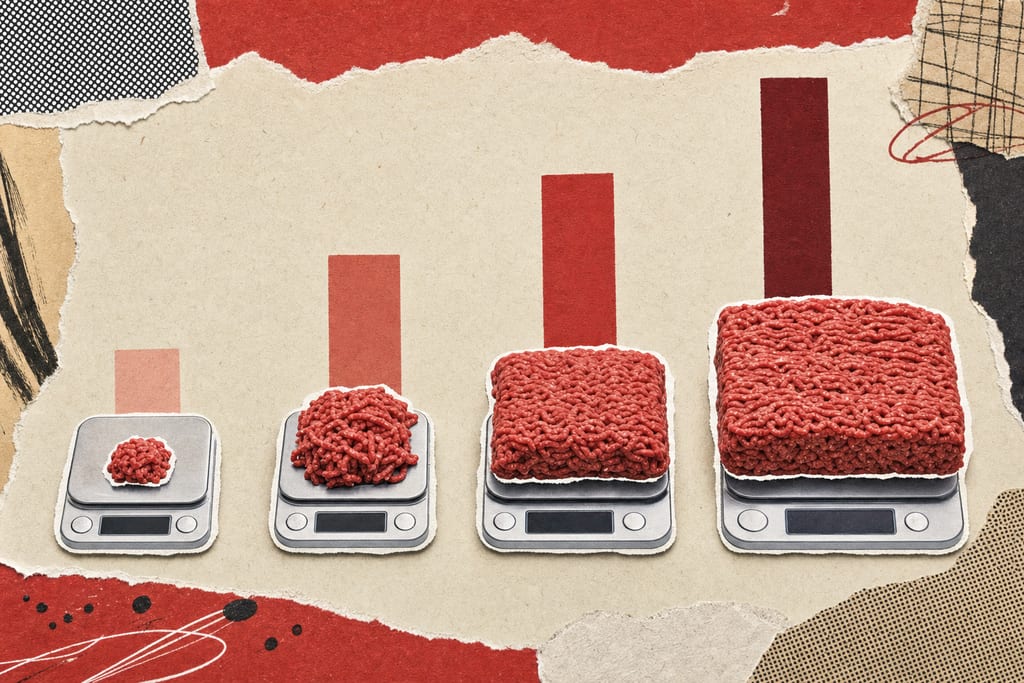
| Serving (raw) | Calories | Protein | Fat |
|---|---|---|---|
| 1 oz (28 g) | 34 kcal | 6 g | 1.1 g |
| 3 oz (85 g) | 103 kcal | 18 g | 3.4 g |
| 4 oz (113 g) | 137 kcal | 24 g | 4.5 g |
| 1 lb (454 g) | 549 kcal | 97 g | 18 g |
Source: USDA FoodData Central, "Beef, ground, 96% lean meat / 4% fat, raw" (Nutrition checked: November 2026). Figures shift a little by brand and trim.
A 1 lb package splits into four 4 oz portions, so the quarter-pound patty you shape is the 4 oz row. There are no carbs in plain ground beef, and with only 4.5 g of fat per patty, almost every calorie here is protein, which is why it sits so easily inside a deficit.
Why Cooked Beef Weighs Less Than What You Logged
Ground beef drops roughly a quarter of its weight in the pan, and most of what leaves is water. A 4 oz raw portion comes off the heat closer to 3 oz.
The calories stay behind. That means cooked beef packs more calories per ounce than raw beef, and logging a 4 oz cooked patty as if it were raw quietly undercounts your day. With 96/4 there is barely any fat to drip into the pan, so raw weight is the cleaner number to trust.
- Weigh the package before cooking, not after, whenever you can.
- Divide the full pound into four equal patties or scoops and reuse that portion every time.
- If you only have the cooked weight, log it as cooked beef, since databases treat raw and cooked as separate foods.
- Count the oil, butter or cheese separately instead of folding it into the beef entry.
That last one catches a lot of people, along with the other common mistakes with hamburger calories that pile up over a week.
96/4 vs 93/7, 85/15 and 80/20 Side by Side
Same 4 oz raw portion, wildly different calories. Using USDA raw values per 100 g, 96/4 lands at 137 kcal, 93/7 at 172, 85/15 at 243 and 80/20 at 287 (Nutrition checked: November 2026, USDA FoodData Central).
Protein barely moves across those four blends. The whole spread is fat, so the extra calories buy flavor and juiciness, nothing else.
- Taco night for four: swapping 80/20 for 96/4 saves about 600 calories across the pound.
- 96/4 dries out fast, so the oil or cheese people add can erase the savings.
- 93/7 is the middle ground if the leanest grind tastes like cardboard to you.
Logging any of them takes seconds in FoodBuddy, where you say "four ounces of 96/4 ground beef with a tablespoon of olive oil" and it pulls the numbers from USDA data instead of making you scroll past forty near-identical entries. The same trick works for calorie counting for homemade meals where nothing has a barcode.
Buy the Leaner Grind on Your Next Grocery Run
Pick up a pound of 96/4 this week. Before it goes in the fridge, split it into four equal portions on a scale, wrap them, and label them. That one minute of prep means you never guess at dinner again. Cook one tonight and log it while the number is still in your head, because a meal logged two days later usually never gets logged at all. Say the portion out loud in FoodBuddy, save it as a favorite, and every future patty is one tap. The trial runs seven days and you can cancel anytime.
Lean Ground Beef Questions
Does draining the grease from 80/20 make it as lean as 96/4?
No. Draining pours off some melted fat, but plenty stays in the meat, and there is no way to know how much left the pan. Drained 80/20 still lands well above the leanest grind. If the lower number matters to you, buy the leaner package instead of trying to drain your way there.
Why do my 96/4 burgers come out dry, and what can I add without blowing my calories?
Lean beef has almost no fat to keep it moist, so it overcooks in about a minute. Pull the patties off the heat early and stop pressing them with the spatula. Grated onion, chopped mushrooms, mustard, salsa or hot sauce add moisture and flavor for single digit calories.
Is grass-fed 96/4 ground beef different in calories than regular 96/4?
Barely. Calories in ground beef track the lean-to-fat ratio, not what the cattle ate, so a grass-fed 96/4 package lands close to a conventional one. The fatty acid makeup differs slightly, but that does not move the calorie count. Read the panel on the package you buy and log that.
Ready to start tracking smarter?
Download MyFoodBuddy and start tracking your calories by just saying what you ate. No more searching databases or guessing portions.
Get started