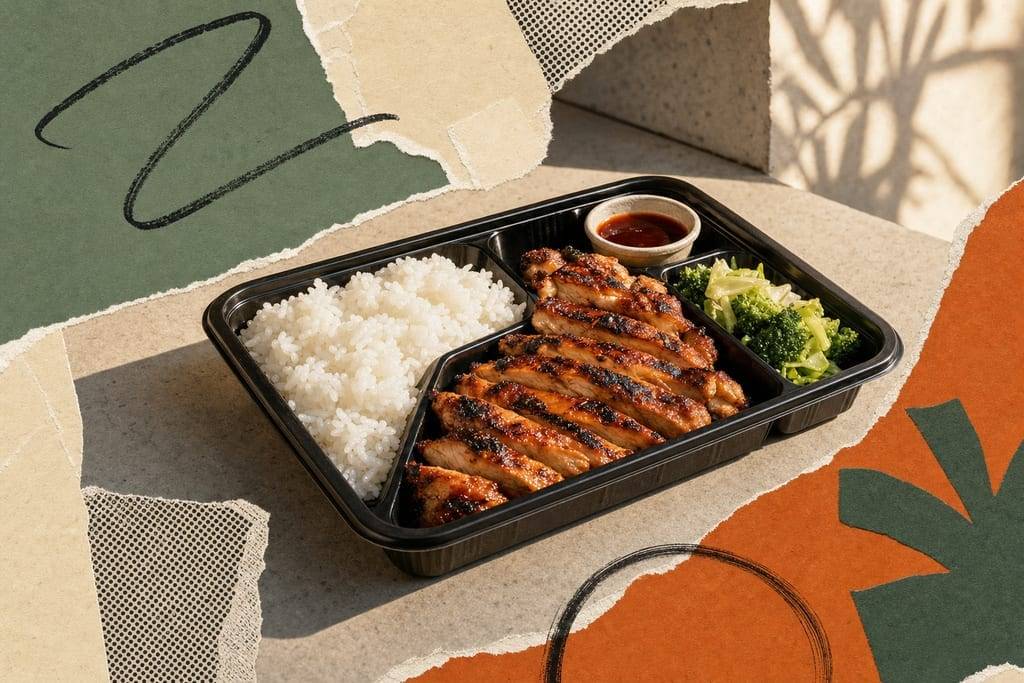
Flame Broiler Menu Calories for Every Item
Flame Broiler menu calories and nutrition facts for bowls, plates, sides, sauces and drinks, plus how to order a meal that fits your calorie goal.
Flame Broiler menu calories swing mostly on three things: which protein you pick, whether you order a bowl or a plate, and how much magic sauce goes on top. Every figure listed here comes straight from Flame Broiler's own published nutrition guide, with no estimates mixed in (Nutrition checked: November 2026). Anything the chain does not publish is left out rather than guessed at, and portioning is set by each franchise, so the scoop you get may be a little heavier or lighter than the corporate number.
Table of Contents
Flame Broiler Calories for Every Menu Item
The published numbers live in one place: Flame Broiler's own nutrition guide, which lists items by category rather than as one long menu. Read it category by category and the whole board gets a lot smaller.
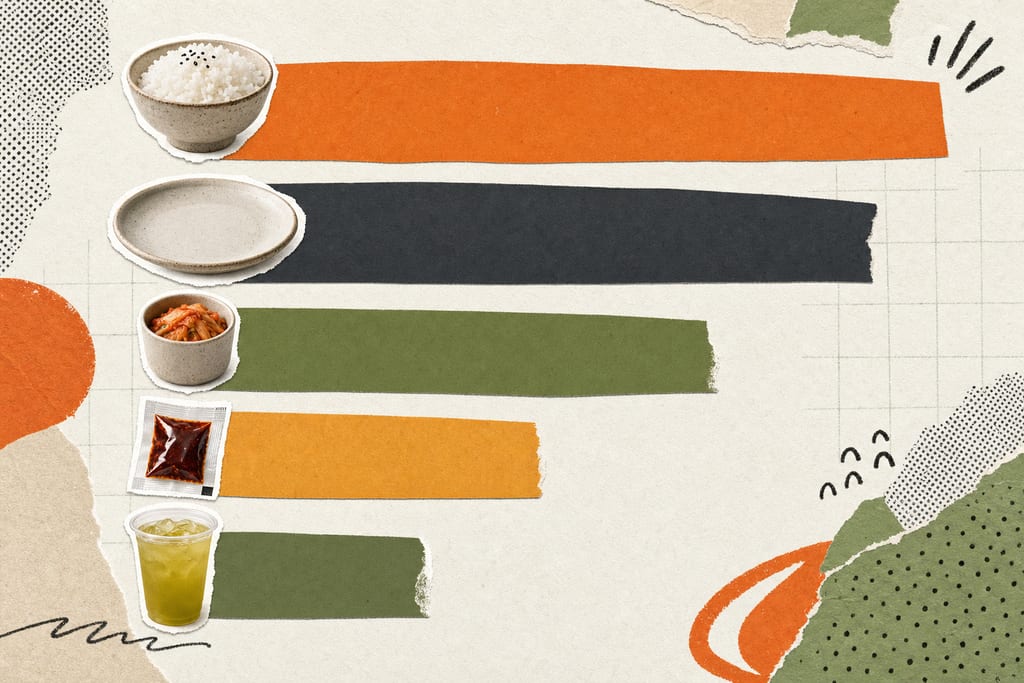
When you copy a figure into your log, copy the serving with it. A calorie number means nothing without the portion attached to it, since a regular bowl, a large bowl and a sauce packet are three different line items.
- Bowls: protein over rice, sized regular or large.
- Plates and family meals: bigger builds, often multi-serving containers.
- Sides and rice: extra rice scoops, salads and listed extras.
- Sauces: magic sauce and any other listed sauce, counted per serving.
- Drinks: fountain soda, tea and bottled water.
One caution worth repeating: online ordering screens and some regional franchises carry items the national guide never lists. If an item is not in the corporate guide, leave it out of your log rather than borrowing a number from a similar bowl.
Bowl, Plate and Family Meal Macros
Which entree fits your day comes down to two decisions, and the protein is the smaller one. Rice carries most of the carbs and most of the bulk, while the chicken, beef or half-and-half choice mainly shifts fat and sodium.
That is why portion size moves calories more than protein choice does. A large bowl and a plate are not a tweak to the regular bowl, they are separate entries with their own protein, carb, fat and sodium figures in the guide.
Log these as four different foods, never as one bowl with notes:
- Regular bowl with white rice, the baseline for every other build.
- Large bowl, same protein, more rice and more of everything else.
- Plate, which the guide treats as its own serving, not a bowl upgrade.
- No-rice or brown-rice build, where the carb and fiber figures change.
Family meals need extra care. The published figure usually covers the full container, so divide by the number of people eating before you record anything, or you will log four servings as one.
Sides, Rice, Sauces and Drinks Counted Separately
Add-ons are where most logs quietly leak. An extra rice scoop, a side salad and a drink each carry their own calorie and macro entry in the guide, and none of them belong hidden inside your bowl entry.
Sauce deserves its own line too, with calories, carbs and sodium per serving. Asking for sauce on the side is the easiest cut on the whole menu, because you control how much lands on the rice instead of the kitchen doing it for you.
Drinks are the entry people skip most. A fountain soda can match a side portion, while unsweetened tea and bottled water are zero.
Build the order in this sequence and the math is done before the tray arrives:
- Pick the protein first, since it sets your protein total.
- Set the rice portion: full, half or none.
- Decide on sauce, on top or on the side.
- Log the whole order while you wait, not after.
Saying "chicken bowl, brown rice, sauce on the side" into FoodBuddy pulls the macros in a few seconds, which beats hunting a PDF at the counter. The same habit works across lowest calorie fast food meals you order on a regular week.
Pick Your Bowl Before You Reach the Counter
Make the three calls in the parking lot: protein, how much rice, and where the sauce goes. Guessing after you have eaten is how a 600-calorie lunch turns into a shrug in your log. Then record it while you are still standing there, before the portion blurs in your memory. Speaking the order into FoodBuddy hands back calories and macros in seconds, and the first 7 days are free with nothing to cancel if it is not for you. One bowl, decided and logged, and lunch stops being a question mark.
Tracking Flame Broiler Orders
What do I log when my bowl is clearly bigger than the listed serving?
Log the closest listed size, then add the extra rice as its own entry. Rice is almost always the part that comes in heavy, so a bowl with a double scoop records as the standard bowl plus one rice side. Weigh one bowl at home once and you will spot the difference by eye after that.
How do I count a bowl when I only eat half and box up the rest?
Split it into two entries. Record half the published figure at lunch and the other half whenever you finish the leftovers, even if that is the next day. Cutting a single entry in half after the fact is where people forget, so log both halves at the same time and date the second one.
Can a Flame Broiler lunch actually fit a day where I am cutting calories?
Yes, if you control the rice and the sauce. Grilled protein with a half rice portion and sauce on the side keeps the order lean without ordering something you do not want. Pair it with water instead of soda and the whole meal usually lands in normal lunch territory for a cut.
Ready to start tracking smarter?
Download MyFoodBuddy and start tracking your calories by just saying what you ate. No more searching databases or guessing portions.
Get started