
Chipotle Bowls Ranked by Nutrition
Discover which Chipotle bowls are healthiest. Complete nutrition breakdown of every bowl option to help you make smarter choices.
Chipotle serves over 3 million people every day, but most of them have no idea their "healthy" bowl might pack over 1,200 calories while another combination clocks in under 400. The difference between the lowest and highest calorie bowls is massive, and studies show most people underestimate their Chipotle meal calories by 30-40%. Whether you're trying to lose weight, build muscle, or just make smarter choices, understanding the nutrition of chipotle bowls can completely change your results.
Table of Contents
- Understanding Chipotle Nutrition Basics
- Lowest Calorie Chipotle Bowls
- High Protein Chipotle Bowls for Muscle Building
- Balanced Macro Bowls for Everyday Eating
- Bowls to Avoid for Weight Loss
- Making Chipotle Work for Your Goals
- Your Chipotle Nutrition Game Plan
- Common Questions About Chipotle Nutrition
Understanding Chipotle Nutrition Basics
A single Chipotle bowl can range anywhere from 400 to 1,500 calories depending on what you choose. That's a huge difference, and most people don't realize how quickly the calories add up when they're standing in line picking their toppings. The base of your bowl matters, but it's really the proteins and add-ons that can make or break your nutrition goals for the day. Understanding what goes into your bowl helps you make better choices without giving up the foods you actually enjoy.
The Foundation of Your Bowl
Every Chipotle bowl starts with a base, and this choice sets the stage for everything else. White rice and brown rice both clock in around 210 calories per serving, while the lettuce base has almost zero calories. Beans add another layer of nutrition, with black beans and pinto beans each adding about 130 calories plus a solid amount of fiber and protein.
Here's what the basic building blocks look like:
| Base Ingredient | Calories | Protein (g) | Fiber (g) |
|---|---|---|---|
| White Rice | 210 | 4 | 1 |
| Brown Rice | 210 | 5 | 3 |
| Romaine Lettuce | 10 | 1 | 1 |
| Black Beans | 130 | 8 | 12 |
| Pinto Beans | 130 | 8 | 11 |
Protein Choices That Make the Difference
The protein you pick is where things get interesting for the nutrition of chipotle bowls. Chicken is the leanest option at 180 calories, while carnitas and barbacoa pack more fat and calories. Sofritas, the plant-based option, sits right in the middle with fewer calories than most meats but still delivers decent protein.
| Protein | Calories | Protein (g) | Fat (g) |
|---|---|---|---|
| Chicken | 180 | 32 | 7 |
| Steak | 150 | 21 | 6 |
| Barbacoa | 170 | 24 | 7 |
| Carnitas | 210 | 23 | 12 |
| Sofritas | 150 | 8 | 10 |
The Toppings That Add Up Fast
This is where most people lose track of their calories. Cheese, sour cream, and guacamole are delicious, but they're also calorie bombs. A serving of cheese adds 110 calories, sour cream adds 110, and guac adds 230. If you get all three, that's 450 calories just from toppings, which is more than some of the protein options.
The good news is that some toppings are basically free from a calorie perspective. Fresh tomato salsa has only 25 calories, and the tomatillo salsas range from 15 to 30 calories. Loading up on these instead of the creamy options can save you hundreds of calories while still giving your bowl tons of flavor.
| Topping | Calories | Fat (g) | Sodium (mg) |
|---|---|---|---|
| Cheese | 110 | 8 | 190 |
| Sour Cream | 110 | 9 | 30 |
| Guacamole | 230 | 22 | 370 |
| Fresh Tomato Salsa | 25 | 0 | 550 |
| Corn Salsa | 80 | 2 | 310 |
Tracking all these numbers can get overwhelming fast, especially when you're trying to stay on top of your daily nutrition goals. Apps like MyFitnessPal require you to manually search and log each ingredient, which takes forever when you're dealing with customizable meals. With MyFoodBuddy, you can just say "chicken bowl with brown rice, black beans, and salsa" and the app figures out the nutrition of chipotle meals for you automatically. No searching through databases or doing math in your head while you're trying to enjoy your lunch. To make tracking even easier, use the Chipotle calories calculator for bowls, burritos, and macros to instantly see nutrition facts and track your meal.
Lowest Calorie Chipotle Bowls
A Chipotle bowl can range anywhere from 300 to over 1,200 calories depending on what you throw in there. The difference between a smart order and a calorie bomb often comes down to just two or three ingredients. If you're watching your weight or just trying to eat lighter, knowing which combinations keep you under 500 calories makes all the difference. The good news is you don't have to sacrifice flavor or walk away hungry to keep things reasonable.
Lowest Calorie Chipotle Bowls
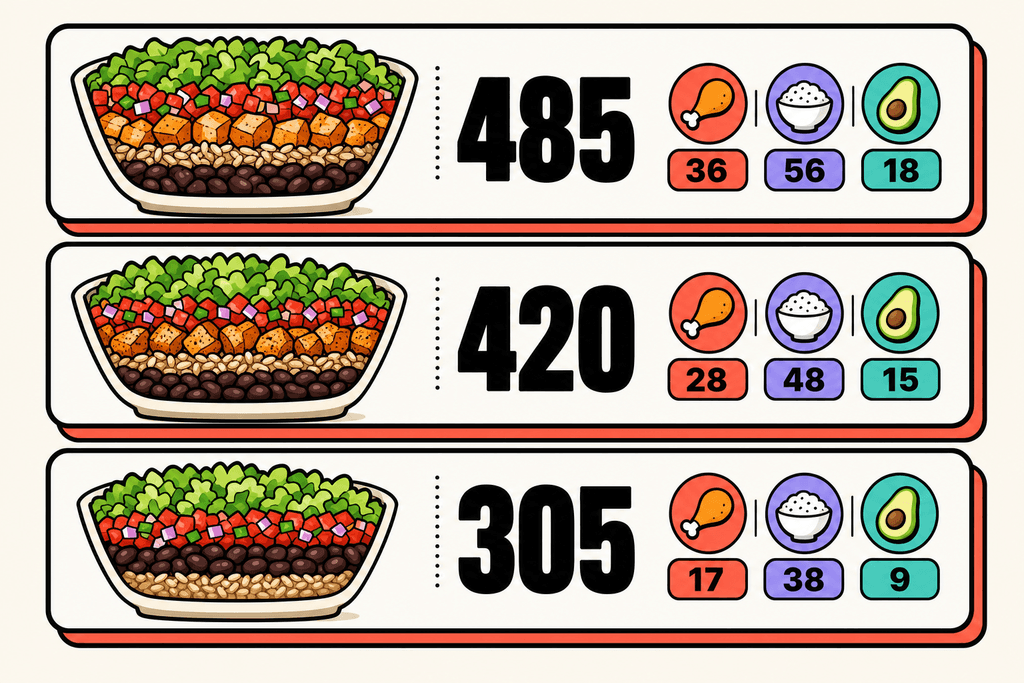
The ultimate low-calorie bowl clocks in at just 305 calories and includes a lettuce base, chicken, fajita veggies, and fresh tomato salsa. It sounds simple, but it's actually pretty filling thanks to the protein from the chicken and the volume from the veggies. This combination gives you a solid meal without the carb-heavy rice or calorie-dense toppings.
| Bowl Type | Calories | Protein | Key Ingredients |
|---|---|---|---|
| Ultimate Low-Cal | 305 | 32g | Lettuce, chicken, fajita veggies, salsa |
| Vegetarian Light | 420 | 18g | Lettuce, sofritas, black beans, salsa |
| Light with Rice | 485 | 35g | Half rice, chicken, veggies, salsa |
For vegetarians, sofritas with black beans on a lettuce base comes in around 420 calories and still delivers decent protein. The sofritas are flavorful enough that you won't miss the cheese or sour cream. Adding corn salsa or pico de gallo gives you extra taste without piling on calories.
Building a filling bowl under 500 calories is easier than most people think. The trick is choosing one carb source instead of loading up on everything. Go with either rice or beans, not both. Ask for half portions of rice if you want it but don't want the full calorie hit. Fajita veggies are your best friend here because they add bulk and flavor for almost no calories.
- Skip the cheese and save 110 calories
- Skip the sour cream and save 110 calories
- Choose salsa instead of queso and save 120 calories
- Use lettuce instead of rice and save 210 calories
- Ask for light cheese or sour cream if you really want it
The biggest calorie savers are the ones people don't want to hear. Skipping cheese and sour cream alone saves you 220 calories, which is basically the difference between a 500-calorie bowl and a 720-calorie bowl. Most people don't even taste these toppings once everything is mixed together anyway. If you're tracking your meals with something like MyFoodBuddy, you can just say what you ordered and see exactly where your calories are coming from.
High Protein Chipotle Bowls for Muscle Building
Getting enough protein in one meal can be tough when you're eating out, but Chipotle actually makes it pretty easy. The protein portions are generous, and you can double up on meat without breaking the bank or your calorie budget too badly. If you're lifting weights or just trying to hit higher protein targets, there are specific combinations that'll get you where you need to be. The nutrition of chipotle bowls varies wildly, but the high-protein options are some of the best fast-casual choices out there.
High Protein Chipotle Bowls for Muscle Building
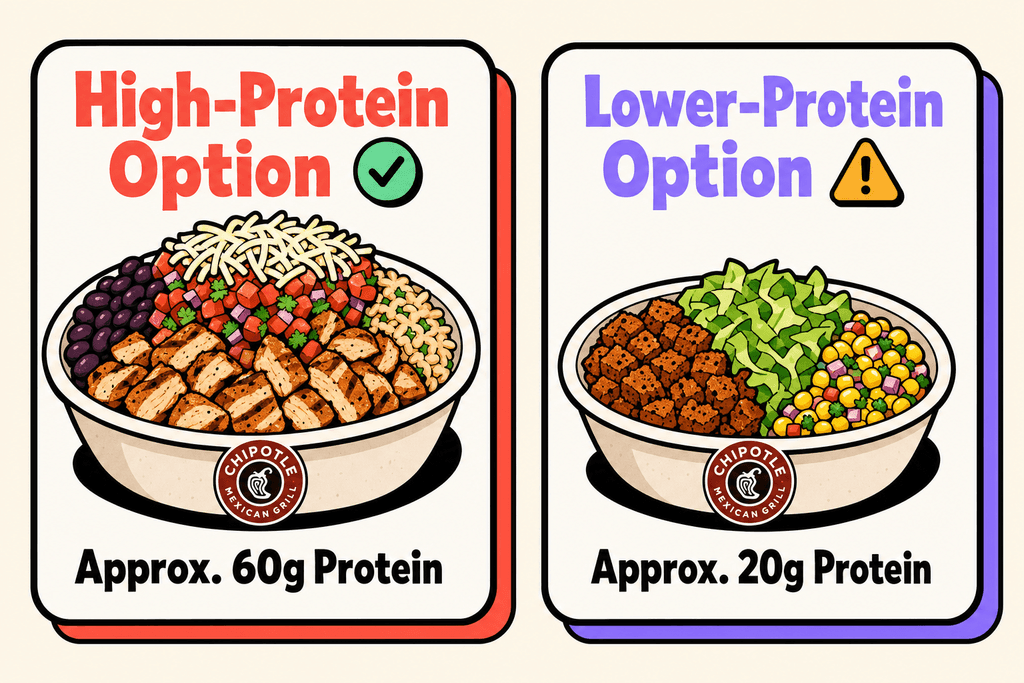
A double chicken bowl with brown rice and black beans delivers 65 grams of protein for about 750 calories. That's a solid macro split for anyone trying to build muscle or recover from workouts. The brown rice adds fiber and complex carbs, while the black beans contribute both protein and additional fiber to keep you full.
If you prefer red meat, combining steak and carnitas in one bowl gets you around 58 grams of protein. This combo costs a bit more but gives you variety in flavor and texture. The carnitas are fattier than chicken, so your calorie count will be higher, but the protein content is impressive either way.
- Double chicken: 64g protein, 240 calories from meat alone
- Steak and chicken combo: 56g protein, great flavor variety
- Triple meat (if you're brave): 80+ grams protein, 900+ calories
- Add black beans for an extra 8g protein and 120 calories
Hitting 50+ grams of protein in a single bowl is totally doable without going overboard on calories. The key is choosing lean proteins like chicken or steak and being smart about your other ingredients. Fajita veggies are clutch here because they increase the volume of your bowl without adding calories, making the meal more satisfying without diluting your protein-to-calorie ratio.
The best protein-to-calorie ratios come from chicken-based bowls with minimal high-calorie toppings. A single chicken serving gives you 32 grams of protein for just 180 calories. Compare that to carnitas at 28 grams of protein for 210 calories, or barbacoa at 24 grams for 170 calories. When you're tracking macros, these differences add up fast. MyFoodBuddy makes this easy since you can just tell it "double chicken bowl with brown rice and black beans" and it calculates all your macros instantly.
Balanced Macro Bowls for Everyday Eating
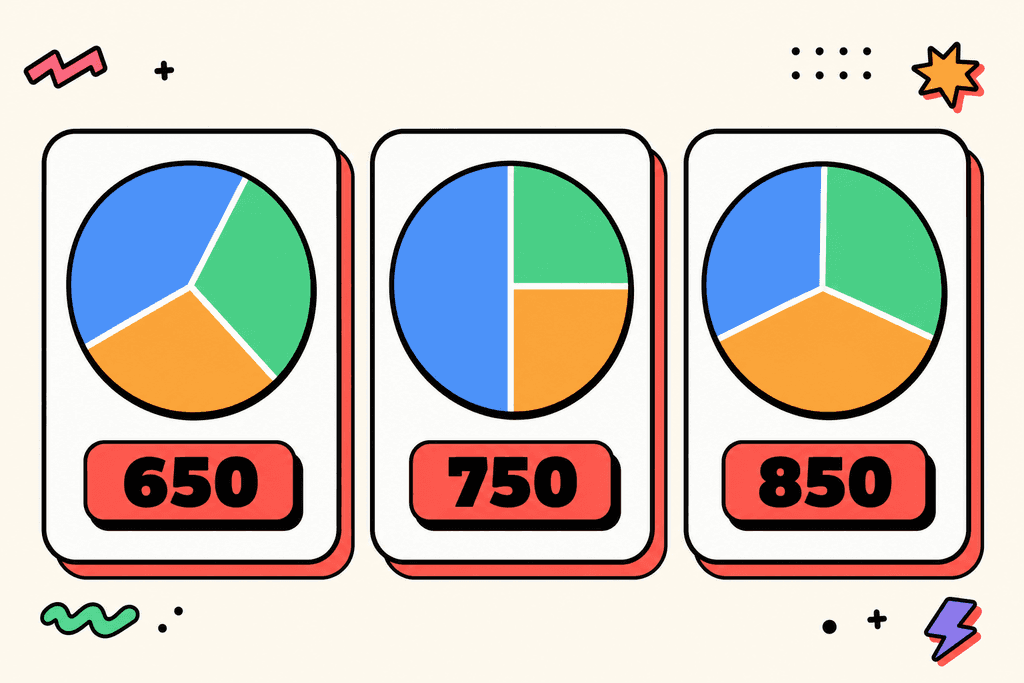
Not everyone is trying to cut weight or bulk up. Sometimes you just want a meal that feels balanced and keeps you satisfied until your next meal. A good balanced bowl hits around 40% carbs, 30% protein, and 30% fat, which is a solid split for general health and energy. These bowls usually land around 600 calories and include a mix of everything without going overboard on any one ingredient. The goal here is sustainability, not extremes.
Balanced Macro Bowls for Everyday Eating
A balanced 600-calorie bowl might include brown rice, chicken, black beans, fajita veggies, and a small amount of guacamole. This gives you complex carbs for energy, protein for satiety, healthy fats from the guac, and fiber from the beans and veggies. It's the kind of meal that actually keeps you full for four or five hours.
| Bowl Build | Calories | Protein | Carbs | Fat |
|---|---|---|---|---|
| Chicken, brown rice, beans, veggies | 540 | 42g | 65g | 12g |
| Same + half guac | 655 | 43g | 67g | 24g |
| Steak, white rice, beans, salsa | 580 | 38g | 70g | 14g |
| Sofritas, brown rice, beans, guac | 690 | 24g | 78g | 28g |
The brown rice versus white rice debate matters less than people think. Brown rice has slightly more fiber and nutrients, but white rice is easier to digest and has fewer calories per serving. If you're trying to lose weight, white rice might actually be better because it's less calorie-dense. If you want more fiber and micronutrients, go with brown. Neither choice will make or break your diet.
Guacamole adds 230 calories to your bowl, which sounds like a lot until you realize it's mostly healthy fats that help you absorb vitamins and stay full longer. The trick is getting a reasonable portion, not the giant scoop some employees give you. Ask for half a serving of guac if you want the flavor without all the calories. You can also check out our guide on lowest calorie fast food meals for more ideas on keeping things balanced when eating out.
- Brown rice: 210 calories, 4g fiber per serving
- White rice: 210 calories, 1g fiber per serving
- Black beans: 130 calories, 8g protein, 11g fiber
- Pinto beans: 130 calories, 8g protein, 10g fiber
Fiber content varies a lot depending on your choices. A bowl with brown rice, black beans, fajita veggies, and salsa can easily hit 15-20 grams of fiber, which is more than half your daily target. That's why these bowls keep you full for so long. When you're logging your meal, just tell MyFoodBuddy what you ordered and it breaks down all the macros and fiber for you automatically.
Bowls to Avoid for Weight Loss
Some Chipotle orders are basically three meals worth of calories in one bowl. It's easy to accidentally build a 1,200+ calorie monster if you're not paying attention to what you're adding. The worst part is these bowls don't even feel that much more filling than a 600-calorie version. You're just packing in extra calories from cheese, sour cream, and other toppings that don't add much volume or satisfaction. If weight loss is your goal, knowing what to avoid is just as important as knowing what to order.
The classic calorie bomb includes carnitas, white rice, cheese, sour cream, guacamole, and a side of chips. This combination easily hits 1,200-1,400 calories before you even add a drink. The carnitas alone are 210 calories, then you add 210 for rice, 230 for guac, 110 for cheese, 110 for sour cream, and 540 for chips. It adds up faster than you'd think.
| Add-On | Calories | Impact |
|---|---|---|
| Cheese | 110 | High cal, low volume |
| Sour cream | 110 | High cal, low volume |
| Guacamole | 230 | Healthy fats but dense |
| Queso | 120 | Highest cal per ounce |
| Tortilla on side | 300 | Hidden calorie bomb |
Getting a tortilla on the side adds 300 hidden calories that most people don't even think about. It's tempting to get one "just in case" or to make a few tacos with your bowl, but that's basically adding a whole extra meal's worth of calories. Same goes for chips, which are 540 calories for a regular bag.
Queso is the single highest-calorie add-on per serving at 120 calories for just a couple ounces. It's delicious, but it's basically liquid calories that don't fill you up at all. If you're serious about weight loss, queso should be the first thing to go. You can learn more about making smarter choices at fast food places in our article on calorie counting at Qdoba, which has similar challenges.
- Double wrapping adds 600 calories (two tortillas)
- Large fountain drink adds 200-400 calories depending on size
- Chips and guac together: 770 calories
- Getting "a little bit of everything" usually means 1,000+ calories
Common ordering mistakes can triple your calorie count without you realizing it. Saying yes to every topping, getting a burrito instead of a bowl, adding chips and a drink, these small decisions stack up. The difference between a smart 500-calorie order and a 1,500-calorie disaster is usually just three or four ingredients. For more help tracking what you're actually eating, check out our guide on navigating nutritional management with ease.
Making Chipotle Work for Your Goals
The difference between a 400-calorie Chipotle bowl and a 1,200-calorie one often comes down to just three or four ingredient choices. Most people don't realize that the cheese, sour cream, and tortilla chips on the side can add up to more calories than the actual protein in their bowl. When you look at the nutrition of chipotle meals across different combinations, patterns start to emerge that make it easier to build bowls that actually support your goals instead of derailing them. The good news is that you don't need to give up flavor or satisfaction to make smarter choices at Chipotle.
Smart Swap Savings: Choosing fajita veggies instead of rice saves 190 calories. Asking for light cheese and sour cream instead of regular portions cuts another 150 calories. Skip the tortilla chips and you've saved 540 calories total without changing your main protein or toppings.
Simple Strategies That Actually Work
The half-and-half protein strategy is one of the best-kept secrets for Chipotle regulars. Instead of committing to a full portion of one protein, you can ask for half portions of two different options. This lets you try the barbacoa and chicken together, or mix steak with sofritas, without adding extra calories since you're still getting the same total amount of protein.
- Request light portions of high-calorie toppings like cheese and sour cream to keep the flavor without the extra 200-300 calories
- Double up on fajita veggies for volume and nutrients at only 20 calories
- Choose salsa as your main flavor driver since most varieties are under 25 calories per serving
- Order your dressing on the side so you control exactly how much goes on your bowl
Tracking Makes the Difference
The real challenge with eating at Chipotle isn't knowing what's healthy. It's actually logging everything accurately when you're busy and just want to eat your lunch. Traditional calorie tracking apps require you to input each ingredient separately, which turns a quick meal into a 5-minute data entry session.
Apps like MyFoodBuddy let you just say "chicken bowl with brown rice, black beans, fajita veggies, mild salsa, and light cheese" and the nutrition gets calculated automatically. When tracking takes seconds instead of minutes, you're way more likely to actually do it consistently. And consistency beats perfection every single time when it comes to reaching your goals.
- Meal prep by ordering 2-3 bowls at once for the week and logging them all in one session
- Save your go-to Chipotle order as a favorite in your tracking app for instant re-logging
- Track before you eat so you can make adjustments if needed
The 300 Calorie Cut
Cutting 300 calories from any Chipotle bowl is easier than most people think. The secret is focusing on the toppings that add calories without adding much satisfaction. Most people can't tell the difference between a full scoop of cheese and a light sprinkle, but their calorie count sure can.
- Swap white rice for half brown rice and half fajita veggies (saves 95 calories)
- Choose light cheese instead of regular (saves 60 calories)
- Skip the sour cream or ask for it on the side (saves 110 calories)
- Use salsa instead of queso or creamy dressing (saves 120 calories)
These small changes add up fast, and the bowl still tastes great because you're keeping all the high-flavor, low-calorie ingredients like salsa, cilantro, and lime. The goal isn't to eat the lowest-calorie bowl possible. It's to find the sweet spot where you enjoy your meal and still hit your daily targets without stress.
Your Chipotle Nutrition Game Plan
So here's what matters when you're ordering at Chipotle. The salad bowl with chicken, fajita veggies, and fresh salsa comes in around 300-400 calories and packs serious protein. If you want something more filling but still reasonable, the burrito bowl with brown rice, chicken, and beans sits at about 600-700 calories. The biggest calorie bombs are the ones loaded with cheese, sour cream, and guac, which can push a single bowl past 1,200 calories before you realize it.
The real trick isn't avoiding Chipotle or feeling guilty about your choices. It's just knowing what you're actually eating. Swapping white rice for lettuce saves you 200 calories. Skipping cheese and sour cream cuts another 200-300. These small tweaks add up fast, especially if you're eating there once or twice a week.
Tracking your meals helps you see these patterns without obsessing over every number. MyFoodBuddy lets you just say "chicken burrito bowl with brown rice, black beans, and salsa" and it figures out the nutrition of chipotle meals for you. No searching through databases or guessing portion sizes like you'd have to do with other apps.
If you're curious about tracking other fast food spots, check out our guides on calorie counting at Qdoba or the lowest calorie fast food meals you can find. The same principles apply everywhere, but knowing your go-to orders makes staying consistent way easier.
Common Questions About Chipotle Nutrition
Ordering at Chipotle can feel like a guessing game when you're trying to eat healthy. The line moves fast, and you need to make quick decisions about what goes in your bowl. These are the questions people ask most often when they're trying to figure out the nutrition of chipotle bowls and make smarter choices.
What's the healthiest Chipotle bowl?
The healthiest option starts with a lettuce base instead of rice, then add chicken, fajita veggies, and fresh tomato salsa. This combination keeps you under 400 calories while giving you plenty of protein and nutrients. Skip the cheese, sour cream, and queso to keep it clean.
How many calories in an average Chipotle bowl?
Most people walk out with a bowl that has between 650 and 800 calories, depending on what they choose. The rice and protein make up the base calories, but the toppings can add another 300 to 400 calories quickly. A bowl with white rice, chicken, black beans, cheese, and sour cream hits around 750 calories before you even add guacamole.
Is Chipotle good for weight loss?
Yes, but only if you're smart about what you order and actually track what you're eating. The problem is that most calorie tracking apps make logging your Chipotle bowl a pain because you have to enter each ingredient separately. With MyFoodBuddy, you can just say "chicken bowl with brown rice, black beans, fajita veggies, and salsa" and it calculates everything for you in seconds.
What's the highest protein bowl at Chipotle?
Order double chicken with black beans and you'll get around 65 grams of protein in one bowl. Add steak instead of the second chicken portion and you'll hit similar numbers. This works great if you're trying to build muscle or just stay full longer throughout the day.
Does Chipotle have hidden calories?
The biggest calorie bombs are cheese (110 calories), sour cream (110 calories), and the tortilla chips on the side (540 calories for a full bag). Even the vinaigrette dressing adds 270 calories that most people don't think about. The guacamole is actually one of the healthier add-ons at 230 calories because it has good fats that keep you satisfied.
How can I track my Chipotle bowl easily?
Voice logging makes tracking the nutrition of chipotle bowls way easier than typing everything out. Instead of spending five minutes searching for each ingredient in traditional apps like MyFitnessPal, you can use MyFoodBuddy to speak your order naturally and get accurate calorie counts instantly. It saves the bowl as a favorite so you can log it again with one tap next time.
Ready to start tracking smarter?
Download MyFoodBuddy and start tracking your calories by just saying what you ate. No more searching databases or guessing portions.
Get started