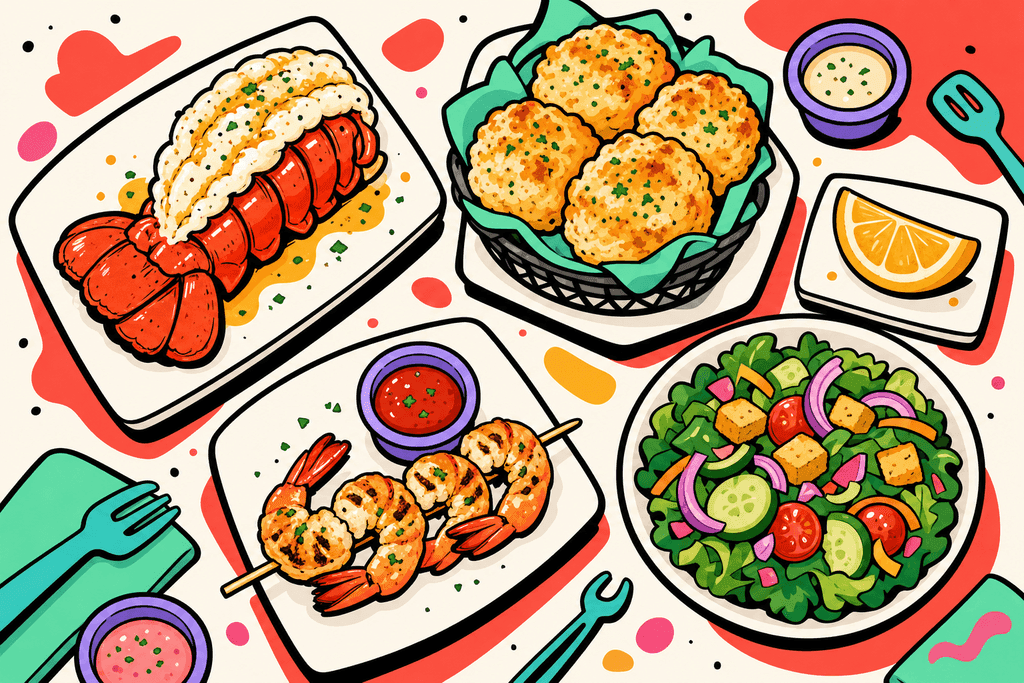
5 Ways Red Lobster Nutrition Surprises New Diners
Red Lobster nutrition facts shock first-timers. Discover hidden calories, sodium bombs, and smart swaps to enjoy seafood without derailing your goals.
That crispy shrimp appetizer you just ordered contains 1,200 calories before your main course even arrives. Most people walk into Red Lobster thinking seafood equals healthy, but the reality of red lobster nutrition often tells a different story. Whether you're tracking your meals with MyFoodBuddy or just trying to make smarter choices, understanding what's really in your favorite dishes can help you enjoy dining out without derailing your goals.
Table of Contents
- The Red Lobster Nutrition Landscape
- Those Innocent Appetizers Are Calorie Bombs
- Grilled Doesn't Always Mean Healthy
- Side Dishes Secretly Double Your Calorie Count
- Sodium Levels That Exceed Daily Limits in One Meal
- The Drinks and Desserts You Forgot to Count
- Making Red Lobster Work for Your Goals
- Common Questions About Red Lobster Nutrition
The Red Lobster Nutrition Landscape
Red Lobster serves over 73 million customers every year, making it one of America's most popular seafood chains. With more than 100 menu items ranging from grilled fish to pasta dishes and those famous Cheddar Bay Biscuits, the restaurant offers something for everyone. But here's what most diners don't realize: the nutritional difference between menu choices can be massive, sometimes varying by over 1,000 calories for what seems like similar meals. Understanding red lobster nutrition before you order can mean the difference between staying on track with your health goals and accidentally consuming an entire day's worth of calories in one sitting.
Why Restaurant Nutrition Tracking Matters
Most people underestimate restaurant meal calories by 20-40%, according to nutrition research. When you're eating out, you don't control the cooking oil, butter, or portion sizes like you do at home. Red Lobster publishes nutrition information, but remembering to check it and then logging everything correctly takes time that most diners don't have.
This is where tools like MyFoodBuddy make life easier. Instead of manually searching through nutrition databases or trying to remember exact menu items later, you can simply say "I had the Wood-Grilled Lobster, Shrimp, and Salmon with broccoli" and the app calculates everything for you. Traditional calorie tracking apps require multiple steps and precise searching, but voice-based logging takes seconds.
The Calorie Range Reality
Red lobster nutrition varies wildly depending on what you choose. A simple grilled fish fillet might clock in around 300 calories, while a creamy pasta dish can easily hit 1,500 calories before you add sides or appetizers. The challenge isn't just picking healthier options, it's knowing what "healthier" actually means when you're looking at a menu.
| Menu Category | Calorie Range | Average Calories |
|---|---|---|
| Grilled Fish Entrees | 300-500 | 380 |
| Fried Seafood Platters | 900-1,400 | 1,150 |
| Pasta Dishes | 800-1,500 | 1,100 |
| Lobster Specialties | 500-900 | 680 |
| Appetizers | 400-1,200 | 750 |
| Side Dishes | 90-450 | 220 |
What Makes Tracking Restaurant Meals Difficult
Even when you want to track your meals, restaurant dining creates unique challenges. Dishes come with multiple components, preparation methods affect calories significantly, and portion sizes at restaurants are typically larger than standard serving sizes listed in most tracking apps.
- Menu items often include hidden ingredients like butter, oil, and sauces
- Combination platters make it hard to log individual components
- Seasonal menu changes mean nutrition info isn't always current
- Customizations and substitutions alter the final calorie count
Apps like MyFitnessPal require you to search through thousands of user-submitted entries, many with incorrect information. You might spend five minutes just trying to find the right menu item, then another few minutes adjusting portions and sides. The friction of complicated logging is why most people give up on tracking when they eat out regularly.
Those Innocent Appetizers Are Calorie Bombs
Most people think the real damage happens with the main course, but Red Lobster's appetizers can wreck your nutrition goals before your entree even arrives. That basket of Cheddar Bay Biscuits sitting on your table seems harmless enough, but each one contains 160 calories. And let's be honest, nobody stops at just one. By the time you've had three biscuits while waiting for your food, you've already consumed nearly 500 calories from bread alone.
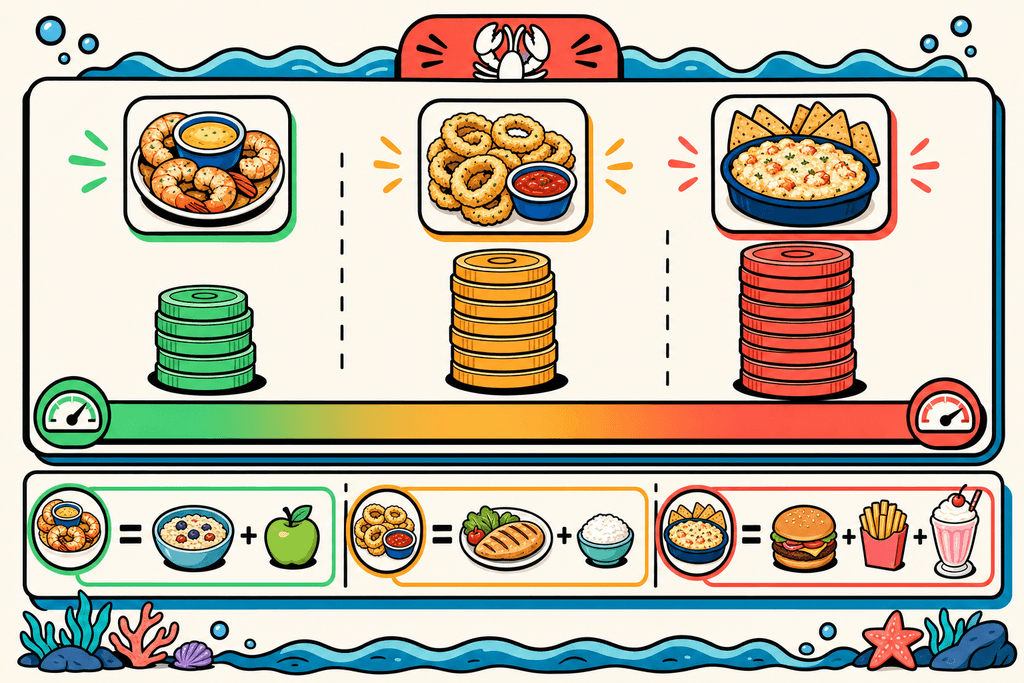
The appetizer menu hides even bigger surprises. The Mozzarella Cheesesticks pack a whopping 760 calories and 3,000mg of sodium, which is more than an entire day's worth of salt for some people. The Lobster-Artichoke-and-Seafood Dip is even worse at 1,270 calories, basically the equivalent of eating two full meals.
- Mozzarella Cheesesticks: 760 calories, 3,000mg sodium
- Lobster-Artichoke Dip: 1,270 calories
- Cheddar Bay Biscuits: 160 calories each (most eat 2-3)
- Shrimp Cocktail: 120 calories (smart alternative)
- Steamed Mussels: 240 calories (another good choice)
Starting with appetizers can literally double your meal's total calorie count. If you're trying to track your red lobster nutrition intake, those starters matter more than you think. The good news is that options like shrimp cocktail or steamed mussels give you that appetizer experience without the calorie overload.
Grilled Doesn't Always Mean Healthy
When you see "grilled" on a menu, your brain automatically thinks healthy. That's exactly what restaurants count on, but the reality of red lobster nutrition tells a different story. The Wood-Grilled Lobster, Shrimp and Salmon sounds like a fitness enthusiast's dream meal, right? Wrong. It contains 1,020 calories, which is more than half of what many people should eat in an entire day.
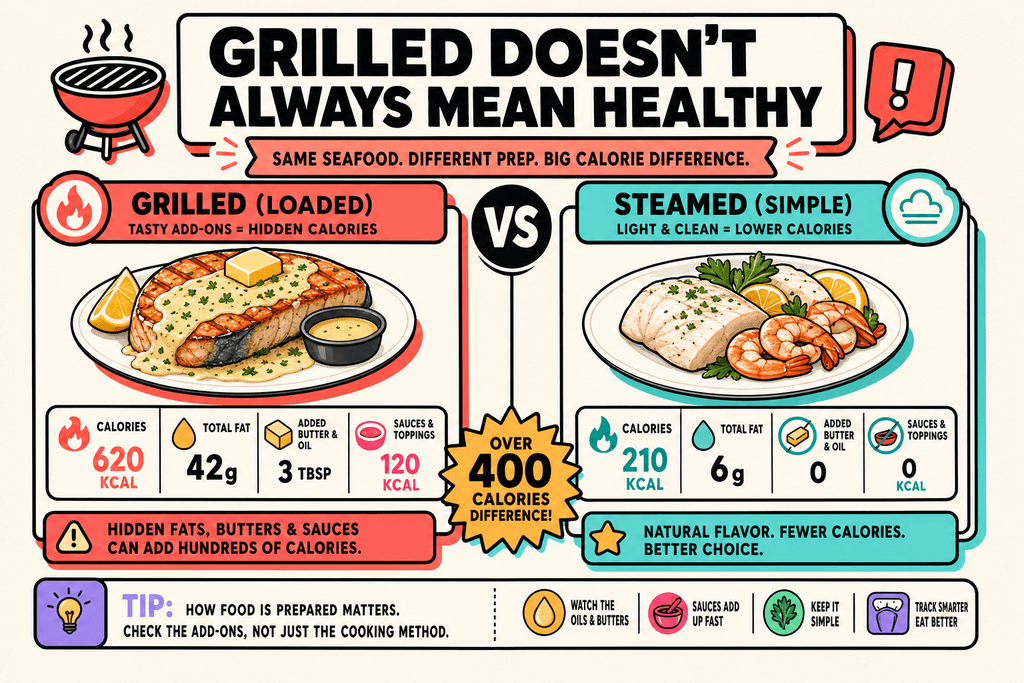
The problem isn't the grilling itself. It's everything that happens before and after the seafood hits the grill. Butter sauces, glazes, and marinades add between 200 to 400 calories to dishes that would otherwise be relatively lean. That innocent-looking glaze drizzled over your salmon might contain more calories than a candy bar.
| Preparation Method | Calories | Sodium (mg) |
|---|---|---|
| Grilled with Sauce | 850-1,020 | 2,100-2,800 |
| Steamed Plain | 320-450 | 680-920 |
| Difference | 530-570 | 1,420-1,880 |
Restaurant portion sizes make things worse. What Red Lobster serves as a single portion is typically 2 to 3 times larger than what nutritionists recommend. Even more surprising, some grilled items contain more sodium than fried options because of the marinades used. Requesting your sauce on the side can save you over 300 calories per meal, and you'll still get plenty of flavor with just a small amount.
Side Dishes Secretly Double Your Calorie Count
Side dishes seem like an afterthought when you're ordering, but they can completely change your meal's nutritional profile. That Caesar salad you picked as a "healthy" side contains 470 calories, which is actually more than some of the entrees on the menu. The creamy dressing and cheese turn what should be a light option into a calorie bomb that rivals a burger.
French fries add 490 calories and 1,000mg of sodium to your plate. Rice pilaf contributes 370 calories because it's loaded with butter and oil during preparation. Even the broccoli, which should be one of the healthiest options, becomes problematic when it arrives at your table topped with melted butter and cheese.
- Caesar Salad: 470 calories (more than some entrees)
- French Fries: 490 calories, 1,000mg sodium
- Rice Pilaf: 370 calories from butter and oil
- Steamed Vegetables: 60 calories (genuinely low-calorie)
- Garden Salad: 90 calories without dressing
The difference between choosing steamed vegetables versus fries is over 400 calories. That's the equivalent of an entire additional meal for some people. Apps like MyFoodBuddy make tracking these additions effortless since you can just say what you ate and it calculates everything for you, including those sneaky side dishes that add up fast.
Sodium Levels That Exceed Daily Limits in One Meal
Calories get all the attention, but sodium is the silent nutrition killer at Red Lobster. The Admiral's Feast contains a staggering 4,650mg of sodium, which is double the recommended daily limit of 2,300mg for most adults. That's not a typo. One meal gives you two full days worth of salt, and your body will definitely let you know about it the next morning when you feel bloated and puffy.
High sodium doesn't just affect your blood pressure long-term. It causes immediate water retention and temporary weight gain that can mess with your head if you're trying to track progress. You might eat a reasonable number of calories but still wake up feeling heavier because of all that salt.
Seafood naturally contains some sodium, but the real problem comes from how restaurants prepare it. Butter, sauces, seasonings, and marinades pile on the salt. A piece of plain grilled fish might have 200mg of sodium, but by the time Red Lobster is done with it, that number jumps to over 2,000mg.
- Admiral's Feast: 4,650mg sodium (double daily limit)
- Recommended daily intake: 2,300mg for most adults
- Requesting no added salt reduces sodium by 30-40%
- High sodium causes bloating and water retention
Tracking sodium alongside calories gives you the complete nutritional picture. Similar to how turning any restaurant meal healthy requires looking beyond just calories, understanding your sodium intake helps you make smarter choices that actually make you feel better.
The Drinks and Desserts You Forgot to Count
Here's where most people completely lose track of their red lobster nutrition intake. You carefully consider your entree and maybe even skip the appetizer, but then you order a signature cocktail and sweet tea without thinking twice. Those drinks add 300 to 500 calories from sugar and alcohol that most diners never account for when estimating their meal. Sweet tea and lemonade might seem innocent, but each glass adds 150 to 200 calories of pure sugar.
Desserts are in a category of their own. The Chocolate Wave dessert packs an unbelievable 1,490 calories. That's more than most people should eat in an entire day, and it comes after you've already consumed a full meal. Even splitting it with someone still means you're adding 745 calories to your dinner.
| Beverage/Dessert | Calories | Sugar (g) |
|---|---|---|
| Signature Cocktail | 300-500 | 35-50 |
| Sweet Tea (glass) | 150-200 | 38-50 |
| Chocolate Wave | 1,490 | 120 |
| Water with Lemon | 0 | 0 |
Studies show that most diners don't track their drinks, which means they're missing 20 to 30% of their total calorie intake. That's a huge blind spot if you're trying to manage your weight or nutrition. Water with lemon is the only truly zero-calorie beverage option, and it's free.
Voice logging with MyFoodBuddy captures complete meals including drinks, which is something people often forget when using traditional tracking methods. You can just say "grilled salmon with rice, Caesar salad, and two margaritas" and it logs everything. This matters because voice technology makes calorie counting at restaurants actually doable instead of something you give up on after a week. Understanding red lobster nutrition means accounting for every part of your meal, not just the main course.
Making Red Lobster Work for Your Goals
Red Lobster nutrition doesn't have to derail your eating plan if you know what to watch for. The biggest surprises usually come from things you don't expect, like those innocent-looking biscuits packing 160 calories each or creamy sauces adding 300+ calories to an otherwise healthy fish dish. Once you're aware of where the hidden calories lurk, making smarter choices becomes pretty straightforward. The difference between a 600-calorie meal and a 1,400-calorie meal often comes down to just a few simple swaps.
The good news is that enjoying Red Lobster doesn't mean throwing your progress out the window. Grilled options exist, steamed vegetables are available, and asking for sauce on the side takes zero effort. Most people just don't realize how much these small changes add up over time.
The real challenge isn't knowing what to order, it's actually tracking it afterward. Traditional calorie tracking apps make you search through endless database entries and guess at portion sizes, which is why most people just skip logging restaurant meals entirely. With voice-powered tracking tools, you can just say what you ate and move on with your day.
MyFoodBuddy handles the nutritional breakdown automatically, so you don't need to spend ten minutes after dinner trying to figure out if your meal was closer to the "Wood-Grilled Lobster, Shrimp and Salmon" entry or the "Admiral's Feast" in some database. You just tell it what you had, and the AI figures out the rest using USDA data. The same approach works whether you're dealing with restaurant meals or home cooking.
The bottom line is that red lobster nutrition fits into your goals when you have the right information and tools to track it without hassle.
Common Questions About Red Lobster Nutrition
Eating out at Red Lobster doesn't have to derail your health goals, but it does raise some practical questions. Whether you're counting calories for weight loss or just trying to make smarter choices, knowing what to order and how to track it matters. Here are the most common questions people ask about red lobster nutrition and how to handle dining there without the guesswork.
What's the lowest calorie meal at Red Lobster?
The Live Maine Lobster with a side of broccoli comes in around 200-300 calories depending on size, making it one of the lightest options. Grilled fish dishes like the Rainbow Trout or Salmon without butter also stay under 400 calories when paired with steamed vegetables. Skip the biscuits and creamy sides, and you can easily keep your meal under 500 calories total.
How do I track Red Lobster meals accurately?
Red Lobster provides nutrition information on their website, but manually entering everything into a tracking app takes forever. MyFoodBuddy makes this simple by letting you just say what you ate, like "grilled salmon with broccoli from Red Lobster," and the app calculates everything for you using AI. No more searching through databases or creating custom meals that take five minutes to log.
Are the nutrition facts on Red Lobster's website accurate?
The numbers are generally reliable for standard menu items, but restaurant portions can vary slightly between locations. Preparation methods also matter since chefs might use different amounts of butter or oil. The listed values give you a solid baseline, but actual calories could be 10-20% higher depending on who's cooking that day.
Can I eat at Red Lobster while losing weight?
Absolutely, as long as you stick to grilled proteins and vegetable sides instead of fried options and heavy sauces. Plan ahead by checking red lobster nutrition info before you go, and decide what fits your calorie budget. Eating half your entree and skipping the biscuits can easily cut 500-800 calories from your meal without feeling deprived.
What should I avoid ordering at Red Lobster?
Stay away from anything fried, dishes with creamy sauces, and the pasta options which can pack 1,000+ calories before you add sides. The Admiral's Feast and similar combo platters often exceed 1,500 calories in one sitting. Loaded mashed potatoes and rice pilaf add unnecessary calories compared to steamed broccoli or asparagus.
How many calories are in Cheddar Bay Biscuits?
Each Cheddar Bay Biscuit contains about 150 calories, and most people eat at least two before their meal arrives. That's 300 calories of butter and carbs before you even start your entree. If you're tracking your intake seriously, those biscuits can blow through a quarter of your daily calorie budget in minutes.
Ready to start tracking smarter?
Download MyFoodBuddy and start tracking your calories by just saying what you ate. No more searching databases or guessing portions.
Get started