Nutritionix Review Database, API, and How to Get Started
Nutritionix review: see the database size, API access, and pricing, then find out where to sign up and start logging food today.
Nutritionix is a food database and nutrition API, owned by Syndigo LLC, that sits behind thousands of health and fitness apps you have probably already used. It does not log your meals for you, it just supplies the nutrition facts those apps pull from when you type in a chicken sandwich or a protein bar. Right now the database holds 1,266,570 food items, covering grocery products, restaurant menu items, and common foods, and that number keeps climbing every month. For someone trying to lose weight by tracking calories, this is the reason your app can tell you what's in a Chipotle bowl or a store brand yogurt the second you search for it.
Table of Contents
What's Inside the Nutritionix Database
The database is split into three parts, and each one pulls its numbers from a different place. Grocery items make up the biggest chunk, with 1,053,256 items from 48,317 brands, covering more than 92% of what's actually on shelves in the U.S. and Canada. If you're buying packaged food to hit a calorie target, that coverage is why a barcode scan usually turns up a real match instead of a blank screen.
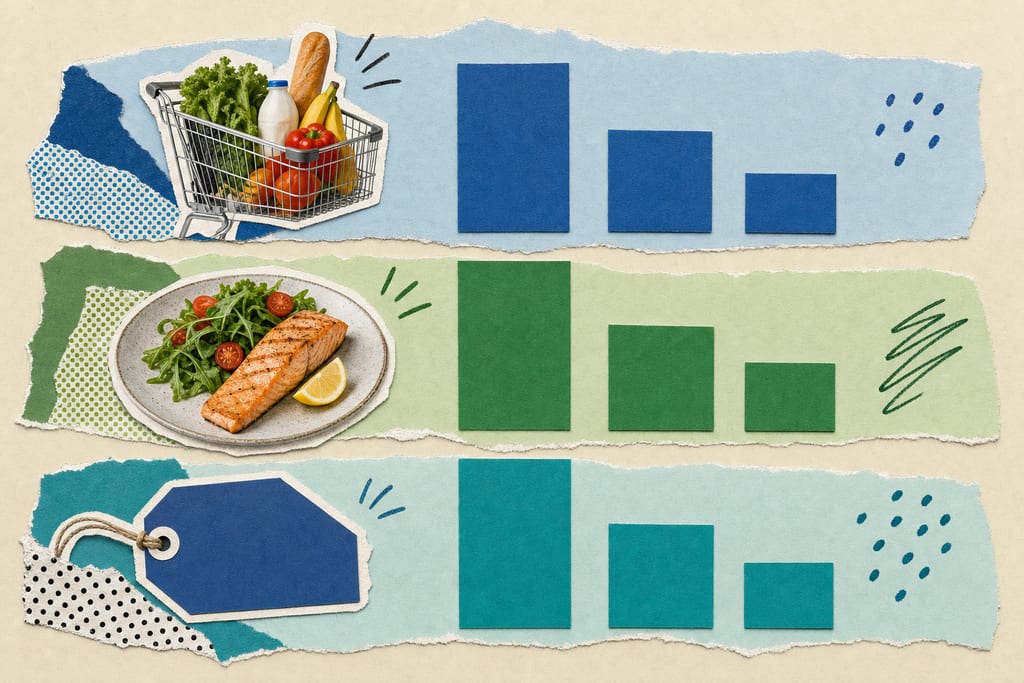
Restaurant meals get their own section, built from 202,837 items across 860 restaurants, with over 600 chains checked regularly so menu changes don't throw off the numbers. That matters if you eat out while trying to lose weight, since a burrito bowl's calorie count changes when a chain swaps ingredients. Common foods, the stuff without a barcode or menu like a banana or two scrambled eggs, get their own layer too, with 10,477 Common Food Tags mapped to 38,828 phrases, put together with help from a registered dietitian team.
| Segment | Items | Sources |
|---|---|---|
| Grocery | 1,053,256 | 48,317 brands |
| Restaurant | 202,837 | 860 restaurants |
| Common foods | 38,828 phrases | 10,477 tags |
Whichever app pulls from this data, the depth here is one reason AI apps for calorie counting can recognize a dish from a plain description instead of forcing you to search a product name letter by letter.
How the Nutrition API Fits Into Your Favorite Apps
Most calorie apps don't build their own food database from scratch. They license access to one, and Nutritionix's API is one of the bigger pipes feeding that data, handling 250M+ queries every month from thousands of health and fitness apps. When you type "grilled chicken wrap" into whatever app you use, there's a decent chance that request is hitting a system like this one behind the scenes.
Beyond the live API, Nutritionix also runs a bulk data delivery service for companies that want the whole database rather than one lookup at a time. That service includes:
- Semi-monthly CSV and JSON exports of the full database
- Multi-lingual support as an add-on for non-English food labels
- Wellness claims data, like gluten-free or vegan flags
- Grocery categorization to sort items by aisle or type
None of this changes what you type into an app, but it explains why nutrition lookups feel instant even for obscure brands. The speed comes from licensing, not from any one app building everything itself.
Where to Sign Up and Get Help
If you're trying to reach Nutritionix directly, the official support channel is the Help Site at help.nutritionix.com. That's where support questions about the data or the Track app go, rather than through social media or email guesses.
There's also an active community on Reddit at r/Nutritionix, where users talk through their day to day experience with the Track app, including bugs and feature requests. A few things worth knowing before you go looking for sign-up details:
- Specific pricing tiers for the Track app aren't published on public pages
- Direct sign-up links for Track aren't listed outside the Help Site
- Feature lists for Track, like whether it supports barcode scanning, aren't confirmed publicly
Because of that, the Help Site is the only place to confirm current details rather than guessing from old reviews or forum posts. If you're weighing a dedicated tracking app instead of a database license, it's worth comparing that against something like MyFoodBuddy, which logs meals by voice or text rather than requiring manual search.
Should You License the Data or Just Pick an App?
If what you need is the raw food data behind a tracker, Nutritionix earns its spot through sheer size, over a million items pulled from groceries, restaurants, and dietitian-curated common foods. But if you just want to open an app and say what you ate, you're not the customer for a database license. Before you commit to anything, confirm Track's current features and pricing on the Help Site or r/Nutritionix, since neither is listed publicly yet. If speaking your meals out loud and getting instant calorie counts is what you're after, that's the exact job MyFoodBuddy is built to do.
Nutritionix Questions Weight Loss Trackers Ask
Is Nutritionix the same company behind the Track app, or just the database?
Nutritionix is the database and API company, owned by Syndigo LLC, and Track is the consumer app built on top of that same data. The two are connected, but the business mostly runs on licensing food data to other apps rather than promoting Track as its main product.
Why is it so hard to find a price for the Nutritionix Track app?
Because Nutritionix doesn't publish Track's pricing on its main pages, since its business is built around selling database access and API queries to other companies, not around marketing a consumer app. If you're comparing options for weight loss tracking, that gap alone is worth noting before you commit time to signing up.
Does a huge food database mean every restaurant meal I log will be accurate?
Not automatically. The restaurant data covers 860 chains with regular menu checks, but any app pulling from it only shows what's current in that feed, and small independent restaurants without a chain presence usually won't show up at all. For home cooked meals or off menu swaps, you'll still be estimating rather than matching an exact listing.
Ready to start tracking smarter?
Download MyFoodBuddy and start tracking your calories by just saying what you ate. No more searching databases or guessing portions.
Get started