
Macro Calculator for Women Made Simple
Use this macro calculator for women to get daily calories plus protein, carbs and fat in grams for your stats and weight goal. Try it free for 7 days.
A macro calculator for women takes your age, height, weight, activity level and goal, then hands back a daily calorie number split into grams of protein, carbs and fat. Because women generally carry more body fat and less muscle than men at the same height, those calorie totals typically come out lower. That is not a penalty, it is just how resting energy use works, and it means copying a partner's numbers will almost always put you too high. The calculator below runs the math for you, and the same TDEE math is built into the app you use to log your food, so your targets and your meals live in one place.
Table of Contents
Macro Calculator for Women
Enter five things and you get four numbers back. Age, height, current weight, activity level from sedentary through very active, and whether the goal is to lose, maintain or gain.
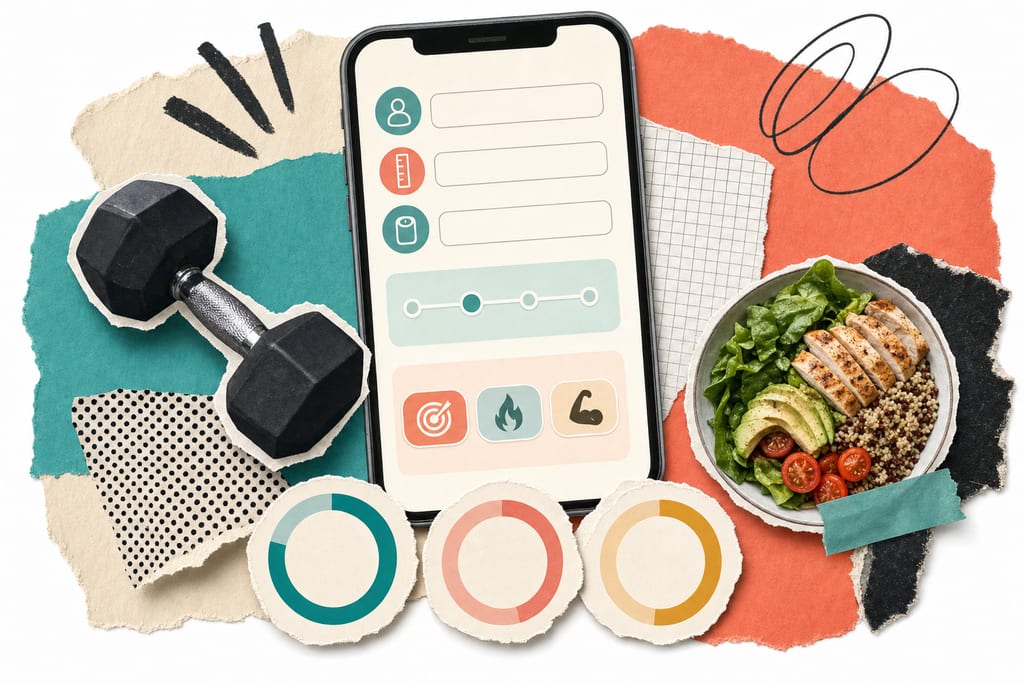
What comes out is a daily calorie target plus protein, carbs and fat in grams, shown per day and per meal so you know roughly what belongs on a plate. The calculator does the arithmetic for you using standard BMR and activity multipliers, so there is no formula to work through by hand.
| Input | What it changes |
|---|---|
| Age | Resting burn eases down through your 30s and 40s |
| Height | Taller frames need more energy at rest |
| Current weight | Sets the base of the BMR estimate |
| Activity level | Multiplies maintenance, roughly 1.2 to 1.9 |
| Goal | Adds or subtracts calories from maintenance |
Choose "lose" and it takes a moderate deficit off maintenance rather than dropping you to an extreme low. The result is an estimate to start from, not a medical prescription, and setting up dietary goals without complex math only works once a few weeks of real logging confirm the number.
What Those Macro Targets Look Like for Real Women
Macro needs are personal. Age, height, weight, activity level and whether the goal is losing, maintaining or gaining all shift the numbers, which is why two women at the same weight can land on different targets. A woman in a moderate deficit will generally see a lower calorie total than one holding steady at maintenance, even if their weights are close, because the deficit itself changes the math.
Instead of publishing a single set of numbers as if they apply to everyone, it helps to think in terms of patterns:
- Someone losing weight typically eats below their maintenance calories, with protein kept high to protect muscle.
- Someone maintaining weight eats closer to their calculated maintenance level, with protein still prioritized.
- Carbs and fat can be shifted higher or lower relative to each other, as long as protein and total calories stay consistent, to fit how a person actually likes to eat.
Protein stays high in most cases, because it supports fullness and helps preserve muscle during a deficit. Carbs and fat are the flexible part of the split. Because the right numbers depend on individual stats and goals, a dietary goals calculator that factors in age, weight, height and activity is a more reliable way to get a personal target than applying someone else's numbers.
Adjust Your Targets Every Few Weeks
Two to three weeks is the shortest honest test of a new target. Give any new number two to three weeks before you touch it, because water weight, salt and cycle timing swing the scale by several pounds in either direction.
- Log two full weeks, weekends and restaurant meals included
- Weigh in the same way each morning and compare weekly averages
- If the average has not moved, trim carbs or fat slightly and leave protein alone
- If you are exhausted or ravenous, add calories back toward maintenance
- Rerun the numbers as your weight changes
Counting grams by hand is where most people quit, which is why voice logging matters: with MyFoodBuddy you say "two eggs, toast and a flat white" and the AI pulls the macros, while Fiona, the in-app coach, reads those logs next to your sleep and activity and flags patterns you would miss. If typing feels faster, voice commands for calorie tracking and text entry get to the same place.
Pick Your Starting Number and Log One Full Day
Write down the calorie and gram targets you got above and treat them as settled for now. Then log one ordinary day start to finish, the coffee, the handful of nuts at 4pm, the glass of wine, before you decide the targets are wrong. Most people find the numbers are fine and the gaps are in what went unrecorded. Trying it costs nothing for the first 7 days, and $39 a year after that, cancelled whenever you want. One honest day of logging tells you more than another round of math.
Macro Questions Women Ask
Should I use a macro calculator while pregnant or breastfeeding?
Not for weight loss. Pregnancy and nursing both raise your energy and nutrient needs, and a deficit can affect milk supply. Your doctor or a registered dietitian sets your targets during those months. Tracking food can still be useful for protein and iron, but the calorie figure should come from them, not a formula.
Why do I want way more food the week before my period?
Resting energy use rises slightly in the luteal phase, and progesterone drives appetite up, so the hunger is real. Eating a bit more protein and some extra carbs that week usually settles it. Judge your results on a full month of logs instead of one hungry week, and hold your targets steady.
Do I eat back the calories my smartwatch says I burned?
Mostly no. Watch estimates for walking and workouts tend to run high, and if your activity level already sat at light or moderate when you ran the numbers, that movement is counted once. For a long training session, eating back about half is a reasonable middle ground.
Ready to start tracking smarter?
Download MyFoodBuddy and start tracking your calories by just saying what you ate. No more searching databases or guessing portions.
Get started