Cheesecake Factory Nutrition Myths Dieters Believe
Discover the truth about Cheesecake Factory nutrition. Learn which menu myths are sabotaging your weight loss and how to make smarter choices.
You order what looks like a reasonable meal at Cheesecake Factory, track it in your calorie app, and wonder why the scale won't budge. The truth is that most dieters completely misunderstand cheesecake factory nutrition, falling for myths that can quietly add thousands of extra calories to their week. With MyFoodBuddy's AI-powered tracking, you can quickly log restaurant meals and see exactly where those hidden calories are hiding, but first you need to know which common beliefs about this popular chain are sabotaging your progress.
Table of Contents
- Why Cheesecake Factory Nutrition Is So Confusing
- Salads Are Always the Healthy Choice
- Splitting an Entree Saves Enough Calories
- Grilled Options Are Low Calorie
- Skipping Cheesecake Makes It a Healthy Meal
- Why These Myths Sabotage Your Weight Loss
- Taking Control of Restaurant Nutrition
- Common Questions About Cheesecake Factory Nutrition
Why Cheesecake Factory Nutrition Is So Confusing
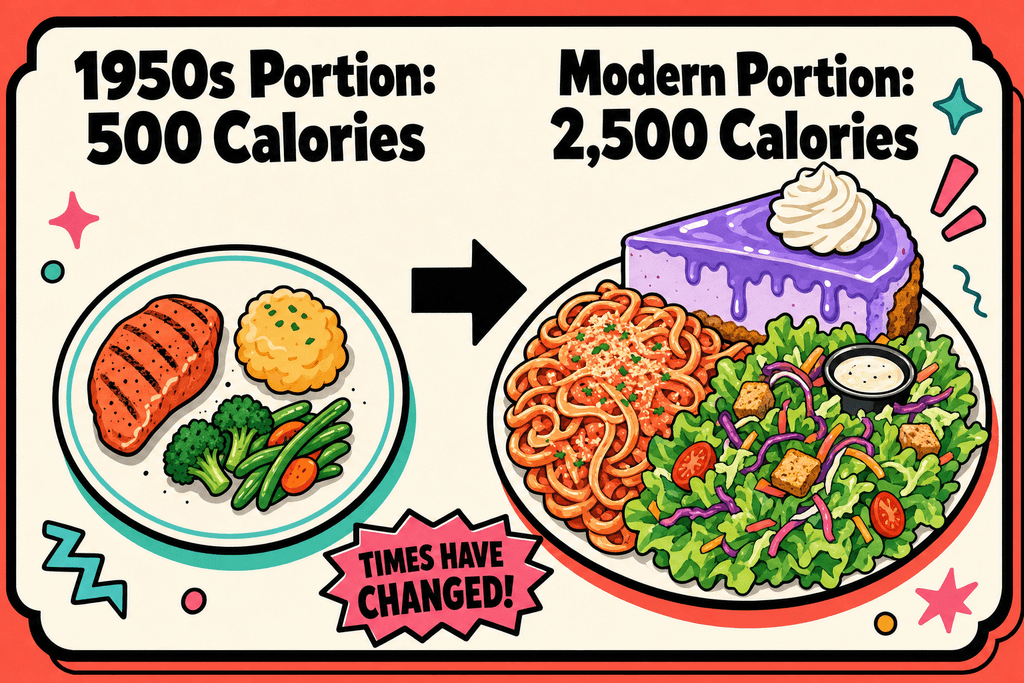
A single plate at The Cheesecake Factory can pack more calories than most people should eat in an entire day. The restaurant industry has quietly been supersizing our meals for decades, and most of us have no idea just how much we're actually eating when we dine out. What used to be a normal dinner portion in the 1950s would look like a kid's meal today, and The Cheesecake Factory has become the poster child for this trend. With their famously massive menu and even bigger portions, figuring out cheesecake factory nutrition feels like solving a puzzle blindfolded.
How Restaurant Portions Grew Out of Control
Restaurant portions didn't just get a little bigger over the years. They exploded in size, and the numbers tell a pretty shocking story.
Restaurant portions have ballooned by 300% since the 1950s, turning what used to be reasonable meals into calorie bombs that can derail your entire day of eating.
Here's how typical restaurant portions compare to what they used to be:
| Food Item | 1950s Portion | Today's Portion | Calorie Increase |
|---|---|---|---|
| Pasta Dish | 1.5 cups | 3+ cups | +525 calories |
| Burger | 3.9 oz | 8+ oz | +400 calories |
| Soda | 7 oz | 32+ oz | +280 calories |
| Dessert Slice | 3 oz | 7+ oz | +350 calories |
The Cheesecake Factory takes this trend to another level. Their menu spans over 250 items, each with wildly different calorie counts that can range anywhere from 500 to over 2,500 calories per dish.
Why We Can't Guess Calories Correctly
Even people who track their food regularly struggle at restaurants. Our brains just aren't wired to estimate calories accurately when portions are this big.
Studies show that most people underestimate restaurant calories by 600-800 calories per meal, which can completely wreck your daily calorie goals without you even realizing it.
Here's why guessing goes so wrong at places like The Cheesecake Factory:
- Hidden oils and butter add hundreds of calories you can't see
- Sauces and dressings can pack 300-500 calories alone
- Portion sizes look normal because we've gotten used to supersized meals
- Menu descriptions don't mention high-calorie cooking methods
The Calorie Posting Requirement Changed Everything
In 2018, the FDA started requiring chain restaurants with 20 or more locations to post calorie counts on their menus. This was supposed to help people make better choices, but it also revealed just how calorie-dense restaurant food really is.
When The Cheesecake Factory posted their numbers, people were shocked:
- Some pasta dishes topped 2,400 calories
- Appetizers alone could hit 1,800 calories
- A slice of cheesecake ranged from 830 to 1,570 calories
- Full meals with appetizer, entree, and dessert could exceed 4,000 calories
Apps like MyFoodBuddy make tracking these restaurant meals easier by letting you just say what you ate instead of manually entering every ingredient. But even with calorie counts posted, understanding cheesecake factory nutrition requires knowing what those numbers actually mean for your daily goals.
Salads Are Always the Healthy Choice
Walking into Cheesecake Factory and ordering a salad feels like the responsible choice when you're trying to lose weight. You skip the pasta, avoid the burgers, and go straight for the greens. But here's what most people don't realize about Cheesecake Factory nutrition: that innocent-looking salad might pack more calories than a Big Mac and fries combined. The Caesar salad alone contains 1,510 calories before you even add chicken, which is nearly an entire day's worth of calories for someone trying to lose weight.
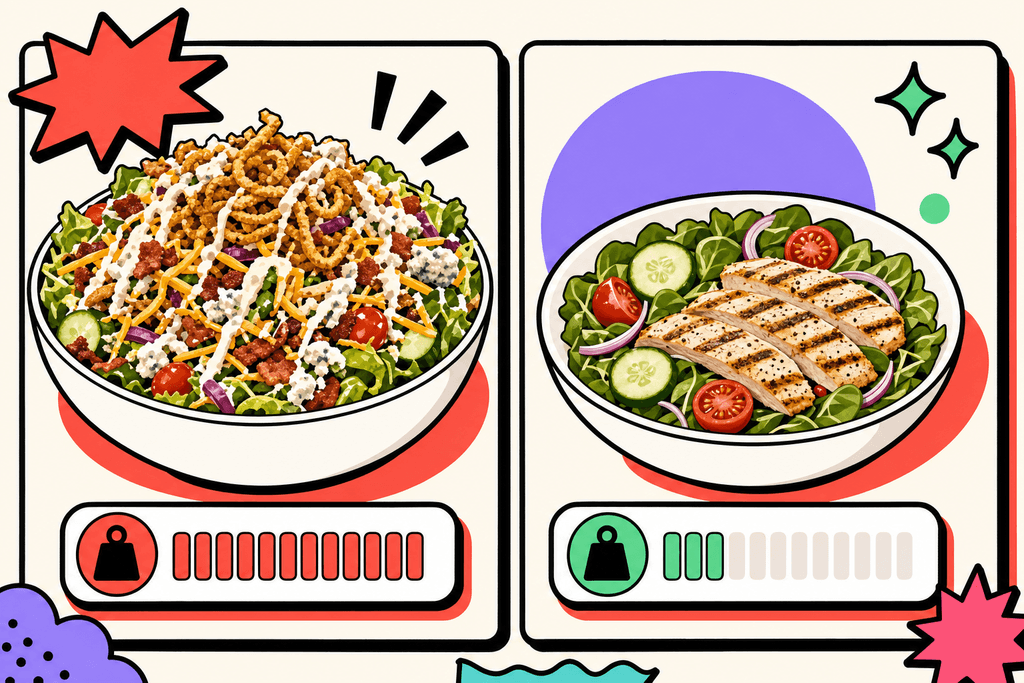
The problem isn't just the lettuce and vegetables. It's everything else that comes with it.
| Salad Item | Calories | Comparison |
|---|---|---|
| Caesar Salad | 1,510 | More than 3 Big Macs |
| Chinese Chicken Salad | 1,340 | Same as 2 burgers |
| Factory Chopped Salad | 900 | Still half daily budget |
The dressings and toppings are where things get really messy. A single serving of creamy dressing adds between 400 to 800 calories, and most salads come drenched in it. Then you've got fried wontons, candied nuts, cheese, bacon bits, and crispy chicken that turn your "healthy" choice into a calorie bomb.
Some salads at Cheesecake Factory actually have more calories than their burgers. That's not a typo. The fried ingredients and cheese make what should be a light meal into something that could wreck your entire day of eating. If you're tracking your meals with something like MyFoodBuddy, you'd see just how quickly those numbers add up when you log a restaurant salad.
- Ask for dressing on the side and use half
- Skip fried toppings like wontons or crispy chicken
- Request grilled protein instead of breaded
- Cut the portion in half immediately
- Avoid candied nuts and dried fruits
Splitting an Entree Saves Enough Calories
Sharing a meal with someone sounds like the perfect compromise. You get to enjoy Cheesecake Factory without eating a massive portion, right? The math seems simple: cut the calories in half, and you're good to go. But when you actually look at the numbers, splitting an entree still leaves you with way more calories than you think. The Pasta Carbonara, when split between two people, still gives each person around 1,200 calories. That's before you touch the bread basket or order an appetizer.
Most people trying to lose weight need somewhere between 1,500 to 2,000 calories per day total. When half an entree takes up most of that budget, you're left with almost nothing for breakfast, lunch, or snacks.
| Menu Item | Full Portion | Split (Per Person) |
|---|---|---|
| Pasta Carbonara | 2,400 cal | 1,200 cal |
| Chicken Madeira | 2,100 cal | 1,050 cal |
| Fried Mac & Cheese | 1,800 cal | 900 cal |
The real problem happens when you add everything else. That bread basket sitting on your table adds 300 to 400 calories before your meal even arrives. Most people eat two or three pieces without thinking about it. Then there's the appetizer you split, which adds another 500 to 1,000 calories per person depending on what you order.
Better strategies exist for managing portions at restaurants. You could order from the lighter menu options if they're available, or immediately box up three-quarters of your entree before you start eating. Using a calorie tracking app that lets you quickly log meals by voice makes it easier to see where you stand before the damage is done.
Grilled Options Are Low Calorie
Grilled chicken sounds healthy. It's not fried, it's not breaded, and it seems like the kind of thing a nutritionist would approve of. But Cheesecake Factory's grilled dishes aren't what they appear to be. The grilled chicken dishes on their menu range from 800 to 1,400 calories, which is a huge spread for something that's supposed to be a lighter option. The problem isn't the chicken itself, but everything that happens to it in the kitchen and what comes alongside it on the plate.
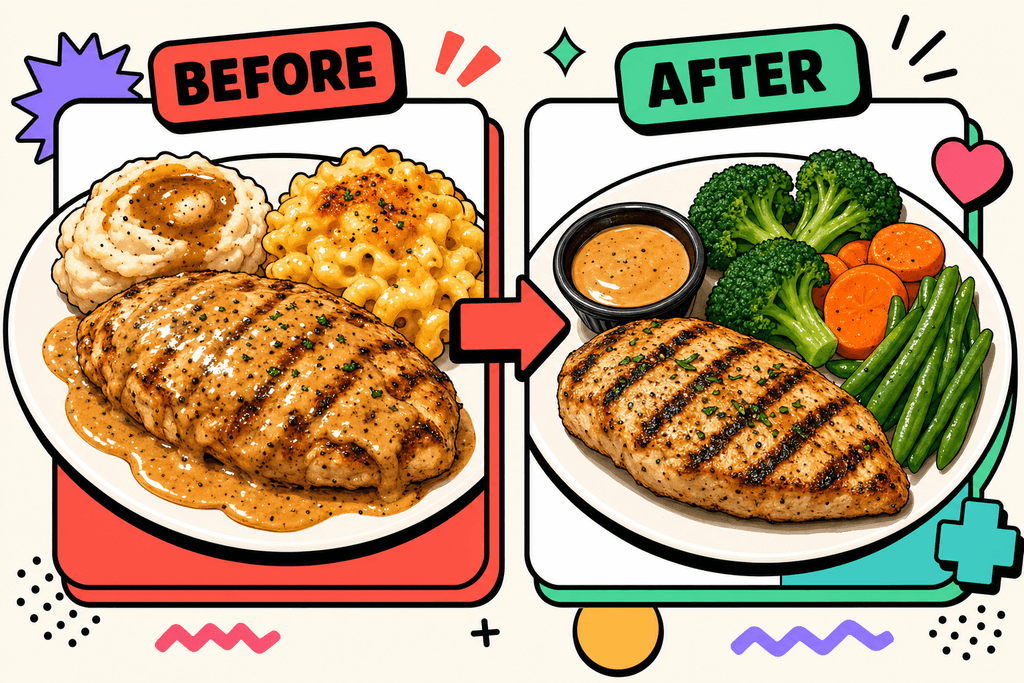
Restaurants use a lot more butter and oil than you'd ever use at home. When they grill that chicken, they're adding between 200 to 400 calories just from the cooking fats. Then come the sauces and glazes, which contribute another 300 to 600 extra calories. A teriyaki glaze or lemon butter sauce might taste amazing, but it's basically liquid calories poured over your protein.
Cooking oils and butter: 200-400 calories
Sauces and glazes: 300-600 calories
Side dishes: 400-800 calories
Total hidden calories: 900-1,800 calories
The side dishes are another trap. That grilled chicken comes with mashed potatoes, rice, or vegetables that are cooked in butter. Those sides add another 400 to 800 calories to your plate. Even the vegetables aren't safe because they're often sautéed in oil or topped with cheese.
To minimize the damage, ask for sauces on the side and use them sparingly. Request steamed vegetables with no butter, and consider swapping starchy sides for a simple salad with dressing on the side. When you're logging this in an app like MyFoodBuddy, you can speak or type exactly how you ordered it, and the AI will help you track those modifications accurately.
Skipping Cheesecake Makes It a Healthy Meal
Turning down dessert feels like a victory. You made it through the entire meal without ordering that slice of cheesecake, so you must have done okay, right? The truth is that the damage was already done long before the dessert menu arrived. The average Cheesecake Factory entree contains between 1,200 to 1,800 calories on its own. For someone trying to lose weight on a 1,500 calorie daily budget, that single meal just used up more than an entire day's worth of calories.
One meal shouldn't be your entire daily calorie budget. When you eat like that, you're either going way over your goals or you're skipping other meals to compensate, which usually backfires later when you get too hungry.
| Daily Calorie Goal | Average CF Entree | Remaining Budget |
|---|---|---|
| 1,500 (weight loss) | 1,500 | 0 |
| 1,800 (weight loss) | 1,500 | 300 |
| 2,000 (maintenance) | 1,500 | 500 |
Smart strategies for enjoying restaurants while losing weight involve planning ahead. Check the menu online before you go and decide what you'll order. Some people find it helpful to eat a small, protein-rich snack before heading to the restaurant so they're not starving when they arrive. You could also use similar strategies that work for office parties and other food-heavy events.
The key is tracking everything accurately. Apps that make logging quick and easy help you stay accountable without turning it into a chore. With MyFoodBuddy, you can just say what you ate and the AI figures out the nutritional information for you. That means you can log your Cheesecake Factory meal in seconds, see exactly where you stand, and make informed decisions about the rest of your day. Understanding how accurate modern calorie counters are helps you trust the data you're seeing and make better choices going forward.
Why These Myths Sabotage Your Weight Loss
The Cheesecake Factory spends millions on menu design and marketing to make you feel good about your choices. They know exactly what they're doing when they add words like "fresh," "grilled," or "salad" to menu items. These health halos trick your brain into thinking you're making smart choices when the reality is very different. Restaurant chains have entire teams dedicated to making high-calorie foods sound healthy, and it works because people desperately want to believe they can enjoy restaurant meals without derailing their progress.
The biggest problem is that most people have no idea what they're actually eating when they dine out. Without proper tracking, that "light" lunch at Cheesecake Factory becomes a complete mystery in terms of calories and macros.
The Math That Kills Your Progress
Let's break down how one restaurant meal can destroy a week of hard work. Say you're trying to lose one pound per week, which requires a 500-calorie daily deficit.
| Scenario | Calories | Impact |
|---|---|---|
| Weekly deficit goal | 3,500 calories | 1 lb loss |
| One Cheesecake Factory meal | 2,400 calories | Overage of 900 |
| Remaining weekly deficit | 2,600 calories | 0.74 lb loss |
That single meal just reduced your weekly progress by 26%. Have two restaurant meals that week and you might not lose anything at all.
Why Tracking Solves the Restaurant Problem
The solution isn't avoiding restaurants forever. It's knowing exactly what you're eating so you can plan around it. Modern apps like MyFoodBuddy let you quickly log restaurant meals by simply speaking what you ate, pulling cheesecake factory nutrition data instantly without the hassle of manual entry.
- Voice logging takes 10 seconds versus 5 minutes of searching databases
- AI extraction means you don't need to guess portion sizes
- Real-time tracking shows if you can afford that dessert
- Planning ahead lets you save calories for special meals
The difference between success and failure often comes down to awareness. When you can see the real numbers in seconds, those nutrition myths lose their power over your choices. You stop fooling yourself and start making decisions based on facts instead of marketing.
Taking Control of Restaurant Nutrition
So we covered four big myths about cheesecake factory nutrition that trip up a lot of people trying to lose weight. The salads aren't always lighter than entrees, those small plates can pack more calories than you think, splitting a meal doesn't automatically make it healthy, and skipping the cheesecake won't save you if the rest of your meal was 2,000 calories. These mistakes happen because restaurants make it really hard to know what you're actually eating.
The truth is that restaurant meals are where most diets fall apart. You can track your breakfast and lunch perfectly, but one dinner out can wipe out your whole week's progress if you're not paying attention. Most people just guess at restaurant calories and end up way off.
The good news is that tracking doesn't have to be complicated anymore. With MyFoodBuddy, you can just say what you ate at Cheesecake Factory and the app figures out the nutrition info for you in seconds. No searching through endless databases or doing math while your food gets cold.
Making smart choices at restaurants starts with knowing the real numbers, not guessing based on how healthy something sounds. Once you see the actual calorie counts, you can decide what's worth it and what's not. Maybe you really want that cheesecake and you'll plan the rest of your day around it, or maybe you'd rather have a bigger dinner and skip dessert.
The key is having accurate information so you can make choices that fit your goals. Whether you're eating at Bareburger or trying to figure out what lowest calorie fast food meal really means, tracking your meals helps you stay on track without giving up the foods you enjoy.
Common Questions About Cheesecake Factory Nutrition
Eating out while tracking calories brings up a lot of questions, especially at places like Cheesecake Factory where portion sizes can be tricky. These are the most common questions people ask when trying to balance restaurant meals with their health goals. Getting clear answers makes it way easier to enjoy dining out without derailing your progress.
What's the lowest calorie meal at Cheesecake Factory?
The SkinnyLicious menu offers the lowest calorie options, with most dishes ranging from 400 to 600 calories. The Grilled Salmon or Tuscan Chicken are solid choices that keep you under 600 calories while still being filling. Just watch out for the bread basket, which can add 200-300 calories before your meal even arrives.
How can I track Cheesecake Factory meals accurately?
Cheesecake Factory provides nutrition information on their website and in-store, so you can look up exact numbers before or after eating. For the easiest tracking, apps like MyFoodBuddy let you just say what you ate and the AI figures out the calories for you in seconds. This beats manually entering every ingredient, especially when you're dealing with complex restaurant dishes that have dozens of components.
Is it possible to eat at Cheesecake Factory while losing weight?
Yes, but you need to plan ahead and make smart choices. Stick to grilled proteins, ask for dressings on the side, and consider splitting an entree or taking half home. The key is fitting the meal into your daily calorie budget rather than treating it as a free-for-all cheat day.
What should I avoid ordering at Cheesecake Factory?
Skip the pasta dishes, which often pack 1,500+ calories in a single plate. Fried appetizers and anything with cream sauce will also blow through your calorie budget fast. The cheesecake itself ranges from 800 to 1,500 calories per slice, so save that for special occasions or split it with your whole table.
How do I estimate calories when nutrition info isn't available?
Look for similar dishes from other restaurants in tracking apps to get a ballpark estimate. Restaurant meals typically have 2-3 times more calories than homemade versions due to added oils, butter, and larger portions. When in doubt, overestimate rather than underestimate to stay on track with your goals.
Can calorie tracking apps help with restaurant meals?
Modern apps make restaurant tracking much simpler than the old manual method. Voice-based tracking lets you log your meal while you're still at the table without pulling out your phone to search through databases. The faster and easier tracking becomes, the more likely you are to stick with it long-term, which is what actually gets results.
Ready to start tracking smarter?
Download MyFoodBuddy and start tracking your calories by just saying what you ate. No more searching databases or guessing portions.
Get started