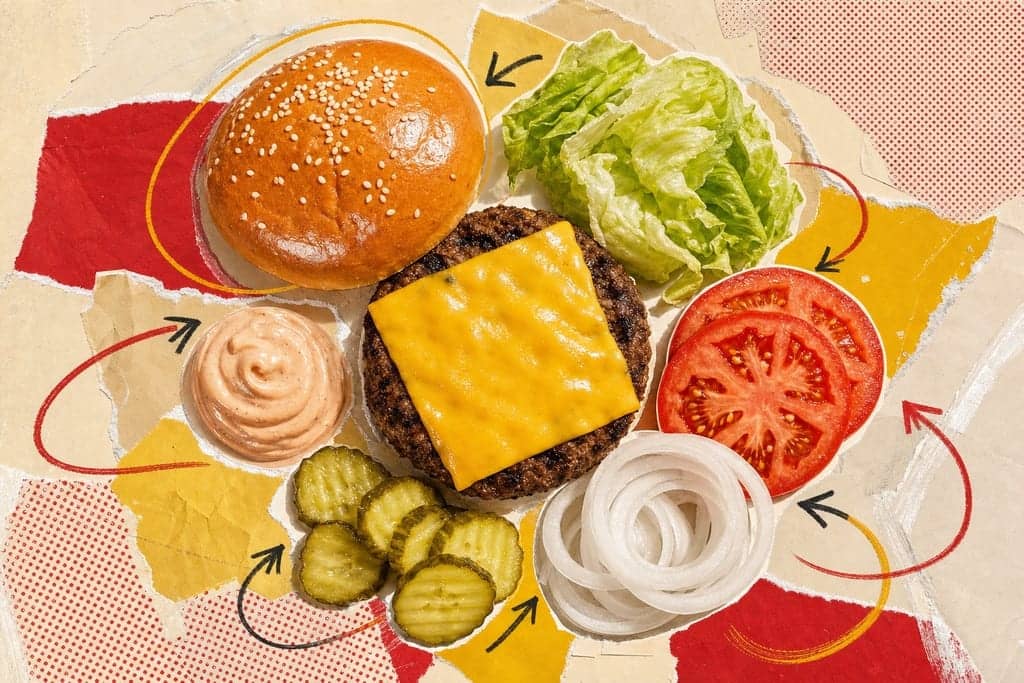
In-N-Out Cheeseburger Calories and Nutrition Facts
In-N-Out Cheeseburger has 400 calories per 268g burger. See the full nutrition breakdown and how toppings change the count.
If you order it with mustard and ketchup instead of spread, In-N-Out cheeseburger calories come to 400 for the standard 268g burger. Swap in onion the way most people actually order it, and the same size burger jumps to 480 calories. That 80-calorie gap comes down to one topping choice, not a different burger or a smaller patty. If you're counting calories for weight loss, knowing exactly how you customize your order matters more than knowing a single number off a menu board.
Table of Contents
Full Nutrition Breakdown for One Cheeseburger
A standard In-N-Out Cheeseburger made with mustard and ketchup comes with 18g of total fat and 1080mg of sodium packed into that 268g burger. That sodium figure is nearly half of what most adults should cap in a full day, so it's worth weighing against whatever else you eat before dinner.
The protein count sits at 22g, which helps explain why this burger keeps people full longer than a plain hamburger. Carbs land at 41g total, with 3g of fiber and 10g of sugar baked into the bun and toppings.
- Total fat: 18g, including 9g saturated and 0.5g trans fat
- Cholesterol: 60mg
- Sodium: 1080mg
- Total carbohydrate: 41g, with 3g fiber and 10g sugars
- Protein: 22g
Those numbers come from MyFoodDiary's listing for the 268g burger, and they're the figures worth logging if you ordered it the standard way. If you typed "In-N-Out cheeseburger" into a tracker that doesn't match this serving size, your log could be off by more than you'd expect.
Why Onion and Protein Style Change the Count
Going protein style, where lettuce replaces the bun, cuts calories without cutting much else you care about. A Protein Style Cheeseburger at 300g lands at 330 calories, and the protein content barely moves while you skip the bun's carbs entirely.
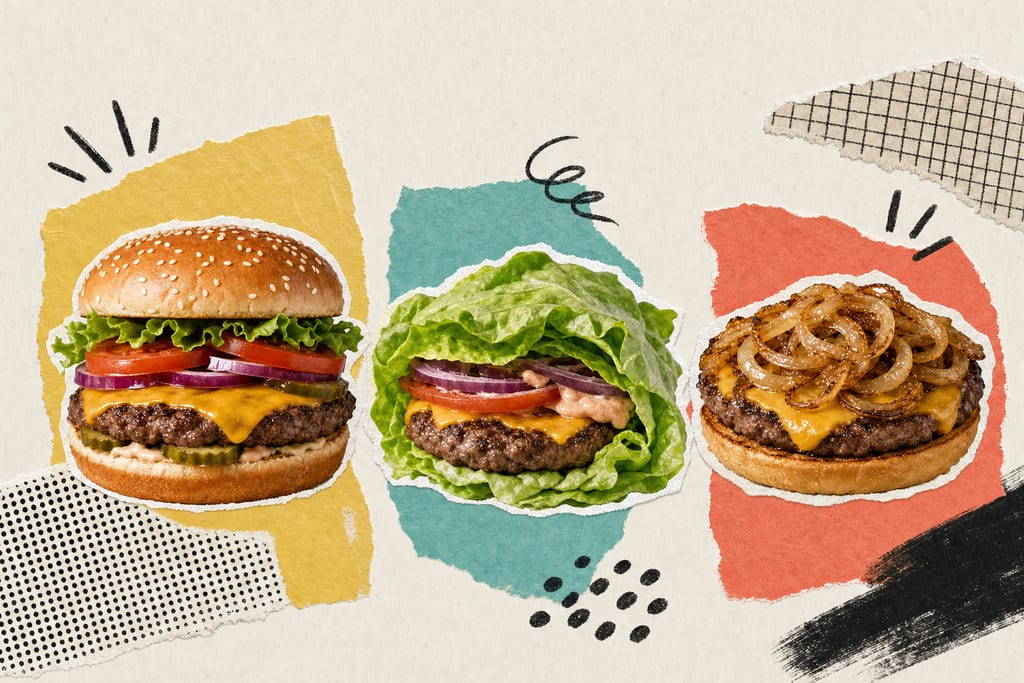
Drop the cheese too and order a Protein Style Hamburger with onion and spread, and you're down to 240 calories at 275g, with 13g protein and 3g fiber. That's a meaningful cut if you're trying to stay under a daily target without giving up the actual burger.
- Standard Cheeseburger (mustard/ketchup, 268g): 400 calories
- Protein Style Cheeseburger (300g): 330 calories
- Protein Style Hamburger with onion and spread (275g): 240 calories
Each of these swaps changes the bun, the cheese, or both, and that's what moves the number, not some hidden difference in the patty. If you're deciding between a few customizations before you order, knowing these three figures ahead of time beats guessing at the counter.
Why Two Sites List Different Calorie Totals
EatBetter's database lists the In-N-Out cheeseburger at 269 calories, which looks like a big drop from the 400-calorie figure above until you check the serving size. EatBetter is measuring a 150g portion, not the full 268g burger, so the two numbers aren't describing the same amount of food.
In-N-Out hasn't published an official calorie count for its standard menu Cheeseburger, which leaves third-party nutrition sites to measure and estimate on their own. That's why portion size, not some error in the data, is usually what's behind a mismatch between two sources.
- Check the gram weight listed next to any calorie figure before comparing it to another source
- Scale the smaller portion up to match the full burger weight if you need an apples-to-apples number
- Use the 268g, 400-calorie figure as your baseline for a standard-order Cheeseburger
Logging by voice or text in a tool that pulls from a wider nutrition database, which is the approach foodbuddy.my takes, can help you skip this kind of serving-size mix-up altogether. If a number looks off compared to what you remember eating, the gram weight is almost always the first thing to check.
Pick Your Order and Log It Before You Eat
Decide right now how you're ordering: mustard and ketchup, onion, protein style, or plain. That choice sets your number, somewhere between 240 and 480 calories, and guessing after the fact just means correcting your log later. Log the exact version before you take the first bite, not a generic "cheeseburger" entry that might be pulled from the wrong serving size. Saying your order out loud into MyFoodBuddy gets it into your log matched to the right customization in seconds, so your daily total reflects what you actually ate instead of what a menu board says.
In-N-Out Cheeseburger Questions
Does the burger taste different if I order it protein style instead of with a bun?
Yes, the texture changes since lettuce wraps the patty instead of a bun, so it eats more like a salad-burger than a classic sandwich. The flavor from the patty, cheese, and spread stays the same. Some people find it messier to hold, since there's nothing to grip the toppings together the way bread does.
Will asking for no spread actually change my order or just the calorie count?
It changes both the taste and the number on your log. Spread adds fat and a slight sweetness that mustard and ketchup don't replicate, so the burger tastes tangier and less creamy without it. Weight-wise, dropping spread is one of the easiest ways to cut calories without losing the bun or the patty.
Can I ask for extra lettuce or tomato without it messing up my calorie tracking?
Extra lettuce or tomato adds only a few calories, usually under 10, so it won't meaningfully shift your daily total. The bigger swings come from spread, cheese, and whether you keep the bun. If you're logging closely, round up slightly for extra veggies rather than skip noting the change entirely.
Ready to start tracking smarter?
Download MyFoodBuddy and start tracking your calories by just saying what you ate. No more searching databases or guessing portions.
Get started