
Budget Meals With Oat Milk Calories Kept Low
Discover low-calorie oat milk meals that fit your budget. Learn calorie counts, meal ideas, and easy tracking tips to reach your goals.
Oat milk has become one of the fastest-growing milk alternatives, but many people don't realize that oat milk calories can add up quickly if you're not paying attention. When you're trying to eat healthy on a budget, every calorie counts, and understanding how oat milk fits into your meals makes a real difference. The good news is that you can enjoy delicious, budget-friendly meals with oat milk while keeping your calorie intake in check, and apps like MyFoodBuddy make tracking those calories as simple as saying what you ate.
Table of Contents
Understanding Oat Milk Calories
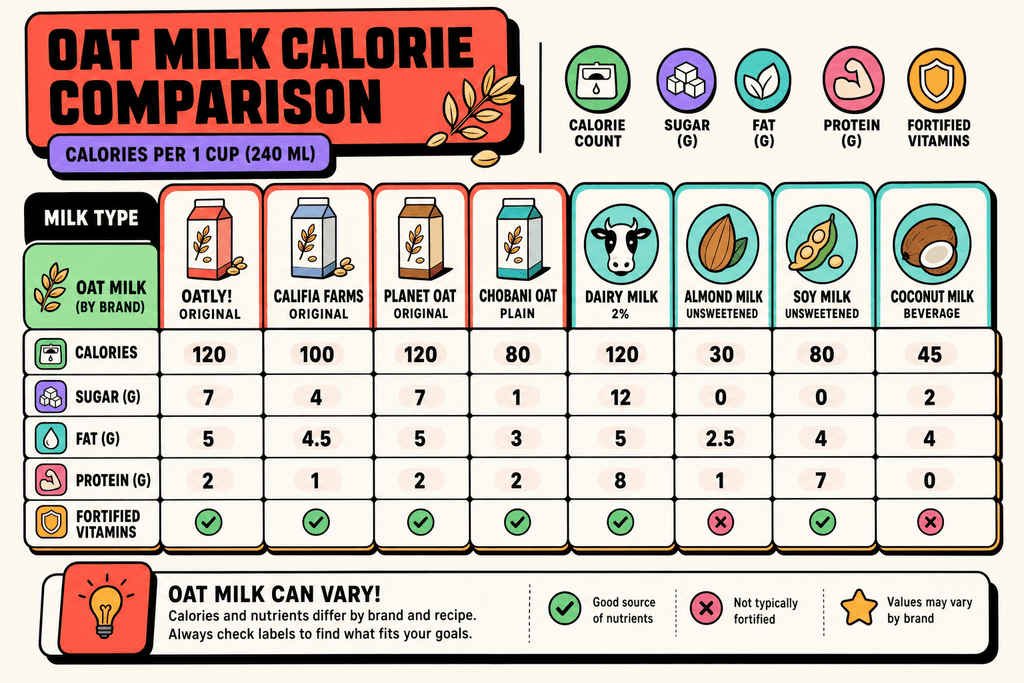
A single cup of oat milk can pack anywhere from 60 to 140 calories depending on what brand you grab off the shelf. That's a huge difference when you're trying to keep your daily meals within a certain calorie range. The type of oat milk you choose matters more than most people realize, especially if you're drinking it multiple times a day in your coffee, smoothies, or cereal. Knowing these differences helps you make smarter choices without giving up the creamy taste you love. Apps like MyFoodBuddy make tracking these variations super easy since you can just say what you ate and it calculates everything for you automatically.
Sweetened Versus Unsweetened Makes a Big Difference
The biggest calorie gap comes from whether your oat milk has added sugar or not. Sweetened versions can add 50 to 70 extra calories per cup compared to unsweetened options. Here's what typically separates them:
- Unsweetened oat milk usually sits around 60-90 calories per cup
- Sweetened versions jump to 110-140 calories for the same amount
- Barista blends often fall somewhere in the middle at 100-120 calories
- Added oils and thickeners can bump up calories even in unsweetened types
Most people don't think about these hidden calories when they're pouring milk into their morning coffee. But if you have three cups of coffee a day, that's an extra 150-210 calories you might not be accounting for.
How Oat Milk Stacks Up Against Other Options
Oat milk sits in the middle when you compare it to dairy and other plant-based milks. Some alternatives have way fewer calories while others have about the same.
| Milk Type | Calories per Cup | Protein (grams) |
|---|---|---|
| Unsweetened Almond Milk | 30-40 | 1 |
| Unsweetened Oat Milk | 60-90 | 2-3 |
| Whole Dairy Milk | 150 | 8 |
| Skim Dairy Milk | 80 | 8 |
| Unsweetened Soy Milk | 80-100 | 7 |
Almond milk wins if you're only looking at calories, but oat milk gives you more substance and a creamier texture. Dairy milk has more protein but also comes with more calories unless you go skim.
Brand Differences You Should Know About
Not all oat milk brands are created equal, even when they're both labeled unsweetened. The ingredients and processing methods change the final calorie count quite a bit.
| Brand Type | Calories per Cup | Common Features |
|---|---|---|
| Budget Store Brands | 90-120 | Basic ingredients |
| Premium Brands | 60-90 | Minimal processing |
| Barista Editions | 100-130 | Extra fats for foam |
| Protein-Fortified | 110-140 | Added pea protein |
Reading labels becomes really important when you're meal planning on a budget. The cheapest option isn't always the lowest in calories, and the most expensive isn't necessarily better for your goals. When you're logging meals, getting these details right matters, which is why voice logging with an app that pulls accurate nutrition data saves you from guessing.
Low-Calorie Breakfast Ideas With Oat Milk
A cup of unsweetened oat milk contains around 40-60 calories, which makes it one of the better choices when you're watching your intake. The problem is that most people don't realize how quickly those calories add up when you're pouring it into coffee, smoothies, and breakfast bowls throughout the day. But here's the thing: you can actually enjoy oat milk in your morning routine without blowing your calorie budget if you know a few simple tricks.

Overnight oats are probably the easiest breakfast you can prep ahead of time. Mix half a cup of rolled oats with three-quarters cup of unsweetened oat milk, add a handful of berries, and you've got a meal that sits comfortably under 300 calories. The best part is you can make five jars on Sunday night and grab one each morning without thinking about it.
- Use unsweetened oat milk to save 20-40 calories per cup
- Add cinnamon or vanilla extract instead of sugar for flavor
- Top with fresh fruit instead of dried fruit to cut calories in half
- Measure your portions with a regular measuring cup, not by eyeballing
Coffee drinks are where most people mess up their calorie counts. A regular latte with oat milk can hit 200 calories before you even eat breakfast. Switch to an Americano with a splash of oat milk and you're looking at maybe 30 calories total. Same coffee taste, way fewer calories.
Making your own oat milk at home costs about a dollar per batch and takes five minutes. Blend one cup of oats with four cups of water, strain it through a cheesecloth, and store it in the fridge. You'll save money and know exactly what's in it. Plus, homemade versions often have fewer calories than store-bought because they don't include added oils or thickeners.
Lunch and Dinner Meals That Use Oat Milk
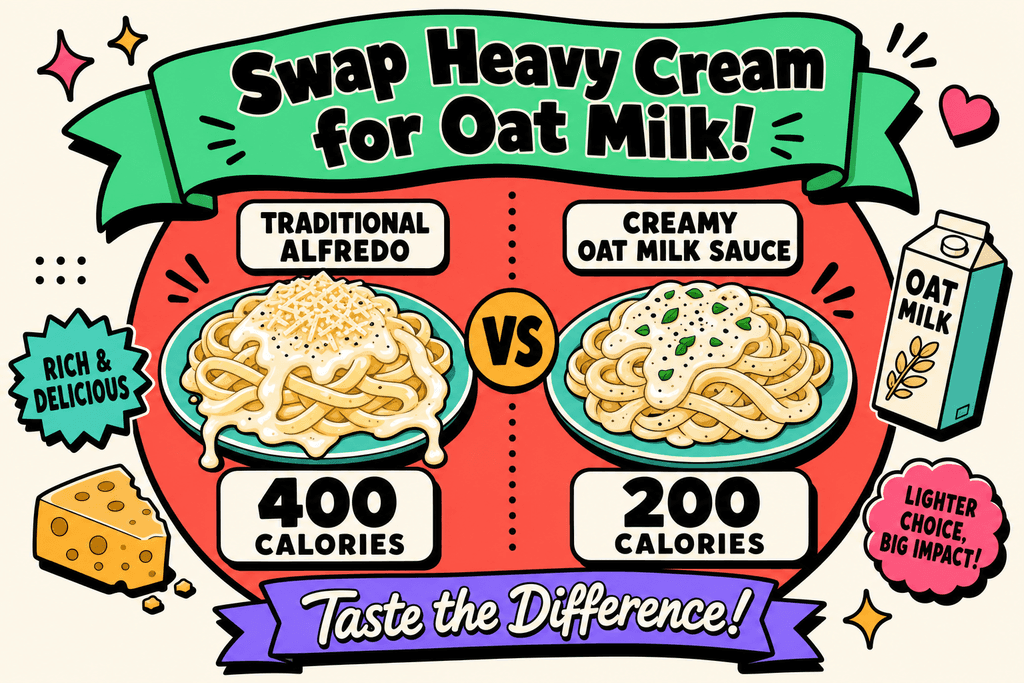
Most people think oat milk is just for breakfast, but it works really well in savory dishes too. The creamy texture makes it a solid replacement for heavy cream in pasta sauces, soups, and even mashed potatoes. A typical Alfredo sauce made with heavy cream can pack 400 calories per serving, but swap that for oat milk and you're down to around 200 calories for the same portion. The taste difference is barely noticeable when you season it right.
Soup is where oat milk really shines on a budget. A basic potato soup made with oat milk, vegetable broth, and some herbs costs less than three dollars to make and feeds four people. Each bowl comes in under 250 calories if you skip the bacon bits and cheese.
| Meal | Calories | Cost Per Serving |
|---|---|---|
| Oat Milk Pasta | 320 | $2.50 |
| Potato Soup | 240 | $1.80 |
| Chicken with Oat Milk Gravy | 380 | $3.20 |
| Veggie Curry | 290 | $2.10 |
Batch cooking saves you time and money when you're trying to eat healthy on a budget. Make a big pot of curry or soup on Sunday, portion it into containers, and you've got lunch sorted for the week. The oat milk keeps these dishes creamy without adding the calories that coconut milk or dairy cream would bring.
Pairing oat milk sauces with lean proteins like chicken breast or tofu keeps your meals filling without pushing calories too high. A chicken breast with mushroom oat milk sauce and roasted vegetables comes in around 380 calories total. That's a full dinner that actually keeps you satisfied. If you're looking for more ideas on budget dinners with balanced meal planning, there are plenty of ways to keep costs down while hitting your nutrition goals.
Tracking Oat Milk Calories Without the Hassle
Here's where things get tricky with oat milk calories. Different brands have wildly different calorie counts, and measuring exact portions every single time gets old fast. One brand's oat milk might have 60 calories per cup while another has 120, and if you're not paying attention, that difference adds up over a week. The real problem isn't the oat milk itself, it's remembering to track it accurately every time you use it.
Traditional calorie tracking means pulling out your phone, opening an app, searching through a database, selecting the right brand, entering the exact amount, and then doing that for every ingredient in your meal. Most people give up after a few weeks because it takes too much time and mental energy.
- Manual tracking takes 3-5 minutes per meal on average
- You have to remember exact measurements and brand names
- Searching databases often gives you ten different options for the same food
- Missing even one ingredient throws off your whole day's count
Voice-based logging changes the game completely. Instead of typing everything out, you just say what you ate. Something like "coffee with two tablespoons of oat milk" gets logged in seconds. MyFoodBuddy handles the calculation part automatically using USDA data, so you don't have to guess which database entry is correct or do any math yourself.
The difference between tracking consistently and giving up usually comes down to how much friction there is in the process. When logging a meal takes five seconds instead of five minutes, you're way more likely to stick with it. That consistency is what actually helps you reach your goals, whether you're trying to lose weight or just maintain where you're at. For anyone who's struggled with losing weight without the hassle of counting calories, reducing that friction makes all the difference.
Traditional Method: Open app → Search "oat milk" → Scroll through 15 options → Select brand → Enter amount → Repeat for each ingredient
Voice Method: Say "overnight oats with oat milk and berries" → Done
The truth is that tracking oat milk calories doesn't have to be complicated. Whether you're making overnight oats or adding it to your coffee, the key is finding a system that doesn't make you want to quit after a week. Budget-friendly meals with low oat milk calories are totally doable when you're not spending half your day doing math and searching databases.
Making Oat Milk Work for Your Goals
Oat milk doesn't have to blow your calorie budget or your wallet. The difference between sweetened and unsweetened versions is about 40-60 calories per serving, which adds up fast when you're using it in coffee, smoothies, or overnight oats. Store brands work just as well as fancy ones for most recipes, and buying in bulk when it's on sale can cut your costs in half.
The real trick is knowing exactly how much you're using. A splash here and a pour there might seem harmless, but those oat milk calories can sneak up on you. Most people pour way more than the quarter cup serving size listed on the box.
Tracking everything manually gets old fast, which is why tools like MyFoodBuddy let you just say what you ate and handle the math for you. Whether you're making budget meals at home or trying to stick to 1500 calories daily, knowing your numbers without spending ten minutes searching databases makes the whole process actually doable.
The bottom line: Oat milk fits perfectly into low-calorie meal plans when you pick the right type and measure what you use. Small swaps like choosing unsweetened varieties and diluting it in recipes can save you hundreds of calories each week without changing how your food tastes.
Still have questions about fitting oat milk into your daily routine? The answers below cover the most common concerns people have when trying to keep their calories in check.
Common Questions About Oat Milk Calories
Oat milk has become super popular lately, but a lot of people still have questions about how it fits into their daily calorie goals. Whether you're trying to lose weight or just want to make smarter food choices, understanding oat milk calories matters more than you might think. The nutrition facts can vary quite a bit between brands, and that can throw off your tracking if you're not careful. Here are the most common questions people ask about oat milk and how to work it into your budget meals.
How many calories are in a cup of oat milk?
A standard cup of oat milk (8 ounces) typically contains between 90 and 120 calories, depending on the brand and whether it's sweetened or unsweetened. Unsweetened versions usually sit around 90 calories, while sweetened or barista blends can go up to 140 calories per cup. If you're tracking your intake with MyFoodBuddy, you can just say "one cup of oat milk" and the app will calculate the exact calories based on the specific brand you're using.
Is oat milk higher in calories than almond milk?
Yes, oat milk generally has more calories than almond milk. Unsweetened almond milk usually has only 30-40 calories per cup, while oat milk has about 90-120 calories. The difference comes from oats being naturally higher in carbohydrates than almonds, which means more energy per serving. That said, oat milk also provides more fiber and a creamier texture that works better in coffee and cooking.
Does oat milk have more sugar than regular milk?
Unsweetened oat milk typically contains 4-7 grams of naturally occurring sugar per cup, which is similar to the lactose found in regular dairy milk. The catch is that some oat milk brands add extra sugar, pushing the total up to 10-15 grams per cup. Always check the label and look for unsweetened versions if you're watching your sugar intake.
Can I lose weight while drinking oat milk?
Absolutely, you can lose weight while drinking oat milk as long as it fits within your daily calorie goals. Weight loss comes down to eating fewer calories than you burn, not cutting out specific foods. If you're using oat milk in your morning coffee or smoothies, just account for those 90-120 calories in your daily total and you'll be fine.
What's the best low-calorie oat milk brand?
Brands like Oatly, Chobani, and Planet Oat all offer unsweetened versions that clock in around 90 calories per cup. Some brands even make "light" versions with 50-60 calories per cup, though these might be thinner in texture. The best approach is to try a few and see which one you like, then stick with it so your calorie tracking stays consistent.
How do I track oat milk calories accurately?
The easiest way is to use a calorie tracking app that handles the math for you. With MyFoodBuddy, you can simply say "coffee with oat milk" or "smoothie with half a cup of oat milk" and the app automatically calculates the nutritional values using USDA data. This beats manually searching through databases or trying to remember the exact calories for every brand, especially when you're making quick meals on a budget.
Ready to start tracking smarter?
Download MyFoodBuddy and start tracking your calories by just saying what you ate. No more searching databases or guessing portions.
Get started