
Plan Meals Without Complex Math Using A Dietary Goals App
Stop calculating calories manually. Learn how dietary goals apps use AI to track nutrition instantly and help you reach your health goals faster.
You open your calorie tracking app, type in "grilled chicken salad," and suddenly you're drowning in dozens of database entries with wildly different calorie counts. After five minutes of scrolling, measuring, and second-guessing portion sizes, you haven't even logged breakfast yet. This is exactly why most people abandon traditional calorie counting within days, but a dietary goals app like MyFoodBuddy changes everything by letting you simply say what you ate while AI handles all the complex math behind the scenes.
Table of Contents
The Problem With Traditional Calorie Counting
Most people who try to track their meals give up before they even finish their second week. The reason isn't a lack of motivation or willpower. It's because traditional calorie counting apps make something simple feel like doing homework after every single meal. You eat a sandwich, then spend the next ten minutes scrolling through endless database entries trying to figure out if you had "white bread, commercial" or "white bread, homemade" and whether your turkey was "deli sliced, low sodium" or just regular turkey.
Why Meal Logging Takes Forever
The average person spends between five to ten minutes logging a single meal in apps like MyFitnessPal or Cronometer. That adds up to nearly an hour every day just recording what you ate. Here's what eats up all that time:
- Searching through databases with thousands of similar-sounding food entries
- Manually weighing or measuring every ingredient and portion size
- Creating custom recipes when you can't find an exact match
- Adjusting serving sizes and doing mental math to get accurate numbers
- Double-checking entries because user-submitted data is often wrong
Apps like MyFoodBuddy solve this by letting you just say what you ate. No searching, no measuring, no math.
The Guessing Game Nobody Wins
Even when you spend all that time logging, you're probably still getting it wrong. Unless you carry a food scale everywhere and measure every bite, you're estimating portion sizes. Was that chicken breast four ounces or six? Did you use one tablespoon of olive oil or two?
| Problem | Impact |
|---|---|
| Time per meal | 5-10 minutes |
| Database entries to search | Thousands |
| Users who quit tracking | 80% within 2 weeks |
| Daily time spent logging | Up to 60 minutes |
These estimation errors add up fast. You might think you're eating 1,800 calories when you're actually consuming 2,200. That's enough to completely derail your dietary goals without you even knowing it.
Why Most People Quit Tracking
The complexity of traditional calorie counting creates a massive dropout rate. Research shows that about 80% of people who start using meal tracking apps abandon them within the first two weeks. The problem isn't the concept of tracking, it's the execution.
- Too many steps between eating and logging kills momentum
- Forgetting what you ate hours ago leads to incomplete logs
- Feeling embarrassed about pulling out a food scale in public
- Getting overwhelmed by macro calculations and nutrition data
When tracking feels like a part-time job, it stops being sustainable. People need a dietary goals app that works with their life, not against it. The whole point of using technology should be to make things easier, but somehow we ended up with apps that require spreadsheet-level dedication just to log a simple breakfast.
How AI Eliminates The Math From Meal Planning
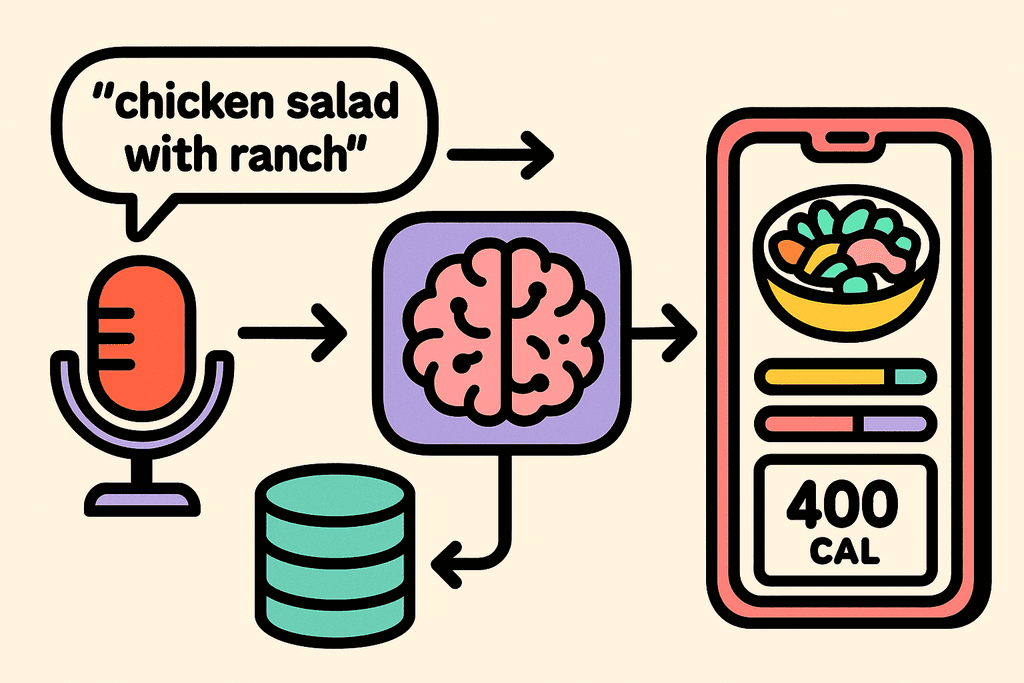
Most people who try tracking their food give up within the first week. The reason isn't lack of motivation, it's the tedious process of searching through databases, measuring portions, and manually entering every ingredient. Traditional calorie tracking apps require you to know exactly what you ate, how much you ate, and then spend several minutes finding the right entries in their system. But what if you could just tell an app what you ate in plain English and let it handle everything else.
How AI Eliminates The Math From Meal Planning
Modern dietary apps use artificial intelligence to understand natural language, which means you can log meals the same way you'd tell a friend about your lunch. Instead of searching for "egg, whole, raw" and then "bread, white, toasted" and then "butter, salted," you simply say or type "two eggs and toast with butter." The AI figures out what you mean and pulls the nutritional data automatically.
- Voice and text logging work with everyday language, not database terms
- Apps connect directly to USDA databases for accurate nutritional information
- Meal entry time drops from several minutes to just seconds
- No need to measure or calculate anything yourself
MyFoodBuddy uses this exact approach to extract nutrition data from simple descriptions. You can say "coffee with oat milk" instead of searching through dozens of coffee entries and milk alternatives. The AI understands context and common food combinations, so it knows that "toast with butter" probably means one or two slices, not an entire loaf.
| Method | Time Per Meal | Steps Required |
|---|---|---|
| Traditional Apps | 3-5 minutes | Search, select, measure, confirm |
| AI-Powered Apps | 10-20 seconds | Speak or type description |
The difference becomes obvious when you're logging three meals a day. That's potentially 15 minutes saved daily, which adds up to over 90 hours per year. More importantly, removing friction from the logging process means you're far more likely to actually stick with it.
Setting Goals Without Guesswork
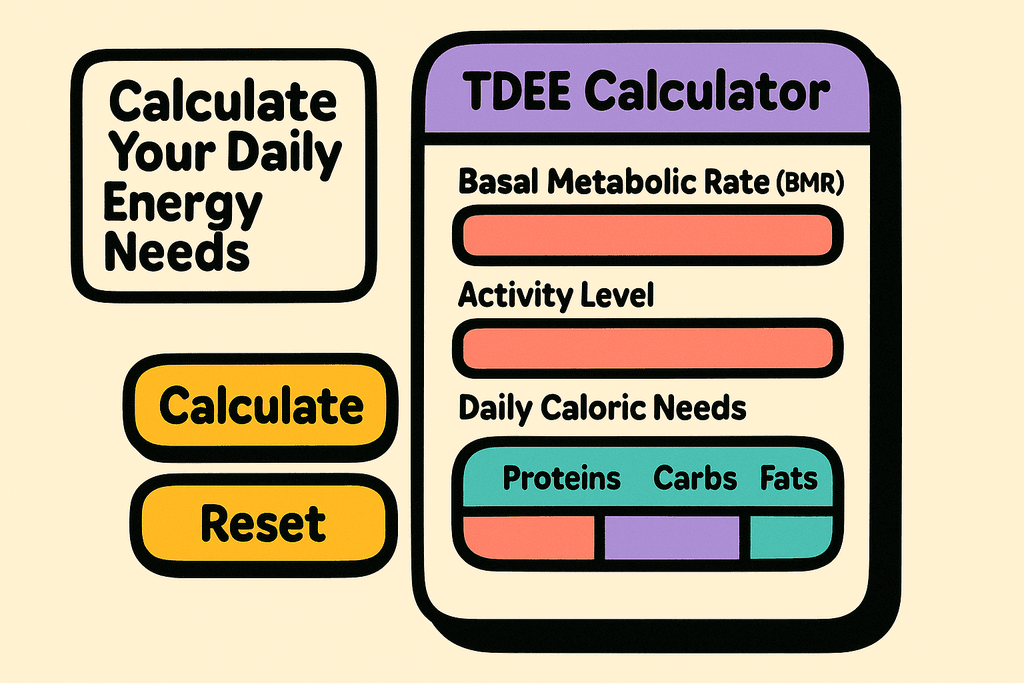
Setting up a dietary goals app used to require understanding your basal metabolic rate, activity multipliers, and macro ratios. Most people don't have a nutrition degree, and honestly, they shouldn't need one just to figure out how much protein they should eat. The good news is that modern apps handle all these calculations behind the scenes using built-in TDEE calculators that do the heavy lifting for you.
Setting Goals Without Guesswork
TDEE stands for Total Daily Energy Expenditure, which is basically how many calories your body burns in a day based on your age, weight, height, and activity level. Apps use this number to automatically set your daily calorie target depending on whether you want to lose weight, gain muscle, or maintain your current weight.
- Enter your basic information and current weight
- Select your activity level from the options provided
- Choose your goal (lose, maintain, or gain weight)
- Let the app calculate your personalized targets
- Start logging meals without worrying about the numbers
But calories are just the beginning. Apps can track over 20 nutrients including vitamins and minerals that most people don't even think about. You might be hitting your calorie goal but missing important micronutrients like vitamin D or iron. The app monitors all of this automatically and can alert you when you're consistently low on something important.
MyFoodBuddy sets macro targets for protein, carbs, and fats based on your specific weight goals. If you're trying to build muscle, it'll recommend higher protein. If you're focused on endurance, it might suggest more carbs. The targets adjust as you progress, so you're not stuck with the same numbers you started with six months ago. You can learn more about setting realistic health goals through a calorie tracking app to understand how these adjustments work over time.
Staying On Track With Smart Features
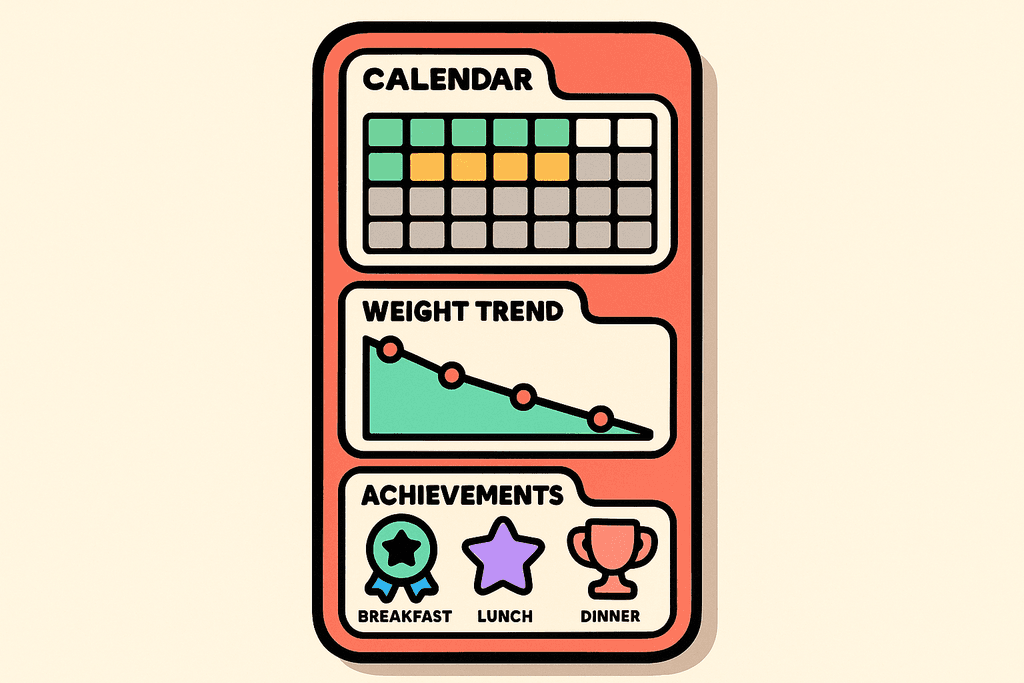
Knowing what to eat is one thing, but actually doing it day after day is where most people struggle. The apps that work best aren't just calculators, they're designed to keep you engaged and make tracking feel less like a chore. This is where features like meal favorites, visual progress tracking, and even gamification come into play. These aren't gimmicks, they're tools that address the real reason people quit tracking their food.
Staying On Track With Smart Features
Meal favorites and categories make re-logging your go-to meals instant. If you eat the same breakfast most mornings, you shouldn't have to log "two eggs and toast" every single day. Save it once as a favorite, and you can add it again with a single tap. Categories like Breakfast, Lunch, Dinner, and Snack help you organize these favorites so you're not scrolling through a massive list.
- Color-coded calendars show your tracking consistency at a glance
- Weight trend charts reveal patterns you might miss day-to-day
- Streaks and achievements create positive reinforcement
- Reminders help you log meals before you forget what you ate
MyFoodBuddy includes an AI nutrition coach named Fiona who provides personalized insights based on your actual eating patterns. Instead of generic advice, Fiona analyzes your food logs and health data to give you specific suggestions that make sense for your goals. If you're consistently low on protein at lunch, she'll notice and suggest adjustments.
The gamification elements might sound silly, but they work. Maintaining a streak of consecutive days logged creates a psychological incentive to keep going. Breaking a 30-day streak feels bad enough that you'll make sure to log that snack before bed. Achievements for milestones like "logged 100 meals" or "tracked for 30 days straight" give you small wins along the way.
Integration with Apple Health syncs all your data automatically, so your weight, activity, and other health metrics flow into the app without manual entry. This creates a complete picture of your health that goes beyond just food. Analytics show your progress across days, weeks, and months, making it easy to spot trends and adjust your approach. For more on organizing your dietary management effortlessly with an app, these features make the difference between tracking for a week and tracking for a year.
Why Simple Beats Complex For Long-Term Success
Studies show that 80% of people who start tracking calories quit within the first month, and the reason isn't lack of motivation. The problem is friction. Every extra tap, search, and manual calculation adds resistance to what should be a quick daily habit. When logging a simple breakfast takes five minutes of searching through databases and adjusting portion sizes, most people eventually decide it's not worth the hassle. The apps that survive in your routine are the ones that disappear into the background, not the ones that demand your constant attention and mental energy.
Traditional calorie tracking apps like MyFitnessPal require users to navigate through multiple screens, search databases, verify entries, and manually adjust serving sizes. This process can take anywhere from 3-7 minutes per meal, which adds up to over an hour per week spent on data entry alone.
- Apps with complex logging processes see user retention drop by 60% after the first two weeks
- Simple voice-based logging reduces meal entry time from minutes to under 15 seconds
- Users who spend less time logging are 3x more likely to maintain their tracking habit beyond 90 days
- The cognitive load of manual calculations diverts attention from actual nutrition choices
What Real Users Say About Switching
The testimonials from MyFoodBuddy users reveal a consistent pattern. People aren't praising fancy features or detailed analytics. They're celebrating the fact that they can actually stick with tracking because it doesn't feel like a chore anymore.
| Before | After |
|---|---|
| "Spent time searching and creating meals" | "Really easy to use on the go" - Mirro R. |
| Manual calorie calculations required | "Just say what I've eaten" - JakeVdub608 |
| Struggled to maintain consistency | "Helps me stick to my goals" - Eknop232 |
| Minutes per meal entry | "Speed of entering makes it most convenient" - Zach Abitz |
The best dietary goals app isn't the one with the most features. It's the one you'll actually open every single day. When you plan meals without complex math, you free up mental space to focus on what actually matters, making better food choices and building sustainable habits.
Your Next Steps To Effortless Meal Planning
The whole point of using a dietary goals app is to make your life easier, not harder. You shouldn't need a calculator or a nutrition degree just to figure out if you're eating the right amount of protein. Modern apps handle all the complex math behind the scenes while you just describe what you ate. That's the difference between spending five minutes logging a meal and spending five seconds.
The truth is, most people quit tracking their food because it feels like homework. When you have to count every calorie manually, it gets old fast. But when AI does the heavy lifting, you're way more likely to stick with it. And sticking with it matters more than being perfect.
MyFoodBuddy takes the approach of letting you talk or type naturally about your meals. No searching through databases or weighing portions on a scale. The app figures out the nutritional breakdown using USDA data, so you get accurate numbers without the headache. It's designed for people who want results without turning meal tracking into a part-time job.
If you've been putting off setting realistic health goals because the tools seemed too complicated, this might be worth checking out. There's a 7-day free trial that lets you test whether voice logging actually saves you time. Most people find they can log an entire day's worth of meals in under a minute once they get the hang of it.
You probably still have questions about how this all works in practice. Let's cover some of the most common ones.
Common Questions About Dietary Goals Apps
Switching to a new way of tracking what you eat brings up a lot of questions. Most people wonder if AI can really match the accuracy they get from manually entering every ingredient, or if they'll still need to pull out measuring cups for every meal. The truth is that modern dietary goals apps work differently than you might expect, and understanding how they handle everything from portion sizes to background noise can help you decide if they're right for you. Here are the most common questions people ask before making the switch.
How accurate is AI-based food logging compared to manual entry?
AI-powered food logging is surprisingly accurate because it pulls from massive databases like the USDA nutritional information. When you say "grilled chicken breast with rice," the app uses typical portion sizes and standard nutritional values to give you a solid estimate. While manual entry might feel more precise, most people actually overestimate or underestimate portions anyway, so the difference is usually minimal in practice.
Can these apps handle complex meals with multiple ingredients?
Yes, apps like MyFoodBuddy can break down meals with several components without any problem. You can say something like "taco salad with ground beef, lettuce, cheese, sour cream, and salsa" and the AI will identify each ingredient and calculate the totals. The app processes natural language the same way you'd describe a meal to a friend, which means you don't need to format your input in any special way.
Do I need to weigh and measure my food portions?
Not necessarily. Most dietary goals apps work with standard descriptions like "a handful of almonds" or "medium apple" or "cup of rice." If you want to be more specific, you can mention weights or measurements, but it's not required. The whole point is to make tracking faster and less tedious than traditional methods that require you to measure everything.
How much does a good dietary goals app cost?
Pricing varies widely across different apps. Some basic trackers are free but come with ads and limited features, while premium options can run anywhere from $10 to $99 per month. MyFoodBuddy offers annual pricing at $39 per year with a 7-day free trial, which works out to about $3.25 per month. That's significantly less than what you'd pay for apps like MacroFactor or premium versions of other tracking tools.
Will voice logging work in noisy environments?
Modern voice recognition has gotten pretty good at filtering out background noise, though extremely loud settings might cause issues. Most people find that voice logging works fine in normal restaurants, offices, or at home. If you're somewhere really noisy, you can always switch to text input instead.
Can I track micronutrients like vitamins and minerals?
Absolutely. While basic calorie counters only show macros like protein, carbs, and fat, more comprehensive apps track micronutrients too. MyFoodBuddy tracks over 20 nutrients including vitamins and minerals, giving you a complete picture of your nutritional intake. This is especially helpful if you're trying to plan meals without complex math while still meeting specific dietary goals beyond just calories.
Ready to start tracking smarter?
Download MyFoodBuddy and start tracking your calories by just saying what you ate. No more searching databases or guessing portions.
Get started