
Make Veggies Taste Actually Good Tonight
Discover local tricks to make vegetables delicious. Simple cooking methods, flavor combos, and prep tips that work. Track your veggie wins easily.
You've probably steamed broccoli until it turned into mushy green sadness, or maybe you've roasted Brussels sprouts that tasted like bitter little rocks. The truth is, most vegetables taste terrible because of how we cook them, not because they're naturally boring. Tonight, you can actually make veggies taste good using simple tricks that take the same amount of time as your usual methods, and tracking those nutritious meals becomes effortless when you use MyFoodBuddy to log everything with just your voice.
Table of Contents
The Real Reason You're Not Eating Enough Vegetables
About 87% of Americans don't eat enough vegetables, and it's not because they don't know veggies are healthy. The truth is simpler and way more frustrating. Most people just never learned how to make vegetables taste good. When you bite into a mushy, flavorless piece of broccoli or a bitter, overcooked Brussels sprout, your brain files that away as "vegetables are gross." Then you avoid them, feel guilty about it, and the cycle continues.
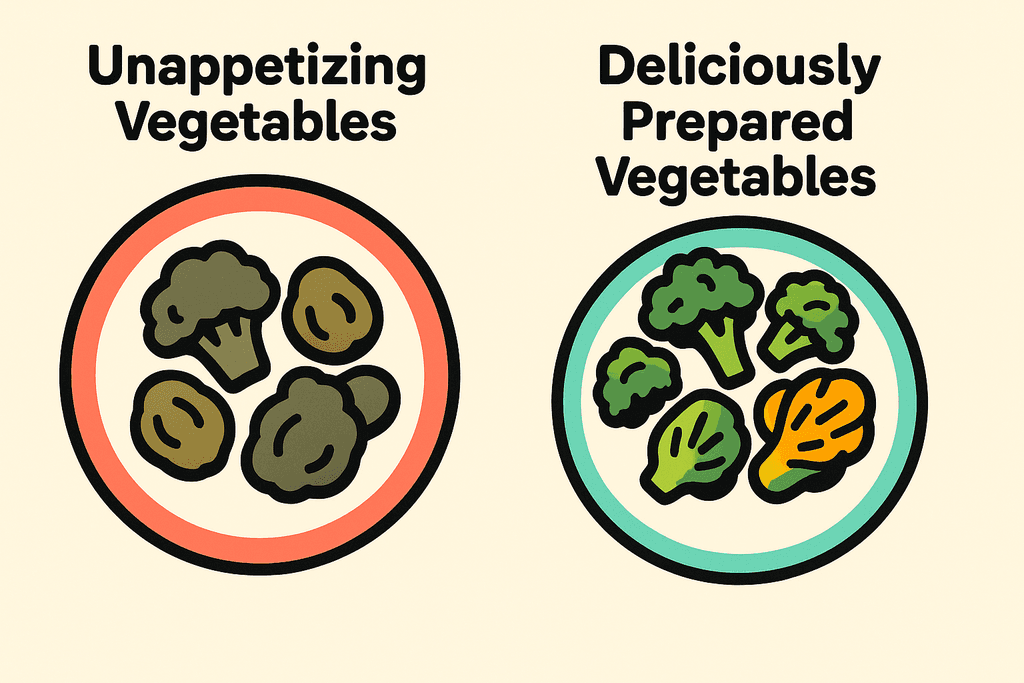
The problem isn't the vegetables themselves. It's what happens to them in your kitchen. Overcooking destroys both flavor and texture, turning crisp, sweet veggies into sad, mushy disappointments. Underseasoning is just as bad because vegetables need salt, fat, and acid to bring out their natural flavors.
Why Your Veggies Keep Turning Out Wrong
Most cooking mistakes happen because people treat all vegetables the same way. But a watery vegetable like zucchini needs totally different treatment than a dense one like carrots. Here's what usually goes wrong:
- Boiling everything until it's soft and lifeless
- Using zero seasoning except maybe some salt at the end
- Cooking at the wrong temperature for the vegetable type
- Crowding the pan so vegetables steam instead of getting crispy
- Not understanding when to use high heat versus low heat
Research shows that nearly 64% of home cooks admit they don't know the right cooking method for different vegetables. That's not your fault. Nobody really teaches this stuff.
The Science Behind Bad Tasting Vegetables
Vegetables are mostly water, but the exact amount changes everything about how you should cook them. High-moisture veggies like tomatoes and mushrooms release water as they cook, so they need high heat to evaporate that liquid and concentrate flavors. Low-moisture veggies like potatoes and carrots need longer cooking times to break down their tough fibers.
| Common Mistake | What Happens | Quick Fix |
|---|---|---|
| Boiling broccoli | Mushy, sulfur smell | Roast at 425°F instead |
| No salt until end | Bland, boring flavor | Season before cooking |
| Crowded pan | Steamed, not crispy | Use more space |
| Low heat roasting | Dried out, not caramelized | Crank heat to 400°F+ |
| Same method for all | Inconsistent results | Match method to veggie |
When you track what you eat with tools like MyFoodBuddy, you might notice you're logging the same meals over and over because you only know how to cook a few things well. Learning to make veggies taste actually good opens up way more variety in your diet. Plus, when vegetables taste better, you naturally eat more of them without forcing yourself.
Temperature and Timing Matter More Than You Think
The difference between delicious and disgusting vegetables often comes down to just a few minutes or 50 degrees. Roasting at 350°F gives you different results than roasting at 450°F. The higher temperature creates that brown, crispy, slightly sweet exterior that makes vegetables addictive.
- Tender greens like spinach need 2-3 minutes max
- Cruciferous veggies like cauliflower need 20-25 minutes at high heat
- Root vegetables can handle 30-40 minutes of roasting
Most people cook vegetables for way too long because they're scared of undercooking them. But vegetables aren't like meat. You won't get sick from slightly crunchy carrots. In fact, a little bit of crunch usually means better flavor and more nutrients still intact.
The High-Heat Secret That Changes Everything
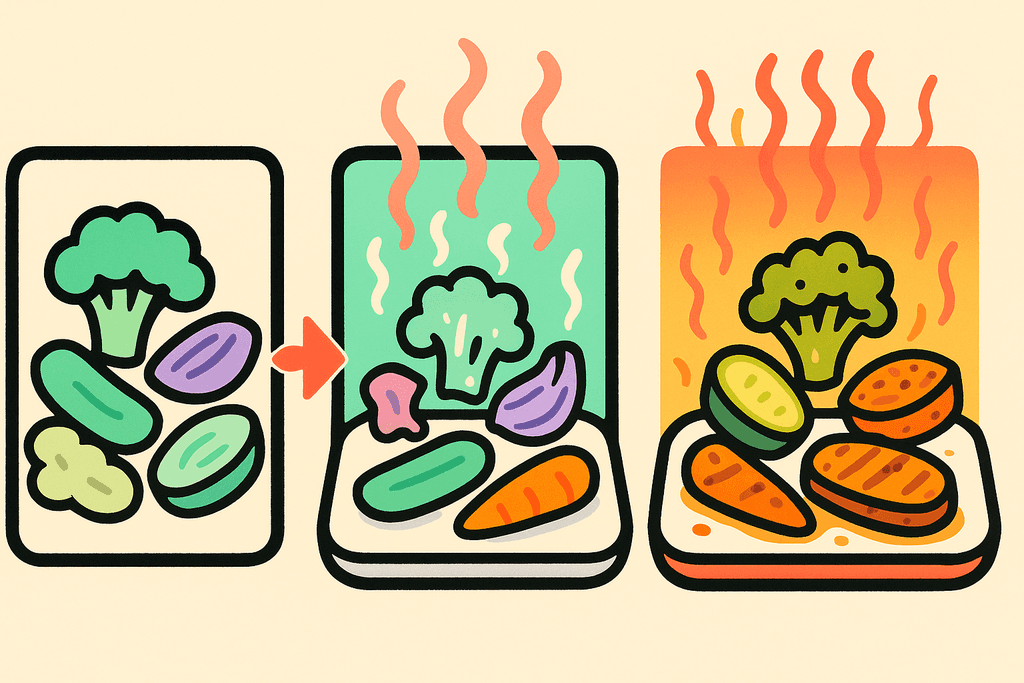
Most people cook vegetables at medium heat because that's what feels safe. But here's what actually happens when you crank up the temperature: the natural sugars in vegetables start to caramelize, creating those crispy, golden-brown edges that make even Brussels sprouts taste like candy. High heat is the difference between sad, soggy broccoli and the kind of roasted vegetables you'd actually order at a restaurant. The key is understanding that vegetables contain water, and you need enough heat to evaporate that moisture quickly while creating a crispy exterior.
The High-Heat Secret That Changes Everything
The sweet spot for most vegetables sits between 200°C to 220°C (400°F to 425°F). At this temperature, you get proper caramelization without burning. Root vegetables like carrots and sweet potatoes can handle the higher end, while delicate vegetables like asparagus do better at the lower range.
- Cauliflower and broccoli: 220°C for crispy florets
- Root vegetables: 200-220°C for tender insides, crispy outsides
- Bell peppers and zucchini: 200°C to prevent mushiness
- Leafy greens like kale: 175°C for chips without burning
The oil-to-veggie ratio matters more than most people think. Too little oil and your vegetables stick to the pan and steam instead of roast. Too much and they get greasy. The magic ratio is about one tablespoon of oil per 500 grams of vegetables. Toss them in a bowl first so every piece gets coated evenly.
Malaysian and Asian cooking techniques have understood high heat for centuries. Wok cooking uses extremely high temperatures with constant movement to create that smoky, charred flavor called wok hei. You can apply this same principle at home by preheating your pan until it's almost smoking, then adding vegetables in small batches so the temperature doesn't drop.
Quick High-Heat Roasting Process:- Preheat your oven to the right temperature before the vegetables go in
- Cut vegetables into similar-sized pieces so they cook evenly
- Toss with oil in a bowl, not on the pan
- Spread in a single layer with space between pieces
- Don't flip too early - wait until the bottom is golden brown
- Finish with a quick broil for extra crispiness if needed
The biggest mistake is overcrowding the pan. When vegetables touch each other, they release steam and end up soggy instead of crispy. Give them space to breathe.
Flavor Combinations Your Taste Buds Actually Want
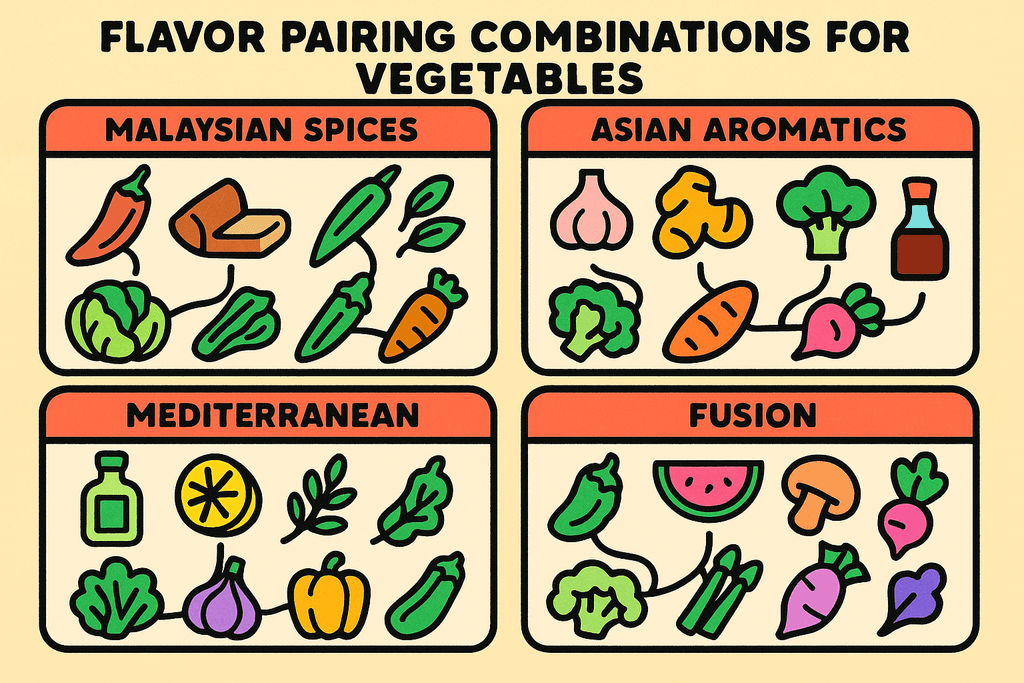
There's a reason restaurant vegetables taste better than yours, and it's not just the high heat. Professional cooks understand the fat plus acid plus salt formula that makes any vegetable irresistible. Fat carries flavor and creates richness, acid brightens everything up, and salt enhances the natural taste of the vegetable itself. Once you understand this simple combination, you can make vegetables taste good without following a recipe.
Flavor Combinations Your Taste Buds Actually Want
Malaysian cooking offers some of the best vegetable flavor profiles in the world. Belacan (shrimp paste), sambal, and curry leaves turn simple stir-fried greens into something you'd crave. The umami from belacan adds depth that makes vegetables taste meaty and satisfying. A small amount goes a long way.
| Vegetable | Best Seasoning | Cooking Method |
|---|---|---|
| Kailan | Garlic, oyster sauce | Quick stir-fry |
| Long beans | Sambal belacan | High-heat wok |
| Cauliflower | Curry powder, turmeric | Roasted |
| Eggplant | Ginger, soy sauce | Pan-fried |
| Bok choy | Sesame oil, garlic | Steamed then seared |
The garlic, ginger, and soy sauce combination works on almost any vegetable. Start by heating oil until it shimmers, add minced garlic and ginger until fragrant (about 30 seconds), then toss in your vegetables. Finish with a splash of soy sauce and a tiny bit of sugar to balance the saltiness.
Layering flavors doesn't mean adding everything at once. Start with aromatics like garlic or shallots in hot oil, add your vegetables, then finish with wet ingredients like soy sauce or lime juice at the end. This prevents burning and keeps each flavor distinct.
- For bitter vegetables like bitter gourd: Balance with sweet (a pinch of sugar) and umami (fermented bean paste)
- For sweet vegetables like carrots: Add acid (lime juice) and heat (chili flakes)
- For bland vegetables like zucchini: Go heavy on garlic, add cheese or nutritional yeast
- For earthy vegetables like mushrooms: Use soy sauce, butter, and fresh herbs
The secret is tasting as you go and adjusting. If something tastes flat, it probably needs salt or acid. If it's too intense, add a bit of fat to mellow it out.
The 10-Minute Prep Tricks That Save Your Weeknight
The real reason people don't cook vegetables on weeknights isn't lack of recipes. It's the chopping, the cleanup, and the mental energy of figuring out what to make when you're already tired. But if you spend just 20 minutes on Sunday doing some basic prep, you can have vegetables ready to cook in under 10 minutes any night of the week. Batch prepping doesn't mean cooking everything in advance, it means setting yourself up so cooking becomes the easy part.
Cut your vegetables right after you buy them and store them properly. Hardy vegetables like carrots, bell peppers, and broccoli stay fresh for days when cut and stored in airtight containers. Keep a damp paper towel in the container to maintain moisture without making them soggy.
Quick Weeknight Veggie Prep Checklist:- Wash and dry all vegetables as soon as you get home
- Cut root vegetables into similar-sized pieces and store in water
- Prep garlic and ginger in bulk, store in oil in the fridge
- Mix your favorite spice blends in small jars for quick seasoning
- Keep pre-washed greens in the crisper drawer
- Line baking sheets with parchment paper ahead of time
The fastest cutting technique is the one you're comfortable with, but here's a shortcut: you don't need perfect uniform pieces for most home cooking. Roughly similar sizes work fine. For stir-fries, cut on the diagonal to create more surface area for browning.
Pre-seasoning saves even more time. Mix oil with your favorite spices in a jar, then just toss vegetables in it before cooking. A basic mix might be olive oil, garlic powder, salt, and pepper. For Asian flavors, try sesame oil, soy sauce, and ginger powder.
One-pan methods mean less cleanup, which makes you more likely to actually cook vegetables. Sheet pan dinners work perfectly because you can roast protein and vegetables together. Just remember that different items need different cooking times, so add quicker-cooking vegetables halfway through.
When you're logging these quick veggie meals, apps like MyFoodBuddy make it simple to track your nutrition without the usual hassle. Instead of searching through databases or calculating portions, you can just say what you ate and the app handles the rest. This matters because when tracking feels like work, you stop doing it, and then you lose sight of whether you're actually eating enough vegetables. For more ideas on quick meal prep that doesn't feel like a chore, check out our guide on efficient meal planning without cooking every day.
The goal isn't perfection. It's making vegetables easy enough that you actually eat them on a Tuesday night when you're tired. These prep tricks remove the friction between you and a healthy meal, which is really what makes the difference over time. If you're looking for more ways to make healthy eating practical, our post on achieving balanced meals without the hassle covers strategies that actually work in real life.
Your Veggie Game Starts Tonight
Making veggies taste actually good comes down to three simple things: high heat to get that crispy texture, bold flavors that wake up your taste buds, and quick prep methods that don't eat up your whole evening. You don't need to master all three at once. Pick one vegetable sitting in your fridge right now and try just one of these techniques tonight.
The thing about vegetables is that once you figure out how to make them taste good, you'll actually want to eat them more often. That's when the real changes start to happen. When you're eating more veggies consistently, tracking them becomes part of the routine too.
MyFoodBuddy makes logging those vegetables pretty straightforward with voice commands for food tracking. You can just say "roasted broccoli with garlic and olive oil" and it calculates everything for you. No searching through databases or measuring every ingredient.
The compound effect of making veggies taste good consistently is bigger than most people think. When vegetables stop being the boring side dish you force yourself to eat, your whole approach to meals shifts. You might find yourself checking out balanced meal ideas or even meal planning strategies that actually work with your schedule.
Start with one vegetable tonight. Use high heat, add some bold flavors, and keep it simple. The rest will follow once you realize vegetables can actually be the best part of your plate.
Common Veggie Questions Answered
Cooking vegetables seems simple until you actually try it and end up with mushy broccoli or bitter Brussels sprouts. These common questions pop up all the time when people try to make veggies taste actually good, and the answers are easier than you might think. Whether you're tracking your intake or just trying to eat better, knowing these basics makes a huge difference in how your vegetables turn out.
How do I stop my vegetables from getting soggy?
The main culprit is too much moisture and not enough heat. Pat your vegetables completely dry before cooking, and don't overcrowd your pan or baking sheet because that traps steam. High heat is your friend here, whether you're roasting at 425°F or using a hot skillet with a little oil.
What vegetables should I start with if I hate veggies?
Start with naturally sweeter vegetables like bell peppers, carrots, or sweet potatoes since they're less bitter and easier to enjoy. Zucchini and cauliflower are also great beginner options because they take on whatever flavors you add to them. Roasting these with garlic and a bit of parmesan can completely change your mind about vegetables.
How can I track vegetable portions without weighing everything?
You can just describe what you ate in plain language and let technology do the work. MyFoodBuddy lets you say something like "roasted broccoli with olive oil" and automatically calculates the nutrition without pulling out measuring cups. Most traditional apps like MyFitnessPal require you to search through databases and measure everything, which takes way more time than it should.
What is the best way to store vegetables so they stay fresh?
Leafy greens last longer wrapped in paper towels inside a plastic bag to absorb excess moisture. Hard vegetables like carrots and bell peppers do fine in the crisper drawer, while tomatoes and onions should stay on the counter. Never store vegetables already cut unless you're planning to eat them within a day or two.
Do frozen vegetables work with these cooking methods?
Frozen vegetables actually work great for roasting and sautéing as long as you don't thaw them first. The key is to spread them out on your baking sheet while still frozen and crank up the heat to evaporate the ice quickly. They won't get quite as crispy as fresh vegetables, but the convenience and lower cost make them worth keeping in your freezer.
How do I know if I'm eating enough vegetables each day?
Most people need about 2-3 cups of vegetables daily, but tracking that gets annoying with traditional calorie apps that require multiple steps. Voice logging makes it easier to keep tabs on your vegetable intake throughout the day without the hassle of searching databases or creating custom meals every time you eat.
Ready to start tracking smarter?
Download MyFoodBuddy and start tracking your calories by just saying what you ate. No more searching databases or guessing portions.
Get started