Budget Choices for Lower Sour Cream Calories at Home
Cut sour cream calories without sacrificing taste. Discover budget-friendly swaps and smart tracking tips to stay on track with your goals.
Table of Contents
Understanding Sour Cream Calories
A single tablespoon of regular sour cream packs about 23 calories, which might not sound like much until you realize most people use way more than that. When you're topping a baked potato, mixing up a dip, or adding a dollop to your tacos, those tablespoons add up fast. The difference between regular and light sour cream can save you hundreds of calories per week if you're someone who uses it regularly. That's where tracking with something like MyFoodBuddy comes in handy, since you can just say "two tablespoons of sour cream" and see exactly how it fits into your daily goals.
The Calorie Breakdown
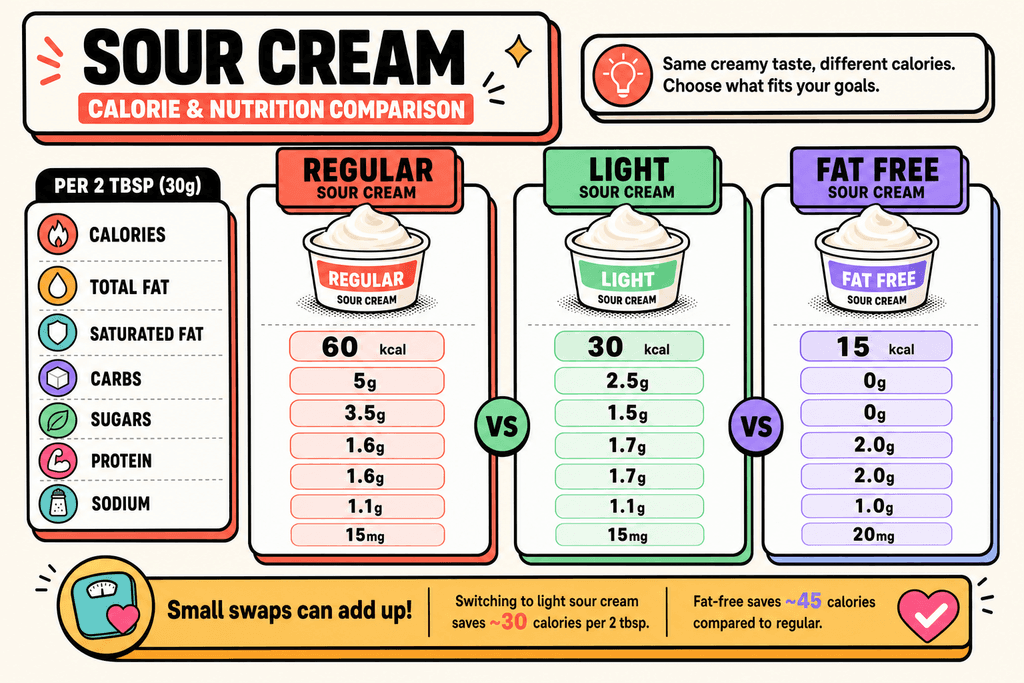
Not all sour cream is created equal when it comes to calories. The type you grab at the store makes a real difference in your daily intake.
| Type | Calories (2 tbsp) | Fat (g) | Protein (g) |
|---|---|---|---|
| Regular Sour Cream | 46 | 4.5 | 1 |
| Light Sour Cream | 30 | 2 | 1.5 |
| Fat-Free Sour Cream | 20 | 0 | 2 |
The numbers tell an interesting story. Switching from regular to light saves you about 16 calories per serving, which adds up when you're using it multiple times a day.
Why Serving Sizes Matter
Here's the thing about sour cream calories that trips people up. The nutrition label shows one tablespoon, but most of us eyeball our portions and end up using three or four times that amount. A "dollop" on your burrito bowl could easily be a quarter cup, which is four tablespoons.
- One tablespoon of regular sour cream has 23 calories
- A quarter cup (common actual serving) has 92 calories
- Using it twice daily adds 184 calories to your day
- Over a week, that's nearly 1,300 extra calories
The Weight Management Connection
Tracking sour cream calories matters because these small additions are easy to forget. When you're trying to lose weight or maintain your current weight, the little things count just as much as the big meals.
- A 500-calorie daily deficit leads to about one pound of weight loss per week
- Switching to light sour cream saves roughly 112 calories weekly
- Combined with other small swaps, you hit your deficit without feeling deprived
Most traditional calorie tracking apps make you search through databases and measure everything precisely. That's why people give up after a few weeks. With voice-based logging, you can quickly say what you ate and move on with your day while still keeping accurate records of these sneaky calorie sources.
Smart Sour Cream Swaps That Save Money
A single tablespoon of regular sour cream packs about 60 calories, and most of us use way more than that on our tacos or baked potatoes. When you're trying to watch your calorie intake without spending extra cash, finding cheaper alternatives that actually taste good becomes pretty important. The good news is that your grocery store already has several options that cost less and cut calories at the same time. You just need to know which ones work best for different situations.
Smart Sour Cream Swaps That Save Money
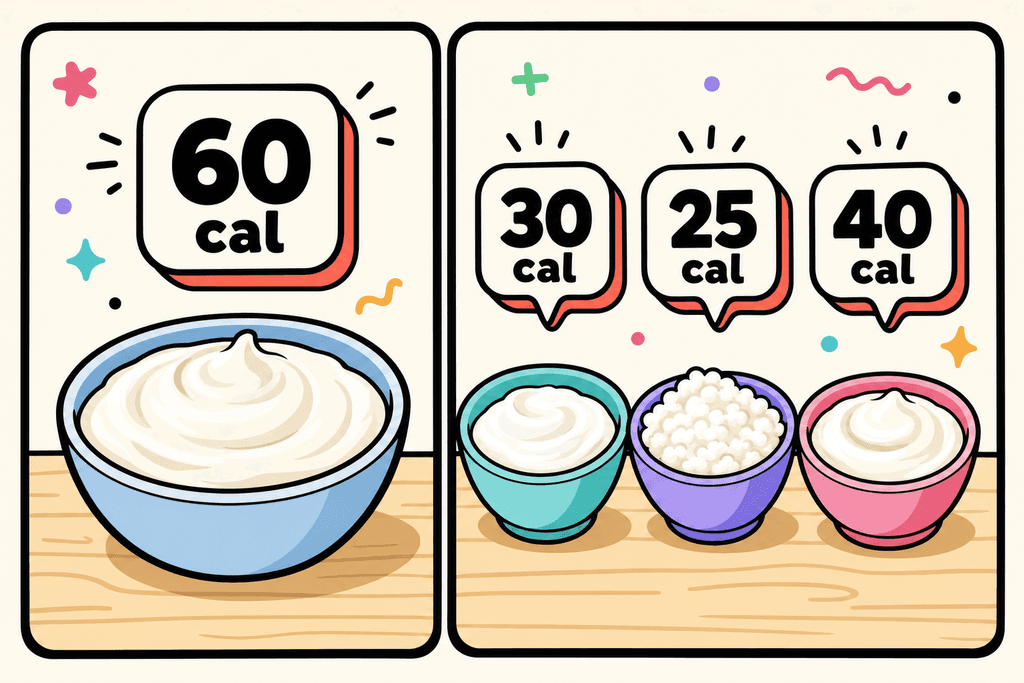
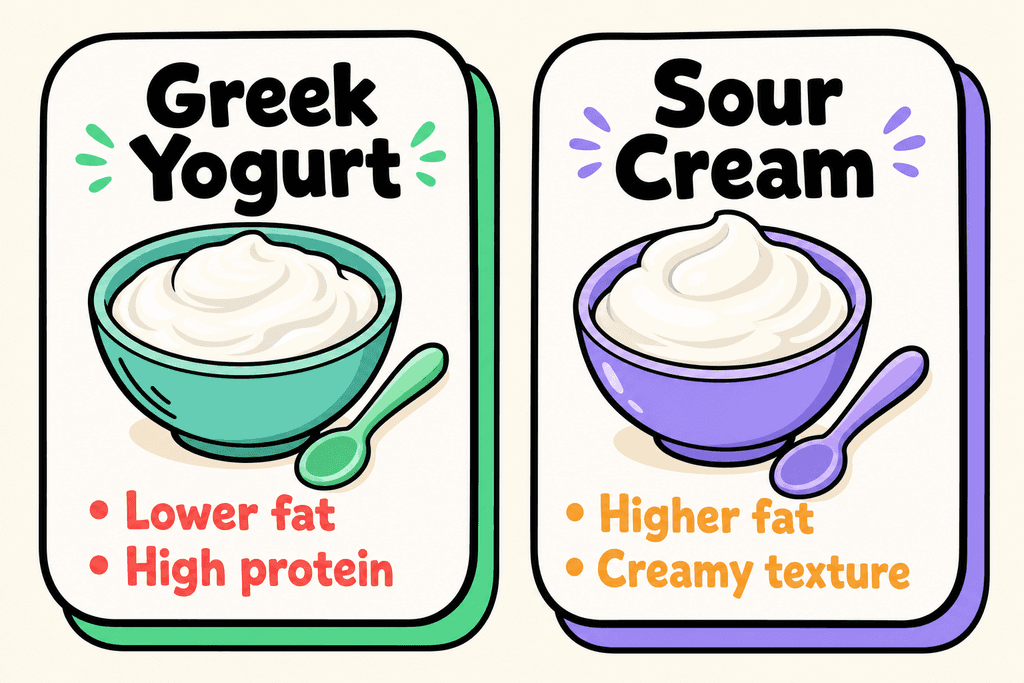
Greek yogurt stands out as the most versatile replacement because it brings extra protein to the table while cutting calories nearly in half. A tablespoon of plain nonfat Greek yogurt has around 8-10 calories compared to regular sour cream's 60. It costs about the same per ounce when you buy the larger containers, and you can use it in almost any recipe that calls for sour cream.
- Greek yogurt: Best for cold applications, dips, and toppings. Costs roughly $0.15-0.20 per ounce in bulk.
- Blended cottage cheese: Great for baking and casseroles. Usually $0.12-0.18 per ounce, with about 20 calories per tablespoon.
- Light sour cream: Contains about 40 calories per tablespoon. Costs $0.20-0.25 per ounce but tastes closest to the real thing.
- Fat-free sour cream: Around 20 calories per tablespoon but has a thinner texture. Cheapest option at $0.18-0.22 per ounce.
The taste difference between light and fat-free versions matters more than you might think. Light sour cream keeps enough fat to maintain that creamy, tangy flavor most people expect, while fat-free versions can taste a bit watery or artificial. For everyday use on tacos or in dips, light sour cream gives you the best balance of calorie savings and actual enjoyment of your food.
| Alternative | Calories per tbsp | Cost per oz | Best Use |
|---|---|---|---|
| Regular Sour Cream | 60 | $0.25 | Everything |
| Greek Yogurt | 8-10 | $0.18 | Cold dishes |
| Cottage Cheese | 20 | $0.15 | Baking |
| Light Sour Cream | 40 | $0.22 | General use |
Cottage cheese needs a quick blend in a food processor to get smooth, but once you do that, it works amazingly well in baked goods and hot dishes. The slight graininess disappears completely when you blend it for about 30 seconds, and you end up with something that looks and acts just like sour cream in most recipes.
Making Lower-Calorie Sour Cream Work in Your Meals
Swapping Greek yogurt into recipes that call for sour cream isn't always a straight one-to-one trade. The main issue comes down to how these alternatives handle heat, since Greek yogurt and other low-fat options can separate or curdle when you add them to hot dishes too quickly. But once you know a few simple tricks, you can use these lighter options in pretty much any recipe without ending up with a weird, watery mess. The key is understanding when to add them and how to prep them first.
Making Lower-Calorie Sour Cream Work in Your Meals
Temperature control makes the biggest difference when cooking with Greek yogurt or light sour cream. If you're adding it to something hot like soup or a sauce, let it come to room temperature first and stir in a tablespoon of flour per cup of yogurt. This stabilizes the proteins and stops that curdling problem. Then add it at the very end of cooking, off the heat, stirring constantly.
| Dish Type | Best Substitute | Adjustment Needed |
|---|---|---|
| Tacos/Burritos | Greek yogurt | None |
| Baked potatoes | Light sour cream | None |
| Hot soups | Cottage cheese blend | Add off heat |
| Dips | Greek yogurt | Drain excess liquid |
| Baking | Any substitute | 1:1 ratio works |
For cold applications like dips and toppings, you can boost the flavor of lighter options with simple additions. A squeeze of lemon juice, a pinch of salt, and some garlic powder make Greek yogurt taste richer and more complex. Some people add a tiny bit of mayo to light sour cream to bring back that creamy mouthfeel without adding too many calories back in.
Portion control gets easier when you use these alternatives because they often have more volume for fewer calories. Instead of feeling like you need to skimp on the dollop, you can actually use a normal amount and still save calories. This psychological trick helps you stick with healthier choices because you don't feel deprived.
- For stroganoff: Use cottage cheese blend, add at the end, stir gently
- For dips: Greek yogurt works best, let it drain for 10 minutes first
- For baking: Any substitute works 1:1, no changes needed
- For enchiladas: Light sour cream handles the heat better than fat-free
The texture difference matters less in dishes where sour cream gets mixed in rather than used as a topping. Casseroles, baked goods, and sauces hide any slight variations in consistency, so that's where you can use the cheapest, lowest-calorie options without anyone noticing.
Tracking Sour Cream Calories Without the Hassle
Sour cream falls into that tricky category of foods where a little bit looks like nothing but adds up fast in your daily calorie count. Most people eyeball their portions and end up using two or three times what they think they're using, which can add an extra 100-200 calories to a meal without realizing it. This is where actually measuring becomes important, at least until you get a feel for what a real tablespoon looks like on your food. The difference between guessing and knowing can make or break your calorie goals for the day.
Voice logging through apps like MyFoodBuddy makes tracking these small additions way less annoying. Instead of stopping to type out every ingredient, you can just say "chicken burrito with two tablespoons of Greek yogurt" and the app calculates everything automatically. This matters more than it sounds like because the easier tracking becomes, the more likely you are to actually do it consistently.
Setting up your common meals as favorites saves even more time. If you make the same taco bowl every week with specific toppings including sour cream, you can log it once in detail and then just tap to re-log it later. Simplifying calorie counting for homemade meals becomes much easier when you build up a library of your regular dishes.
- Measure once, eyeball forever: Use a measuring spoon for a week to train your eye
- Save your substitutions: Create favorites for meals with your preferred sour cream alternative
- Track the brand: Different brands have different calorie counts, even for "light" versions
- Don't skip the small stuff: Those tablespoons add up to hundreds of calories weekly
The real benefit of accurate tracking shows up when you look at your weekly patterns. You might discover that your "healthy" salads are actually calorie bombs because of the sour cream-based dressing, or that switching to Greek yogurt on your morning eggs saves you 300 calories per week without any effort. These hidden calorie sources only become visible when you track consistently, and that's where apps that use AI to extract nutritional information from natural language really shine.
For complex recipes where you're making something from scratch, tools like automatic calorie calculation help you figure out the per-serving calories without doing math. You can list all your ingredients including which type of sour cream substitute you used, and the app breaks down the nutrition for however many servings you're making.
The connection between tracking accuracy and reaching your goals isn't complicated. When you know exactly what you're eating, you can make informed choices about where to save calories and where to spend them. Maybe you decide that sour cream on your tacos matters enough to use the real thing, but you'll switch to Greek yogurt in your dip recipe where you can't tell the difference. Those kinds of decisions only work when you have real data to work with, which is why achieving weight management goals with smart calorie counting depends on making tracking as easy as possible.
Your Next Steps to Lower Sour Cream Calories
The easiest way to start cutting sour cream calories is to pick just one swap and stick with it for a week. Greek yogurt works great if you want something thick and tangy, while cottage cheese blends smooth if you need that creamy texture. Light sour cream cuts calories in half without changing much about how you cook, and mixing regular sour cream with Greek yogurt gives you the best of both worlds.
Small changes really do add up when you're watching calories. Saving 50 calories here and 100 calories there might not seem like much, but over a month that's thousands of calories you didn't have to think too hard about. The trick is making swaps you can actually live with, not ones that make your food taste like cardboard.
Tracking what you eat makes staying consistent way simpler than trying to remember everything in your head. MyFoodBuddy lets you just say what you ate, like "taco with two tablespoons Greek yogurt instead of sour cream," and it figures out the calories for you. No searching through databases or measuring every single thing, which is why most people quit traditional calorie counting after a few weeks.
Pick one substitute from this guide and try it this week. Maybe swap your regular sour cream for the light version on your next baked potato, or blend some cottage cheese for your taco night. Once you find what works, setting realistic goals becomes a lot easier when you know exactly how many sour cream calories you're actually eating.
Common Questions About Sour Cream Calories
Switching to lower calorie sour cream options raises a lot of questions, especially when you're trying to track your nutrition accurately. Most people wonder if they're actually making a healthier choice or just sacrificing taste for nothing. The good news is that understanding these differences can help you make smarter decisions without feeling like you're missing out. Here are the most common questions people ask when trying to cut sour cream calories from their diet.
Is light sour cream actually healthier than regular?
Light sour cream has about half the calories and fat of regular sour cream, which makes it a solid choice if you're watching your calorie intake. The main difference is that manufacturers replace some of the milk fat with thickeners and stabilizers to maintain texture. While it's lower in calories, it still provides similar calcium and protein levels, so you're not losing all the nutritional benefits.
Can I use Greek yogurt in all recipes that call for sour cream?
Greek yogurt works great as a substitute in cold dishes like dips, toppings, and dressings where you won't be heating it. The problem comes when you try to cook with it because the proteins can separate and make your dish look curdled. For baked goods and hot dishes, you'll want to stick with actual sour cream or add a bit of cornstarch to stabilize the yogurt first.
How much sour cream is actually in a serving?
A standard serving of sour cream is just 2 tablespoons, which is way less than most people think they're using. That small serving of regular sour cream contains about 60 calories, while the same amount of light sour cream has around 30 calories. When you're logging your meals in an app like MyFoodBuddy, you can just say what you ate and it'll calculate the exact nutritional values without you having to measure everything perfectly.
Does fat-free sour cream taste different?
Fat-free sour cream definitely tastes different from the full-fat version because fat carries a lot of flavor. It tends to be tangier and has a slightly thinner, less creamy texture that some people find off-putting. Most people find that light sour cream hits a better balance between cutting calories and maintaining the taste they actually enjoy.
How do I track sour cream when eating out?
Tracking sour cream at restaurants is tricky because they usually don't measure portions and often use full-fat versions. Your best bet is to estimate based on what you see on your plate and assume it's regular sour cream unless the menu specifically says otherwise. Apps that use voice logging make this easier since you can just describe your meal naturally and let the AI figure out the nutritional breakdown.
Will switching to light sour cream help me lose weight?
Switching to light sour cream can help create a calorie deficit if you use sour cream regularly, but it's not a magic solution on its own. The real benefit comes from making multiple small swaps like this throughout your day that add up to significant calorie savings over time. Tracking these changes consistently is what actually leads to weight loss, which is why having an easy way to log everything matters more than any single food swap.
Ready to start tracking smarter?
Download MyFoodBuddy and start tracking your calories by just saying what you ate. No more searching databases or guessing portions.
Get started