Black Coffee Calories at Popular Cafes Compared
Compare calories in black coffee across Starbucks, Dunkin', and local cafes. Most have 5 calories or less. Track easily with MyFoodBuddy.
Most people assume black coffee has zero calories and never bother tracking it, but the truth is a bit more complicated. Different cafes and brewing methods can create small variations that add up over time, especially if you're drinking multiple cups a day. Whether you're using MyFoodBuddy or tracking manually, knowing the exact numbers helps you stay accurate with your daily goals without obsessing over every sip.
Table of Contents
The Basics of Black Coffee Nutrition
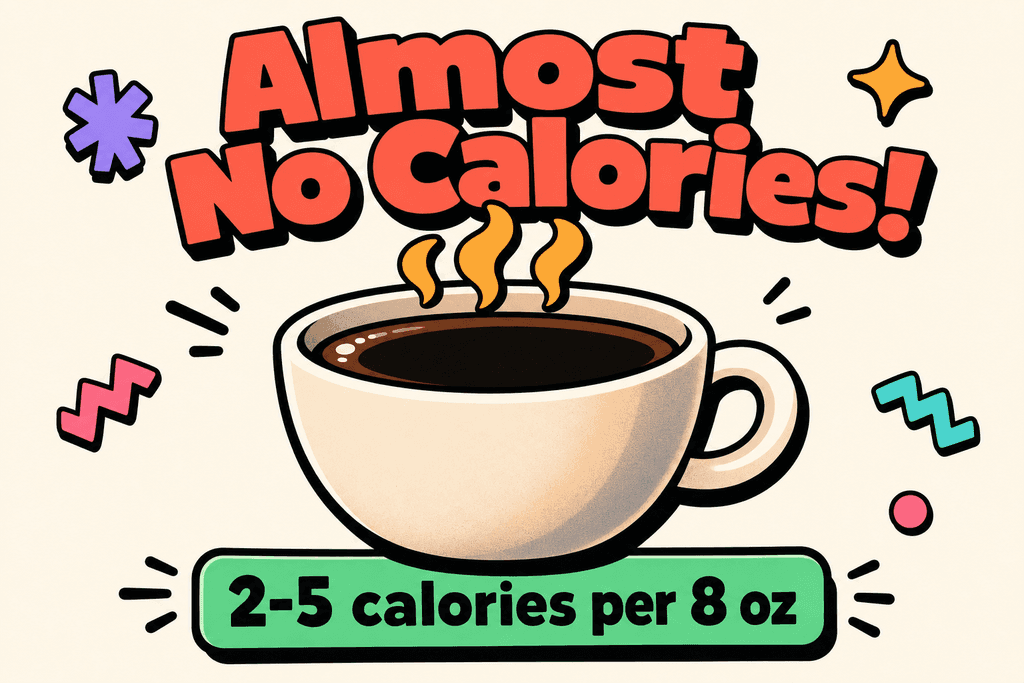
A single cup of black coffee contains almost no calories, usually between 2 to 5 calories per 8-ounce serving. This makes it one of the few drinks you can enjoy without worrying about your daily calorie budget. But here's the thing most people don't know: not all black coffee is created equal when it comes to calories, and the differences between cafes can actually add up over time.
Why Coffee Has Any Calories at All
Coffee beans themselves are packed with oils, proteins, and tiny amounts of carbohydrates. When hot water passes through ground coffee, it pulls out some of these compounds along with the caffeine and flavor we love. The calories in your cup come from these extracted elements, not from anything added to the drink.
Different brewing methods extract different amounts of these compounds. Here's what affects the final calorie count:
- The grind size of the coffee beans
- How long water contacts the grounds
- The temperature of the brewing water
- The pressure used during extraction
Serving Sizes Matter More Than You Think
Walk into any cafe and you'll notice their "small" isn't the same as another cafe's "small." A tall at Starbucks is 12 ounces, while a small at Dunkin' is 10 ounces. When you're tracking calories coffee black throughout the day, these differences stack up.
| Size Name | Typical Ounces | Estimated Calories |
|---|---|---|
| Small/Short | 8-10 oz | 2-3 |
| Medium/Tall | 12-14 oz | 3-5 |
| Large/Grande | 16-20 oz | 5-8 |
Apps like MyFoodBuddy make tracking these variations simple by letting you just say what you drank instead of manually searching through databases. You can tell it "large black coffee from Starbucks" and it figures out the rest.
Roast Levels and Temperature Effects
The roasting process changes the chemical makeup of coffee beans. Darker roasts actually have slightly fewer calories than light roasts because the longer roasting time burns off more oils and compounds. The difference is tiny, maybe half a calorie per cup, but it exists.
Temperature plays a role too, though not in the way you might think:
- Hot brewing extracts more oils and compounds
- Cold brew uses longer steep times to compensate
- Espresso uses pressure to extract concentrated amounts
Most calorie tracking apps like MyFitnessPal or Cronometer list generic entries for black coffee. But the actual calories coffee black contains can vary based on all these factors, which is why knowing your cafe's specific preparation methods helps you track more accurately.
Black Coffee Calories at Major Chain Cafes
Most people think black coffee has zero calories, but that's not quite right. The truth is that black coffee does contain a small amount of calories, though the number is so low it barely registers. When you walk into your favorite cafe and order a plain black coffee, you're getting anywhere from 2 to 5 calories depending on where you go and what size you order. The interesting part is that the size doesn't really matter as much as you'd think.
At Starbucks, a tall black coffee has about 5 calories, and so does a venti. The same pattern shows up at most major chains. Dunkin' lists their medium and large black coffees at 5 calories each, while Peet's Coffee follows a similar approach across all their sizes.
| Cafe Chain | Small/Tall (8-12 oz) | Medium/Grande (16 oz) | Large/Venti (20-24 oz) |
|---|---|---|---|
| Starbucks | 5 calories | 5 calories | 5 calories |
| Dunkin' | 5 calories | 5 calories | 5 calories |
| Peet's Coffee | 5 calories | 5 calories | 5 calories |
| Tim Hortons | 3 calories | 4 calories | 5 calories |
| McDonald's | 0 calories | 0 calories | 5 calories |
The reason size doesn't change the calorie count much is because black coffee calories come from tiny amounts of proteins and oils naturally present in coffee beans. When you brew coffee, these compounds dissolve into the water, but the concentration stays pretty consistent regardless of how much water you use. What really changes the calorie content is how you brew it, not how much you make.
How Brewing Methods Change Calorie Content
The way your coffee gets made has a bigger impact on calories than most people realize. Different brewing methods extract different amounts of oils and compounds from the coffee grounds, which means the final calorie count can vary. A standard drip coffee maker, the kind you see at most cafes and offices, produces coffee with about 2 to 5 calories per 8 ounces. This is what most chains use as their baseline.
French press coffee tends to have slightly more calories because the metal filter lets more oils pass through into your cup. Those oils add flavor but also add a few extra calories, though we're still talking about minimal amounts.
- Drip coffee: 2-5 calories per 8 oz serving
- French press: 5-8 calories per 8 oz serving
- Cold brew concentrate: 5-10 calories before dilution
- Espresso shots: 1-3 calories per shot
- Pour-over: 3-5 calories per 8 oz serving
Cold brew is an interesting case because the concentrate form can have up to 10 calories before you dilute it with water or ice. Once you add water to make a regular cup, the calorie count drops back down to the usual 3 to 5 range. Espresso shots are the lowest at just 1 to 3 calories each, which makes sense since you're only getting about an ounce of liquid per shot.
Pour-over methods like Chemex or V60 fall somewhere in the middle. They use paper filters that catch some oils but not all, so you end up with a cleaner cup that has about 3 to 5 calories per serving. The brewing temperature and time also play a role, but the differences are so small that most people don't need to worry about them when tracking their intake.
Tracking Black Coffee Without the Hassle
Here's where things get annoying for anyone trying to track their daily intake. When you open most calorie tracking apps and search for black coffee, you get hundreds of entries. Some say 0 calories, some say 2, others say 5, and you're left wondering which one is actually correct. The problem gets worse when you're trying to log coffee from a specific cafe or a particular brewing method. Do you pick the generic entry or spend five minutes scrolling through options?
Most people just skip logging their black coffee altogether because it seems like too much work for such a small number. But those small numbers add up over time, especially if you're drinking multiple cups a day and trying to hit specific macro targets. If you're someone who drinks three or four cups of black coffee daily, that's potentially 20 calories you're not accounting for.
- Traditional apps make you search through endless database entries
- Each cafe and brewing method has multiple listings
- The tedious process leads to incomplete tracking
- Small calorie amounts still matter for accurate daily totals
This is where voice logging changes everything. Instead of opening an app, typing in your search, scrolling through results, and selecting the right entry, you can just say what you're drinking. With MyFoodBuddy, you can say something like "large black coffee from Starbucks" and the app handles the rest. It knows the calorie counts for different cafes and brewing methods, so you don't have to guess or search.
The speed difference matters more than you might think. When logging takes seconds instead of minutes, you're way more likely to actually do it. And when you log everything consistently, including those seemingly insignificant items like black coffee, you get a much clearer picture of your actual intake. If you're curious about how voice technology makes tracking at coffee shops easier, the benefits go beyond just black coffee.
The same approach works for tracking other low-calorie beverages and foods that people often skip. Whether you're trying to lose weight without giving up your coffee habit or just want more accurate daily totals, having a quick way to log everything makes a real difference. Even if you're tracking low-calorie fast food meals or other items throughout your day, the principle stays the same.
What These Small Numbers Mean for Your Goals
Most people don't realize that tracking something as simple as black coffee can actually make or break their diet success. When you're looking at 2 to 5 calories per cup, it seems pointless to even bother logging it. But here's the thing: the habit of tracking everything matters more than the actual calorie count. When you get used to logging your black coffee, you're building a routine that catches the real calorie bombs before they sneak into your diet.
Daily Coffee Reality Check: The average coffee drinker consumes 3.1 cups per day. Even at 5 calories per cup, that's only 15 calories. But add just one tablespoon of cream to each cup, and you've jumped to 156 calories daily.
Why the Baseline Matters
Knowing that your black coffee sits at around 2-5 calories gives you a reference point. When you order what you think is black coffee and suddenly see 50 or 100 calories, something's wrong. Maybe they added sugar by mistake, or you accidentally grabbed someone else's latte.
- Black coffee becomes your zero-point reference for catching mistakes
- You'll notice immediately when baristas add unwanted ingredients
- It helps you spot the difference between black coffee and Americanos with added milk
- Tracking builds awareness of what "free" foods actually look like in your diet
The Real Danger Zone
The calories in black coffee aren't the problem. It's what happens when you start adding things that makes coffee a diet killer. A single tablespoon of heavy cream adds 52 calories, and most people pour way more than that.
- Two pumps of vanilla syrup: 40 calories
- One tablespoon of sugar: 49 calories
- Splash of whole milk: 9-18 calories depending on the "splash"
- Flavored creamer (one tablespoon): 35-50 calories
Apps like MyFitnessPal require you to search through databases and manually add each ingredient. With MyFoodBuddy, you just say "black coffee" and move on with your day. The speed matters because when tracking takes too long, people stop doing it. And when you stop tracking the small stuff, the big stuff slides too.
Your Black Coffee Tracking Made Simple
So here's what you need to remember about calories coffee black. Whether you're grabbing a tall from Starbucks or a large from Dunkin', you're looking at somewhere between 2 and 5 calories max. The size of your cup barely matters when it comes to plain black coffee. What does make a difference is how the coffee gets brewed, with cold brew and espresso-based drinks showing slightly different numbers than regular drip coffee.
The real challenge isn't knowing these numbers. It's actually remembering to track them when you're rushing through your morning routine or meeting a friend at a cafe.
Most tracking apps make you search through databases and tap through multiple screens just to log a simple black coffee. That's where voice-powered tracking at coffee shops changes things. With MyFoodBuddy, you just say "large black coffee from Starbucks" and it logs everything automatically.
Even though black coffee has minimal calories, tracking it matters if you're serious about your goals. Those small numbers add up over time, and automatic calorie calculation means you never have to guess or skip logging because it feels like too much work. The easier it is to track everything you consume, the more likely you'll stick with it long enough to see real results.
If you want to keep enjoying your coffee habit while staying on track, check out our guide on losing weight without giving up your favorite coffee drinks. But first, let's answer some common questions about black coffee and calorie tracking.
Common Questions About Black Coffee Calories
Tracking black coffee might seem straightforward, but people have a lot of questions about whether those calories really matter. The truth is that understanding what you're drinking can make a difference in your overall nutrition tracking. Here are the most common questions we hear about black coffee and its calorie content, along with straight answers that'll help you make better decisions about logging your daily brew.
Does black coffee really have zero calories?
Not quite. Black coffee typically has 2-5 calories per 8-ounce cup, depending on the brewing method and coffee bean type. The calories come from tiny amounts of oils and proteins extracted during brewing. While it's close enough to zero that most people round down, those calories can add up if you're drinking multiple cups throughout the day.
Why do different cafes list different calorie amounts?
Coffee shops use different beans, roasting methods, and brewing techniques that all affect the final calorie count. A stronger brew extracts more oils and compounds from the beans, which means slightly more calories. Some cafes also round their numbers differently or use standardized nutritional databases that might not reflect their exact recipe. The differences are usually small, ranging from 0-5 calories per cup.
Should I bother tracking black coffee?
If you're drinking one or two cups a day, it probably won't make a meaningful difference in your calorie goals. But if you're a heavy coffee drinker having 4-6 cups daily, those 2-5 calories per cup can add up to 20-30 calories. More importantly, tracking your coffee helps you stay aware of your overall consumption patterns. With MyFoodBuddy, you can simply say "large black coffee from Starbucks" and the app logs it instantly without any manual searching.
Does cold brew have more calories than hot coffee?
Cold brew typically has slightly more calories because it uses a higher coffee-to-water ratio and steeps longer, extracting more compounds from the beans. A typical cold brew might have 5 calories per 8 ounces compared to 2-3 for hot coffee. The difference is minimal unless you're drinking large sizes or multiple servings.
How many cups of black coffee can I drink on a diet?
From a calorie perspective, black coffee won't derail your diet regardless of how many cups you drink. The bigger concerns are caffeine intake and how coffee affects your appetite and sleep. Most health experts recommend staying under 400mg of caffeine daily, which is about 4 cups of regular coffee. Black coffee can actually support weight loss by slightly boosting metabolism and reducing appetite, but everyone responds differently.
Do espresso shots have the same calories as regular coffee?
A single espresso shot has about 1-3 calories, which is similar to regular coffee when you compare equal volumes. Since an espresso shot is only 1 ounce compared to an 8-ounce cup of coffee, you're getting fewer total calories per serving. Two shots of espresso (a doppio) would have roughly the same calories as a small cup of drip coffee.
Ready to start tracking smarter?
Download MyFoodBuddy and start tracking your calories by just saying what you ate. No more searching databases or guessing portions.
Get started