
What to Track in a Calorie Tracking App for Results
Learn what metrics to track in your calorie tracking app for real results. From macros to micronutrients, discover what actually matters.
You've been logging every calorie religiously for weeks, but the scale won't budge and you're not sure why. The problem isn't your effort—it's that most people track total calories while ignoring the specific nutrients and patterns that actually drive results. A good calorie tracking app should monitor more than just numbers, and tools like MyFoodBuddy now track over 20 nutrients automatically so you can focus on what really matters without spending extra time.
Table of Contents
- The Evolution of Calorie Tracking
- Macronutrients: The Foundation of Your Tracking
- Micronutrients: The Missing Piece Most Apps Ignore
- Consistency Metrics That Drive Long-Term Success
- Advanced Metrics for Optimizing Your Results
- How Smart Tracking Saves Time While Improving Results
- Start Tracking What Actually Matters
- Common Questions About Calorie Tracking
The Evolution of Calorie Tracking
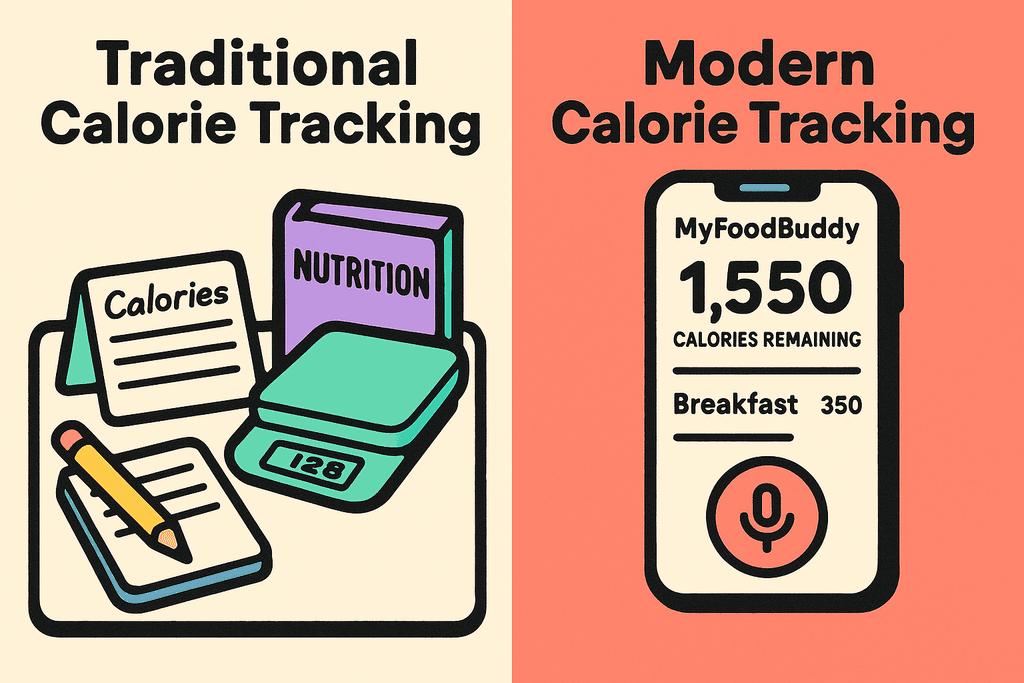
Most people who tried tracking calories in the 1990s gave up within a week. They had to carry around a small notebook, write down everything they ate, then spend hours flipping through nutrition books to find calorie counts. If you wanted to know how much protein was in your chicken breast, you'd better hope you had a food scale and a calculator handy. The whole process took so much time that people often ate less just to avoid the hassle of logging their meals.
When Apps First Appeared
The first calorie tracking apps showed up in the early 2000s and made things easier, but not by much. Apps like MyFitnessPal brought USDA food databases to your phone, which meant you didn't need nutrition books anymore. But you still had to do a lot of work.
Here's what tracking a single meal looked like with traditional apps:
- Search through thousands of food entries to find the right one
- Adjust serving sizes manually for each ingredient
- Create custom meals if your exact food wasn't in the database
- Repeat this process three to five times per day
- Spend 5-10 minutes per meal just logging what you ate
People were spending up to 30 minutes a day just recording their food. That's 3.5 hours per week doing data entry instead of actually living their lives.
What Changed with AI Technology
AI-powered calorie tracking apps started appearing around 2020, and they work completely differently. Instead of searching databases and adjusting portions, you just tell the app what you ate in plain English. The AI figures out the rest using USDA data and machine learning.
| Tracking Method | Time Per Meal | Manual Steps Required |
|---|---|---|
| Pen and Paper | 15-20 minutes | 8-10 steps |
| Traditional Apps | 5-10 minutes | 5-7 steps |
| AI Voice Logging | 10-30 seconds | 1 step |
Apps like MyFoodBuddy let you say "two eggs, toast with butter, and coffee with oat milk" and automatically calculate everything. The difference isn't just about speed though.
Tracking Nutrients Beyond Calories
Old-school tracking focused almost entirely on calories because that's all most people had time to monitor. Modern calorie tracking apps can now track over 20 different nutrients without any extra effort from you.
Here's what you can monitor now:
- Macronutrients like protein, carbs, and fats
- Vitamins including A, C, D, and B-complex
- Minerals like iron, calcium, and potassium
- Fiber, sugar, and sodium levels
The technology pulls this data automatically from USDA databases, so you get a complete nutritional picture without doing any math. This matters because tracking only calories tells you nothing about whether you're actually eating a balanced diet. You could hit your calorie goal eating nothing but candy bars, but you'd feel terrible and probably get sick.
The real question isn't whether technology has made tracking easier. It obviously has. The question is what you should actually be tracking to get results, and that's where most people still get confused.
Macronutrients: The Foundation of Your Tracking
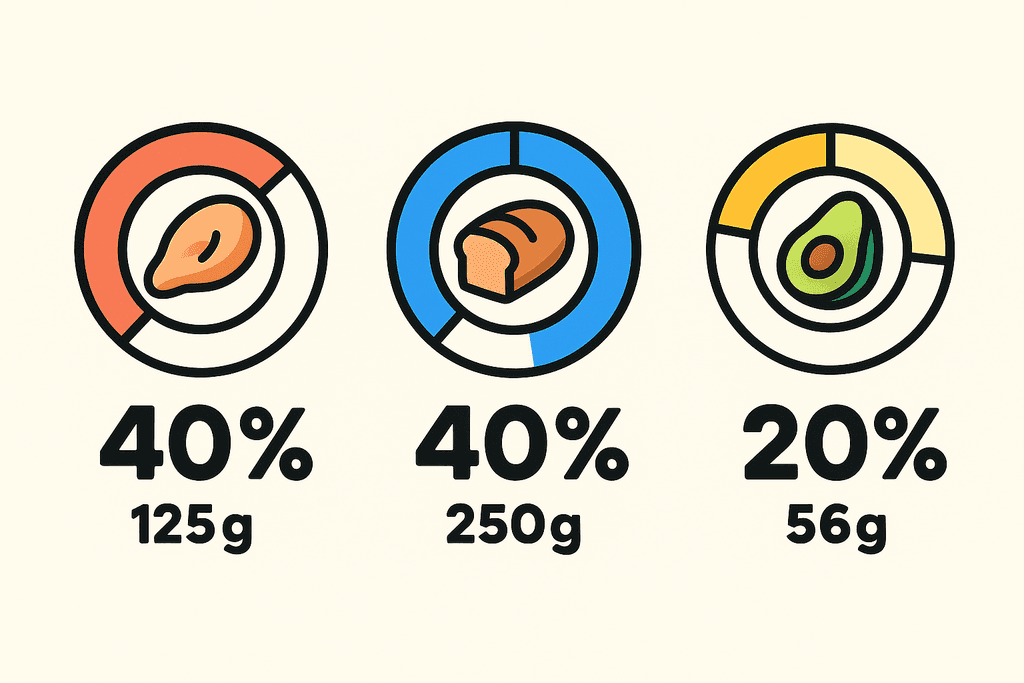
Most people think tracking calories is just about hitting a magic number each day. But here's what actually matters: the breakdown of those calories into protein, carbs, and fats. Your body processes these three macronutrients completely differently, and the ratio you eat determines whether you lose fat, build muscle, or just feel tired all the time. Two people eating 2000 calories can have totally different results based on their macro split.
Macronutrients: The Foundation of Your Tracking
Protein intake is crucial for muscle maintenance and satiety, which is why it should be your first priority when setting up any calorie tracking app. When you eat enough protein (usually around 0.8 to 1 gram per pound of body weight), you feel fuller longer and your body has what it needs to maintain muscle mass during weight loss. Without tracking this, you might hit your calorie goal but still feel hungry and lose muscle instead of fat.
| Goal | Protein % | Carbs % | Fats % |
|---|---|---|---|
| Weight Loss | 30-40% | 30-40% | 20-30% |
| Muscle Gain | 25-35% | 40-50% | 20-30% |
| Maintenance | 25-30% | 40-50% | 25-30% |
Carb and fat ratios should match your activity level and preferences, not some one-size-fits-all approach. If you work out a lot, you probably need more carbs for energy. If you're more sedentary or feel better on lower carbs, you can shift those calories to fats. The key is finding what works for your body and lifestyle.
Apps with TDEE calculators can automatically set macro targets based on your goals, which saves you from doing complicated math. MyFoodBuddy does this for you, so you just enter your stats and what you want to achieve. Total calories matter, but macro balance determines body composition, which is why tracking both gives you the full picture of what's happening with your diet.
Tracking macros helps identify why you feel hungry or tired throughout the day. If you're always starving by 3pm, your protein might be too low. If you crash after lunch, maybe you're eating too many carbs at once. These patterns only become visible when you track consistently.
Micronutrients: The Missing Piece Most Apps Ignore
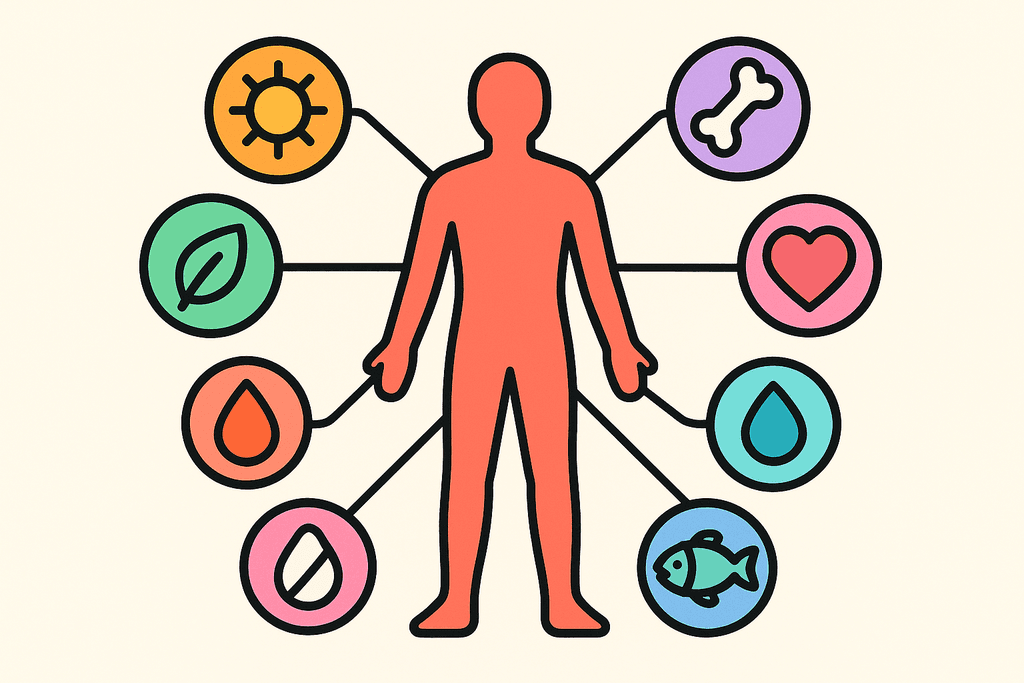
You can nail your macros perfectly and still feel terrible if you're missing key vitamins and minerals. This is where most calorie tracking apps fall short because they only focus on the big three macros and ignore everything else. But your body needs over 20 different nutrients to function properly, and deficiencies in even one can mess with your energy, recovery, and results. The problem is that tracking micronutrients used to be nearly impossible without a nutrition degree.
Micronutrients: The Missing Piece Most Apps Ignore
Vitamin D, iron, and B12 deficiencies are common even with good diets, especially if you don't eat much red meat or spend time outdoors. These aren't just minor issues either. Low iron makes you exhausted no matter how much you sleep. B12 deficiency can cause brain fog and weakness. Vitamin D affects everything from your immune system to your mood.
- Iron deficiency affects about 25% of people worldwide
- Nearly 42% of Americans are deficient in vitamin D
- B12 deficiency is common in people over 50 and vegetarians
- Magnesium deficiency affects up to 50% of the population
Micronutrient tracking reveals hidden gaps in your nutrition that explain why you might not be seeing results. Maybe you're getting enough calories and protein, but you're low on magnesium, which affects sleep quality and muscle recovery. Or you're missing zinc, which impacts hormone production and immune function.
Many apps don't track micros because it requires extensive databases with detailed nutritional information. AI-powered apps can extract micronutrient data automatically from USDA databases, which is exactly what MyFoodBuddy does when you log your meals. Instead of manually looking up every vitamin and mineral, the app pulls comprehensive data for over 20 nutrients and shows you where you stand.
Tracking 20+ nutrients helps optimize energy levels and recovery, especially if you're active or trying to lose weight. When you're in a calorie deficit, getting enough micronutrients becomes even more important because you're eating less food overall. You can learn more about achieving balanced meals without the hassle to make sure you're covering all your nutritional bases.
Consistency Metrics That Drive Long-Term Success
Perfect tracking for three days followed by a week of nothing doesn't get you anywhere. The people who actually see results are the ones who log consistently, even when they're not eating perfectly. This is why tracking your tracking habits matters just as much as tracking your food. Your logging streak tells you more about your future success than any single day of perfect macros ever could.
Logging streaks indicate habit formation and predict long-term success better than almost any other metric. When you build a streak of 30, 60, or 90 days, you've turned tracking into an automatic habit. At that point, it takes less willpower and becomes part of your routine.
- Track your daily logging streak to build accountability
- Monitor weekly adherence rates (aim for 80% or higher)
- Review meal timing patterns to spot eating triggers
- Check color-coded calendars for visual consistency feedback
- Celebrate small wins with achievement badges
Meal timing patterns reveal eating behaviors that help or hurt progress, like late-night snacking or skipping breakfast and overeating at dinner. When you can see these patterns in your calorie tracking app, you can actually do something about them. Maybe you notice you always go over your calories on Fridays, or you eat better when you prep meals on Sunday.
Weekly averages matter more than daily perfection, which is something a lot of people miss. You don't need to hit your exact calorie target every single day. If you're over by 200 calories on Tuesday but under by 200 on Wednesday, it evens out. Looking at weekly totals takes the pressure off and makes the whole process more sustainable.
Color-coded calendars make it easy to spot consistency patterns at a glance. Green days when you logged everything, yellow days when you partially tracked, red days when you didn't log at all. This visual feedback helps you stay honest with yourself about your actual consistency level.
Gamification features like achievements keep you motivated during plateaus, which is when most people quit. When the scale isn't moving but you just earned a badge for 30 days of logging, you have something to feel good about. If you're struggling with staying consistent, check out our guide on how to stay consistent tracking calories for practical tips.
Advanced Metrics for Optimizing Your Results
Once you've got the basics down, there are additional metrics that can fine-tune your approach and help you break through plateaus. These aren't necessary for everyone, but if you've been tracking for a while and want to optimize further, they're worth paying attention to. The difference between good results and great results often comes down to these smaller details that most people overlook.
Water intake affects hunger signals and workout performance more than most people realize. Sometimes what feels like hunger is actually thirst, and being even slightly dehydrated can tank your energy during workouts. Tracking water helps you connect the dots between how much you drink and how you feel.
| Metric | Basic Tracking | Advanced Tracking |
|---|---|---|
| Calories | Daily total | Weekly average + trends |
| Weight | Daily weigh-ins | Trend line smoothing |
| Nutrients | Macros only | 20+ vitamins/minerals |
| Consistency | None | Streaks + adherence rate |
Fiber tracking helps with satiety and digestive health, which indirectly supports your weight goals. High-fiber foods keep you full longer and help regulate blood sugar, so you're less likely to get those intense cravings. Most people don't get enough fiber, and tracking it makes the gap obvious.
Weight trend charts smooth out daily fluctuations for accurate progress tracking. Your weight can swing 2-5 pounds in a day based on water retention, sodium intake, and other factors that have nothing to do with fat loss. A trend line shows you the actual direction you're moving over weeks and months.
Meal frequency and timing can be optimized based on your schedule and how your body responds. Some people do great with three meals a day, others prefer five smaller meals. There's no universal right answer, but tracking helps you figure out what works for you.
Integration with health apps provides context from sleep and activity data, which affects everything else. If you slept poorly and your step count was low, it makes sense that you're hungrier than usual. MyFoodBuddy integrates with Apple Health to pull in this context automatically, so you can see the full picture of your health in one place. For more insights on using technology to manage your diet, read about mastering your metabolism after dieting with a tech-savvy approach.
How Smart Tracking Saves Time While Improving Results
The average person who tries to track calories quits within two weeks, and the reason isn't lack of motivation. It's the sheer amount of time required to log every single meal accurately. Traditional calorie tracking apps demand that you search through massive databases, measure portions, create custom meals, and manually input every ingredient. This process eats up 5-10 minutes per meal, which means you're spending up to 30-40 minutes per day just recording what you ate. That's nearly four hours per week doing data entry instead of living your life.
The friction of manual tracking creates a predictable pattern. You start strong on Monday, diligently logging breakfast and lunch. By Wednesday, you're skipping entries because you're busy. By Friday, you've given up entirely and tell yourself you'll start fresh next Monday.
| Tracking Method | Time Per Meal | Daily Time Investment |
|---|---|---|
| Traditional Manual Entry | 5-10 minutes | 20-40 minutes |
| AI Voice Logging | Under 30 seconds | 2-3 minutes |
Why Speed Matters More Than Accuracy
Here's something most people don't realize about calorie tracking. Consistency beats precision every single time. A rough estimate logged every day gives you far better data than perfect measurements logged sporadically. When tracking takes too long, you simply won't do it consistently enough to see patterns or make adjustments.
Modern AI-powered approaches solve this by removing the database search entirely. Instead of hunting for "chicken breast, grilled, 6 oz" in a list of 47 similar entries, you just say what you ate in plain language.
- Voice input captures complete meals in one sentence
- AI extracts nutritional data automatically using USDA databases
- No need to create custom meals or save recipes manually
- Natural language processing understands context and common portions
The Adherence Advantage
Apps like MyFoodBuddy reduce meal logging from minutes to seconds by letting you speak naturally. You can log "two eggs, toast with butter, and coffee with oat milk" while you're still eating breakfast. The AI handles the rest, calculating macros and micros without you touching a search bar.
This speed advantage compounds over time. When tracking becomes effortless, you actually do it. Better adherence means better data, which means better insights, which ultimately drives better results. The people who succeed at calorie tracking aren't the ones who measure everything to the gram. They're the ones who show up and log something every single day.
- Reduced friction leads to habit formation
- Consistent data reveals eating patterns you'd otherwise miss
- Quick logging means you can track even when busy or traveling
- Less mental energy spent on tracking means more focus on actual nutrition choices
Start Tracking What Actually Matters
Getting results from a calorie tracking app comes down to focusing on what really moves the needle. Your macros give you the big picture of how you're fueling your body, while key micronutrients like vitamin D, iron, and fiber keep everything running smoothly. But here's the thing most people miss: consistency metrics matter way more than hitting perfect numbers every single day. A week of pretty good tracking beats a day of perfect tracking followed by six days of nothing.
The best calorie tracking app is the one you'll actually use six months from now. That's why tools that automate the hard parts make such a difference. MyFoodBuddy handles the nutrition calculations for you, so you can just say what you ate and move on with your day. No searching through databases or measuring every ingredient.
Weekly trends tell you more about your progress than daily fluctuations ever will. Your weight might bounce around from day to day because of water retention or when you last ate, but the overall direction over seven days shows what's really happening. The same goes for your nutrition - one high-sodium day won't derail you if the rest of your week balances out.
If you're tired of spending forever logging meals in traditional apps, voice-powered tracking cuts that time down to seconds. When tracking becomes this simple, staying consistent stops feeling like a chore. And consistency is what gets results, not perfection.
Want more tips on staying on track? Check out our guide on how to stay consistent tracking calories for practical strategies that actually work.
Common Questions About Calorie Tracking
Tracking what you eat seems simple until you actually start doing it. Then the questions pile up fast. Should you track every vitamin and mineral, or just stick to calories? What happens when life gets messy and you forget to log a meal? These are the things that trip people up and make them quit before they see any real progress.
The good news is that most tracking problems have pretty straightforward answers. You don't need to be perfect, and you definitely don't need to overcomplicate things. Here are the questions that come up most often when people start using a calorie tracking app.
How many nutrients should I track?
Start with the big three: calories, protein, and fiber. These give you the most bang for your buck when it comes to seeing results. Once you've got those down, you can add carbs and fats if you want more control over your macros.
Most people don't need to obsess over every vitamin and mineral unless a doctor told them to. That said, apps like MyFoodBuddy track over 20 nutrients automatically, so the data's there if you want it without extra work on your part.
Do I need to track every single day?
Consistency beats perfection every time. Tracking five or six days a week will get you better results than tracking perfectly for two weeks and then giving up. Your body doesn't reset at midnight, so missing a day here and there won't ruin your progress.
The key is making it easy enough that you actually want to do it. Voice logging takes about 10 seconds, which is why people stick with it longer than apps that make you search through databases and measure everything.
What's more important, calories or macros?
Calories determine whether you lose, gain, or maintain weight. Macros determine how you feel and what that weight is made of. If you had to pick one, calories win for pure weight change.
But here's the thing: you don't have to choose. Any decent calorie tracking app shows you both automatically. Focus on hitting your calorie target first, then fine-tune your protein intake to preserve muscle.
How long does it take to see results from tracking?
Most people notice changes in how they feel within a week or two. The scale might take two to four weeks to show a clear trend, especially if you're also starting a new workout routine.
The real magic happens around the three-month mark when tracking becomes automatic. That's when you stop thinking about it as a chore and start seeing it as useful information about your body.
Can I track meals without weighing food?
Absolutely. Eyeballing portions gets you about 80% of the way there, which is plenty for most people. You can say "a handful of almonds" or "a palm-sized chicken breast" and get close enough to see results.
Apps that use AI to interpret natural language make this even easier. You just describe what you ate in normal words, and the app figures out reasonable portions based on USDA data.
What should I do if I miss a day of tracking?
Just start again the next day. Don't try to recreate yesterday's meals from memory because you'll probably get it wrong anyway. One missed day won't hurt your progress, but beating yourself up about it and quitting will.
Think of tracking like brushing your teeth. If you forget one night, you don't give up on dental hygiene forever. You just brush them the next morning and move on.
Ready to start tracking smarter?
Download MyFoodBuddy and start tracking your calories by just saying what you ate. No more searching databases or guessing portions.
Get started