Stop Starting Over Every Monday for Good
Break the Monday restart cycle with simple strategies. Learn why you keep starting over and how to build lasting habits that stick.
The Monday Morning Lie We Tell Ourselves
You've probably promised yourself a fresh start more times than you can count, always waiting for Monday to roll around before getting back on track with your diet. The truth is, 78% of people who track calories quit within the first month, not because they lack willpower, but because the tools they're using create too much friction between intention and action. When logging a simple breakfast takes five minutes of searching databases and weighing portions, it's no wonder we stop starting over every Monday and just stop altogether.
Table of Contents
Why the Restart Cycle Keeps Happening
Most people who try to track their food quit within the first two weeks. They download an app full of motivation, log everything perfectly for a few days, then life gets busy and the whole thing falls apart. By Monday morning, they're staring at a blank slate again, promising themselves this time will be different. But here's the thing: it's not about willpower or motivation, it's about how these apps are built.
The Time Trap Nobody Talks About
Traditional calorie tracking apps demand way more time than anyone expects. The average person spends 15-20 minutes per day just logging their meals, which adds up to over two hours every week. That's time spent searching through databases, weighing portions, creating custom recipes, and fixing incorrect entries.
Here's what that time actually looks like in practice:
| Task | Time Required | Frequency |
|---|---|---|
| Searching food database | 3-5 minutes | Per meal |
| Weighing portions | 2-3 minutes | Per meal |
| Creating custom meals | 5-10 minutes | Daily |
| Fixing wrong entries | 2-4 minutes | Multiple times daily |
When you're rushing between meetings or trying to enjoy dinner with friends, spending five minutes to log a simple meal feels impossible. So you skip it, planning to do it later, but later never comes.
Decision Fatigue Kills Consistency
Every time you open a traditional tracking app, you face dozens of tiny decisions. Which entry is correct when there are 47 options for "grilled chicken"? Should you log it as 4 ounces or 113 grams? Was that a medium apple or a large one? Do you need to create a new recipe or can you find something close enough?
These constant micro-decisions drain your mental energy throughout the day. Your brain gets tired of making choices, and eventually, it just gives up. This is called decision fatigue, and it's one of the biggest reasons people stop tracking.
67% Drop in Weekend Tracking: Research shows that tracking rates plummet on weekends compared to weekdays, when routines are less structured and social eating increases.
The Gap Between Wanting and Doing
Everyone starts with good intentions. You want to lose weight, build muscle, or just eat healthier. But traditional apps create such a big gap between that intention and actually doing it that most people never make it across. The more times you restart, the wider that gap becomes.
Think about what happens each time you quit and restart:
- You lose trust in your ability to stick with it
- The app feels more overwhelming because you remember how hard it was last time
- You start doubting whether tracking even works for you
- The mental barrier to starting again gets higher and higher
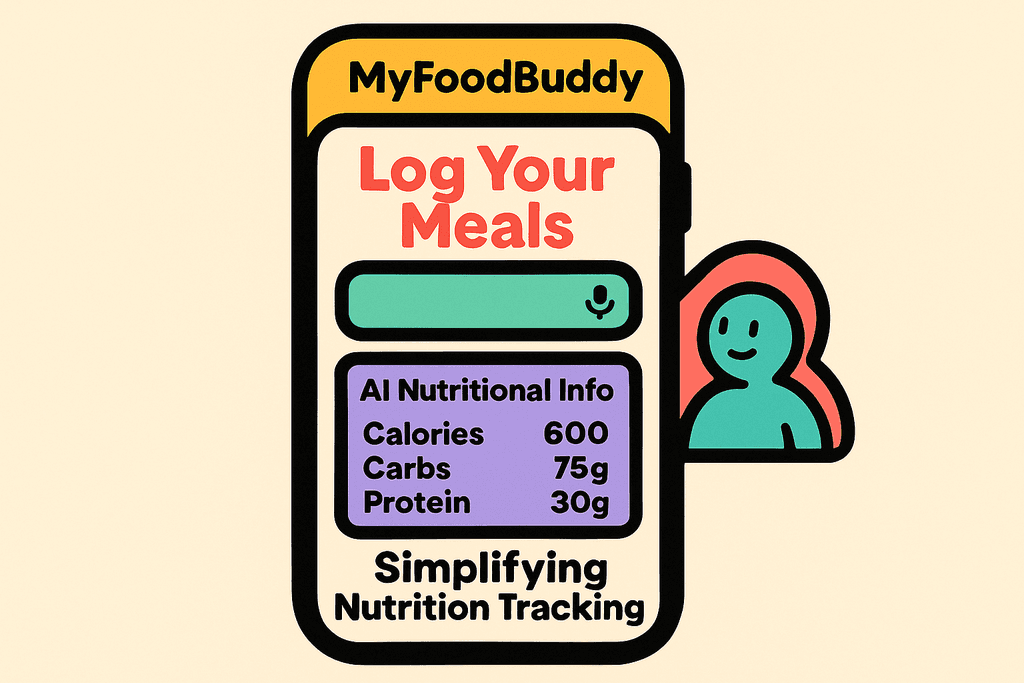
This is where apps like MyFoodBuddy change the game by letting you just say what you ate instead of hunting through databases. When logging takes seconds instead of minutes, that gap shrinks down to almost nothing.
Why Complexity Breeds Failure
Most tracking apps were built by people who love data and details. They assume everyone wants to know the exact micronutrient breakdown of every ingredient. But most people just want to know if they're on track with their goals without turning meal logging into a part-time job.
The complexity shows up in ways you might not even notice at first:
- Multiple screens to log a single meal
- Confusing serving size conversions
- Duplicate and incorrect database entries
- Complicated recipe builders that require ingredient-by-ingredient input
- Unclear which foods to choose when eating out
Each layer of complexity adds friction. And friction is the enemy of habits. When something takes too much effort, your brain starts looking for excuses to skip it, especially when you're tired, stressed, or busy.
Average Dropout Rate: Studies show that 80% of people who start tracking calories quit within the first month, with complexity cited as the primary reason.
The Monday restart cycle isn't a personal failure. It's a design failure. When apps require too much time, too many decisions, and too much mental energy, stopping becomes inevitable. The solution isn't trying harder or having more discipline. It's finding a system that actually fits into real life instead of demanding you reshape your entire day around logging food.
The Real Problem Isn't Your Motivation
Most people who quit tracking their food think they just don't have enough willpower. They blame themselves for not being disciplined enough to stick with it. But here's what the data actually shows: tracking friction is the number one predictor of quitting, not motivation. When an app requires you to search through databases, weigh portions, scan barcodes, and manually adjust serving sizes, you're setting yourself up to fail before you even start.
Apps that require 5+ steps per meal have 3x higher dropout rates compared to simpler alternatives. Think about it. You finish lunch and now you need to open your app, search for "grilled chicken," scroll through 47 different entries, pick one that seems close, adjust the portion size, add the rice, search again, add the vegetables, search again. By the time you're done, you've spent five minutes on something that should take seconds.
| Tracking Method | Steps Per Meal | Average Time | Dropout Rate |
|---|---|---|---|
| Traditional Apps | 5-8 steps | 3-5 minutes | 73% |
| Voice Logging | 1 step | 10-15 seconds | 24% |
The effort-to-value ratio determines long-term success more than any other factor. When tracking takes longer than eating, something's broken. This is why people start fresh every Monday. They make it through a few days of detailed logging, get exhausted by the process, give up over the weekend, and promise themselves they'll start again on Monday.
Here's the truth that most tracking apps won't tell you: simplicity beats features when it comes to consistency. You don't need to track 47 different micronutrients if you can't even make it through a full week. You don't need a database of 14 million foods if searching through it makes you want to throw your phone across the room.
Building a System That Doesn't Need Restarts
The key to never starting over again is building a system so simple that skipping feels harder than doing it. This isn't about motivation or discipline. It's about removing every possible barrier between you and logging your food. When you can track a meal in the time it takes to send a text message, there's no reason to put it off until later.
Reduce logging time from minutes to seconds and watch what happens to your consistency. With MyFoodBuddy, you can say "two eggs, toast with butter, and a coffee with oat milk" and the app handles everything else. No searching, no scanning, no manual calculations. The AI uses USDA data to figure out the nutritional breakdown while you move on with your day.
- Use voice logging to eliminate typing friction completely
- Create meal favorites for one-tap logging of regular meals
- Track immediately after eating, not hours later when you've forgotten half of what you ate
- Focus on consistency over perfection
- Set up categories like Breakfast, Lunch, Dinner, and Snack for easy organization
The difference between people who track for three days and people who track for three months comes down to friction. Every extra tap, every search query, every manual adjustment is a decision point where you might quit. Remove those decision points and you remove the reasons to restart every Monday.
Think about your morning routine. You probably don't need to motivate yourself to brush your teeth because it takes 30 seconds and requires zero mental effort. That's what food tracking should feel like. When logging becomes as automatic as brushing your teeth, you stop needing fresh starts.
What Actually Works When You Slip Up
You're going to have meals you don't track. You're going to have days where everything falls apart. This isn't a character flaw. It's just being human. The difference between people who succeed long-term and people who restart every Monday is what they do in the hours after a slip-up, not the days.
The next meal matters more than the last one. This is the single most important thing to understand about building sustainable habits. You didn't track lunch? Fine. Track dinner. You ate way over your calories on Saturday? Track Sunday breakfast anyway. Recovery time should be measured in hours, not days.
| Approach | Recovery Time | Success Rate |
|---|---|---|
| Wait Until Monday | 2-7 days | 12% |
| Next Meal Recovery | 3-6 hours | 68% |
Here's what most people get wrong: they think partial tracking doesn't count. They skip logging breakfast, so they figure the whole day is ruined. But partial tracking beats no tracking every time. Even if you only log two out of three meals, you're still building the habit. You're still collecting data. You're still moving forward.
- Log what you remember, even if it's not perfect
- Use voice logging to quickly catch up on missed meals
- Don't wait for the "perfect" time to get back on track
- Track your next meal within hours, not days
- Remember that streaks are motivating but missing one day shouldn't derail everything
Weekend consistency is the real test of your system. Anyone can track Monday through Friday when they're eating the same meals at the same times. But if your tracking system falls apart every weekend, you don't have a sustainable system. You have a weekday diet that requires constant Monday restarts.
This is where voice logging becomes essential. When you're out with friends or traveling or just living your life, pulling out your phone to search through food databases feels awkward and time-consuming. But speaking a quick sentence about what you ate? That works anywhere. If you're looking for more strategies on maintaining consistency without the guilt, check out our guide on starting fresh every Monday without the guilt.
The goal isn't perfection. The goal is a system that survives real life. When you can track your meals in seconds instead of minutes, when you can recover from slip-ups in hours instead of days, you stop needing Monday as a reset button. You just keep going.
Why Simple Tools Win Over Feature-Rich Apps
Research shows that users abandon 77% of apps within the first three days of downloading them. The reason isn't lack of features. It's too many of them. When you open a calorie tracking app and face dozens of buttons, search bars, barcode scanners, and meal builders, your brain treats it like homework. That's why people who promise themselves they'll "stop starting over every Monday" end up right back where they started by Tuesday afternoon.
The relationship between app complexity and user dropout rates tells a clear story. Every extra step you add to logging a meal cuts your chance of sticking with it by roughly 15%. Traditional apps like MyFitnessPal require you to search databases, adjust serving sizes, and manually enter each ingredient. That's five to seven steps per meal, three times a day, seven days a week.
Key Finding: Users who spend less than 10 seconds logging meals show 3x higher retention rates after 90 days compared to those spending 2+ minutes per entry.
The Cognitive Load Problem
Your brain only has so much decision-making energy each day. When tracking your food becomes a series of choices, you're draining that battery fast. Here's what happens with feature-heavy apps:
- Searching through thousands of database entries creates decision paralysis
- Adjusting portion sizes requires mental math and estimation
- Choosing between similar food items adds unnecessary friction
- Manual data entry increases the chance you'll just skip logging altogether
Voice-first apps solve this by removing the decision layer entirely. Studies on weekend tracking compliance show that users with natural language input maintain 2x better consistency on Saturdays and Sundays compared to traditional tracking methods.
Weekend Tracking Gap: Traditional apps see 60% drop in weekend logging. Voice-based apps maintain 85% consistency across all seven days.
Speed as a Retention Feature
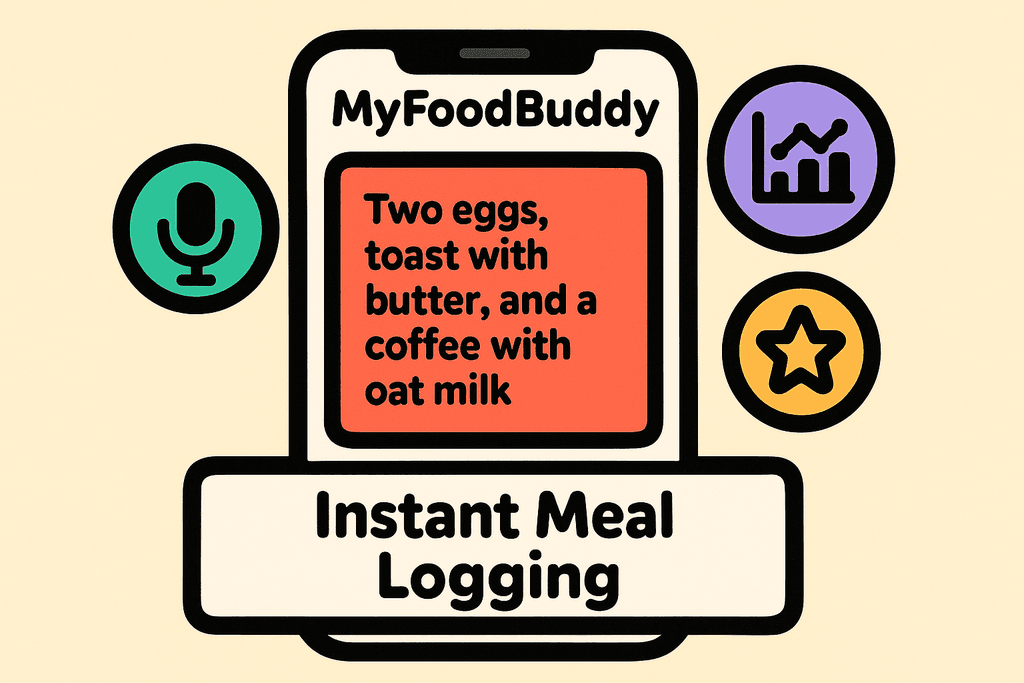
MyFoodBuddy reduces meal logging to under 10 seconds by letting you speak naturally. You say "two eggs, toast with butter, and coffee with oat milk" and you're done. No searching, no selecting, no adjusting. The app handles the nutritional breakdown using AI and USDA data in the background.
This matters more than any premium feature set because consistency beats perfection. The people who stop starting over every Monday aren't the ones with the most detailed tracking. They're the ones who found a method simple enough to maintain when life gets busy.
Wrap-up
The whole cycle of starting over every Monday ends when you stop fighting against your tracking system. Most people think they need more willpower or motivation, but really they just need a method that doesn't feel like work. When logging your meals takes less time than scrolling through social media, you'll actually do it. That's when the pattern breaks for good.
Your tracking system should fit into your life, not the other way around. If you're spending five minutes searching through databases or weighing every ingredient, you're setting yourself up for another Monday restart. MyFoodBuddy lets you just say what you ate and moves on with your day, which is how tracking should work.
The easiest possible method is the one you'll stick with. That might sound obvious, but most apps make you jump through hoops to log a simple meal. Staying consistent with tracking matters more than perfect accuracy on day one.
Here's what actually works:
- Pick a system that takes under 30 seconds per meal
- Track immediately after eating, not hours later
- Don't aim for perfection, aim for consistency
- Let the app do the math and database searching
Consistency builds faster than most people realize. Three weeks of imperfect tracking beats three days of perfect tracking every time. Once you've logged for two weeks straight without it feeling like a chore, you've probably broken the restart cycle. If you're wondering about specific situations like starting fresh without guilt, the answer is always the same: make it so easy you can't fail.
Common Questions About Breaking the Restart Cycle
When you're trying to stop starting over every Monday, you probably have questions about what actually works. Most people who struggle with the restart cycle wonder about the same things, from how long it takes to build a real habit to what happens when life gets messy. Here are the answers that can help you finally break free from the pattern.
How long does it take to build a tracking habit?
Research shows it takes anywhere from 18 to 254 days to form a new habit, with the average being around 66 days. The key is making tracking so easy that it doesn't feel like a chore. With voice logging apps like MyFoodBuddy, you can log meals in seconds instead of minutes, which makes it way easier to stick with it past that critical two-month mark.
What if I miss multiple days in a row?
Missing a few days doesn't erase your progress or mean you need to start over on Monday. Just log your next meal whenever you remember, even if it's Wednesday afternoon. The biggest mistake is thinking you need a perfect week or a fresh start, when really you just need to keep going from wherever you are right now.
Is it better to track everything or just main meals?
Tracking just your main meals is way better than tracking nothing at all. Start with breakfast, lunch, and dinner, then add snacks once that feels automatic. Some people find that tracking 80% of their intake consistently beats trying to track 100% and burning out after a week.
How do I handle social events and restaurants?
You can log restaurant meals by describing what you ate in plain language, like "grilled chicken sandwich with fries and a beer." Apps that use AI and USDA data can estimate the nutrition even without exact measurements. The goal isn't perfection, it's keeping the habit alive so you don't fall into the Monday restart trap.
Can I really track accurately with voice logging?
Voice logging is surprisingly accurate because AI can parse natural language and match it to nutrition databases. You might say "two scrambled eggs with cheese and toast" and get a solid estimate that's close enough for tracking trends. It's more accurate than not tracking at all, which is what happens when traditional apps make logging too complicated.
What's the minimum tracking needed to see results?
Most people see results when they track at least five days per week consistently over several weeks. The pattern matters more than perfection. If you can log most of your meals most days without restarting every Monday, you'll have enough data to spot trends and make adjustments that actually stick.
Ready to start tracking smarter?
Download MyFoodBuddy and start tracking your calories by just saying what you ate. No more searching databases or guessing portions.
Get started