Six Features Of Tech-Savvy Diet Tool Every User Needs
Discover the must-have features in modern diet tracking tools that make calorie counting effortless. Learn what separates basic apps from smart ones.
Most people quit their diet tracking app within the first week, and it's not because they lack willpower. Traditional calorie counters demand too much time and effort, turning every meal into a tedious data entry task that feels more like homework than health. Modern tech-savvy diet tools like MyFoodBuddy are changing this by using smart features that do the heavy lifting for you, making it possible to track your food in seconds instead of minutes.
Table of Contents
- The Evolution of Diet Tracking Technology
- Voice and Natural Language Input
- AI-Powered Nutrition Calculation
- Smart Meal Organization and Favorites
- Personalized Goals with TDEE Calculator
- Analytics and Visual Progress Tracking
- AI Nutrition Coach and Gamification
- Making Diet Tracking Actually Work
- Common Questions About Tech-Savvy Diet Tools
The Evolution of Diet Tracking Technology
Most people who tried tracking calories in the 1990s gave up within a week. They had to carry around pocket-sized books listing thousands of foods, flip through pages during meals, and do math with a calculator. The whole process took about 15 minutes per meal, which meant tracking what you ate became a part-time job. Studies show that 80% of people who start tracking their food quit within the first month, and back then, it was easy to see why.
When Apps First Appeared
The first calorie tracking apps seemed like a huge step forward. No more books or calculators needed. But they still had major problems that made people quit.
Here's what made early apps frustrating:
- You had to search through massive databases to find the exact brand and serving size
- Entering a single meal could take 5-10 minutes of tapping and scrolling
- Homemade meals required logging every single ingredient separately
- The apps assumed you knew exactly how many ounces or grams you ate
- Missing foods meant you had to manually enter all the nutrition data yourself
Apps like MyFitnessPal and Cronometer improved the database problem, but they didn't fix the time problem. People still spent way too long logging their meals.
How Voice and AI Changed Everything
Around 2020, something shifted. Voice recognition got really good, and AI learned how to understand normal human speech about food. Instead of tapping through menus, you could just say "chicken sandwich with fries" and the app would figure it out.
The difference in user experience is pretty dramatic:
| Method | Time Per Meal | Steps Required | Success Rate |
|---|---|---|---|
| Paper & Calculator | 15 minutes | 20+ steps | 20% |
| First-Gen Apps | 5-8 minutes | 12-15 steps | 35% |
| Database Apps | 3-5 minutes | 8-10 steps | 45% |
| AI Voice Apps | 10-30 seconds | 1-2 steps | 70% |
MyFoodBuddy uses this newer approach where you just tell it what you ate. The AI figures out the calories and nutrients automatically using USDA data, which means you're not guessing or doing math.
What Actually Makes People Stick With Tracking
Research on habit formation shows some clear patterns. The easier something is to do, the more likely people are to keep doing it. When logging food takes less than 30 seconds, people are six times more likely to still be tracking after three months.
The features that matter most aren't the fancy ones:
- Speed matters more than accuracy down to the exact calorie
- Natural language input beats searching through databases
- Quick re-logging of common meals saves tons of time
- Simple visual feedback works better than complex charts
The tech-savvy diet tool approach focuses on removing friction. Every extra tap or search is another chance for someone to quit. That's why the six features we're about to cover all have one thing in common: they make tracking so easy you barely notice you're doing it.
Voice and Natural Language Input
Most people quit tracking their food within the first week because it takes too long. Traditional apps make you search through massive databases, measure portions, and tap through multiple screens just to log a simple breakfast. The average person spends 3-5 minutes logging a single meal, which adds up to over an hour per week. That's where voice and natural language input changes everything for a tech-savvy diet tool.
Voice and Natural Language Input
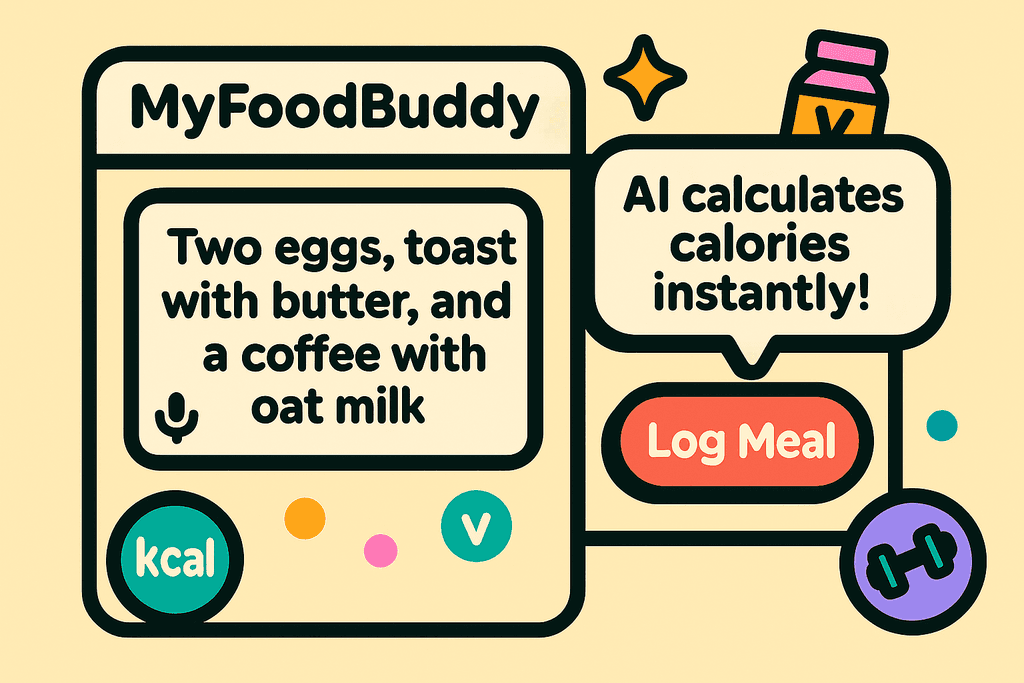
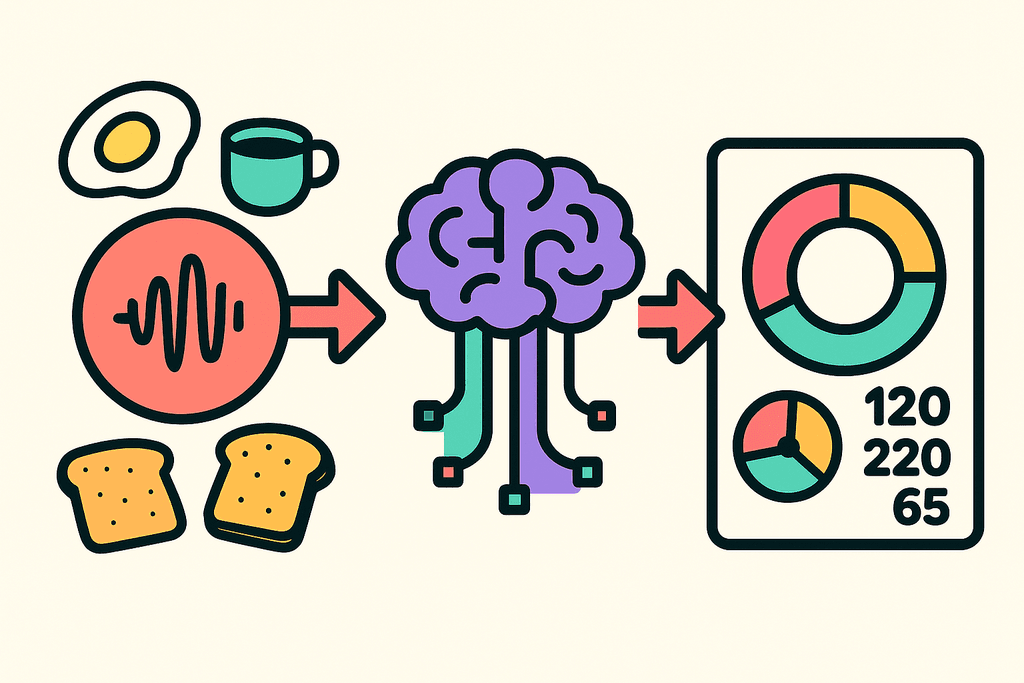
With MyFoodBuddy, you just say what you ate. Something like "two eggs, toast with butter, and a coffee with oat milk" gets logged in seconds. The app understands how real people talk about food, not how nutrition labels describe it.
Why voice logging matters more than anything else:- Cuts logging time from minutes to seconds
- No more scrolling through endless food databases
- Works while you're cooking, eating, or on the go
- Understands natural descriptions like "a handful of almonds" or "medium apple"
- Removes the biggest barrier to consistent tracking
The difference between typing and talking might seem small, but it's the reason most people stick with tracking or give up entirely. When logging feels effortless, you actually do it every day.
AI-Powered Nutrition Calculation
After you log your meal with voice or text, the real magic happens behind the scenes. The app uses artificial intelligence to break down your food description and pull accurate nutrition data from the USDA database. You don't calculate anything yourself. You don't even think about macros unless you want to. The AI handles all the math while you go about your day.
AI-Powered Nutrition Calculation
This tech-savvy diet tool tracks over 20 nutrients automatically, including vitamins and minerals that most apps ignore. The AI gets smarter over time too, learning your eating patterns and common meals.
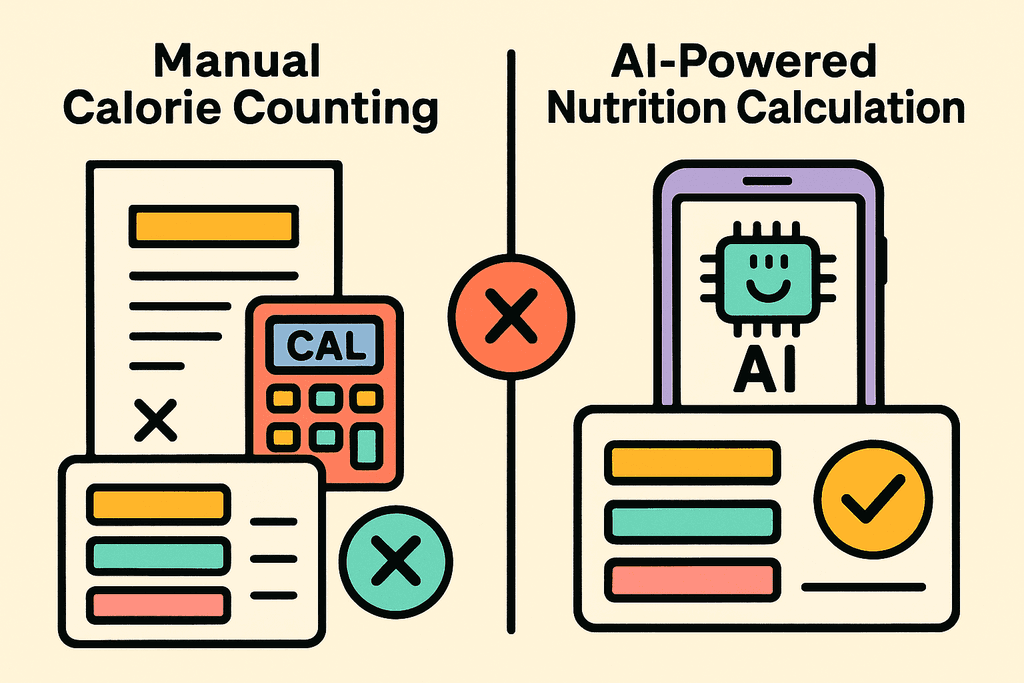
| Manual Tracking | AI-Powered Tracking |
|---|---|
| Search database | Just describe food |
| Select portions | Auto-calculated |
| Add each ingredient | One sentence |
| 5+ minutes per meal | Under 10 seconds |
The accuracy comes from combining natural language processing with verified USDA nutrition data. This means you get reliable numbers without the tedious work that makes other apps feel like a second job.
Smart Meal Organization and Favorites
Most of us eat the same 20-30 meals on rotation. Maybe you have your go-to breakfast, a few lunch options you cycle through, and some reliable dinner recipes. A good tech-savvy diet tool recognizes this pattern and makes it work for you. MyFoodBuddy automatically sorts your meals into categories like breakfast, lunch, dinner, and snacks, then lets you save favorites for one-tap re-logging.
Think about how much easier Tuesday becomes when you can just tap "Monday's lunch" instead of describing it again. Your personal meal library grows naturally as you track, and the app learns which meals you eat most often.
Benefits of smart organization:- Re-log favorite meals in one tap
- Build a personal meal library over time
- Reduce decision fatigue about what to log
- See patterns in your eating habits
- Make meal prep planning easier
This feature might not sound exciting, but it's what keeps you tracking after the first month. When logging becomes this simple, there's no excuse to skip it.
Personalized Goals with TDEE Calculator
Generic calorie targets don't work because everyone's body is different. Your activity level, age, weight, and goals all matter when setting nutrition targets. MyFoodBuddy includes a TDEE calculator that figures out your actual calorie needs based on your specific data. You can also customize your macro and micro targets if you have specific requirements, or let the app set everything automatically for weight loss or gain.
The app integrates with Apple Health to pull in your activity data and adjust recommendations accordingly. If you had an active day, your targets reflect that. If you're trying to lose weight, the calculations account for a healthy deficit.
- Automatic TDEE calculation removes guesswork
- Goals adjust for weight loss, maintenance, or gain
- Custom macro targets for specific diets
- Syncs with health data for accurate recommendations
- Updates as your weight and activity change
Personalization matters because sticking to random numbers someone posted online rarely works long-term. When your targets actually match your body and lifestyle, you're way more likely to hit them consistently. If you want to learn more about personalizing your diet with tech to meet calorie goals, there are strategies that go beyond just setting numbers.
Analytics and Visual Progress Tracking
Numbers in a spreadsheet don't motivate anyone. But a color-coded calendar showing your tracking streak or a weight trend chart showing steady progress? That hits different. MyFoodBuddy gives you visual feedback that makes your progress feel real and keeps you motivated to continue. The app tracks metrics across different time ranges so you can zoom out and see the bigger picture or zoom in on this week's details.
The visual approach helps you spot patterns you'd miss in raw data. Maybe you always go over your calories on Fridays, or your protein intake drops on weekends. These insights help you adjust before small issues become big problems.
Visual tracking features:- Color-coded calendar for at-a-glance tracking
- Weight trend charts showing progress over time
- Nutrient tracking across multiple timeframes
- Easy-to-read graphs instead of confusing tables
- Pattern recognition for eating habits
When you can actually see your consistency building up day after day, it becomes harder to break the chain. That's the psychology behind why visual tracking works better than just looking at numbers. For more on leveraging technology for smarter food tracking, understanding your data is just as important as collecting it.
AI Nutrition Coach and Gamification
Having an AI coach named Fiona who actually understands your eating patterns and goals makes a huge difference. She provides personalized insights based on your food logs, health data, and what you're trying to achieve. Unlike generic advice you'd find online, Fiona's recommendations adapt to your specific situation and progress. If you're consistently low on protein, she'll notice and suggest adjustments. If you're crushing your goals, she'll acknowledge that too.
The gamification elements work alongside the coaching to build real habits. Streaks show how many days you've tracked in a row. Achievements celebrate milestones. Smart reminders pop up at times when you're most likely to forget logging. These features might sound like gimmicks, but they increase tracking consistency significantly.
- AI coach provides contextual advice that adapts to your progress
- Streaks and achievements build tracking habits
- Smart reminders at optimal times
- Personalized insights based on your actual data
- Encouragement when you need it most
The combination of coaching and game-like elements keeps you engaged long after the initial motivation fades. When you're on a 30-day streak, you don't want to break it. When Fiona points out that you've hit your protein goal five days straight, you want to make it six. These small psychological nudges add up to lasting behavior change. Check out more about setting and achieving dietary goals with smart app technology to see how the right tools make all the difference.
Making Diet Tracking Actually Work
The reason most people quit tracking their food isn't because they lack motivation. It's because the tools they're using make it feel like a part-time job. When you need to search through databases, weigh portions, and manually enter every ingredient, tracking becomes something you dread instead of something that helps you. A tech-savvy diet tool needs to remove these friction points, not add more steps to your day.
These six features work together to solve the biggest problems with traditional tracking apps. Voice logging saves time, AI-powered nutrition extraction removes guesswork, meal organization prevents repetitive work, personalized goals keep you on track, analytics show your progress, and gamification helps build the habit. Miss even one of these, and you're back to the frustrating experience that made you quit other apps.
The truth is that technology should make healthy habits easier, not harder. MyFoodBuddy brings all six of these features together at $39 per year, which is less than what you'd pay for a month of most premium tracking apps. You can log a full meal in under 10 seconds just by saying what you ate, and Fiona (the AI coach) helps you understand patterns you might miss on your own.
What matters most isn't having fancy features. It's having the right combination of tools that actually fit into your real life. When tracking becomes effortless, you stick with it long enough to see results. And that's when things get interesting.
Still have questions about how these features work in practice or whether a tech-savvy diet tool is right for you? Let's clear up some common concerns.
Common Questions About Tech-Savvy Diet Tools
Modern diet tracking comes with a lot of questions, especially if you've been using the same old app for years. People wonder if these newer features actually work or if they're just fancy add-ons that don't make much difference. The truth is that tech-savvy diet tools have changed how we think about logging food, but not everyone knows what to expect. Here are the answers to the most common questions we hear from people considering a switch to smarter tracking methods.
How accurate is voice logging compared to manual entry?
Voice logging is just as accurate as manual entry when the AI is trained on comprehensive nutrition databases like the USDA. The main difference is speed, not accuracy. When you say "two eggs and toast with butter," a tech-savvy diet tool like MyFoodBuddy uses the same nutritional data you'd find by searching manually, but it does the work in seconds instead of minutes. The AI interprets your natural language and matches it to verified food entries, so you get the same numbers without the hassle.
Do I need to be tech-savvy to use these features?
Not at all. The whole point of modern diet tools is to make tracking easier, not harder. If you can send a text message or talk to your phone, you can use voice logging. Most apps are designed so you just speak naturally about what you ate, like telling a friend about your lunch. There's no special commands to memorize or complicated setup process to complete.
Can AI really understand my eating habits?
AI nutrition coaches analyze patterns in your food logs over time to spot trends you might miss. They look at things like which meals keep you full longer, when you tend to go over your goals, and what nutrients you're consistently missing. It's not magic, just pattern recognition based on the data you're already logging. The more you use the app, the better the insights become because the AI has more information to work with.
What makes these features better than traditional apps?
Traditional apps like MyFitnessPal require multiple steps for every meal: searching for each ingredient, selecting the right portion size, and adding everything one by one. Tech-savvy diet tools cut that down to a single voice entry or quick text message. The difference shows up when you're busy or eating out, situations where traditional apps become too time-consuming to use consistently. Better features mean you actually stick with tracking instead of giving up after a few weeks.
How much time do these features actually save?
Most people spend 3-5 minutes logging a meal in traditional apps, especially if it's a home-cooked dish with multiple ingredients. Voice logging reduces that to about 10-15 seconds. Over a week of three meals per day, that's the difference between spending over an hour on tracking versus just a few minutes. The time savings add up quickly, and that's usually what helps people maintain their tracking streak long-term.
Will I lose my data if I switch from my current app?
Most modern tracking apps integrate with Apple Health and other health platforms, which means your weight trends and basic health metrics can sync across apps. While you might not be able to transfer every single food log from your old app, the fresh start often helps people build better tracking habits anyway. Plus, features like meal favorites let you quickly rebuild your common meals in the new system without starting completely from scratch.
Ready to start tracking smarter?
Download MyFoodBuddy and start tracking your calories by just saying what you ate. No more searching databases or guessing portions.
Get started