
Meal Prep Without Spending Your Sunday
Learn smart meal prep strategies that save time and help you hit nutrition goals without sacrificing your entire weekend.
The average person who tries traditional meal prep quits after three weeks because spending half their Sunday cooking feels like a second job. You don't need containers full of identical chicken and rice to hit your nutrition goals, and you definitely don't need to sacrifice your weekend to stay on track. There's a smarter approach to meal prep that takes minutes instead of hours, and tools like MyFoodBuddy make tracking what you eat so simple you'll wonder why you ever spent time weighing portions and calculating macros by hand.
Table of Contents
- Why Traditional Meal Prep Feels Like a Part-Time Job
- The Flexible Foundation Strategy
- Essential Foundation Ingredients Checklist
- How the Rotation Saves Time
- Manual vs Voice Tracking Comparison
- Why Less Prep Time Leads to Better Results
- Your Weekend Is Yours Again
- Common Questions About Quick Meal Prep
Why Traditional Meal Prep Feels Like a Part-Time Job
Most people who try meal prep quit within three weeks. The reason isn't lack of motivation or willpower. It's because the process demands way more time than anyone expects. Between planning your meals, making shopping lists, buying groceries, cooking everything, and dividing it into containers, you're looking at a serious time commitment that eats up your entire weekend.
The Real Time Cost of Meal Prep
When you break down traditional meal prep, the numbers tell a pretty clear story. The average person spends between 3 to 6 hours every single week just to prep their meals. That's not counting the mental energy it takes to plan everything out or the cleanup afterward.
Here's what that time actually looks like when you split it up:
- Planning meals and creating recipes: 30-60 minutes
- Making a detailed shopping list: 15-30 minutes
- Grocery shopping trip: 45-90 minutes
- Cooking multiple meals at once: 90-180 minutes
- Portioning and storing everything: 20-40 minutes
Decision Fatigue Hits Before You Even Start Cooking
The planning stage alone can stop people in their tracks. You need to figure out what you want to eat for the entire week, make sure the meals fit your nutrition goals, check what ingredients you already have, and create a shopping list that doesn't forget anything. Your brain gets tired just from making all these decisions.
Then comes the tracking nightmare. If you're using apps like MyFitnessPal or Cronometer, you have to manually enter every ingredient, measure portions precisely, and calculate the nutrition for each container. This adds another 30-45 minutes to your prep time.
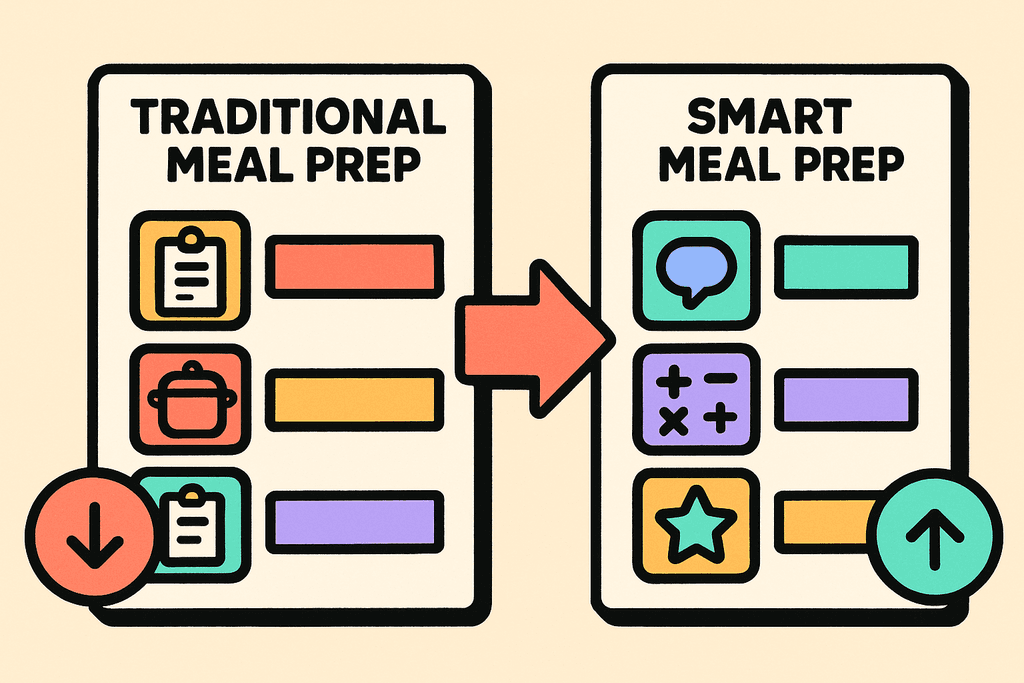
Comparing Old School vs Smart Meal Prep
The difference between traditional meal prep and smarter approaches comes down to how much of your life you're willing to give up. Here's the breakdown:
Traditional Meal Prep:
- Requires 3-6 hours of active work every week
- Needs detailed planning sessions before shopping
- Involves cooking everything in one exhausting session
- Demands manual calorie tracking for each portion
- Creates decision fatigue from too many choices
Smart Meal Prep:
- Takes 1-2 hours with strategic shortcuts
- Uses simple templates instead of complex planning
- Spreads cooking across multiple days
- Leverages quick logging tools like MyFoodBuddy for instant nutrition tracking
- Reduces decisions by repeating what works
The tracking piece is where most people lose steam. When you're already tired from cooking, the last thing you want to do is spend another half hour searching through food databases and calculating macros. That's why tools that let you log meals in seconds instead of minutes make such a huge difference in whether people stick with their nutrition goals or give up entirely.
The Flexible Foundation Strategy
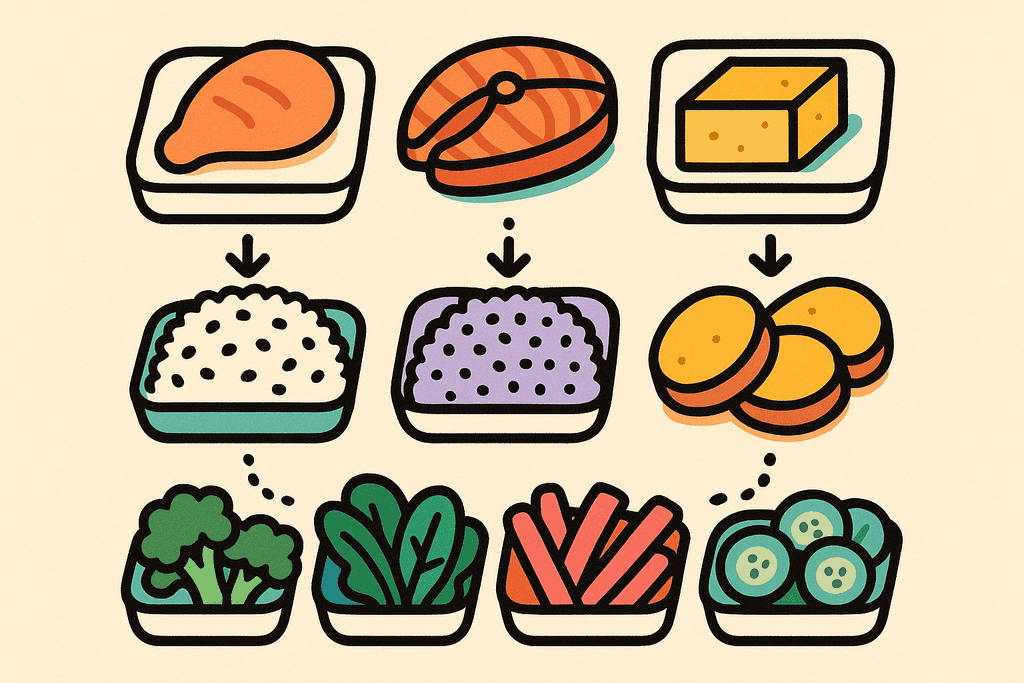
Most people think meal prep means spending four hours on Sunday cooking identical chicken and rice portions for the entire week. That's exactly why so many of us give up after the first attempt. The truth is, you don't need to cook complete meals at all. Instead, think of meal prep like building with blocks where you create versatile pieces that work together in different combinations. This approach cuts your prep time in half while actually making your meals more interesting throughout the week.
The foundation strategy works because you're preparing ingredients, not meals. Cook two or three different protein sources like grilled chicken, ground turkey, and hard-boiled eggs. Then prep two or three carb bases such as quinoa, sweet potatoes, and brown rice. Store everything separately in containers, and you've just created dozens of possible meal combinations without the monotony.
Essential Foundation Ingredients Checklist
- Proteins: Choose 2-3 options like rotisserie chicken, baked salmon, or seasoned tofu
- Carbs: Prep rice, pasta, or roasted potatoes in bulk
- Vegetables: Wash and chop sturdy veggies like bell peppers, broccoli, and carrots
- Greens: Pre-wash lettuce and spinach, store with paper towels to absorb moisture
- Sauces: Keep 3-4 different dressings or sauces ready for variety
The beauty of this system is how it reduces food waste. When you prep complete meals, you're locked into eating them even if you're not in the mood. With foundation ingredients, you can mix and match based on what sounds good that day. Feeling like a burrito bowl? Grab your rice, protein, and veggies. Want a salad instead? Same ingredients, different arrangement.
The Flexible Foundation Strategy
Vegetables need special attention because they can get soggy or wilted if not stored properly. Hardy vegetables like broccoli, cauliflower, and bell peppers stay fresh for days when stored in airtight containers. Leafy greens last longer when you place a paper towel in the container to absorb excess moisture. This simple trick can extend freshness by three to four days.
The 20 Minute Rotation Method
Here's something most meal prep guides won't tell you. You don't actually need variety in every single meal. What you need is a rotation of meals you genuinely enjoy that keeps you from getting bored. The difference might seem small, but it changes everything about how you approach food during busy weeks. Building a personal menu of ten to twelve quick meals gives you enough variety to stay interested without the mental load of constant planning.
Each meal in your rotation should take twenty minutes or less from start to finish. This isn't about fancy cooking techniques or complicated recipes. Think simple combinations like stir-fries, grain bowls, sheet pan dinners, or even upgraded versions of basic sandwiches. The key is that you've made these meals before, so you're not reading recipes or figuring out timing while you're already hungry and tired.
How the Rotation Saves Time
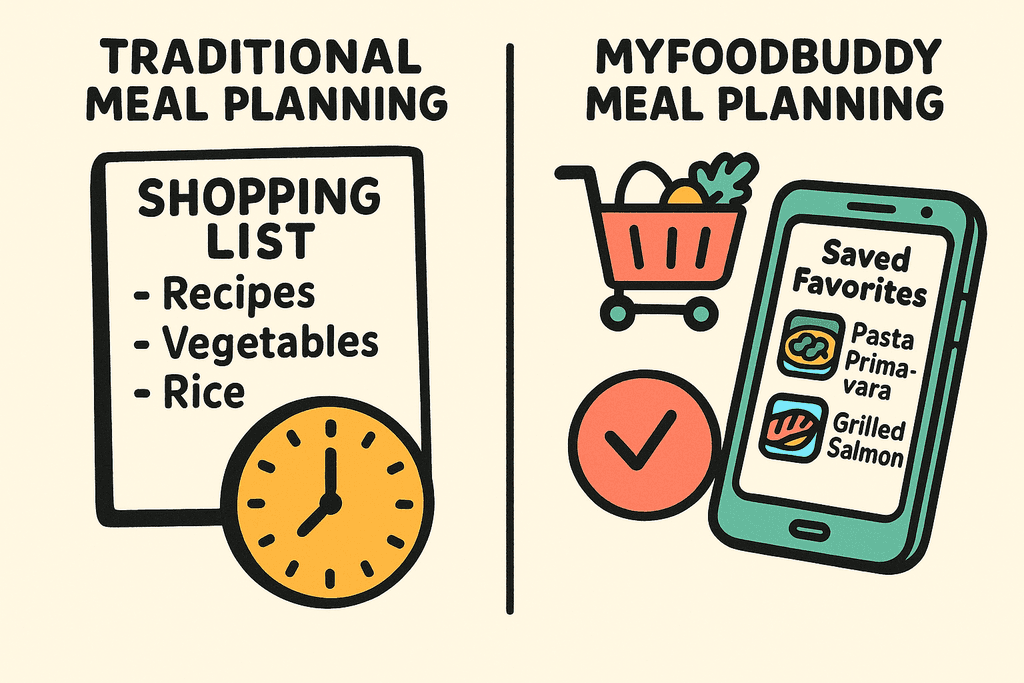
Traditional meal planning requires you to browse recipes, make shopping lists, and learn new cooking methods every week. The rotation method flips this completely. Once you've identified your go-to meals, shopping becomes automatic because you're buying the same core ingredients with minor variations. You already know the cooking process, so there's no learning curve eating into your evening.
The 20-Minute Rotation Method
Apps like MyFoodBuddy make this even easier by letting you save successful meals as favorites. Instead of manually logging every ingredient each time you make your favorite turkey and veggie stir-fry, you can just say "I had my turkey stir-fry" and the app logs everything instantly. This turns meal tracking from a five-minute chore into a ten-second voice command.
The rotation method also helps you get better at cooking the meals you actually eat. When you make the same twelve meals regularly instead of trying new recipes constantly, you naturally improve your technique and speed. That twenty-minute meal might take fifteen minutes after you've made it a few times. You'll know exactly how much seasoning you prefer and which shortcuts work without compromising taste.
Smart Tech Shortcuts That Actually Save Time
The biggest time sink in meal tracking isn't the cooking or even the planning. It's the tedious process of searching through food databases, measuring portions, and calculating macros for every single ingredient. Traditional calorie counting apps require you to input each component separately, which turns a simple breakfast into a five-minute data entry task. This is where modern technology actually delivers on its promise to make life easier. Voice-powered tracking eliminates the entire manual process by letting you describe what you ate in plain language.
When you can say "two scrambled eggs with cheese, whole wheat toast, and coffee with oat milk" and have the app calculate everything automatically, you're saving minutes on every single meal. Those minutes add up to hours over the course of a week. MyFoodBuddy uses AI and USDA data to extract nutritional information from your voice or text descriptions, so you're not stuck scrolling through seventeen different entries for "chicken breast" trying to figure out which one matches what you actually ate.
Manual vs Voice Tracking Comparison
Manual tracking approach: Search for each ingredient individually, select the right database entry, input portion sizes, repeat for every component, manually calculate totals. Average time per meal is around five minutes, assuming you don't get frustrated and give up halfway through.
Voice-powered tracking approach: Describe your meal naturally in one sentence, let AI handle the calculations, review and confirm if needed. Average time per meal drops to ten to fifteen seconds. The difference becomes even more dramatic when you're logging meals you eat regularly, since you can save them as favorites and re-log them instantly.
Integration with health apps means your data syncs automatically without duplicate entry. If you're already tracking workouts or sleep in Apple Health, apps that connect with these platforms give you a complete picture of your health metrics in one place. You're not manually transferring information between different apps or trying to remember what you logged where.
The real value of these tech shortcuts isn't just speed, though that's certainly nice. It's consistency. When tracking takes seconds instead of minutes, you're far more likely to actually do it every day. That consistency is what makes the difference between tracking for a week and tracking long enough to see real results. For more insights on maintaining consistency, check out our guide on staying consistent with calorie tracking.
The combination of foundation meal prep, a rotation of quick meals, and smart tracking technology creates a system that fits into real life. You're not spending your entire Sunday cooking, you're not eating boring repetitive meals, and you're not wasting time on tedious data entry. This is how meal prep works when you actually stick with it. If you're looking for more ways to simplify your nutrition tracking, explore our article on achieving balanced meals without the hassle.
Why Less Prep Time Leads to Better Results
Studies show that 92% of people who start meal prepping quit within the first three months, and the biggest reason isn't lack of motivation. It's time. When you spend four hours every Sunday chopping vegetables and portioning meals into containers, you're setting yourself up for burnout. The irony is that the people who succeed long-term with nutrition goals aren't the ones doing the most prep work. They're the ones who found ways to make tracking and planning so simple that it barely feels like work at all.
The Friction Problem
Every extra step between you and your goal creates what psychologists call friction. Traditional meal prep without spending your Sunday means finding ways to reduce that friction instead of adding more of it.
- Apps like MyFitnessPal require multiple taps, searches, and manual entries that turn a 10-second meal into a 5-minute logging session
- Rigid meal plans fall apart the moment life gets busy or you eat somewhere unexpected
- Complex tracking systems work great for the first week, then become the reason you stop altogether
- The more steps involved, the easier it becomes to skip "just this once" until you've stopped completely
MyFoodBuddy takes a different approach by letting you speak or type what you ate in plain language. No searching through databases or measuring portions down to the gram.
What Actually Predicts Success
Consistency beats intensity every single time. Research on habit formation shows that people who track their food for just 30 seconds per meal are far more likely to still be tracking six months later than those who spend 10 minutes creating perfect entries.
- Flexible systems adapt when you eat out, travel, or have a busy week
- Quick logging removes the mental barrier that makes you think "I'll do it later"
- Simple approaches don't require perfect conditions to work
The goal isn't to have the most detailed food log or the most Instagram-worthy meal prep containers. The goal is to still be doing this next month, and the month after that. When tracking takes seconds instead of minutes, you remove the biggest excuse people use to quit. That's why meal prep without spending your Sunday isn't about finding faster chopping techniques. It's about building a system so simple that Sunday meal prep becomes optional, not mandatory.
Your Weekend Is Yours Again
The whole point of meal prep without spending your Sunday comes down to working smarter, not harder. You don't need to turn your kitchen into a restaurant prep station every weekend to eat well during the week. The strategies we covered, from prepping foundation ingredients to using rotation methods, can save you hours while still keeping your meals interesting and nutritious.
Most people quit meal prep because they think it has to be this massive production. It doesn't. Start with just one approach, like prepping your proteins on Wednesday night or keeping a rotation of three simple dinners you can make in under 20 minutes.
The real goal here isn't perfect meal prep. It's building habits that actually stick. When tracking what you eat becomes easier, you're more likely to stay consistent with your nutrition goals. That's where tools like MyFoodBuddy come in handy, since you can just say what you ate instead of spending time searching through databases or calculating portions.
Your weekends should be for living, not for cooking five days worth of chicken and rice. The methods in this guide give you the freedom to eat well without the time commitment that makes most people give up after a few weeks.
If you're wondering about specific situations or have questions about making these strategies work for your schedule, the answers below should help clear things up.
Common Questions About Quick Meal Prep
Most people have the same worries when they first hear about skipping traditional meal prep. You're probably wondering if this approach actually works, or if you'll end up ordering takeout every night. These questions come up all the time, and the answers might surprise you. The truth is that faster meal prep methods work just as well as spending your entire Sunday cooking, you just need to know what actually matters.
How long does foundation prep actually take?
Foundation prep usually takes about 30 to 45 minutes once a week. You're just cooking basic ingredients like rice, chicken, or chopping vegetables, not assembling complete meals. Most people do this while watching TV or listening to a podcast, so it doesn't feel like dedicated work time.
Can I still hit my macros without prepping complete meals?
Yes, and it's actually easier than you think. When you prep foundation ingredients, you can mix and match them throughout the week to hit whatever macros you need that day. The key is tracking what you eat accurately, which is where voice logging comes in handy. MyFoodBuddy lets you just say what you ate and calculates everything automatically, so you know exactly where you stand without doing math.
What if I don't have time to cook at all during the week?
Then focus on assembly meals and smart shortcuts. Rotisserie chicken, pre-washed salad, microwavable rice, and canned beans become your best friends. You can put together a balanced meal in under five minutes without turning on your stove. The goal isn't to cook from scratch every time, it's to stay on track with your nutrition goals.
How accurate is voice logging for tracking calories?
Voice logging is just as accurate as manual entry because it uses the same USDA nutrition database. The difference is speed and convenience. Instead of searching through databases and measuring everything, you just describe what you ate naturally. The AI handles the calculations, which means fewer chances for you to make entry errors when you're tired or busy.
Do I need to prep every single meal?
Not at all. Most people prep for their hardest meals, which is usually lunch during work days. Breakfast and dinner are often easier to handle on the fly. Focus your prep time on whatever meals cause you the most stress or lead to poor food choices when you're unprepared.
What's the minimum prep needed to stay on track?
The absolute minimum is having protein sources ready to go. If you have cooked chicken, hard-boiled eggs, or even deli meat available, you can build a decent meal around almost anything else in your kitchen. Pair that with quick-logging tools and you'll stay consistent without the Sunday marathon cooking sessions.
Ready to start tracking smarter?
Download MyFoodBuddy and start tracking your calories by just saying what you ate. No more searching databases or guessing portions.
Get started