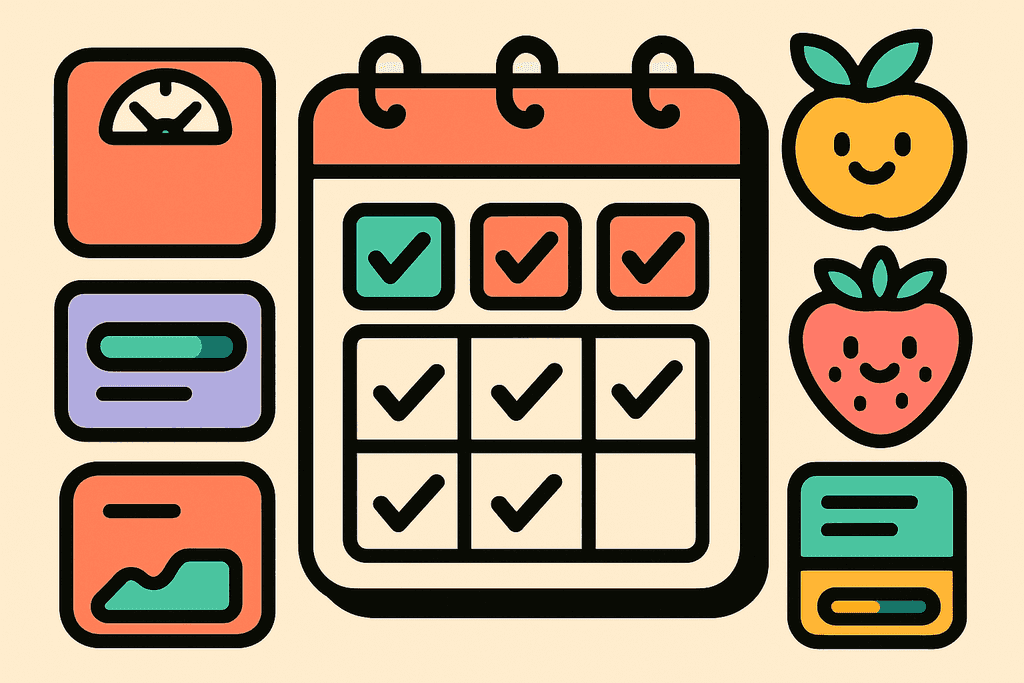
How Weight Management Apps Keep You Motivated Daily
Discover how weight management apps use gamification, AI coaching, and smart tracking to keep you motivated every day. Stay on track effortlessly.
Most people delete their food tracking app before they even finish their second week, usually because logging every meal feels like a second job. Traditional calorie counters demand so much time and effort that motivation crashes faster than your energy after skipping breakfast. Modern weight management apps like MyFoodBuddy flip this script by using smart technology and psychology tricks that make staying on track feel natural instead of exhausting.
Table of Contents
The Science Behind Daily Motivation
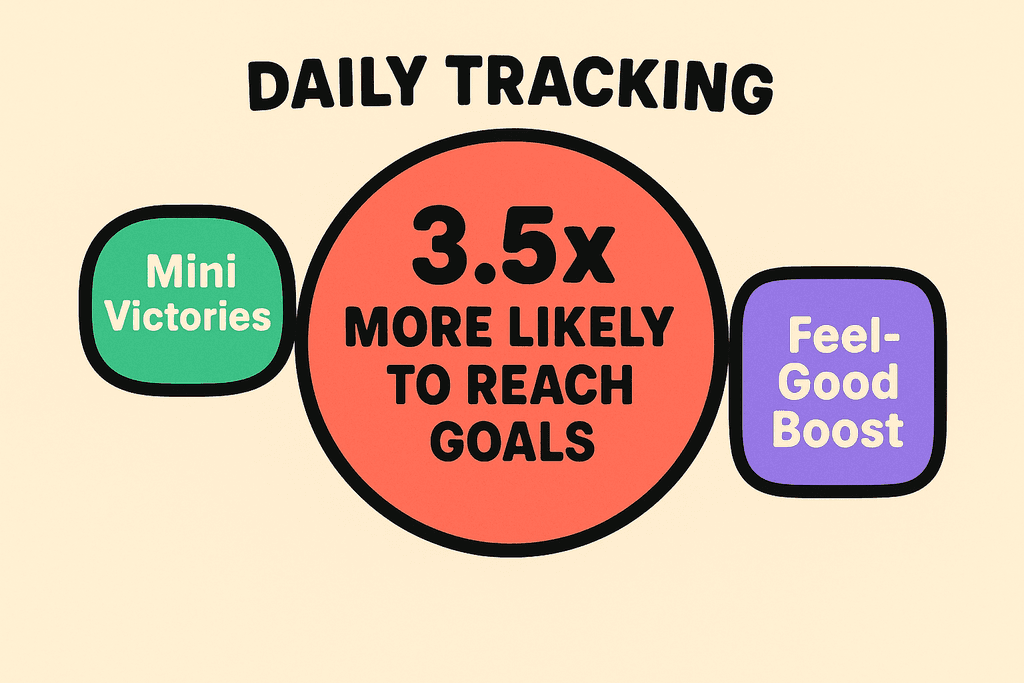
Your brain releases dopamine every time you check off a task, and that's exactly what makes daily tracking so addictive. When you log a meal or hit a calorie goal, your brain treats it like a mini victory and rewards you with a feel-good chemical boost. This isn't just some feel-good theory either. Studies show that people who track their food daily are 3.5 times more likely to reach their weight management goals than those who don't. The secret isn't willpower or discipline, it's about understanding how your brain actually works and using that knowledge to your advantage.
66 days is the actual average time it takes to form a new habit, not the popular 21-day myth that's been floating around for decades.
Why Small Wins Beat Big Goals
Most people think they need to focus on losing 50 pounds or fitting into their old jeans. But your brain doesn't care about goals that are months away. It wants rewards right now, today, this minute.
Here's what actually keeps you coming back to a weight management app:
- Seeing your streak number go up each day you log meals
- Getting instant feedback on your calorie intake without doing math
- Watching a progress bar fill up as you hit your daily protein goal
- Unlocking achievements for consistent tracking
Apps with daily streaks see 40% higher engagement rates than those without gamification features.
The Friction Problem
Every extra tap, search, or calculation you have to do creates friction. And friction kills motivation faster than anything else. Traditional calorie trackers make you search through databases, measure portions, and manually enter everything. That's why 80% of people quit using them within the first month.
The apps that work are the ones that remove friction completely. MyFoodBuddy lets you just say what you ate, like "chicken salad and an apple," and the AI handles all the number crunching. No searching, no measuring, no math.
Immediate Feedback Loops
Your brain needs to see results fast, or it assumes nothing is working. That's why apps that show real-time nutrition data keep people motivated while apps that only show weekly summaries lose users.
The most effective weight management apps use these psychological triggers:
- Color-coded calendars that show your tracking consistency at a glance
- Instant calorie calculations the moment you log food
- Daily reminders that feel helpful instead of annoying
- Visual progress charts that update in real-time
Users who receive immediate feedback are 2.3 times more likely to maintain their tracking habits beyond 90 days.
The difference between apps you abandon and apps you actually use comes down to how well they work with your brain's natural reward system. When tracking feels easy and you get instant positive feedback, motivation stops being something you have to force and becomes something that just happens naturally.
Instant Wins Through Effortless Tracking
Most people quit tracking their food within the first week. The reason isn't lack of willpower or motivation. It's because traditional calorie counting apps make you work way too hard for something that should be simple. When you have to search through databases, measure portions, and tap through multiple screens just to log a sandwich, your brain starts calculating whether the effort is worth the reward. Usually, it decides it isn't.
The psychology here is pretty straightforward. When a task takes more than two minutes, we're likely to put it off or skip it entirely. That's why apps that require you to weigh food, search through endless ingredient lists, and manually adjust serving sizes fail so many people. The friction between wanting to track and actually tracking becomes too much.
- Traditional apps require 5-7 steps to log a single meal
- Searching databases can take 2-3 minutes per food item
- Manual portion adjustments add another 30-60 seconds
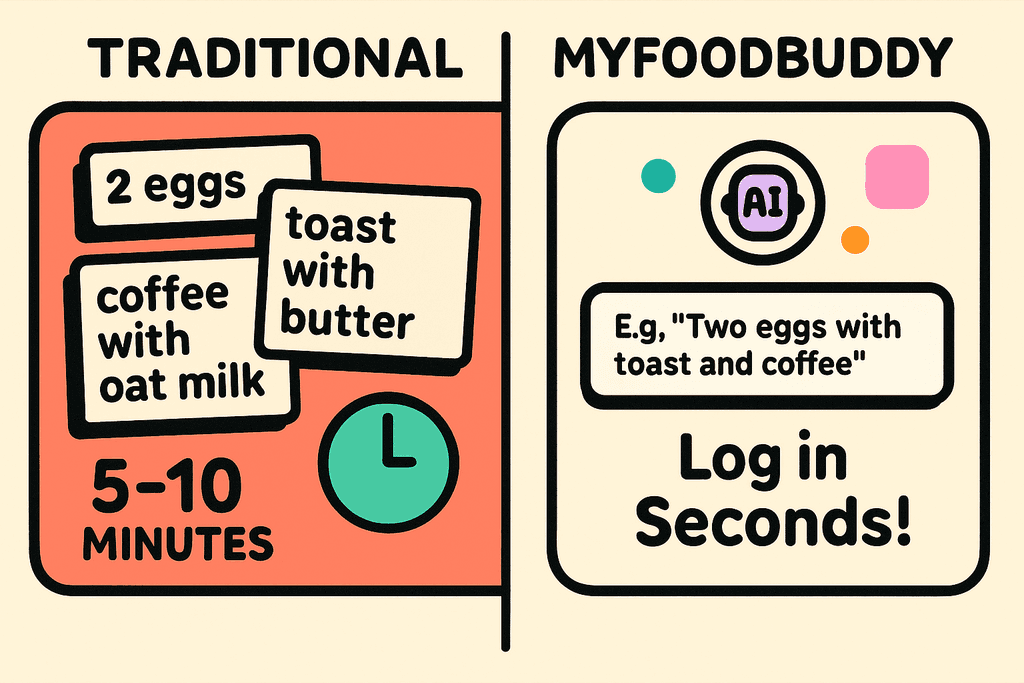
- Total time per meal: 5-10 minutes of tedious work
Voice logging changes this entire equation. When you can just say "two eggs, toast with butter, and a coffee with oat milk" and have it logged in seconds, there's no mental barrier to overcome. MyFoodBuddy reduces logging time from minutes to seconds by letting you speak naturally instead of hunting through menus. Your brain gets an instant win instead of dreading another chore.
One user put it simply: "I used to use a different calorie tracking app, but switching to foodbuddy has been great and much more convenient. I like just being able to say what I've eaten and it calculates all the calories for me." That convenience isn't just nice to have. It's the difference between tracking consistently and giving up after a few days.
Speed matters more than perfection when you're building a habit. A slightly imperfect log that takes 10 seconds is infinitely better than a perfect log you never make because it takes too long. The momentum from daily tracking, even when it's quick and simple, builds the foundation for long-term weight management success.
Gamification That Actually Works
Streaks tap into something powerful in our brains called loss aversion. Once you've logged your meals for seven days straight, the thought of breaking that streak feels worse than the effort of keeping it going. It's not childish or gimmicky when it works with your psychology instead of against it. The key is making the streak achievable enough that you can actually maintain it, but meaningful enough that you care about protecting it.
Most apps throw badges and points at you for everything, which makes the whole system feel hollow. Real gamification celebrates actual progress, not just participation. When you hit your protein goal three days in a row or stay within your calorie target for a full week, that achievement means something because it reflects real behavior change.
Visual progress indicators work because they give you something concrete to look at. A color-coded calendar shows you at a glance which days you tracked well, which days you went over your goals, and which days you forgot entirely. That visual accountability is surprisingly powerful. You can see patterns forming before they become problems.
- Green days show you stayed on track
- Yellow days indicate you went slightly over
- Red days highlight when you need to course-correct
- Gray days remind you when you forgot to log
Daily reminders work when they're timed right. A notification at 8 PM asking if you've logged dinner hits different than a generic "don't forget to track" message at random times. The timing makes it helpful instead of annoying. You can learn more about building consistent habits in our guide on how to stay consistent tracking calories.
The balance between challenge and achievability matters too. Setting a goal to lose 20 pounds in a month will just frustrate you. But aiming to log your meals five days this week feels doable. Small wins stack up into big results over time.
AI Coaching for Personalized Accountability
Humans are terrible at spotting patterns in their own behavior. You might not notice that you always go over your calorie goal on Wednesdays, or that your protein intake drops on weekends. An AI coach sees these patterns immediately because it's analyzing your data constantly. Fiona, MyFoodBuddy's AI nutrition coach, provides insights based on your actual food logs and health data, not generic advice that applies to everyone.
The personalization makes all the difference. Instead of telling you to "eat more vegetables," Fiona might notice you consistently hit your fiber goals on days when you have oatmeal for breakfast. That specific, actionable insight helps you make better choices without feeling like you're following someone else's diet plan.
Conversational AI feels less judgmental than human accountability. There's no shame in telling an AI coach that you ate an entire pizza last night. It's not going to make you feel bad about it. It's just going to help you understand how that fits into your overall goals and suggest ways to balance it out over the next few days.
- Pattern recognition across weeks and months of data
- Personalized suggestions based on your specific eating habits
- Real-time feedback when you log meals
- Adaptive coaching that changes as your habits improve
Real-time insights drive immediate behavior change. When you log a meal and Fiona points out that you're low on protein for the day, you can adjust your next meal accordingly. That immediate feedback loop keeps you engaged and helps you learn what works for your body. If you're interested in managing specific dietary needs, check out our article on achieving balanced meals without the hassle.
Visual Progress That Keeps You Coming Back
Watching your streak number climb from 7 to 14 to 30 days creates a psychological pull that's hard to ignore. Each day you add to that streak makes the next day feel more important. It's the same reason people check their step counts or watch their savings account grow. The visual representation of progress triggers dopamine in your brain, which makes you want to keep going.
Weight trend charts matter especially during plateaus. When the scale isn't moving for a week or two, seeing the overall downward trend over the past month keeps you from giving up. The chart smooths out the daily fluctuations and shows you the bigger picture. You're making progress even when it doesn't feel like it.
- Streak counters that show consecutive days of tracking
- Weight graphs displaying trends over time
- Color-coded calendars for quick visual feedback
- Nutrient tracking across 20+ vitamins and minerals
Tracking multiple metrics prevents single-point failure. If you're only watching the scale, a bad weigh-in can derail your entire week. But when you're also tracking your protein intake, your logging consistency, and your overall nutrition quality, you have multiple ways to feel successful. Maybe the scale didn't move, but you hit your protein goal every day this week. That's still a win.
The satisfaction of completing daily nutrition goals creates a positive feedback loop. Each time you close your rings or hit your targets, your brain registers it as an accomplishment. Over time, this builds the kind of momentum that carries you through the tough days when motivation is low. For more strategies on maintaining consistency, our post on starting fresh every Monday without the guilt offers helpful insights.
Weight management isn't about perfection. It's about showing up consistently enough that the small daily actions compound into real results. When your app makes it easy to show up and gives you clear feedback on your progress, staying motivated becomes less about willpower and more about momentum.
Why Traditional Apps Fail at Daily Motivation
Most people abandon their weight management apps within the first month, and the reason isn't lack of willpower. The problem lies in how these apps are designed. Traditional calorie trackers like MyFitnessPal require you to search through massive databases, measure portions, and manually input every ingredient. What should take seconds ends up eating 5-10 minutes of your day, and that friction adds up fast.
The mental load becomes exhausting. You're standing in your kitchen trying to remember if you used one tablespoon or two of olive oil, then searching through dozens of similar entries to find the right one. This constant decision-making creates what psychologists call decision fatigue, where your brain gets tired from making too many small choices.
The Manual Entry Trap
Here's what happens every time you log a meal in traditional apps:
- Search through thousands of database entries to find your exact food
- Guess portion sizes or pull out measuring cups
- Add each ingredient separately for home-cooked meals
- Double-check that the nutritional info matches what you actually ate
- Repeat this process 3-5 times per day
No wonder people give up. The apps that are supposed to help you reach your goals become another chore on your to-do list.
Generic Goals Miss the Mark
Most tracking apps hand you a one-size-fits-all calorie target without considering your actual lifestyle. They don't account for whether you're training for a marathon or working a desk job. When your goals don't match your reality, motivation disappears because you're either constantly hungry or not seeing results.
- Standard calculators ignore individual metabolism differences
- Fixed macro ratios don't adapt to your activity level
- No consideration for food preferences or dietary restrictions
- Missing context about why certain nutrients matter for your specific goals
Data Without Direction
The biggest gap in traditional weight management tools is the disconnect between tracking and understanding. You can see that you ate 1,847 calories yesterday, but what does that actually mean for your progress? Apps like Cronometer and MyNetDiary give you charts and numbers, but they don't tell you what to do differently tomorrow.
MyFoodBuddy solves this with voice logging that takes seconds instead of minutes, plus an AI coach that turns your data into actual guidance. Instead of drowning in numbers, you get clear insights about what's working and what needs adjustment. That's the difference between tracking for tracking's sake and tracking that actually keeps you motivated.
Making Motivation Automatic
The secret to staying motivated with weight management isn't about finding more willpower or pushing yourself harder. It's about picking tools that make the whole process so easy you barely notice you're doing it. When tracking your meals takes less time than scrolling through social media, you're way more likely to stick with it for the long haul.
Think about the three things that actually keep people going: ease of use, gamification elements, and personalized feedback. Apps that nail these three things turn daily tracking from a chore into something that just happens automatically.
The difference between apps you abandon after a week and ones you use for months comes down to friction. Every extra tap, every manual search, every confusing menu adds up. That's why voice-powered tracking has changed things for a lot of people who gave up on older apps like MyFitnessPal or Cronometer.
MyFoodBuddy handles the heavy lifting by letting you just say what you ate and calculating everything for you. No searching through databases or measuring portions with a calculator in hand. If you've struggled with staying consistent tracking calories, the problem probably wasn't you.
The right app doesn't just track your food. It becomes part of your routine without demanding much attention. When you can log breakfast while making coffee or track lunch while walking back to your desk, you're setting yourself up for success that actually lasts.
Ready to see how simple weight management can actually be? Check out MyFoodBuddy and try the 7-day free trial to experience what tracking without the hassle feels like.
Common Questions About Weight Management Apps
Most people have similar questions when they're thinking about using a weight management app. The answers can make the difference between finding a tool that actually works for you or wasting time on something that ends up collecting digital dust. Here's what you need to know before you start.
How long does it take to build a tracking habit?
Research shows it takes about 21 to 66 days to form a new habit, but with weight management apps, most people see results faster. The key is choosing an app that makes logging so easy you don't dread it. Apps with voice logging, like MyFoodBuddy, cut down entry time from several minutes to just seconds, which means you're more likely to stick with it past the critical first few weeks.
Do gamification features really help with weight loss?
Yes, but not in the way you might think. Streaks and achievements don't directly burn calories, but they do keep you coming back to the app daily. Consistency matters more than perfection when it comes to weight management, and gamification creates that daily touchpoint. When you see a 30-day streak, you're less likely to break it by skipping a day of tracking.
What makes voice logging better than manual entry?
Voice logging removes the biggest barrier to consistent tracking, which is time and effort. Instead of searching through databases and adjusting portion sizes for each ingredient, you just say what you ate. The difference between spending 30 seconds versus 5 minutes per meal adds up quickly over a week, and that convenience is what keeps people tracking long-term instead of giving up after a few days.
How accurate is AI-powered nutrition tracking?
AI-powered tracking using databases like USDA nutritional data is generally accurate within 10-15% for common foods. That's actually comparable to manual entry, since most people guess portion sizes anyway. The real advantage is speed without sacrificing much accuracy. Perfect precision matters less than having consistent data to spot patterns in your eating habits.
Can an app really replace a human nutritionist or coach?
Apps can't replace personalized medical advice, but they can handle the daily tracking and basic guidance that most people need. AI coaches analyze your patterns and provide insights based on your actual data, which is more personalized than generic diet advice. For ongoing weight management without specific medical conditions, apps offer accessible support at a fraction of the cost of regular coaching sessions.
What should I look for in a weight management app?
Focus on three things: ease of logging, comprehensive nutrition data, and features that match your goals. If an app takes too long to use, you won't use it consistently. Look for natural language input, tracking for the nutrients you care about beyond just calories, and goal-setting tools that adapt to your needs. The best app is the one you'll actually use every day, not the one with the most features you'll never touch.
Ready to start tracking smarter?
Download MyFoodBuddy and start tracking your calories by just saying what you ate. No more searching databases or guessing portions.
Get started