
How Many Calories In a Cup of Strawberries
Discover the exact calorie count in strawberries plus complete nutrition facts. Learn serving sizes and easy tracking tips for your diet goals.
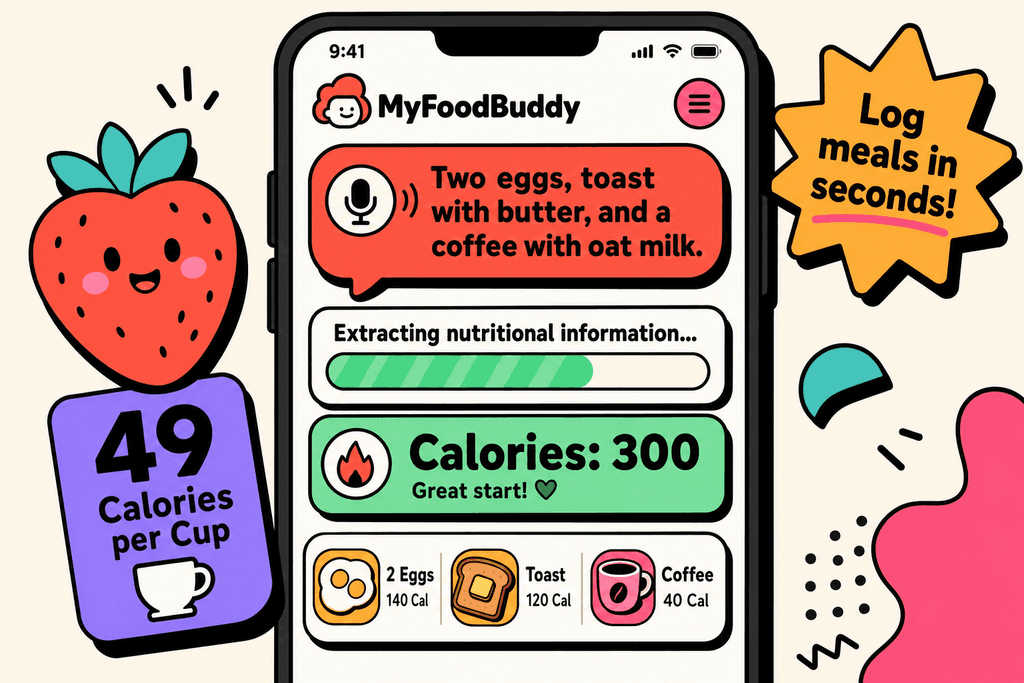
A full cup of fresh strawberries contains just 49 calories, making them one of the lowest-calorie fruits you can enjoy without guilt. Most people overestimate how many calories are in strawberries, which can throw off their daily tracking if they're using traditional calorie counting apps that require manual searching through endless food databases. With tools like MyFoodBuddy, you can simply say "one cup of strawberries" and get accurate nutrition info instantly, but knowing the actual numbers helps you understand why these sweet berries are such a smart choice for anyone watching their intake.
Table of Contents
Breaking Down Strawberry Nutrition
A single cup of strawberries contains about 49 calories, making them one of the lowest-calorie fruits you can snack on. Most people tracking their food intake want to know exactly what they're eating, and strawberries are a pretty sweet deal when it comes to nutrition. The best part is that you get a ton of vitamins and minerals without loading up on calories or sugar. Whether you're trying to lose weight or just eat healthier, understanding what's actually in your food makes a huge difference.
What Makes Up Those Calories
When you look at how many calories in a cup of strawberries, you need to understand where those calories come from. The macronutrient breakdown is pretty simple and clean.
- Carbohydrates make up most of the calories at about 12 grams per cup
- Protein comes in at just under 1 gram
- Fat is almost zero at around 0.5 grams
- Fiber accounts for 3 grams, which helps with digestion
The carbs in strawberries are mostly natural sugars, but the fiber helps slow down how your body processes them. This is way different from eating candy or drinking soda where you get sugar without any of the good stuff.
The Complete Nutrition Picture
Strawberries pack way more than just calories into each cup. Here's what you're actually getting when you eat a full cup of fresh strawberries:
| Nutrient | Amount Per Cup | % Daily Value |
|---|---|---|
| Calories | 49 | 2% |
| Carbohydrates | 12g | 4% |
| Protein | 1g | 2% |
| Fat | 0.5g | 1% |
| Fiber | 3g | 12% |
| Vitamin C | 89mg | 149% |
| Manganese | 0.6mg | 29% |
| Folate | 36mcg | 9% |
| Potassium | 233mg | 7% |
Apps like MyFitnessPal and Cronometer can help you track these numbers, but they usually require you to search through databases and manually enter everything. With MyFoodBuddy, you can just say "one cup of strawberries" and the app calculates all this nutrition info automatically using AI and USDA data.
Serving Sizes Matter More Than You Think
The nutrition facts above are based on one cup of whole strawberries, which is about 144 grams or roughly 8 medium strawberries. But serving sizes can change depending on how you prepare them.
- One cup of sliced strawberries has about the same calories as whole
- Half a cup cuts everything in half, giving you about 25 calories
- A single large strawberry has around 6 calories
Frozen strawberries without added sugar have nearly identical nutrition to fresh ones. The freezing process doesn't destroy the nutrients, so you can stock up when they're on sale. Just watch out for frozen strawberries with added sugar, which can double or triple the calorie count.
Calorie Count by Serving Size
A single cup of whole strawberries contains just 49 calories, making them one of the lowest-calorie fruits you can snack on. But here's where it gets interesting: the way you prepare your strawberries actually changes how many fit in that cup. Sliced strawberries pack more tightly than whole ones, which means you might end up with slightly more fruit and a few extra calories. Most people don't realize this small detail can affect their tracking accuracy.
When you're measuring strawberries, one cup of whole berries equals about 8 medium-sized strawberries. That same cup weighs roughly 150 grams if you want to be precise with a food scale.
| Serving Size | Calories | Weight |
|---|---|---|
| 1 medium strawberry | 6 calories | 18g |
| Half cup | 24 calories | 75g |
| 1 cup whole | 49 calories | 150g |
| 1 cup sliced | 53 calories | 166g |
| 1.5 cups | 73 calories | 225g |
The difference between whole and sliced strawberries might seem tiny, but it matters if you're tracking closely. Sliced berries settle into the measuring cup differently, fitting about 16 grams more fruit into the same space. For most people tracking their daily intake, this 4-calorie difference won't make or break their goals, but knowing it exists helps you stay accurate.
Weight measurements beat volume measurements every time when you want precision. A cup is a cup, but strawberries come in different sizes throughout the season.
Why Strawberries Are Perfect for Weight Management
Strawberries are made up of about 91% water, which is why they fill you up without adding many calories to your daily total. That high water content means you can eat a generous portion and still have room in your calorie budget for other foods. The natural sweetness hits that craving for something sugary without any of the guilt that comes with actual dessert. When you're trying to stick to your goals, having a go-to snack that tastes like a treat but acts like a diet food makes everything easier.
- 3 grams of fiber per cup keeps your digestion moving and helps you feel satisfied longer
- Contains 149% of your daily vitamin C needs in just one cup
- Low glycemic index of 40 means no blood sugar roller coaster
- Zero fat and minimal natural sugars (7 grams per cup)
The fiber content deserves special attention because it slows down how quickly your body processes the natural sugars. This prevents the spike-and-crash cycle you get from eating candy or drinking juice. Your energy stays steady, and you don't find yourself hungry again 20 minutes later.
Strawberries work in almost any meal situation, which matters more than you'd think. Toss them in your morning oatmeal, blend them into a smoothie, or just eat them straight from the container as an afternoon snack. This versatility means you're more likely to actually eat them instead of letting them go bad in the fridge. When tracking calories becomes part of your routine, having flexible foods like strawberries makes the whole process less restrictive.
Making Calorie Tracking Easier
Most people eyeball their strawberry portions and call it close enough, but that's where tracking starts to fall apart. A "handful" could be 5 strawberries or 12 depending on the size of your hand and the berries. Some folks measure by the container, not realizing that store packages vary wildly in actual weight. The biggest mistake is assuming all strawberries are the same size, when a large berry can have twice the calories of a small one. These small errors add up across all your meals, and suddenly your careful tracking is off by hundreds of calories.
Traditional calorie tracking apps make logging strawberries harder than it needs to be. You open the app, search for "strawberries," scroll through 47 different entries, try to figure out which database entry is correct, then manually input the amount.
The whole process takes two or three minutes for a single food item. If you're logging everything you eat throughout the day, you're spending 15-20 minutes just on data entry. That's why so many people start strong with tracking apps but quit after a few weeks. The friction is real, and it wears you down. Similar to tracking homemade meals, simple foods shouldn't require complex logging.
- Searching databases wastes time you don't have
- Multiple entries for the same food create confusion
- Manual portion input requires stopping what you're doing
- Forgetting to log means scrambling to remember later
Voice logging changes this completely. Instead of typing and searching, you just say "one cup of strawberries with my breakfast" and move on with your day. MyFoodBuddy uses natural language to understand what you ate without making you hunt through databases or do mental math. The app pulls nutrition data automatically and adds it to your daily log in seconds.
This matters because the easier tracking becomes, the more likely you'll stick with it long enough to see results. Whether you're counting calories in overnight oats or figuring out Chick-fil-A meal choices, the principle stays the same. Quick logging means consistent tracking, and consistent tracking is what actually helps you reach your goals. The strawberries themselves are perfect for weight management, but only if you're actually recording them without the hassle that makes you want to quit.
Comparing Strawberries to Other Fruits
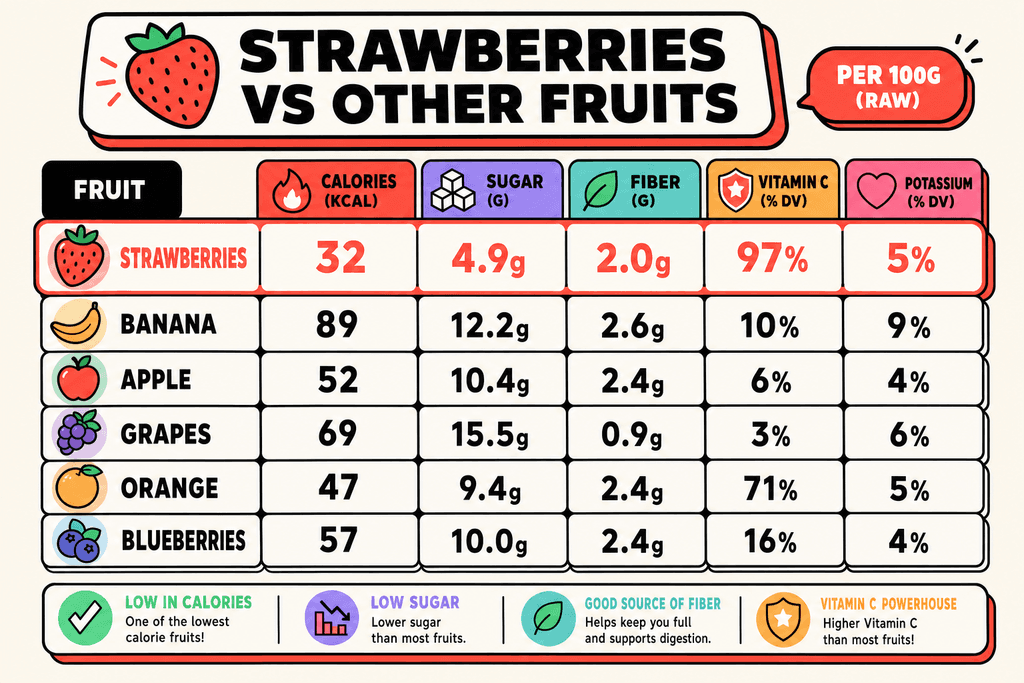
When you're tracking what you eat, understanding how many calories in a cup of strawberries compares to other fruits can really change your approach to snacking. Most people assume all fruits are basically the same when it comes to calories, but the differences are actually pretty significant. A cup of strawberries sits at around 50 calories, which puts it in a completely different category than fruits like bananas or grapes. The sugar content varies wildly too, and that matters whether you're trying to lose weight or just maintain better energy levels throughout the day. Understanding how many calories in a cup of strawberries compares to other foods can help you make better choices, so be sure to check out our article on spaghetti calories by cup plate and sauce type.
Calorie Breakdown by Fruit
Here's where things get interesting. The calorie difference between a cup of strawberries and a cup of grapes is almost double, and compared to bananas, you're looking at triple the calories for the same volume.
| Fruit (1 cup) | Calories | Sugar (g) | Fiber (g) |
|---|---|---|---|
| Strawberries | 50 | 7 | 3 |
| Blueberries | 85 | 15 | 4 |
| Grapes | 104 | 23 | 1 |
| Apple (sliced) | 65 | 13 | 3 |
| Banana (sliced) | 134 | 18 | 4 |
| Mango (cubed) | 99 | 23 | 3 |
The numbers tell a clear story about nutrient density versus calorie load. Strawberries give you more volume for fewer calories, which is why they're often recommended for people watching their intake.
Sugar Content Matters More Than You Think
Sugar in fruit isn't the same as added sugar, but it still affects your daily totals. Grapes pack 23 grams of sugar per cup compared to strawberries at just 7 grams. That's a massive difference if you're monitoring your sugar intake or dealing with blood sugar concerns.
- Strawberries have the lowest sugar content among popular fruits
- Grapes and mangoes contain more than triple the sugar of strawberries
- Lower sugar fruits help maintain steadier energy levels
- Fiber content in strawberries helps slow sugar absorption
Best Fruit Choices for Different Goals
Your fruit choices should match what you're trying to accomplish. If you're cutting calories, strawberries and other berries give you the most food for the least caloric impact. Apps like MyFoodBuddy make it easy to log "one cup of strawberries" and instantly see how it fits into your daily goals without doing mental math.
- Weight loss: Choose strawberries, watermelon, and other low-calorie options
- Energy before workouts: Bananas provide quick carbs and potassium
- Blood sugar management: Stick with berries and apples for lower glycemic impact
- Nutrient density: Berries offer the most vitamins per calorie
The real challenge isn't knowing which fruits are better. It's actually tracking them consistently so you can see patterns in how different fruits affect your progress and how they fit into your overall calorie budget.
Your Strawberry Tracking Takeaway
So there you have it. A cup of strawberries has about 49 calories, making them one of the best snacks you can reach for when hunger hits. They're sweet enough to feel like a treat but won't mess up your daily calorie goals. Plus, you get all those vitamins and fiber that actually help your body instead of just filling you up with empty calories.
The tricky part isn't knowing how many calories in a cup of strawberries. It's actually remembering to track them in the first place. Most people skip logging the "small stuff" like fruit, but those calories add up faster than you'd think.
That's where something like MyFoodBuddy comes in handy. Instead of opening an app, searching for strawberries, measuring portions, and tapping through a bunch of screens, you just say "one cup of strawberries" and it logs everything for you. Takes about three seconds instead of three minutes.
Whether you're eating strawberries plain, adding them to overnight oats, or blending them into a smoothie, accurate tracking matters. The same goes for homemade meals where you're mixing multiple ingredients. Getting the numbers right helps you understand what's actually working for your goals.
Now let's tackle some common questions people have about strawberry calories and tracking fruit in general.
Common Questions About Strawberry Calories
Tracking strawberries might seem simple, but people run into the same questions over and over. Whether you're wondering about frozen versus fresh or trying to figure out if you're eating too many, these answers will help you track your strawberry intake without overthinking it. The good news is that strawberries are one of the easiest fruits to work into any diet plan, and understanding the basics makes tracking them even simpler.
Do frozen strawberries have the same calories as fresh?
Yes, frozen strawberries have almost identical calories to fresh ones. A cup of unsweetened frozen strawberries contains about 50-53 calories, which is basically the same as fresh. The freezing process doesn't add calories, but watch out for frozen strawberries with added sugar, which can double or triple the calorie count.
How many strawberries should I eat per day?
Most nutrition experts suggest eating about one cup of strawberries per day as part of your fruit intake. That's roughly 8 medium strawberries and gives you a solid dose of vitamin C and fiber for only 50 calories. You can definitely eat more if it fits your calorie goals, since they're low in calories and high in nutrients.
Are strawberries good for weight loss?
Strawberries are excellent for weight loss because they're low in calories but high in fiber and water content, which helps you feel full. One cup gives you 3 grams of fiber for only 50 calories, making them a smart snack choice. They also satisfy sweet cravings without the added sugars found in processed snacks.
Does the size of the strawberry affect calorie count?
Yes, larger strawberries have more calories than smaller ones, but the difference is pretty small. A large strawberry might have 8-9 calories while a small one has 3-4 calories. When you measure by cup rather than counting individual berries, the size matters less since you're going by volume.
How do I measure a cup of strawberries accurately?
Use a standard measuring cup and fill it with whole strawberries, including the space between them. Don't pack them down or slice them unless the recipe specifically calls for sliced strawberries. If you want to be more precise, a cup of whole strawberries weighs about 144 grams, which you can verify with a kitchen scale.
What's the easiest way to track strawberries in my diet?
The fastest way is using voice or text logging instead of searching through food databases. With MyFoodBuddy, you can just say "one cup of strawberries with my breakfast" and the app automatically logs the calories and nutrients. This beats spending time searching through traditional calorie trackers that make you pick between dozens of strawberry entries with slightly different calorie counts.
Ready to start tracking smarter?
Download MyFoodBuddy and start tracking your calories by just saying what you ate. No more searching databases or guessing portions.
Get started