
How Many Calories In a Cup of Pineapples
Discover calories in fresh, canned, and dried pineapple. Compare nutritional values and learn easy tracking tips for your diet goals.
The Sweet Truth About Pineapple Calories
A cup of dried pineapple packs nearly four times the calories of fresh pineapple, yet most people log them the same way in traditional tracking apps like MyFitnessPal or Cronometer. This simple mistake can throw off your daily calorie count by hundreds of calories without you even realizing it. Understanding how pineapple calories change based on preparation matters if you want accurate tracking, and tools like MyFoodBuddy make it easier by automatically recognizing whether you're eating fresh, canned, or dried varieties when you log your meals.
Table of Contents
- The Sweet Truth About Pineapple Calories
- Pineapple Nutrition Basics
- Fresh Pineapple Calorie Count
- Canned Pineapple Calories Explained
- Dried Pineapple Calorie Surprise
- Making Pineapple Work for Your Goals
- Why Pineapple Tracking Gets Confusing
- Your Pineapple Calorie Cheat Sheet
- Common Pineapple Calorie Questions
Pineapple Nutrition Basics
Pineapple has been a favorite tropical fruit for centuries, and it's not just because of its sweet, tangy taste. This spiky fruit packs a serious nutritional punch that makes it a smart choice whether you're tracking calories or just trying to eat better. When you're wondering about how many calories in a cup of pineapples, you're asking the right question because understanding what you eat is the first step to reaching your health goals.
The best part about pineapple is that it gives you tons of nutrients without loading you up with fat or sodium. A single cup of fresh pineapple chunks delivers more than your entire daily vitamin C needs, which helps your immune system stay strong. It also contains manganese, a mineral that most people don't think about but your body needs for healthy bones and metabolism.
What Makes Pineapple Special
Unlike many fruits, pineapple contains something called bromelain. This natural enzyme actually helps your body break down protein and digest food more easily. That's why some people feel less bloated after eating pineapple with a heavy meal.
Here's what else pineapple brings to the table:
- Natural sugars that give you quick energy without any added sweeteners
- Fiber that keeps you feeling full longer
- Antioxidants that protect your cells from damage
- Water content that helps keep you hydrated
The Calorie Tracking Connection
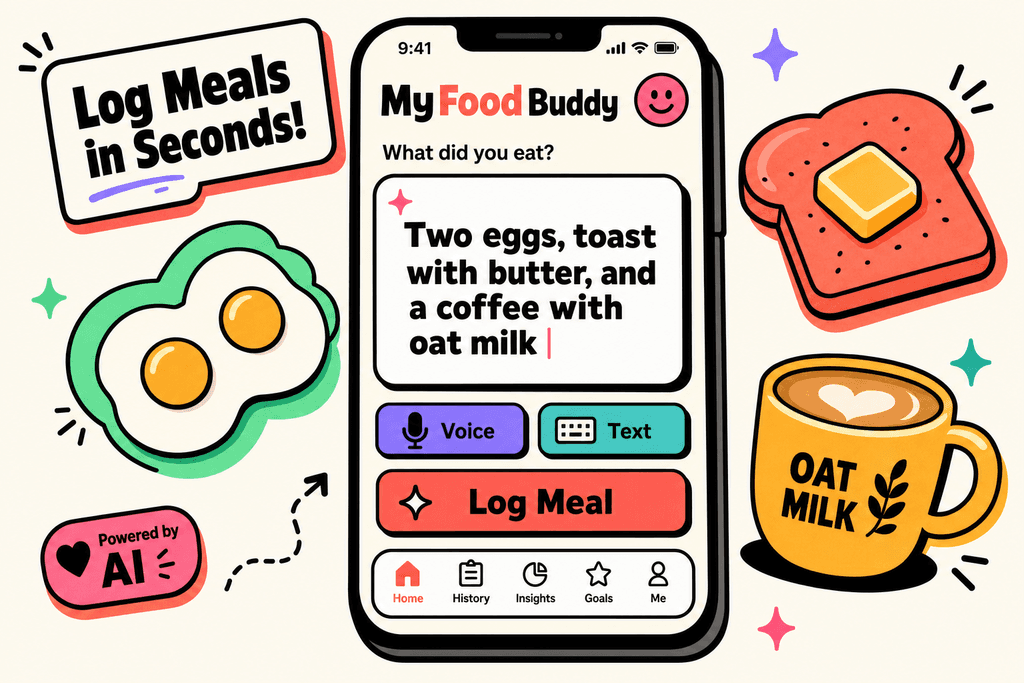
When you're logging your meals, knowing exactly what's in your food matters. Apps like MyFitnessPal and Cronometer require you to search through databases and measure everything precisely. With MyFoodBuddy, you can simply say "I ate a cup of pineapple" and the app calculates everything for you using AI and USDA data.
Here's the basic nutritional breakdown you need to know:
| Nutrient | Amount per Cup | % Daily Value |
|---|---|---|
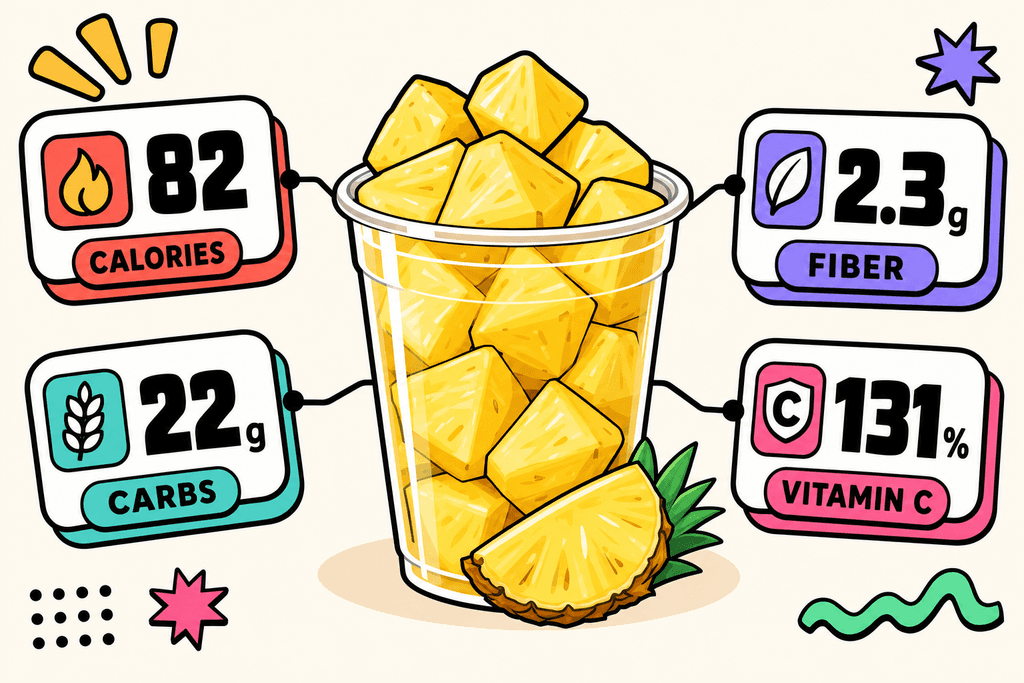
| Calories | 82 | 4% |
| Total Fat | 0.2g | 0% |
| Sodium | 2mg | 0% |
| Carbohydrates | 22g | 7% |
| Fiber | 2.3g | 9% |
| Sugars | 16g | - |
| Protein | 0.9g | 2% |
| Vitamin C | 79mg | 131% |
| Manganese | 1.5mg | 76% |
Why Fresh Matters
The numbers above are for fresh pineapple chunks, which is important to note. Canned pineapple often comes packed in syrup that adds extra sugar and calories. Dried pineapple is even more calorie-dense because the water has been removed.
Different forms of pineapple have different calorie counts:
- Fresh pineapple chunks have about 82 calories per cup
- Canned pineapple in juice has around 109 calories per cup
- Canned pineapple in syrup can have 198 calories per cup
- Dried pineapple rings pack about 140 calories in just a quarter cup
Understanding these differences helps you make better choices when you're trying to stick to your nutrition goals. Whether you're aiming for weight loss, muscle gain, or just maintaining a healthy diet, knowing how many calories in a cup of pineapples gives you the control you need.
Fresh Pineapple Calorie Count
A cup of fresh pineapple chunks sits at just 82 calories, making it one of the most diet-friendly fruits you can grab. The reason fresh pineapple stays so low in calories comes down to its high water content, which gives you plenty of volume without packing on the numbers. When you're trying to figure out how many calories in a cup of pineapples, fresh is always your best bet. Plus, that same cup delivers more than your entire daily recommended intake of vitamin C, which is a nice bonus for your immune system.
Fresh Pineapple Calorie Count
The fiber in fresh pineapple helps you feel full longer, even though you're not eating many calories. This makes it a smart choice when you're hungry between meals but don't want to blow your calorie budget.
82 calories
per cup of fresh pineapple chunks
When you compare fresh pineapple to other snack options, the difference becomes clear. You could eat an entire cup of pineapple for fewer calories than a small handful of chips. The natural sweetness also means you're satisfying sugar cravings without reaching for processed foods that would set you back way more.
Canned Pineapple Calories Explained
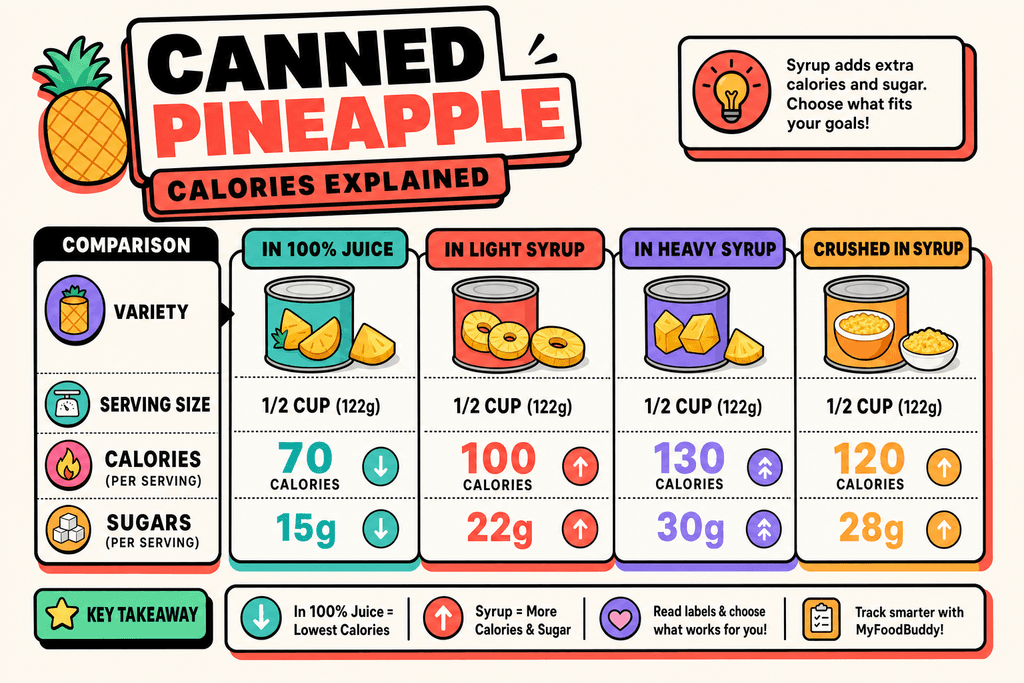
Canned pineapple seems convenient, but the calorie count changes dramatically based on what liquid it's packed in. The type of syrup or juice surrounding those pineapple chunks can more than double your calorie intake without you even realizing it. If you're not checking the label carefully, you might think you're making a healthy choice when you're actually consuming way more sugar and calories than you planned.
Canned Pineapple Calories Explained
| Pineapple Type | Calories per Cup | Sugar Content |
|---|---|---|
| Heavy Syrup | 198 calories | Highest |
| Light Syrup | 131 calories | Moderate |
| Pineapple Juice | 109 calories | Lower |
| Fresh Chunks | 82 calories | Natural Only |
Even if you drain the syrup before eating canned pineapple, some of that sugar has already soaked into the fruit itself. This means you're still getting more calories than fresh pineapple would give you. The added sugars in heavy syrup can really mess with your weight loss goals if you're not tracking accurately.
When you're logging canned pineapple, the specific type matters a lot. Apps like MyFoodBuddy can help you track these differences without having to manually calculate each variety, which saves you from accidentally underestimating your intake.
Dried Pineapple Calorie Surprise
Dried pineapple packs a serious calorie punch that catches most people off guard. When you remove all the water from pineapple, you're left with concentrated sugars and calories in a much smaller package. A cup of dried pineapple contains around 340 calories, which is more than four times what you'd get from fresh pineapple. The problem is that dried fruit doesn't feel like you're eating that much because the pieces are so small and light.
The dehydration process shrinks the fruit down, but all those natural sugars stay put. What used to be a full cup of fresh pineapple might become just a quarter cup when dried. This makes it incredibly easy to overeat without realizing how many calories you're actually consuming.
340 calories
per cup of dried pineapple - that's 4x more than fresh
Many brands also add extra sugar during the drying process to make the fruit taste sweeter and last longer. This means you could be getting even more calories than the natural fruit would provide. The sweet taste and chewy texture make dried pineapple feel like candy, which doesn't help when you're trying to stop at a reasonable portion.
- One serving of dried pineapple is typically just 1/4 cup
- Most people eat 2-3 servings without thinking about it
- Check labels for added sugars beyond natural fruit sugars
- Dried fruit doesn't fill you up like fresh fruit does
Making Pineapple Work for Your Goals
You don't have to avoid pineapple completely just because some versions are higher in calories. The key is knowing which type you're eating and tracking it accurately so you can stay within your calorie goals. Fresh pineapple or juice-packed varieties give you the most fruit for the fewest calories, which means you can enjoy more of it without guilt. Measuring your portions instead of guessing makes a huge difference in whether you're actually hitting your targets or accidentally going over.
Pineapple works great as a natural sweetener in smoothies, yogurt, or even savory dishes. You get that sweet flavor without needing to add processed sugar, which helps keep your overall calorie count lower. When you're logging your meals, being specific about whether you ate fresh, canned, or dried pineapple matters more than you might think.
Quick Tips for Smart Pineapple Choices
- Always choose fresh or juice-packed over syrup varieties
- Use measuring cups instead of eyeballing portions
- Rinse canned pineapple to remove excess sugar
- Treat dried pineapple like candy, not regular fruit
- Log the specific type in your tracking app
Traditional calorie tracking apps make you search through dozens of pineapple entries and guess which one matches what you ate. MyFoodBuddy lets you just say "one cup of fresh pineapple" or "half a cup of canned pineapple in juice" and it figures out the calories for you. This takes the guesswork out of tracking different pineapple types, which means you're more likely to log accurately and stick with your goals.
If you're curious about tracking other foods accurately, check out our guide on simplifying calorie counting for homemade meals or learn more about mastering calorie counting with a user-friendly app. The same principles that make tracking pineapple easier apply to everything else you eat throughout the day.
Why Pineapple Tracking Gets Confusing
Most people think tracking how many calories in a cup of pineapples should be simple, but it's actually one of the trickiest fruits to log accurately. The problem starts when you open a traditional calorie tracking app and search for "pineapple." You'll find dozens of entries, each with different calorie counts, and most people just pick the first one without realizing it might be completely wrong for what they actually ate. Generic database entries often default to canned pineapple in syrup when you ate fresh chunks, or they assume fresh when you had frozen with added sugar.
Common Tracking Mistakes
The biggest errors happen when people don't specify which type of pineapple they're logging. Here's where things go wrong most often:
- Selecting "pineapple" without specifying fresh, canned, or frozen varieties
- Assuming restaurant pineapple portions match the one-cup serving size
- Not accounting for added syrups or sweeteners in processed versions
- Forgetting that dried pineapple has concentrated sugars and calories
- Underestimating how much pineapple actually goes into smoothies
Restaurant portions deserve special attention because they're almost never actually one cup. That tropical fruit bowl at brunch? It's probably closer to two or three cups of pineapple, which means you're off by 150-200 calories if you log it as a single serving.
The Smoothie Problem
Smoothies are where pineapple calories really add up without you noticing. A typical tropical smoothie might contain two full cups of pineapple plus other fruits, but when it's all blended together, it's easy to guess low. You might log "one cup pineapple" when you actually consumed double that amount.
| Pineapple Form | Tracking Difficulty | Common Error |
|---|---|---|
| Fresh chunks | Easy | Wrong cup measurement |
| Canned | Medium | Missing syrup calories |
| Smoothie | Hard | Underestimating portions |
| Frozen | Medium | Added sweeteners |
Pros and Cons of Different Pineapple Forms
Each type of pineapple comes with its own tracking challenges and benefits:
- Fresh pineapple: Easiest to measure accurately but requires cutting and prep time
- Canned in juice: Convenient but adds 10-20 extra calories per cup from the liquid
- Canned in syrup: Longest shelf life but nearly doubles the calorie count
- Frozen chunks: Great for smoothies but may contain hidden added sugars
How Voice Logging Helps
This is where apps like MyFoodBuddy make a real difference. Instead of scrolling through dozens of generic entries, you can just say "one cup of fresh pineapple chunks" and the AI understands exactly what you mean. The voice recognition picks up on those specific details that matter for accurate calorie counting, so you're not accidentally logging canned when you ate fresh.
Your Pineapple Calorie Cheat Sheet
So here's what you need to remember when you're figuring out how many calories in a cup of pineapples. Fresh pineapple sits at a nice low 82 calories per cup, making it the best choice if you're watching your intake. Canned pineapple gets trickier because it depends on what it's packed in, ranging anywhere from 109 calories in juice to 198 calories when it's swimming in heavy syrup. And dried pineapple, well, that's a whole different story at 340 calories for the same cup measurement.
The thing is, most people just log "pineapple" and call it a day. But that 116-calorie difference between fresh and canned in syrup adds up fast over a week. Same goes for dried pineapple, which packs more than four times the calories of fresh.
This is where accurate calorie tracking actually matters. You could say "a cup of pineapple in heavy syrup" and MyFoodBuddy figures out the exact nutritional breakdown without you having to search through databases or guess which entry is right. The AI pulls from USDA data to get the specifics, whether you're eating fresh chunks or dried rings.
The same principle applies to pretty much everything you eat. Homemade meals get complicated when you're trying to track each ingredient separately, but being specific about preparation methods makes all the difference. Just like with pineapple, the details matter more than you'd think.
Now let's tackle some common questions people have about pineapple and calorie tracking.
Common Pineapple Calorie Questions
Tracking pineapple calories can bring up a lot of questions, especially when you're trying to stay on top of your nutrition goals. The sweet taste makes people wonder if it's too good to be true for weight loss, and different apps showing different numbers doesn't help. Here are the most common questions people ask when trying to figure out how many calories in a cup of pineapples and whether it fits their diet.
Is pineapple good for weight loss despite the sugar?
Yes, pineapple can absolutely fit into a weight loss plan even though it contains natural sugars. A cup of pineapple has about 82 calories and comes packed with fiber, which helps you feel full longer. The natural sugars in fruit aren't the same as added sugars in processed foods, and the water content in pineapple means you get a satisfying portion without many calories.
How much pineapple can I eat on a diet?
Most people can comfortably fit one to two cups of pineapple into their daily calorie goals without any issues. If you're tracking macros, just account for the 22 grams of carbs per cup and adjust your other meals accordingly. The key is making sure it fits your overall calorie target for the day, which apps like MyFoodBuddy can help you track by simply saying what you ate instead of manually entering every detail.
Does frozen pineapple have the same calories as fresh?
Frozen pineapple without any added ingredients has virtually the same calorie count as fresh pineapple. The freezing process doesn't add calories, so you're still looking at around 82 calories per cup. Just watch out for frozen pineapple that comes in syrup or has added sugar, which can double or triple the calorie count.
Why does my tracking app show different calorie counts?
Different apps pull from different databases, and some entries are user-submitted rather than verified against USDA data. You might see anything from 50 to 100 calories for the same cup of pineapple depending on which entry you pick. Using an app that automatically pulls accurate nutritional data saves you from guessing which entry is correct and potentially throwing off your whole day's tracking.
Can I eat pineapple every day while tracking calories?
Eating pineapple daily is perfectly fine as long as it fits within your calorie and carb goals. Some people actually find that having a consistent fruit they enjoy makes tracking easier because they know exactly what to log. The vitamin C and digestive enzymes in pineapple can be beneficial when eaten regularly, and at only 82 calories per cup, it's an easy addition to most meal plans.
Do I need to weigh pineapple for accurate calorie tracking?
While weighing gives you the most precise measurement, using cup measurements for pineapple is usually accurate enough for most people's goals. A cup of pineapple chunks is pretty standard whether you eyeball it or measure it carefully. If you're logging meals with voice or text input, you can just say "one cup of pineapple" and get a solid estimate without pulling out a food scale every time.
Ready to start tracking smarter?
Download MyFoodBuddy and start tracking your calories by just saying what you ate. No more searching databases or guessing portions.
Get started