Fix Your Relationship With Food Forever In Small Steps
Learn how small, sustainable changes can transform your relationship with food. Discover practical steps to build healthier eating habits that last.
Most people who start a diet will abandon it within a few months, and research shows that 95% of diets fail within five years. The real issue isn't your willpower or discipline—it's that restrictive eating plans damage your relationship with food instead of fixing it. When you focus on small, sustainable changes rather than perfect adherence to rigid rules, you can actually fix your relationship with food forever without the stress of another failed diet.
Table of Contents
What a Broken Food Relationship Actually Looks Like
Most people who struggle with food don't realize they're stuck in a broken pattern until they've been fighting it for years. You finish a meal and immediately feel guilty about what you ate. You label your breakfast as "good" and your afternoon snack as "bad." You tell yourself you'll start fresh on Monday, only to give up by Wednesday. These aren't signs of weakness or lack of willpower. They're symptoms of an unhealthy relationship with food that millions of people deal with every single day.
| Diet Outcome | Percentage |
|---|---|
| Diets that fail within 1 year | 95% |
| People who regain more weight | 66% |
| Adults with food anxiety | 75% |
The Guilt and Shame Cycle
A broken food relationship shows up in ways you might not even notice anymore. It's become so normal that you think everyone feels this way. But they shouldn't, and neither should you.
- Feeling guilty or ashamed after eating certain foods
- Constantly thinking about your next meal or what you "should" eat
- Avoiding social events because you're worried about food choices
- Using exercise as punishment for eating
- Thinking in extremes like "I already messed up today, might as well keep going"
The mental space this takes up is exhausting. You spend more energy worrying about food than actually enjoying it.
Why Traditional Tracking Makes It Worse
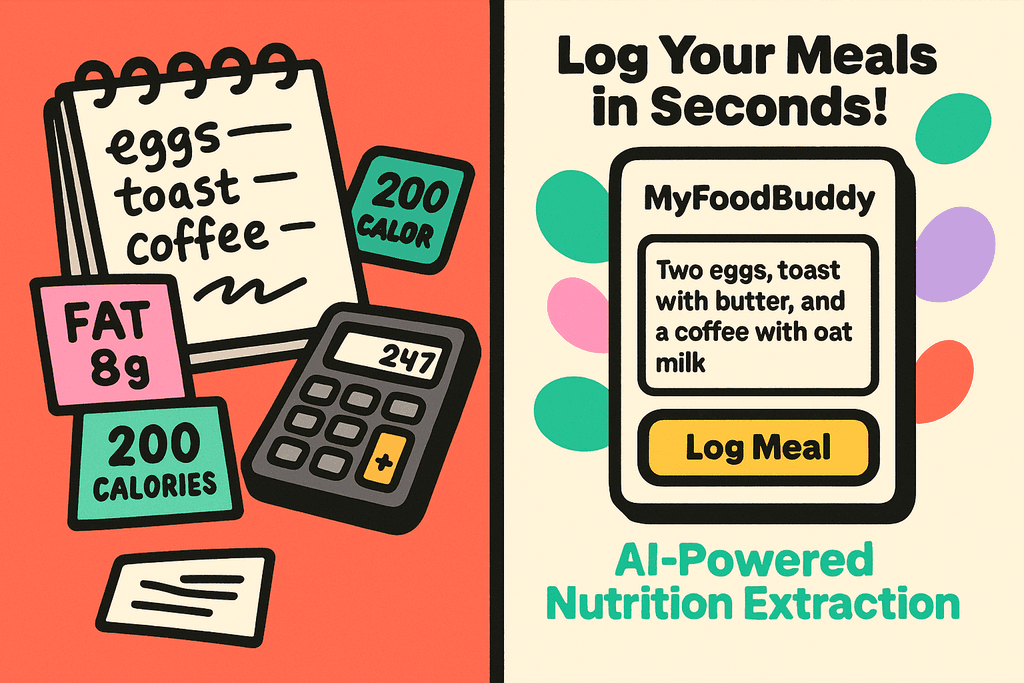
Here's where things get tricky. You decide to take control by tracking your calories. Sounds like a good plan, right? But then you download an app like MyFitnessPal or Cronometer and suddenly you're spending 10 minutes trying to log a simple sandwich.
- Searching through thousands of database entries to find the right food
- Weighing and measuring every single ingredient
- Creating custom meals and recipes that take forever to input
- Stressing about whether you picked the right entry from 47 options for "chicken breast"
This process turns eating into a math test you have to pass three times a day. The apps that were supposed to help you actually increase your food anxiety instead.
The Mental Load Nobody Talks About
The real problem isn't the food itself. It's the constant mental burden of making food decisions. Every meal becomes a calculation. Every snack requires planning. You can't just eat anymore.
- Decision fatigue from choosing what to eat based on numbers
- Anxiety about eating out because you can't track it perfectly
- Obsessive thoughts about food that interrupt your work and relationships
- Fear of "wasting" calories on the wrong foods
Understanding these patterns is actually the first step to fixing your relationship with food. You can't change what you don't recognize. Tools like MyFoodBuddy help by removing the complicated logging process, letting you simply say what you ate instead of spending minutes searching databases. When tracking becomes easier, it stops feeling like a punishment and starts feeling like helpful information.
Remove Guilt and Labels From Your Food Choices
Most people spend years thinking they're "bad" for eating certain foods, but here's something that might surprise you: food has no moral value. A slice of pizza doesn't make you a bad person, and a salad doesn't make you virtuous. Yet we've been trained to attach guilt and shame to our eating choices, which creates a toxic cycle that's hard to break. When you label foods as "good" or "bad," you're setting yourself up for a relationship with food that's based on rules and punishment rather than nourishment and enjoyment. This mindset keeps you stuck in patterns that feel impossible to escape.
The shift starts when you begin noticing how different foods actually make your body feel. Does that heavy pasta lunch leave you sluggish for hours? Does skipping breakfast make you irritable by 10 AM? These physical observations are way more useful than any food rule someone else created for you.
Practical Steps to Remove Food Guilt
- Replace judgmental thoughts with neutral observations about how you feel physically
- Stop using words like "cheat meal" or "being good" when talking about food
- Give yourself permission to eat any food without needing to earn it or compensate later
- Notice eating patterns without attaching shame or punishment to them
- Ask yourself "How does this make me feel?" instead of "Is this allowed?"
When you practice neutral language around food, something interesting happens. You stop fighting with yourself about every meal choice. The mental energy you used to spend on guilt can now go toward actually understanding your body's needs. This doesn't mean you'll suddenly eat perfectly, but you'll make choices from a place of awareness rather than fear.
Remove Guilt and Labels From Your Food Choices
Make Tracking Easy So It Actually Helps
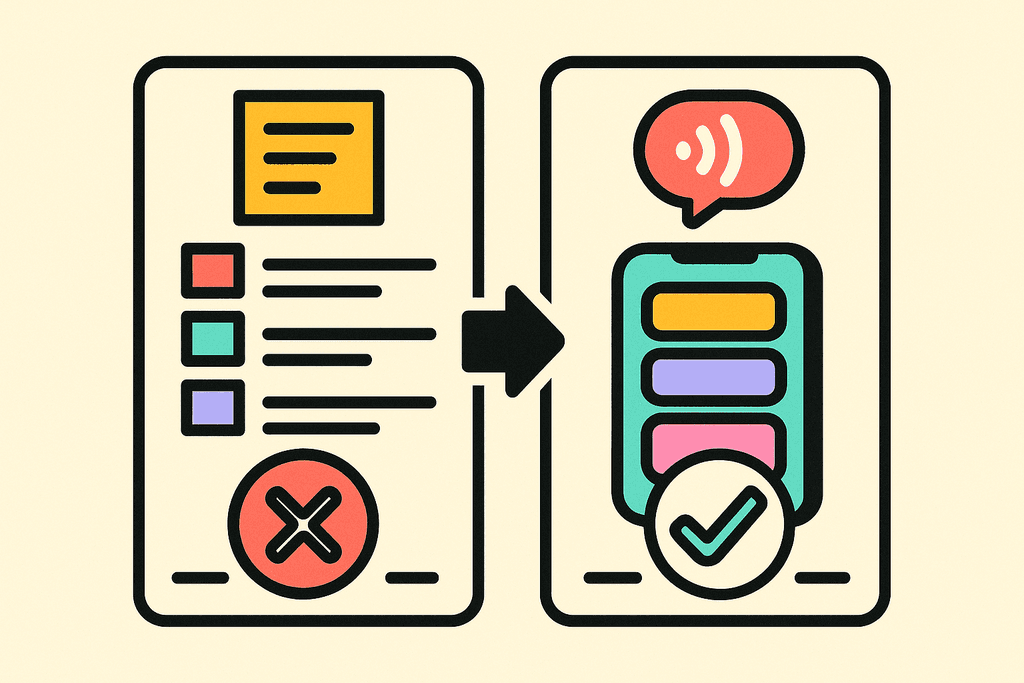
Traditional calorie tracking apps have a dirty secret: they're designed in a way that makes most people quit within a few weeks. You have to search through databases, measure portions, create custom meals, and spend several minutes logging each thing you eat. This friction turns tracking into a chore that feels like punishment rather than a helpful tool. When tracking takes too much time and mental energy, it stops being useful and starts feeding into an unhealthy obsession with food. The goal should be awareness, not spending half your day thinking about every bite you took.
Voice logging changes this entire dynamic. Instead of tapping through multiple screens, you just say what you ate and move on with your day. MyFoodBuddy handles all the calculations automatically using AI and USDA data, so you're not stuck guessing portion sizes or searching for the right database entry.
| Traditional Tracking | Voice-Based Tracking |
|---|---|
| 3-5 minutes per meal | 10-15 seconds per meal |
| Multiple taps and searches | One voice command |
| Requires phone in hand | Hands-free logging |
| Easy to forget or avoid | Quick enough to do anywhere |
The difference between helpful tracking and obsessive tracking comes down to how much mental space it takes up. When logging is quick and easy, it becomes a background habit that informs your decisions without controlling your life. You spend less time thinking about food and more time actually living, which is exactly how it should be. If you're interested in building sustainable habits without the stress, check out our guide on starting fresh every Monday without the guilt.
Build Consistency Without Perfection
Here's what nobody tells you about fixing your relationship with food: perfection is the enemy of progress. When you aim for perfect eating every single day, you're setting yourself up for a cycle of success and failure that feels exhausting. The people who actually succeed long-term aren't the ones who never mess up, they're the ones who show up consistently even when things aren't perfect. Small daily actions compound into major changes over months and years, but only if you can maintain them without burning out. This is where most diet approaches fail, they demand too much too soon.
The secret is tracking your consistency, not your perfection. Did you log your meals today, even if they weren't ideal? That's a win. Missing one day doesn't erase weeks of progress, and getting back on track the next day is what actually matters.
Daily Habits for Consistency
- Log at least one meal per day, even if you miss the others
- Check your streak in the app to see your progress over time
- Celebrate showing up, regardless of what you ate
- Set a daily reminder for your most consistent meal time
- Review your weekly patterns without judgment
Gamification elements like streaks and achievements aren't just fun additions, they're psychological tools that make consistency rewarding. When you see a 30-day logging streak, you're more likely to keep it going. The app becomes a partner in your journey rather than a judge of your choices. This approach works because it focuses on the behavior you can control (showing up) rather than outcomes you can't always control (perfect eating). For more on maintaining consistency, our article on how to stay consistent tracking calories offers additional strategies.
Make Tracking Easy So It Actually Helps
Get Personalized Support That Understands Your Journey
Generic nutrition advice fails because everyone's relationship with food is different. What works for your friend might not work for you, and cookie-cutter meal plans ignore your preferences, schedule, and actual eating patterns. You need guidance that's based on your specific situation, not some theoretical perfect diet that nobody actually follows. This is where personalized support makes all the difference, but traditional nutritionists are expensive and not always accessible when you need them. The gap between generic advice and personalized coaching has been a major problem in nutrition for years.
AI coaching fills this gap by analyzing your actual eating patterns and providing insights tailored to you. Fiona, MyFoodBuddy's AI coach, learns from your food logs, health data, and goals to give you feedback that's relevant to your life. Instead of telling you what some study says about the average person, she tells you what your data shows about your body.
- Pattern recognition: Identifies trends in your eating that you might not notice yourself
- Personalized insights: Explains how your food choices relate to your energy levels and goals
- Question answering: Provides nutrition guidance based on your actual habits, not generic rules
- Judgment-free support: Offers suggestions without making you feel guilty about your choices
The beauty of this approach is that the feedback gets better over time as the AI learns more about you. Support without judgment makes it easier to stay on track because you're not afraid to log the days that didn't go as planned. When you understand what works for your body specifically, you can make better choices without following rigid rules that don't fit your life. This personalized approach, combined with easy tracking through MyFoodBuddy, creates a sustainable path to fixing your relationship with food that actually lasts.
Your Next Small Step Starts Today
The truth about fixing your relationship with food is that it doesn't happen overnight. You don't wake up one morning with all your food guilt gone and perfect eating habits in place. It happens in small steps, one meal at a time, one choice at a time. The good news is that you don't need to overhaul your entire life to start seeing changes.
Pick one thing from what we've talked about. Maybe it's removing the guilt from your Monday fresh starts, or maybe it's just making tracking easier so you actually stick with it. Tools like MyFoodBuddy can help by removing the friction that makes most people quit after a few days. When you can just say what you ate instead of spending ten minutes searching through databases, tracking becomes something you actually do instead of something you avoid.
The key is consistency, not perfection. Missing a day doesn't mean you failed. Eating something that wasn't on your plan doesn't reset your progress. Your relationship with food gets better when you stop treating every meal like a test you can pass or fail.
What matters is that you keep showing up. Building balanced meals becomes easier when you're not fighting against complicated systems or beating yourself up over small mistakes. Your next meal is a chance to practice what we've covered, and the meal after that is another chance.
You probably have questions about how to actually put this into practice, and that's normal. Let's address some of the most common ones.
Common Questions About Fixing Your Food Relationship
Changing how you think about food brings up a lot of questions. Most people worry about the same things when they start working on their relationship with eating. Here are the answers to what people ask most often about making peace with food and whether tracking actually helps or hurts.
How long does it take to fix a broken food relationship?
There's no magic timeline because everyone starts from a different place. Most people notice small shifts in their thinking within a few weeks, but building lasting habits usually takes a few months. The key is focusing on small consistent changes rather than trying to overhaul everything at once.
Will tracking calories make my food anxiety worse?
It depends on how you track and why you're doing it. Old-school apps that require weighing every ingredient and searching through endless databases can definitely increase stress. MyFoodBuddy takes a different approach by letting you just say what you ate in plain language, which removes most of the obsessive parts. The goal is awareness without anxiety.
What if I've failed at every diet I've tried?
That's actually normal because most diets are designed to fail. They rely on willpower and restriction instead of understanding your actual eating patterns. When you focus on building awareness first rather than cutting things out, you're working with your brain instead of against it. Tracking isn't about being perfect, it's about noticing patterns you couldn't see before.
Do I need to track food forever?
No, and that shouldn't be the goal. Think of tracking like training wheels on a bike. You use it while you're learning what proper portions look like and how different foods affect your energy and hunger. Once those habits stick, many people only track occasionally or when they feel like they're getting off course.
How is MyFoodBuddy different from other tracking apps?
Most tracking apps like MyFitnessPal require multiple steps, searching databases, and creating custom meals, which turns logging into a chore. MyFoodBuddy lets you speak or type naturally, like "scrambled eggs with cheese and toast," and the AI figures out the rest in seconds. It's designed to make tracking so quick that it doesn't become another source of stress in your day.
Can I still enjoy my favorite foods while tracking?
Absolutely, and you should. Cutting out foods you love is what leads to binge cycles and guilt. When you track everything without judgment, you start seeing that no single meal makes or breaks your progress. You can fit pizza or ice cream into your week when you understand the bigger picture of what you're eating.
Ready to start tracking smarter?
Download MyFoodBuddy and start tracking your calories by just saying what you ate. No more searching databases or guessing portions.
Get started