
Five Ways to Use a Free Macronutrient Calculator Daily
Discover five practical ways to use a free macronutrient calculator daily for better health. Track meals, hit goals, and stay consistent effortlessly.
Why Tracking Macros Changes Everything
Most people eyeball their portions and wonder why the scale won't budge, but the truth is that guessing your food intake is like trying to save money without checking your bank account. A free macronutrient calculator removes all that guesswork and shows you exactly what you're eating in seconds, not minutes. In this guide, you'll discover five simple ways to use a macro calculator every single day to plan meals, track progress, and finally see the results you've been working toward.
Table of Contents
- Why Tracking Macros Changes Everything
- Understanding Macronutrients and Why They Matter
- Plan Your Meals Before You Cook
- Track Your Meals as You Eat Them
- Adjust Your Evening Meals Based on Daily Progress
- Review Your Weekly Patterns and Trends
- Stay Consistent with Daily Check-ins
- Making Macro Tracking Work for Your Life
- Common Questions About Macro Calculators
Understanding Macronutrients and Why They Matter
Your body runs on three main fuel sources, and most people have no idea what they're actually eating. These fuel sources are called macronutrients, or "macros" for short, and they include protein, carbohydrates, and fats. Every single thing you eat breaks down into some combination of these three nutrients. While counting calories tells you how much energy you're consuming, tracking macros tells you what kind of energy your body is getting, and that makes all the difference when you're trying to reach specific health goals.
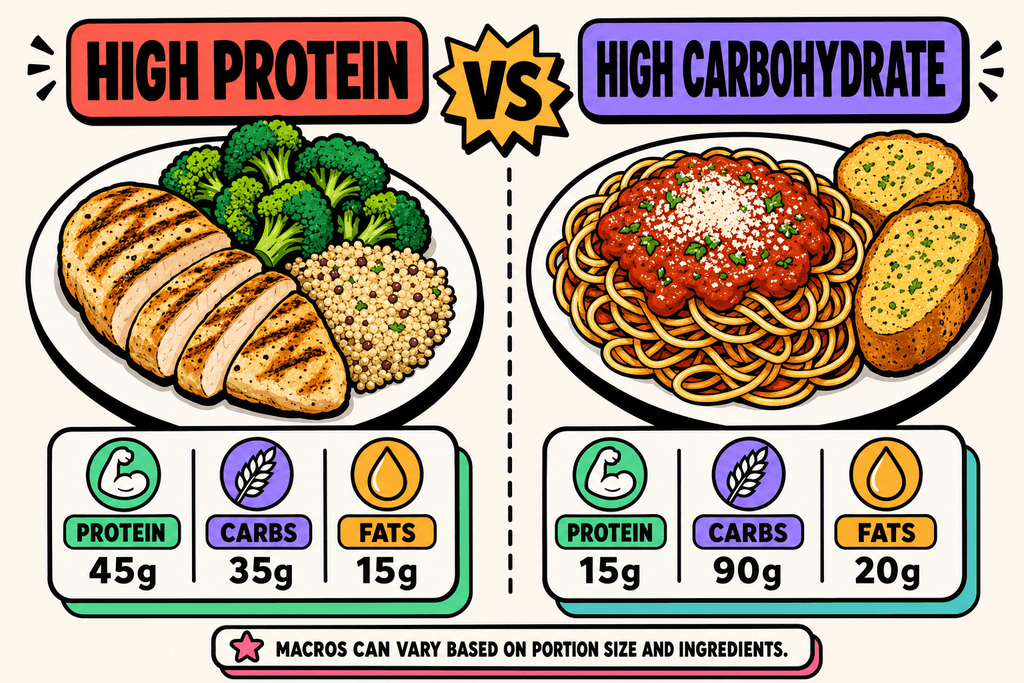
What Each Macronutrient Does
Think of macronutrients like different types of building materials for your body. Protein is like the bricks that build and repair your muscles, skin, and organs. Carbohydrates are the quick energy source that powers your brain and muscles during workouts. Fats help your body absorb vitamins, make hormones, and keep your cells healthy.
Each macronutrient provides a different amount of energy per gram. This is where a free macronutrient calculator becomes super helpful because doing this math manually gets old fast.
| Macronutrient | Calories Per Gram | Common Food Sources |
|---|---|---|
| Protein | 4 calories | Chicken, eggs, fish, beans |
| Carbohydrates | 4 calories | Rice, bread, pasta, fruits |
| Fats | 9 calories | Oils, nuts, avocado, butter |
Why Macro Balance Matters More Than You Think
Two people can eat the same number of calories but get completely different results based on their macro split. Someone trying to build muscle needs way more protein than someone just trying to maintain their weight. A person cutting weight might do better with higher protein to stay full longer, while an endurance athlete needs more carbs for sustained energy.
Here's what makes this tricky. A 500-calorie meal of grilled chicken and vegetables hits your body very differently than 500 calories of pasta with cream sauce. The first one is high in protein and keeps you full for hours. The second is mostly carbs and fats, which digest faster and might leave you hungry sooner.
- Weight loss goals typically work best with higher protein (30-40% of calories)
- Muscle gain requires adequate protein (1 gram per pound of body weight)
- Athletic performance often needs more carbs (45-65% of calories)
- General health maintenance usually balances all three macros evenly
Macro Tracking Versus Calorie Counting
Most traditional apps like MyFitnessPal focus heavily on calorie counting, which only tells part of the story. You could hit your calorie goal every day and still feel tired, hungry, or not see the results you want because your macros are off. That's why more people are switching to tools that make macro tracking simple, like MyFoodBuddy, which uses AI to break down your meals into all three macronutrients automatically.
The real challenge isn't understanding macros. It's tracking them consistently without spending forever logging every meal. A free macronutrient calculator should do the heavy lifting so you can focus on actually eating well instead of playing with numbers all day.
- Calorie counting shows total energy intake
- Macro tracking shows where that energy comes from
- Better macro balance leads to better satiety and energy levels
Plan Your Meals Before You Cook
Most people who fail at tracking macros make the same mistake: they wait until after they've eaten to log their food. By then, it's too late to make adjustments. The smarter approach is to use a free macronutrient calculator before you even step into the kitchen. When you plan your meals in advance, you can build a day of eating that actually hits your targets instead of hoping it works out. This simple shift from reactive to proactive tracking changes everything about how you approach your nutrition goals. You'll know exactly what to cook, how much to eat, and whether you're on track before you've even turned on the stove.
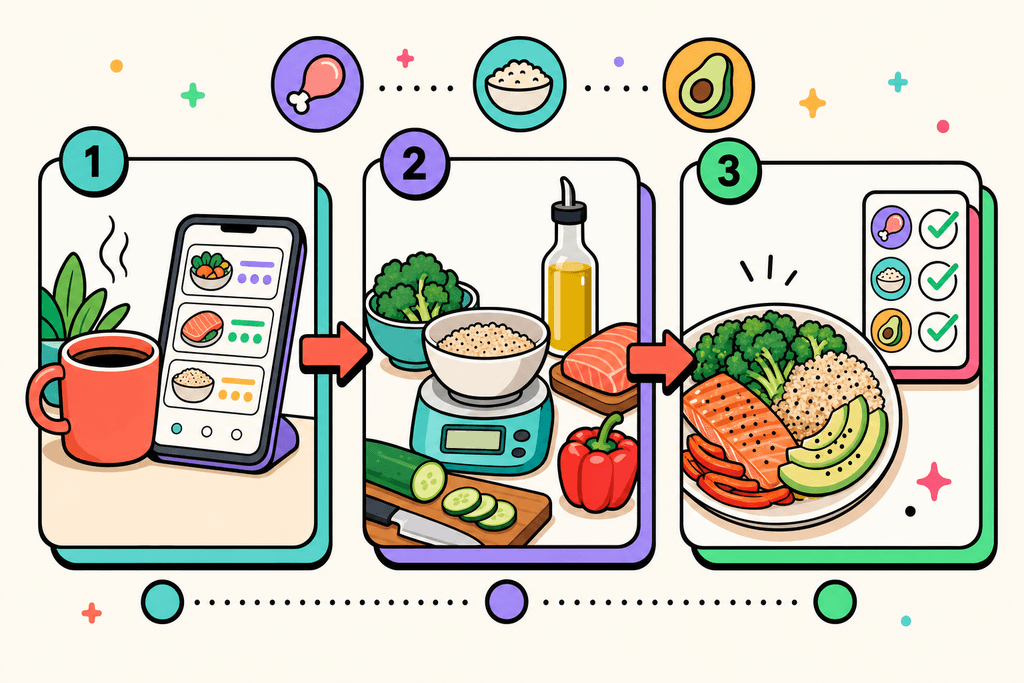
Plan Your Meals Before You Cook
With MyFoodBuddy, this planning process takes minutes instead of the usual hassle. You can use voice logging to quickly map out your day, saying something like "breakfast will be three eggs and oatmeal, lunch will be chicken breast with rice and broccoli." The app calculates everything automatically using AI and USDA data, so you don't need to guess at portion sizes or look up nutrition facts.
Morning Meal Planning Routine
- Check your daily macro targets when you wake up
- Plan your three main meals using voice or text input
- Adjust portion sizes until your totals match your goals
- Save successful meal combinations as favorites for future use
- Review your plan one more time before starting your day
The favorites feature becomes incredibly useful once you've been tracking for a week or two. You'll have a library of balanced meals that you know work for your goals, organized by categories like Breakfast, Lunch, Dinner, and Snack. Instead of planning from scratch every day, you can pull from your proven options and make small tweaks as needed.
Here's what a real planning session looks like: open the app, say your planned meals for the day, check if you're hitting your protein target (most people fall short here), adjust your dinner to add more protein if needed, and you're done. The whole process takes under five minutes, but it sets you up for success for the entire day.
Track Your Meals as You Eat Them
Planning is great, but life doesn't always go according to plan. Maybe you ended up at a restaurant instead of eating your packed lunch, or someone brought donuts to the office. This is where real-time tracking becomes essential. When you log meals as you eat them, you can see exactly how much room you have left in your daily targets. No more getting to 8pm and realizing you've already blown past your calorie goal. No more skipping dinner because you're not sure if you have macros left. You stay in control throughout the day instead of playing catch-up at night.
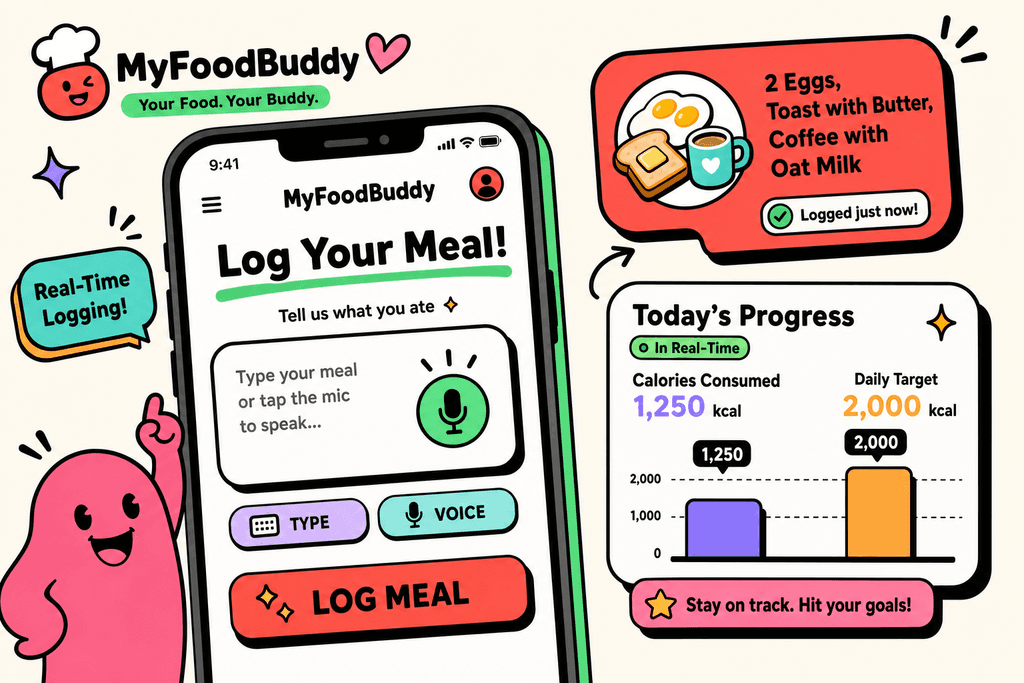
Track Your Meals as You Eat Them
Traditional calorie tracking apps make real-time logging painful. You have to search through databases, select the right entry from dozens of options, adjust serving sizes, and manually add each ingredient. By the time you're done, your food is cold. Voice logging changes this completely. You can log a meal in the time it takes to say what you ate: "grilled salmon, sweet potato, and asparagus with olive oil." The app handles the rest.
Time Comparison: Traditional manual entry takes 3-5 minutes per meal. Voice logging with MyFoodBuddy takes 10-15 seconds.
This speed difference matters more than you might think. When tracking takes five minutes, you start skipping meals. You tell yourself you'll log it later, but later never comes. When it takes fifteen seconds, there's no excuse. You can log restaurant meals just as easily as home-cooked food because you're just describing what's on your plate in natural language.
The real power shows up when you check your remaining macros before your next meal. You might see that you're low on protein but have plenty of carbs and fats left. That information helps you make a smarter choice for your next meal, keeping you on track without feeling restricted. If you want to learn more about fitting tracking into a busy schedule, the key is making it this effortless.
Adjust Your Evening Meals Based on Daily Progress
Dinner time is decision time. You've tracked your breakfast and lunch, maybe a snack or two, and now you need to figure out what to eat for your final meal. This is where most people either give up on their goals or stress themselves out trying to hit exact numbers. The better approach is to check your remaining macros and make strategic choices that get you close to your targets without obsessing over perfection. Your free macronutrient calculator becomes a decision-making tool, not a strict rulebook.
Let's say you check your app and see you've hit your carb and fat targets but you're 30 grams short on protein. Now you know what kind of dinner to build. You might choose grilled chicken with vegetables instead of pasta, or add a protein shake alongside a lighter meal. These small adjustments add up over time and keep you moving toward your goals.
- High-protein options: Lean meats, fish, Greek yogurt, cottage cheese, protein powder
- High-carb options: Rice, potatoes, pasta, bread, fruit, oats
- High-fat options: Nuts, avocado, olive oil, fatty fish, cheese
Some days you'll be way off track by dinner time. Maybe you had a big lunch meeting with food you didn't plan for. That's fine. You have two choices: eat a smaller dinner to get closer to your targets, or accept that today wasn't perfect and start fresh tomorrow. Both options are valid. The goal is progress, not perfection. What matters is that you're aware of where you stand and making conscious choices instead of eating blindly.
MyFoodBuddy makes these evening adjustments simple because you can see all your remaining macros at a glance. The app shows you exactly what you have left to work with, so you're not doing mental math or pulling out a calculator. You can explore more about optimizing your diet with custom tracking to understand how personalized targets make these decisions even easier.
Review Your Weekly Patterns and Trends
Daily tracking gives you data, but weekly reviews give you wisdom. When you step back and look at seven days of eating instead of just one, patterns emerge that you'd never notice otherwise. Maybe you consistently eat well Monday through Thursday but fall apart on weekends. Maybe you're always low on protein even though you think you're eating enough. Maybe Wednesdays are your hardest day because of your schedule. These insights are gold because they show you where to focus your energy for the biggest improvements. You stop guessing and start making changes based on real information about your habits.
The key is to look at weekly averages instead of individual days. One bad day doesn't ruin your progress, and one perfect day doesn't guarantee success. What matters is the overall trend. If your average protein intake is 20 grams below your target, that's a pattern worth addressing. If you're consistently over on calories every Saturday, that's useful information for planning better weekend meals.
Weekly Review Checklist
- Calculate your average daily intake for each macro
- Identify which days you stayed on track vs struggled
- Look for macro imbalances (especially protein, which most people undereat)
- Note any patterns related to specific days or situations
- Adjust your meal prep and grocery shopping based on what you learned
- Set one specific goal for improvement next week
MyFoodBuddy's analytics features make pattern recognition much easier than scrolling through a week of food logs. The color-coded calendar shows you at a glance which days you hit your targets and which ones you missed. Weight trend charts help you see if your nutrition changes are moving you toward your goals. You can track over 20 nutrients, so if you're curious about your vitamin or mineral intake, that data is there too.
Most people skip this weekly review step, but it's where the real learning happens. You might discover that you need to prep more high-protein snacks, or that eating out on Fridays always throws you off track. These realizations help you make better plans for the following week. For more on gaining nutritional insights from your diet, regular reviews are essential.
Stay Consistent with Daily Check-ins
Here's the truth about nutrition tracking: doing it perfectly for three days doesn't help much. Doing it reasonably well for three months changes everything. Consistency beats perfection every single time, but consistency is hard to maintain when tracking feels like a chore. This is why building a daily check-in habit matters more than hitting your macros exactly. The habit of tracking, reviewing, and adjusting becomes automatic over time, and that's when you start seeing real results. You're not thinking about whether to track anymore, you're just doing it as part of your routine.
Tracking streaks are surprisingly powerful for building this habit. When you've logged your meals for 15 days in a row, you don't want to break that streak on day 16. It's a simple psychological trick, but it works. MyFoodBuddy includes gamification elements like streaks and achievements specifically to help you stay motivated during those first few weeks when the habit isn't automatic yet.
Habit Formation Research: Studies show it takes an average of 66 days to form a new habit. Consistent daily tracking for just over two months can make nutrition awareness automatic.
Setting daily reminders helps too. A notification at breakfast, lunch, and dinner time prompts you to log your meals before you forget. These small nudges keep tracking top of mind until it becomes second nature. You can learn more about maintaining a healthy eating schedule with consistent tracking habits.
The AI nutrition coach feature adds another layer of support for daily consistency. Fiona, the AI coach in MyFoodBuddy, provides personalized insights based on your actual food logs and goals. Instead of generic advice, you get feedback specific to your patterns and challenges. It's like having a nutrition expert checking in with you every day, helping you understand what's working and what needs adjustment.
Real users have found that this combination of easy logging, streak tracking, and personalized coaching makes consistency feel achievable instead of overwhelming. One user mentioned that switching from a traditional app made tracking "much more convenient" because they could just say what they ate. Another noted the "simplicity and speed" as the key factor in sticking with it. When tracking takes seconds instead of minutes, you actually do it every day, and that's when the magic happens.
Making Macro Tracking Work for Your Life
A free macronutrient calculator can fit into your day in more ways than you might think. Whether you're planning tomorrow's meals, checking your protein after a workout, adjusting your dinner portions, learning about new foods, or staying on track during the week, these five methods make tracking feel less like homework and more like a helpful habit. The key is finding which approach works best for your schedule and sticking with it.
You don't need to use all five methods at once. Start with one or two that match how you already eat and build from there. Maybe you're someone who likes planning ahead, or maybe you prefer tracking on the go when meals happen. Both work fine as long as you're consistent.
The biggest mistake people make is thinking macro tracking has to be complicated. Apps like MyFitnessPal often require multiple steps and searching through databases, which is why so many people quit after a few weeks. MyFoodBuddy handles this differently by letting you just say what you ate, like "chicken breast with rice and broccoli," and the app calculates everything automatically using AI and USDA data.
If you've been putting off tracking because it seemed too time-consuming, the 7-day free trial gives you a chance to see how quick it can actually be. No credit card needed, just download and start logging. You might be surprised how different it feels when tracking takes seconds instead of minutes.
Your nutrition goals are waiting, and the right tools make all the difference in whether you'll actually reach them or give up halfway through.
Common Questions About Macro Calculators
Tracking macros brings up a lot of questions, especially when you're just getting started. Most people wonder if they're doing it right or if there's an easier way to make it work with their busy schedule. Here are the answers to the most common questions about using a free macronutrient calculator in your daily routine.
Do I need to track macros every single day?
Not necessarily, but consistency helps you see better results. Most people find that tracking five to six days a week gives them enough data to stay on track without feeling overwhelmed. If you miss a day here and there, it won't ruin your progress as long as you get back to it.
How accurate are free macro calculators?
Free macro calculators are pretty accurate when you input honest information about your activity level and goals. They use standard formulas based on research, though individual metabolism can vary. The key is using the calculator as a starting point and adjusting based on how your body responds over a few weeks.
What if I don't hit my macros perfectly?
Perfect macro tracking is nearly impossible and honestly not necessary. Getting within 5-10 grams of your targets is totally fine for most goals. What matters more is the overall pattern over time, not hitting exact numbers every single day.
Can I track macros without weighing food?
Yes, though it's less precise. You can use visual estimates like palm-sized portions for protein or fist-sized portions for carbs. Apps like MyFoodBuddy let you log meals using natural language, so you can say "grilled chicken breast" without pulling out a scale, and the AI figures out reasonable nutritional values based on typical serving sizes.
How long does it take to log meals daily?
With traditional apps, logging can take 5-10 minutes per meal because you're searching databases and entering quantities. Voice-based logging cuts this down to seconds since you just describe what you ate. The time investment depends on which tools you use and how detailed you want to be.
Is macro tracking better than calorie counting?
Macro tracking gives you more detail since you're looking at protein, carbs, and fats separately instead of just total calories. This helps if you have specific goals like building muscle or managing energy levels throughout the day. Calorie counting alone works for basic weight management, but macros show you the quality of those calories and help you make better food choices.
Ready to start tracking smarter?
Download MyFoodBuddy and start tracking your calories by just saying what you ate. No more searching databases or guessing portions.
Get started