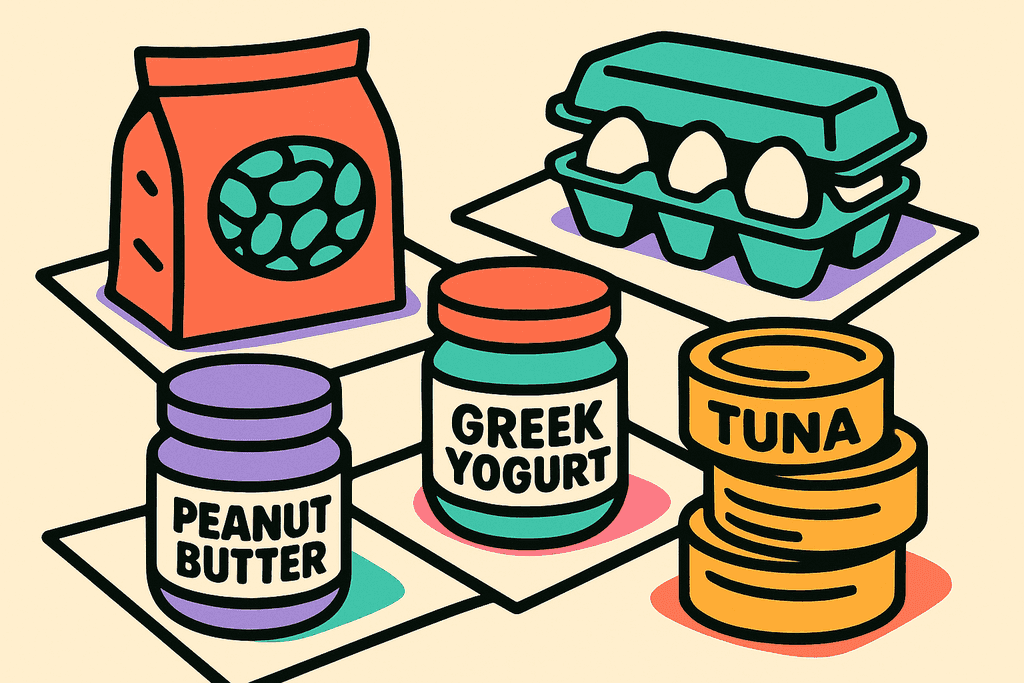
Five Low Cost Swaps to Build Muscle on a Budget
Build muscle without expensive protein shakes. Discover 5 affordable food swaps that deliver protein and nutrients for less than $2 per serving.
Most gym-goers spend over $100 a month on protein shakes and supplements, believing they're essential for building muscle. The truth is that whole foods from your local grocery store can deliver the same muscle-building protein for a fraction of the cost, and tracking them is easier than ever with tools like MyFoodBuddy that calculate nutrition from simple voice commands. This guide reveals five simple food swaps that can cut your muscle-building costs by up to 75% without sacrificing results.
Table of Contents
- Why Whole Foods Beat Expensive Supplements
- Swap 1: Greek Yogurt Instead of Whey Protein
- Swap 2: Canned Tuna and Salmon for Protein Bars
- Swap 3: Eggs Over Pre-Made Protein Meals
- Swap 4: Cottage Cheese Instead of Casein Protein
- Swap 5: Dried Lentils and Beans for Plant Protein Powders
- Making Budget Muscle Building Work
- Common Questions About Budget Muscle Building
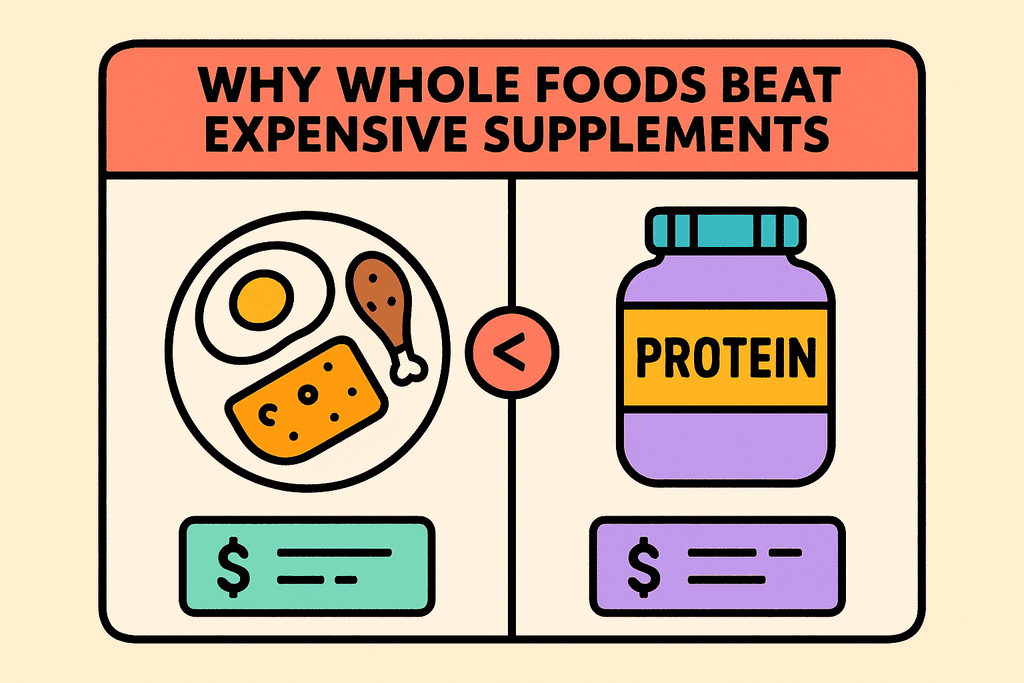
Why Whole Foods Beat Expensive Supplements
Most people think building muscle means spending hundreds of dollars on protein powders and fancy supplements. The truth is your body doesn't care if protein comes from a $60 tub or a $3 carton of eggs. What matters is getting enough protein throughout the day, and whole foods often do the job better while keeping more money in your wallet.
How Much Protein You Actually Need
Building muscle isn't as complicated as fitness influencers make it seem. Your body needs between 0.7 to 1 gram of protein per pound of body weight each day. So if you weigh 150 pounds, you're looking at around 105 to 150 grams of protein daily.
Here's what most people get wrong about hitting those numbers:
- They think protein shakes are the only way to get enough protein quickly
- They don't realize whole foods pack way more nutrients than isolated protein powder
- They never actually track what they're eating, so they have no idea if they're even close to their goals
- They assume expensive means better quality or results
Apps like MyFoodBuddy make tracking your protein intake super simple. You just tell it what you ate, and it calculates everything for you. No more guessing if you hit your protein target or spending ten minutes searching through databases like you would with older apps.
What Whole Foods Bring to the Table
Protein powder gives you one thing: protein. Whole foods give you a complete package. When you eat chicken, eggs, or beans, you're getting vitamins, minerals, fiber, and healthy fats your body needs to actually build muscle.
Think about what your body gets from whole foods versus supplements:
- Real food contains B vitamins that help turn protein into muscle
- Whole sources include iron and zinc for energy and recovery
- Natural foods provide fiber to keep your digestive system running smoothly
Your muscles need more than just protein to grow. They need the supporting cast of nutrients that whole foods naturally provide.
The Real Cost Breakdown
Let's look at what you actually pay for 20 grams of protein from different sources. This is the amount you'd get in one scoop of most protein powders.
| Protein Source | Amount Needed | Cost Per 20g Protein |
|---|---|---|
| Whey Protein Powder | 1 scoop | $1.20 |
| Eggs | 3 large eggs | $0.60 |
| Chicken Breast | 3 oz | $0.75 |
| Greek Yogurt | 1 cup | $0.90 |
| Canned Tuna | 2.5 oz | $0.50 |
| Black Beans | 1.5 cups cooked | $0.30 |
The numbers don't lie. You can get the same amount of protein for half the price or less by choosing whole foods. Plus you're getting all those extra nutrients we talked about earlier.
When you start tracking what you eat, you realize how easy it is to hit your protein goals without breaking the bank. The key is knowing what you're actually consuming each day, which is where simple tracking makes all the difference.
Swap 1: Greek Yogurt Instead of Whey Protein
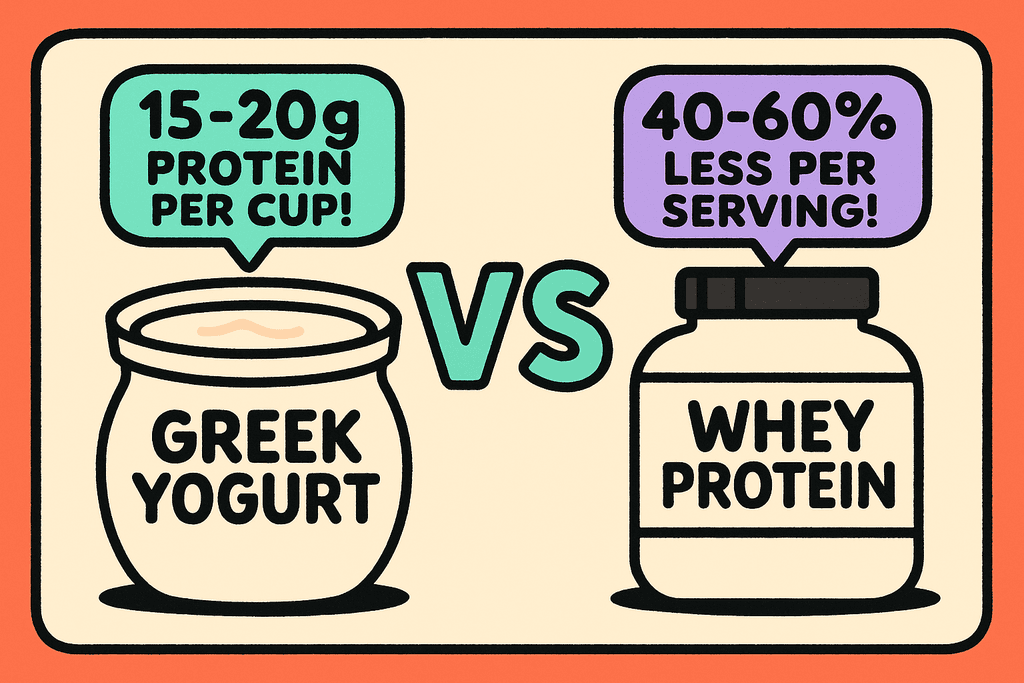
Most people think they need expensive protein powder to build muscle, but your grocery store's dairy aisle has a secret weapon. Greek yogurt packs between 15-20g of protein per cup, which is nearly the same as a scoop of whey protein powder. The best part is that it costs about 40-60% less per serving than those fancy tubs of powder sitting on supplement store shelves.
Swap 1: Greek Yogurt Instead of Whey Protein
What makes Greek yogurt even better is what comes along with the protein. You get probiotics for gut health and a solid dose of calcium that protein powder just can't match. Plus, you can actually eat it as a meal instead of just drinking it.
- Mix with berries and granola for a quick breakfast
- Use as a base for protein smoothies
- Add to overnight oats for extra protein
- Make savory dips with herbs and spices
- Top with nuts and honey for a post-workout snack
Tracking your Greek yogurt meals is simple when you use MyFoodBuddy. Just say "one cup of Greek yogurt with blueberries and almonds" and the app calculates everything for you. No need to measure or search through endless food databases like you would with other calorie trackers.
Swap 2: Canned Tuna and Salmon for Protein Bars
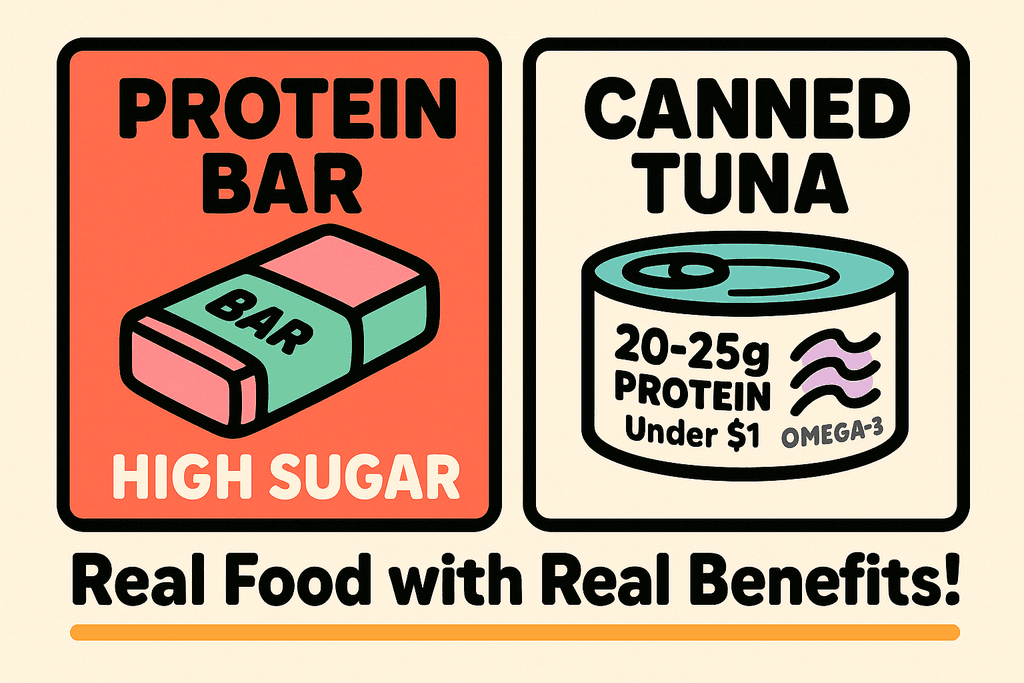
Protein bars seem convenient until you look at the price tag and ingredient list. A single bar costs around $3-4 and often contains more sugar than protein. Meanwhile, a can of tuna gives you 20-25g of complete protein for under a dollar. The math isn't even close.
Swap 2: Canned Tuna and Salmon for Protein Bars
Canned fish also brings omega-3 fatty acids to the table, which help with muscle recovery and reduce inflammation. Most protein bars can't say the same thing. You're getting real food with nutrients your body actually recognizes.
| Food | Protein | Cost | Omega-3s |
|---|---|---|---|
| Protein Bar | 15-20g | $3-4 | Minimal |
| Canned Tuna | 20-25g | Under $1 | High |
The convenience factor is real too. Keep a few cans in your desk drawer or gym bag. Mix with crackers, make a quick salad, or eat it straight from the can if you're in a rush. No refrigeration needed until you open it.
Swap 3: Eggs Over Pre-Made Protein Meals
Pre-made protein meals from meal prep companies charge you $8-12 per serving for what you could make yourself with eggs for less than $2. Eggs contain all nine essential amino acids your muscles need to grow and repair. They're basically nature's perfect protein source, and they cost about $0.20-0.30 per egg depending on where you shop.
The versatility of eggs beats any pre-packaged meal. Scramble them for breakfast, hard boil a dozen for the week, make an omelet with vegetables, or fry them to top your rice bowl. You can prep them in advance just like those expensive meal services, but you control the ingredients and save a ton of money.
- Breakfast: Scrambled with spinach and cheese
- Lunch: Hard boiled eggs with whole grain toast
- Dinner: Veggie omelet with sweet potato
- Snack: Egg muffins made in advance
- Post-workout: Fried eggs over brown rice
Beyond protein, eggs give you vitamins D, B12, and choline. When you log "three scrambled eggs with peppers and onions" in MyFoodBuddy, you'll see just how nutrient-dense this cheap protein really is. The app breaks down all the vitamins and minerals automatically, which helps you understand what you're actually eating.
Swap 4: Cottage Cheese Instead of Casein Protein
Bodybuilders pay premium prices for casein protein powder because it digests slowly and feeds muscles throughout the night. What most people don't realize is that cottage cheese naturally contains casein protein and costs 50-70% less than supplements. You're getting the same slow-release protein without the markup.
A cup of cottage cheese before bed does the same job as that expensive casein shake. Your muscles get a steady supply of amino acids for recovery while you sleep. Plus, cottage cheese brings extra calcium for bone health, which matters when you're lifting heavy weights.
The taste might take some getting used to if you've never tried it, but there are plenty of ways to make it work. Mix it with fruit for a sweet option or add everything bagel seasoning for something savory. Some people blend it into smoothies where you can't even taste it.
- Before bed with berries and cinnamon
- Mixed into pancake batter for extra protein
- As a base for high-protein dips
- Blended into smoothies for creaminess
- With cucumber and tomatoes for a savory snack
The best time to eat cottage cheese is about an hour before bed. This gives your body that slow-digesting protein right when it needs it most for overnight recovery. If you're tracking your meals with voice commands, just say what you ate and MyFoodBuddy handles the rest.
Swap 5: Dried Lentils and Beans for Plant Protein Powders
Plant-based protein powders cost a fortune and often taste like chalk mixed with sadness. A bag of dried lentils costs a few dollars and makes multiple meals. One cup of cooked lentils gives you 18g of protein for under $0.50, plus you get fiber that keeps you full and helps with digestion. Protein powder can't compete with that.
The fiber content is actually a huge advantage that powder companies try to remove from their products. Real food like lentils and beans keeps your digestive system healthy and helps you feel satisfied after meals. This matters when you're trying to build muscle without gaining excess fat.
| Legume Type | Protein per Cup | Fiber | Cost |
|---|---|---|---|
| Lentils | 18g | 16g | $0.40 |
| Black Beans | 15g | 15g | $0.50 |
| Chickpeas | 15g | 12g | $0.45 |
Batch cooking makes legumes just as convenient as scooping powder into a shaker bottle. Cook a big pot on Sunday and portion it out for the week. Add lentils to soups, make bean burrito bowls, or roast chickpeas for a crunchy snack.
One thing to know about plant proteins is that they work best when you combine different sources throughout the day. Pair beans with rice or lentils with whole grain bread to get all the amino acids your muscles need. This is where tracking your meals becomes helpful, and apps like MyFoodBuddy make balanced meal planning much easier than trying to calculate everything yourself.
Simple meal prep checklist for legumes:
- Soak beans overnight (or use lentils that don't need soaking)
- Cook a large batch in a pot or slow cooker
- Divide into meal-sized portions
- Store in containers for up to 5 days
- Freeze extra portions for later use
- Season differently for variety throughout the week
The money you save with these five swaps adds up fast. Instead of spending $200+ per month on supplements and convenience foods, you could spend less than $50 and get better nutrition. Your muscles don't care if the protein came from an expensive tub or a can of tuna. They just need the amino acids to grow.
Making Budget Muscle Building Work
These five swaps can save you anywhere from $50 to $150 each month, which adds up to real money over time. The best part is that you're not sacrificing quality or results when you choose whole foods over expensive supplements and specialty products. Your muscles don't care if your protein came from a fancy shake or a can of tuna, they just need the nutrients to grow.
The trick to making these swaps work is actually tracking what you eat. Most people think they're getting enough protein but have no idea what their actual intake looks like day to day. MyFoodBuddy makes this part simple since you can just say what you ate and it calculates everything for you, which is way easier than trying to remember if that chicken breast was 4 or 6 ounces.
You don't need to swap everything at once either. Start with one or two changes that make sense for your budget and eating habits. Maybe you replace your protein powder with Greek yogurt for breakfast, or swap out those expensive protein bars for homemade versions. Small changes stick better than trying to overhaul your entire diet overnight.
The whole point of building muscle on a budget is that it's totally doable when you focus on the basics. Protein, calories, and consistency matter way more than buying the latest supplement or specialty food. If you're curious about tracking your nutrition without the usual hassle, voice-powered tools can help you stay on top of your goals without spending extra time each day.
Common Questions About Budget Muscle Building
Switching from expensive supplements to whole foods can feel like a big change, especially if you've been relying on protein powders for years. Most people have the same concerns when they first consider making these swaps. Here are the answers to the questions we hear most often about building muscle on a budget with real food instead of pricey supplements.
Can you really build muscle without protein powder?
Yes, absolutely. Your body doesn't care whether protein comes from a shake or a chicken breast. As long as you're hitting your daily protein targets and eating enough calories, your muscles will grow just fine. Bodybuilders were getting huge long before protein powder became popular, and plenty of athletes today skip supplements entirely.
How much protein do I actually need per day?
Most people building muscle need about 0.7 to 1 gram of protein per pound of body weight. So if you weigh 150 pounds, that's roughly 105 to 150 grams of protein daily. The exact amount depends on your training intensity and goals, but you don't need as much as supplement companies want you to think. Spreading it across three or four meals makes it easy to hit these numbers with whole foods.
What if I don't have time to cook?
Many of the budget swaps we covered require zero cooking. Greek yogurt, canned tuna, cottage cheese, and eggs can all be eaten with minimal prep. You can hard boil a dozen eggs on Sunday and have grab-and-go protein all week. Rotisserie chickens from the grocery store are already cooked and cost less than most protein powders per serving.
How do I track protein from whole foods easily?
Tracking whole foods used to mean searching through databases and measuring everything, but it doesn't have to be complicated anymore. MyFoodBuddy lets you just say what you ate, like "six ounces of ground beef and two cups of rice," and it calculates all the protein and calories for you automatically. You can log an entire meal in seconds instead of spending five minutes tapping through screens like you would with older apps like MyFitnessPal or Cronometer.
Are these swaps good for weight loss too?
These swaps work great whether you're trying to build muscle or lose fat. Whole food protein sources keep you fuller longer than shakes do, which makes it easier to stick to a calorie deficit. The money you save can go toward buying more vegetables and other nutrient-dense foods that support your goals. Plus, when you're eating real food instead of drinking your calories, you'll probably feel more satisfied throughout the day.
Ready to start tracking smarter?
Download MyFoodBuddy and start tracking your calories by just saying what you ate. No more searching databases or guessing portions.
Get started