Drink Alcohol and Still Lose Fat the Smart Way
Learn how to enjoy alcohol while losing fat. Track drinks easily, manage calories, and stay on track with your weight loss goals.
You've probably heard that alcohol ruins fat loss, but here's the truth: a glass of wine or beer won't destroy your progress if you handle it right. The problem isn't the drink itself, it's not knowing how those calories fit into your daily goals. Most calorie tracking apps make logging drinks a hassle with endless searching and manual entry, but tools like MyFoodBuddy let you simply say what you drank and move on with your day.
Table of Contents
What Happens When You Drink Alcohol
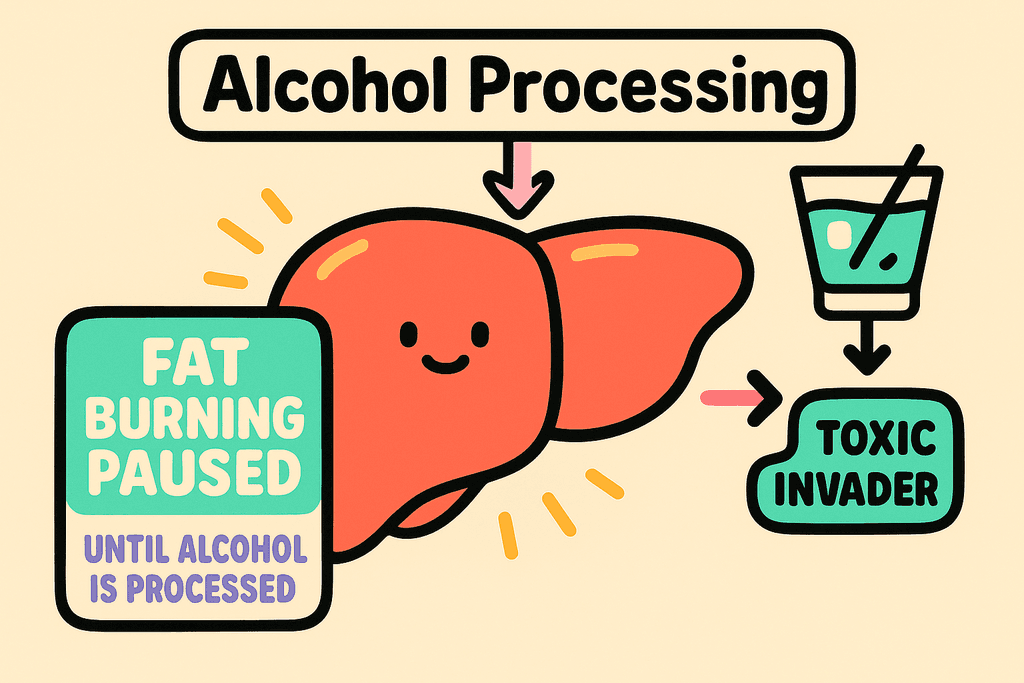
Your body treats alcohol like a toxic invader that needs to be dealt with immediately. The moment you take that first sip, your liver drops everything else it's doing and focuses on breaking down the alcohol. This means all the fat burning you had going on basically hits the pause button. Your body won't go back to burning fat for energy until every last drop of alcohol is processed and out of your system.
The Calorie Problem Nobody Talks About
Here's something that catches most people off guard. Alcohol packs 7 calories per gram, which sits right between carbs and protein at 4 calories per gram, and fat at 9 calories per gram. That's almost double what you get from carbs or protein. And unlike those nutrients, alcohol gives your body zero nutritional value.
The tricky part is that these calories add up fast because they're invisible. When you're tracking your food intake with apps like MyFitnessPal or even voice-logging with MyFoodBuddy, it's easy to remember the burger and fries. But that third beer? It sneaks right past your mental calorie counter.
How Different Drinks Stack Up
Not all drinks hit your calorie budget the same way. A shot of vodka and a frozen margarita might both get you tipsy, but one could cost you three times the calories. Here's what you're really drinking when you order at the bar.
| Drink Type | Serving Size | Calories | Carbs (g) |
|---|---|---|---|
| Light Beer | 12 oz | 100 | 5 |
| Regular Beer | 12 oz | 150 | 13 |
| Red Wine | 5 oz | 125 | 4 |
| White Wine | 5 oz | 120 | 4 |
| Vodka Soda | 8 oz | 100 | 0 |
| Margarita | 8 oz | 280 | 36 |
| Piña Colada | 9 oz | 490 | 64 |
| Whiskey (neat) | 1.5 oz | 105 | 0 |
The Midnight Snack Effect
The calories in your glass are only part of the story. Alcohol messes with the part of your brain that usually tells you when to stop eating. That's why pizza at 2 AM sounds like the best idea ever after a few drinks.
Your inhibitions drop, your judgment gets fuzzy, and suddenly you're eating things you'd never touch when sober. Studies show people eat an extra 300 to 500 calories on average when they drink alcohol. Those late-night food choices can wreck your progress faster than the drinks themselves. When you're trying to drink alcohol and still lose fat, understanding this double-hit of calories becomes super important for staying on track.
Choose Your Drinks Wisely
A single margarita can pack more calories than a Big Mac, which catches most people off guard when they're trying to lose fat. The difference between ordering a vodka soda and a piña colada could mean the difference between staying in your calorie budget or blowing it completely. Not all drinks are created equal, and knowing which ones to reach for makes all the difference when you're trying to drink alcohol and still lose fat.
Clear spirits mixed with zero-calorie options are your best friends when you want to keep things light. Vodka, gin, tequila, and rum all clock in at around 97 calories per 1.5-ounce shot. Mix them with soda water, diet tonic, or a squeeze of lime, and you've got yourself a drink that won't derail your progress.
| Drink Type | Calories | Better Alternative | Calories Saved |
|---|---|---|---|
| Piña Colada | 490 | Rum & Diet Coke | 390 |
| Margarita | 280 | Tequila Soda Lime | 180 |
| Regular Beer | 150 | Light Beer | 50 |
| White Russian | 380 | Vodka Soda | 280 |
Beer drinkers need to pay attention because those calories add up fast. A regular beer has about 150 calories, but craft beers and IPAs can easily hit 200 to 250 calories per bottle. Light beers sit around 100 calories, which makes them a smarter choice if you're planning to have more than one.
Wine falls somewhere in the middle with about 120 to 130 calories per 5-ounce glass. Red and white wines are pretty similar calorie-wise, so pick whichever you enjoy more. Just watch your pour size because most people pour way more than 5 ounces at home.
- Vodka soda with lime: 100 calories
- Gin and diet tonic: 100 calories
- Tequila with soda water: 97 calories
- Light beer: 100 calories
- Dry wine (5 oz): 120 calories
The worst offenders are frozen drinks, creamy cocktails, and anything with juice or regular soda. A Long Island Iced Tea can hit 780 calories. Sugary mixers are where most people get into trouble without even realizing it. That's why asking for diet versions or skipping the mixer altogether saves you hundreds of calories per night out.
Track Your Drinks Like You Track Your Food
Most people who track their meals religiously somehow forget to log their drinks, which is like trying to balance your checkbook while ignoring half your purchases. Studies show that people underestimate their liquid calorie intake by about 50 percent on average. Those three beers you had at happy hour could be 450 calories that never made it into your tracker, and that's enough to wipe out your entire calorie deficit for the day.
Alcohol calories count exactly the same as food calories when it comes to fat loss. Your body doesn't care whether those 500 calories came from pizza or piña coladas. The scale only responds to your total intake versus what you burn.
Logging drinks accurately means being honest about serving sizes and not rounding down. That glass of wine you poured at home was probably closer to 8 ounces than 5. Restaurant pours are often generous too, especially at places that don't measure. When in doubt, overestimate rather than underestimate.
- Log your drinks immediately after ordering, not the next morning
- Count every drink, including the one you "just had a sip of"
- Include mixers and garnishes in your count
- Be honest about pour sizes, especially at home
- Set aside calories for drinking before you go out
MyFoodBuddy makes this whole process way easier because you can just say "two vodka sodas and a light beer" and it logs everything for you. No need to search through databases or do mental math while you're trying to enjoy yourself. The voice logging feature means you can track in seconds, even when you're out with friends.
Planning ahead is the real secret to making this work. If you know you're going out Friday night, you can look at your week and decide where those drink calories fit best. Maybe you save 200 calories each day Monday through Thursday, giving you an extra 800 calories for Friday. That's about six light beers or five glasses of wine without going over your weekly target.
Plan Ahead for Drinking Days
Walking into a night of drinking without a plan is like going to the grocery store hungry. You'll make decisions you regret later, and your calorie budget will pay the price. The good news is that a little bit of planning makes it totally possible to enjoy drinks without sabotaging your fat loss goals. You just need to think ahead about how you'll structure your day and what you'll eat before the first drink hits your lips.
Eating lighter earlier in the day creates room for drink calories without going over your total. This doesn't mean skipping meals entirely, which actually backfires. When you show up to the bar starving, you'll drink faster, get drunk quicker, and end up ordering nachos at midnight.
- Have a protein-heavy breakfast like eggs or Greek yogurt
- Keep lunch light but filling with lean protein and vegetables
- Drink plenty of water throughout the day
- Eat a small meal with protein before going out
- Decide on your drink limit before you leave home
Protein keeps you full with fewer calories, which is exactly what you want on drinking days. A chicken breast with vegetables for lunch gives you satisfaction without using up all your calories. Save your carbs and fats for later when you'll need those calories for drinks.
The biggest mistake people make is showing up to drink on an empty stomach. Yes, you'll get drunk faster, but you'll also make terrible food choices and feel awful the next day. Eating something with protein and a bit of fat before drinking slows down alcohol absorption and keeps you from getting sloppy drunk on two drinks.
| Time | What to Do | Why It Matters |
|---|---|---|
| Morning | High protein breakfast | Keeps you full longer |
| Afternoon | Light lunch, lots of water | Saves calories for later |
| Before going out | Small protein-rich meal | Slows alcohol absorption |
| While drinking | Alternate with water | Reduces total intake |
Alternating alcoholic drinks with water is the oldest trick in the book because it actually works. Order a vodka soda, then a regular soda water with lime. You'll drink half as much alcohol, save hundreds of calories, and feel way better the next morning. Plus, bartenders can't tell the difference, so nobody gives you grief about it.
Having a specific number in mind before you go out helps too. Decide you're having three drinks and stick to it. Once you're past that point, switch to water or diet soda. Your future self will thank you when you wake up without a hangover and still on track with your goals. If you want more tips on managing your nutrition while enjoying life, check out our guide on achieving balanced meals without the hassle.
The Real Impact on Your Progress
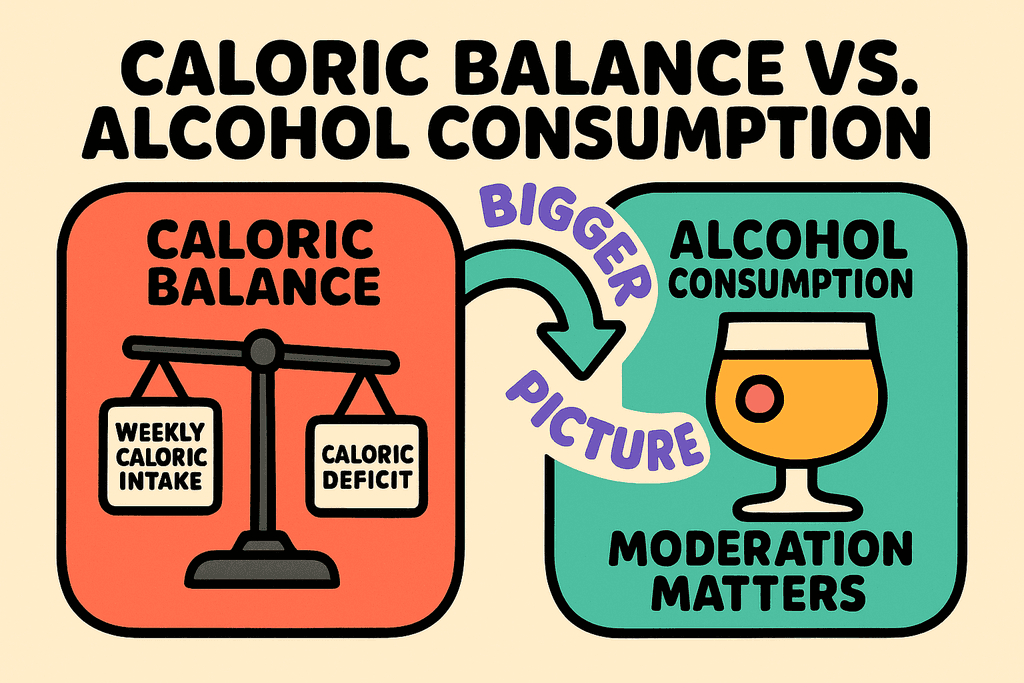
Here's what most people get wrong about alcohol and fat loss: they think one night out completely destroys weeks of progress. The truth is way more nuanced than that. Your body doesn't suddenly stop burning fat because you had a few drinks on Saturday night. What actually matters is the bigger picture of your weekly calorie balance and how consistently you're creating that deficit needed for fat loss.
Let's break down what really happens when you drink alcohol and still lose fat. A single night of drinking adds extra calories, but your body gets right back to normal fat burning within 24-48 hours. The problem starts when drinking becomes a regular pattern that consistently pushes you out of your calorie deficit.
How One Night Affects Your Week
Say you're aiming for a 500 calorie daily deficit to lose about one pound per week. That's 3,500 calories of deficit over seven days. If you have a night out with 800 extra calories from drinks and drunk snacks, you've eaten into your weekly deficit by about 23%. You'll still lose fat that week, just slightly less.
- One heavy drinking night per week: Still allows for 0.7-0.8 lbs fat loss
- Two moderate drinking nights: Reduces progress to 0.5-0.6 lbs per week
- Three or more nights: Progress stalls or reverses completely
This is where tracking becomes essential. Apps like MyFoodBuddy make it dead simple to log those drinks by just saying what you had, so you can see exactly how alcohol fits into your weekly numbers without the hassle of manual entry that other trackers require.
The 80/20 Rule for Drinking
If you're hitting your calorie and nutrition goals 80% of the time, the other 20% won't wreck your progress. That works out to about one or two nights per week where you can enjoy drinks without obsessing over every calorie. The key is making sure those drinking occasions don't turn into three-day eating and drinking marathons.
| Drinking Frequency | Weekly Deficit Impact | Expected Progress |
|---|---|---|
| Once per week | 15-25% reduction | Still good |
| Twice per week | 30-50% reduction | Slower but steady |
| 3+ times per week | 60-100% reduction | Minimal to none |
Signs Drinking Is Holding You Back
Most people don't realize their drinking habits are the problem because they're not tracking consistently. When you look at your data over a few weeks, patterns become obvious.
- Your weight stays the same despite eating well during the week
- You're drinking more than two nights per week regularly
- Weekend drinking leads to overeating for 1-2 days after
- You can't remember exactly how much you drank last weekend
The honest answer is that consistent heavy drinking and fat loss don't mix well, but occasional drinking absolutely can fit into a successful fat loss plan. You just need to be realistic about the trade-offs and track your intake so you know where you actually stand each week.
Your Fat Loss Journey Doesn't Require Sobriety
The whole point of learning how to drink alcohol and still lose fat comes down to one simple truth: your body doesn't care if you're perfect, it just cares about the math. When you understand that calories from alcohol count the same as calories from food, you can make smarter choices without giving up your social life. The difference between someone who succeeds and someone who quits often comes down to whether they can track what they're actually consuming.
Smart drink choices matter more than most people think. A vodka soda has way fewer calories than a margarita, and knowing that ahead of time means you can plan your day around it. The problem is that most people don't track their drinks at all, which is where things fall apart.
That's where something like MyFoodBuddy comes in handy. You can just say "two gin and tonics" and it calculates everything for you in seconds. No searching through databases or guessing at portion sizes. If you're serious about tracking your drinks without the hassle, voice logging makes it actually doable when you're out with friends.
The bottom line is that fat loss doesn't require you to become a hermit who never goes out. It just requires you to stay aware of what you're putting in your body, even when that includes alcohol. Once you figure out how to balance your calories across the week, you'll realize that having a few drinks on Saturday doesn't ruin anything.
Common Questions About Drinking and Fat Loss
You've probably heard a million different things about alcohol and weight loss, and honestly, most of it is confusing. Some people say one drink will ruin everything, while others claim you can drink whatever you want as long as it fits your calories. The truth sits somewhere in the middle, and understanding the basics can help you make smarter choices without giving up your social life completely.
Does alcohol turn directly into fat?
Not exactly, but it's complicated. Your body treats alcohol as a toxin and prioritizes burning it off before anything else, which means the food you eat alongside those drinks is more likely to get stored as fat. Alcohol itself has 7 calories per gram, which is almost as much as pure fat, so those calories add up fast even if they don't directly convert to body fat.
How many drinks can I have per week and still lose fat?
Most people can handle 3-4 drinks per week and still see fat loss progress, as long as they're accounting for those calories in their overall budget. The key is consistency with your calorie deficit throughout the week, not just on drinking days. If you're using an app like MyFoodBuddy, you can quickly log your drinks by just saying what you had, and it'll calculate everything for you without the hassle of searching through databases like you'd have to do with other tracking apps.
Is it better to drink on workout days or rest days?
Rest days are generally better because alcohol can interfere with muscle recovery and protein synthesis for up to 24 hours after drinking. If you do drink on a workout day, try to wait at least a few hours after your session and make sure you've eaten enough protein first.
Will alcohol affect my muscle gains?
Yes, but the impact depends on how much and how often you drink. One or two drinks occasionally won't destroy your progress, but regular heavy drinking can significantly reduce muscle protein synthesis and increase cortisol levels. Your best bet is keeping it moderate and spacing out drinking sessions so your body has time to recover properly.
What should I eat when drinking to minimize damage?
Focus on lean protein and vegetables rather than carbs and fats when you know you'll be drinking. Since your body stops burning fat while it processes alcohol, eating high-fat foods like wings or pizza means those calories are almost guaranteed to get stored. Grilled chicken, shrimp, or a salad with light dressing are much smarter choices that won't wreck your progress.
How do I track mixed drinks with unknown ingredients?
This is where most people give up on tracking entirely, but it doesn't have to be complicated. You can estimate by describing what you see or taste, like "vodka cranberry with lime" or "whiskey sour," and apps with voice logging make this super easy. MyFoodBuddy lets you just say what you drank in plain language, and the AI figures out the nutritional breakdown using its database, which beats spending five minutes trying to build a custom recipe in traditional calorie trackers.
Ready to start tracking smarter?
Download MyFoodBuddy and start tracking your calories by just saying what you ate. No more searching databases or guessing portions.
Get started