
Calories in Hamburger and Fries vs McChicken
Compare calories in hamburger and fries vs McChicken. Get the full nutritional breakdown to make smarter fast food choices for your goals.
You grab a quick lunch at McDonald's and think you're making a decent choice, but that hamburger and fries combo might pack nearly 800 calories while the McChicken sits at around 400. Most people guess wrong when estimating calories in hamburger and fries, often underestimating by hundreds of calories, which can derail your daily nutrition goals without you even realizing it. Understanding the real numbers behind these popular menu items helps you make smarter choices that actually fit your calorie budget.
Table of Contents
Breaking Down the Numbers
Most people think a hamburger and fries is the heavier meal compared to a chicken sandwich, but the actual numbers tell a different story. When you're trying to track what you eat, knowing the real calorie counts can make or break your daily goals. The difference between these two popular McDonald's meals might surprise you, and understanding these numbers helps you make better choices without giving up the foods you enjoy.
The Hamburger and Fries Combo
A standard McDonald's hamburger sits at around 250 calories on its own. That's actually pretty reasonable for a full sandwich. But here's where things get tricky with this combo.
When you add medium fries to your order, you're looking at an extra 320 to 380 calories depending on the serving size. That brings your total meal to somewhere between 570 and 630 calories before you even think about a drink or sauce.
- Hamburger alone: 250 calories
- Medium fries: 320-380 calories
- Total combo: 570-630 calories
- Sodium content: Over 800mg combined
- Fat content: Around 25-30g total
The McChicken Breakdown
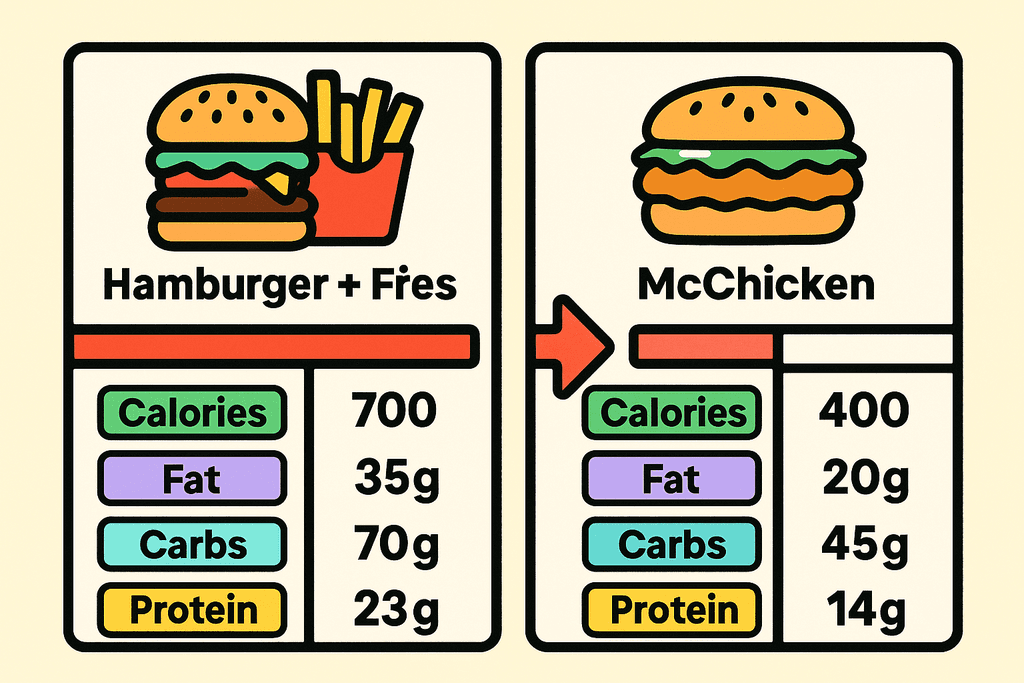
The McChicken sandwich comes in at approximately 400 calories total. That's it. No sides needed to make it a filling meal, and you're still under the calorie count of the hamburger and fries combo.
The protein content in a McChicken is actually higher than a regular hamburger too. You get about 14 grams of protein compared to the hamburger's 12 grams, which helps you feel full longer.
- Total calories: 400
- Protein: 14g
- Fat: 21g
- Sodium: 560mg
- Carbohydrates: 39g
Comparing the Full Picture
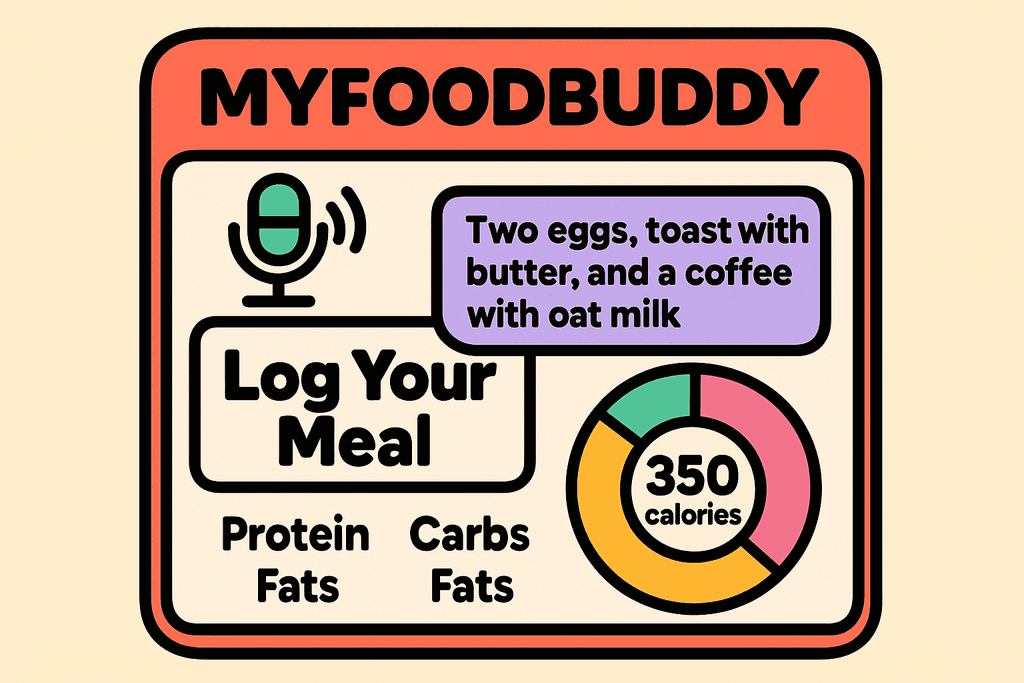
Looking at just calories doesn't tell the whole story. The sodium levels, fat types, and protein amounts all matter when you're tracking your nutrition. Apps like MyFoodBuddy make logging these meals super easy since you can just say what you ate instead of manually entering every number.
| Meal | Calories | Protein | Fat | Sodium |
|---|---|---|---|---|
| Hamburger + Fries | 570-630 | 15g | 25-30g | 800mg+ |
| McChicken | 400 | 14g | 21g | 560mg |
The McChicken saves you between 170 and 230 calories compared to the combo meal. That's enough of a difference to matter over time, especially if you're eating fast food a few times a week.
What's Really in Your Hamburger and Fries
A typical hamburger and fries combo from McDonald's packs between 570 to 630 calories depending on whether you go for a small or medium fry. That might not sound too bad at first, but the real story is in what makes up those calories. The fries alone contribute most of the carbs and fat, while the hamburger brings in some protein but not as much as you'd think. When you break down the numbers, you start to see why this classic combo can throw off your daily nutrition goals faster than you realize.
The carbohydrate content sits somewhere between 40 to 50 grams, with the fries being the main culprit. Those golden, crispy potatoes are basically pure starch that gets absorbed quickly into your bloodstream. The hamburger bun adds another layer of carbs, but it's really the fries that dominate this category.
- Total calories: 570-630 depending on fry size
- Carbohydrates: 40-50g (mostly from fries)
- Protein: 15-20g (moderate amount)
- Fat: 15-20g (primarily from fries)
- Sodium: Over 800mg in one meal
- Fiber: Minimal, around 3-4g
The sodium levels are where things get concerning. With over 800 milligrams of sodium, you're looking at about a third of your recommended daily intake in just one meal. That's a lot of salt, and it comes from both the fries and the burger patty seasoning. If you're watching your blood pressure or trying to reduce water retention, this combo can set you back.
Fat content hovers around 15 to 20 grams, and most of it comes from the cooking oil used for the fries. The burger patty itself is relatively lean, but when you add everything together, you're getting a decent chunk of your daily fat allowance. The problem is that there's not much nutritional value beyond the basic macros. You won't find many vitamins or minerals here, and the fiber content is pretty disappointing for the calorie cost.
The McChicken Nutritional Profile
The McChicken comes in at a cleaner 400 calories for the whole sandwich, which is actually less than the hamburger and fries combo. But calories aren't the whole story here. What makes the McChicken interesting is how those calories are distributed across the different macronutrients. The sandwich gives you a more balanced meal in some ways, though it comes with its own set of nutritional quirks that you should know about before making it your go-to order.
Protein sits at around 14 to 15 grams, which is comparable to the hamburger alone. The breaded chicken patty provides decent protein, though it's not as much as you'd get from a grilled chicken option. The carbohydrates clock in at 38 to 40 grams, mostly from the bun, with some contribution from the breading on the chicken.
| Nutrient | Amount |
|---|---|
| Calories | 400 |
| Protein | 14-15g |
| Carbohydrates | 38-40g |
| Fat | 21g |
| Sodium | 560mg |
The fat content is higher than you might expect at around 21 grams. This comes from two main sources: the breading on the chicken that's been fried, and the mayonnaise spread on the bun. That mayo adds a surprising amount of fat and calories for such a small amount. The sodium level is about 560 milligrams, which is lower than the hamburger and fries combo but still significant.
What's interesting about the McChicken is that it has a more balanced macronutrient ratio compared to meals heavy on fries. You're getting protein, carbs, and fat in proportions that won't spike your blood sugar as dramatically. When you're tracking your meals with something like MyFoodBuddy, you can just say "one McChicken" and the app calculates everything for you in seconds.
Which Option Fits Your Daily Goals
The choice between these two meals really depends on what you're trying to accomplish with your diet. If you're on a 1,500 calorie daily budget, that hamburger and fries combo uses up about 40% of your entire day's worth of calories in one sitting. That doesn't leave much room for breakfast, dinner, and snacks. The McChicken, on the other hand, only takes up about 27% of a 1,500 calorie budget, giving you more flexibility for other meals throughout the day.
For someone eating 2,000 calories per day, the math changes a bit. The hamburger and fries now represents about 30% of your daily intake, while the McChicken drops to just 20%. That's a significant difference when you're trying to spread your calories across three meals and maybe a snack or two.
Pros and Cons for Different Goals
For Weight Loss:
What's Really in Your Hamburger and Fries
- McChicken wins with fewer calories and better portion control
- Hamburger and fries can fit if you plan the rest of your day carefully
- Both options require tracking to stay on target
For Protein Goals:
- Both provide similar protein amounts (14-20g)
- Neither is a high-protein option compared to other fast food choices
- You'll need additional protein sources throughout the day
Sodium is another factor that matters more than people realize. If you're watching your salt intake for health reasons, the hamburger and fries combo with its 800+ milligrams might be too much. The McChicken's 560 milligrams is better but still substantial. Some people retain water easily from sodium, which can mask fat loss on the scale even when you're doing everything else right.
You can modify either meal to better fit your goals. Skip the fries and add a side salad to the hamburger. Hold the mayo on the McChicken to cut about 40 calories and 4 grams of fat. These small changes add up, but they're hard to track accurately unless you're using a tool that does the math for you. That's where apps like MyFoodBuddy come in handy, letting you log modifications with simple voice commands instead of manually calculating every change.
The real challenge isn't knowing the calories in hamburger and fries or McChicken calories. It's consistently tracking them day after day without getting frustrated. Traditional calorie counting apps make you search through databases and create custom meals, which takes forever. When tracking becomes a hassle, people stop doing it. If you want to learn more about making calorie tracking easier, check out our guide on calorie counting made simple at fast food restaurants or explore how voice technology makes calorie counting effortless.
Making Smarter Fast Food Choices
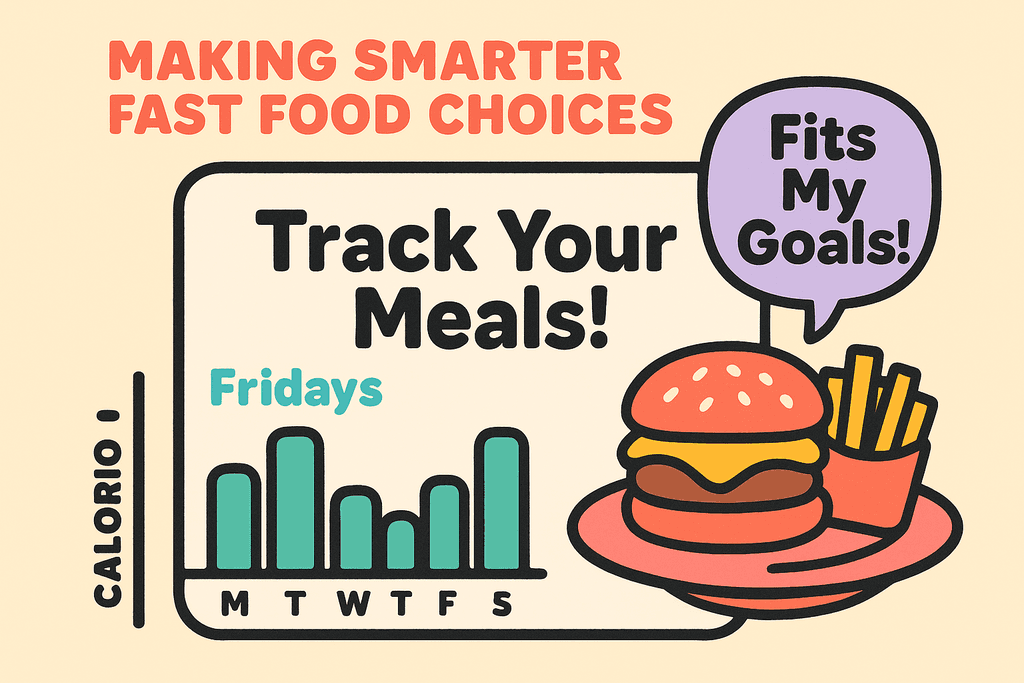
The real question isn't whether hamburger and fries or a McChicken is "better" for you. Both can fit into a healthy eating pattern when you understand what you're actually consuming. The problem most people face is that they grab fast food without thinking about how it fits into their daily nutrition goals. When you start tracking your meals, you'll notice patterns you never saw before. Maybe you're consistently going over your calorie target on Fridays, or perhaps you're not getting enough protein throughout the day. Context matters more than any single meal choice.
Traditional calorie tracking apps make this process feel like homework. You have to search through databases, measure portions, and spend several minutes just to log one meal. That's why most people give up after a few days.
Why Tracking Reveals the Truth
When you actually log your meals consistently, you start seeing where your calories really come from. That McChicken might seem like the lighter choice, but if you're pairing it with a large fries and soda, you're looking at a very different nutritional picture. The same goes for a hamburger and fries combo.
- Small swaps like choosing water instead of soda can save 200+ calories
- Skipping mayo or special sauce cuts another 100 calories without changing the meal much
- Choosing a small fries instead of medium saves about 100 calories
- Adding a side salad increases your vegetable intake without many extra calories
Apps like MyFoodBuddy make tracking these choices much simpler. Instead of searching through endless food databases, you just say "McChicken with medium fries and a Coke" and the app figures out the rest using AI and USDA data.
Consistency Beats Perfection
The people who succeed with their health goals aren't the ones who eat perfectly. They're the ones who track consistently and make small adjustments over time. You don't need to avoid fast food completely or stress about every calorie.
- Tracking for just one week shows you your actual eating patterns
- Seeing your full nutritional breakdown helps you spot deficiencies in protein or vitamins
- Understanding your calorie intake makes it easier to plan the rest of your day
The key is making tracking so easy that you actually do it. When logging a meal takes 5 seconds instead of 5 minutes, you're way more likely to stick with it long enough to see real results.
Quick Tips for Better Fast Food Choices While Tracking
- Log your meal before you eat it to see if it fits your daily goals
- Choose grilled options over fried when available to save 100-200 calories
- Skip the combo and build your own meal to control portions
- Use voice logging to track your meal in seconds while you're still at the restaurant
- Check your protein intake to make sure you're hitting your targets
- Look at sodium levels if you're tracking micronutrients, not just calories
- Plan your other meals around your fast food choice to stay balanced
Seeing the full nutritional picture matters way more than just counting calories. You might hit your calorie goal but miss your protein target, or you could be low on important vitamins. That's why tracking tools that show you more than just calories help you make actually informed decisions about what to eat next time you're at the drive-through.
Your Fast Food, Your Choice
So here's what we learned about calories in hamburger and fries versus mcchicken calories. The burger and fries combo gives you more calories overall, usually landing somewhere between 800-1000 calories depending on the size. The McChicken sits around 400 calories on its own, making it the lighter pick if you're watching your numbers. But here's the thing that matters most: neither option is off-limits if you're tracking what you eat.
The real difference comes down to what you're hungry for and what fits your day. Want variety and don't mind the extra calories? The hamburger and fries combo gives you that mix of protein, carbs, and yes, those crispy fries. Need something simpler that leaves room for other meals? The McChicken works just fine.
Tracking used to mean pulling out your phone, searching through databases, and guessing portion sizes for ten minutes. MyFoodBuddy changed that by letting you just say what you ate. "Had a Big Mac and medium fries" takes about three seconds to log. The app figures out the rest using AI and actual nutrition data.
The best choice is the one you can stick with long-term. If you know what you're eating and how it fits your goals, you can enjoy fast food without the guilt or confusion. Knowledge beats restriction every single time. Whether you're trying to maintain a calorie deficit or just want to understand your eating patterns better, having the right information makes all the difference.
Common Questions About Fast Food Calories
Fast food nutrition can be confusing, especially when you're trying to make better choices or track what you eat. These questions come up all the time when people are comparing options like hamburgers with fries versus a McChicken. Here's what you need to know to make smarter decisions at the drive-through.
How many calories are in a hamburger and medium fries?
A standard McDonald's hamburger has about 250 calories, and a medium fries adds another 320 calories, bringing your total to around 570 calories. That's nearly a third of what most people should eat in a day. The fries alone pack more calories than the burger itself, which surprises a lot of people.
Is McChicken healthier than a hamburger?
A McChicken has about 400 calories on its own, which is 150 more than a regular hamburger but still less than a hamburger and fries combined. The McChicken has more fat and sodium though, so "healthier" really depends on what you're watching. If you're just counting calories, the plain hamburger wins, but if you want more protein, the McChicken might be better.
Can I eat fast food and still lose weight?
Yes, you absolutely can eat fast food and lose weight as long as you stay within your calorie goals for the day. The key is tracking what you eat accurately and making sure you're in a calorie deficit. Apps like MyFoodBuddy make this super easy since you can just say "I had a McChicken and medium fries" and it calculates everything for you automatically.
How do I track fast food meals accurately?
The easiest way is to use voice or text logging instead of searching through endless food databases. With MyFoodBuddy, you can simply speak what you ate and the app pulls the nutritional data for you. This beats spending five minutes on traditional apps trying to find the exact menu item and portion size.
What's the best McDonald's option for low calories?
The regular hamburger at 250 calories is one of the lowest-calorie sandwich options at McDonald's. A 6-piece Chicken McNuggets is also around 250 calories. If you skip the fries and get a side salad or apple slices instead, you can keep your whole meal under 400 calories pretty easily.
Does the size of fries make a big difference in calories?
The difference is huge actually. Small fries have about 230 calories, medium has 320, and large has 480 calories. Going from small to large fries adds 250 extra calories, which is the same as eating an entire extra hamburger. That's why paying attention to portion sizes matters just as much as what you order.
Ready to start tracking smarter?
Download MyFoodBuddy and start tracking your calories by just saying what you ate. No more searching databases or guessing portions.
Get started