
Calories in Hamburger and Fries vs 10 McNuggets
Compare calories in hamburger and fries vs 10 McNuggets. Discover which fast food meal fits your goals and how to track them effortlessly.
The Fast Food Calorie Showdown
You're standing at the counter trying to decide between a hamburger with fries or 10 McNuggets, thinking they're probably about the same calorie-wise. Most people guess wrong by hundreds of calories when it comes to calories in hamburger and fries versus nuggets, which can completely derail your daily nutrition goals. Whether you're tracking with MyFoodBuddy or just trying to make smarter choices, knowing the real numbers behind these popular fast food picks makes all the difference.
Table of Contents
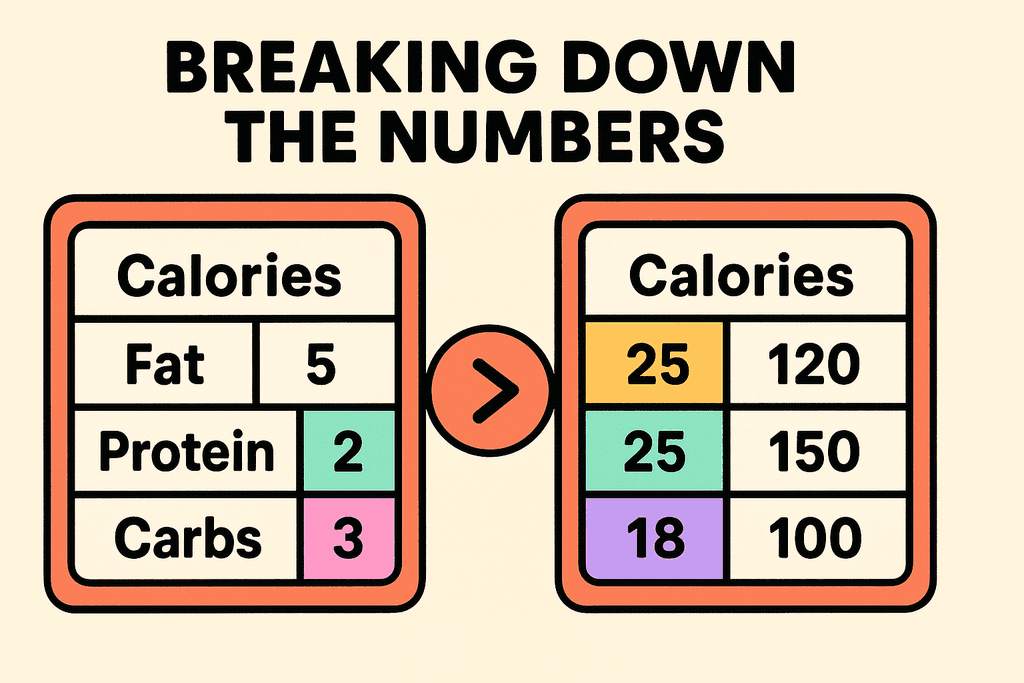
Breaking Down the Numbers
A typical fast food run can pack anywhere from 800 to 1,500 calories depending on what you order. When you're trying to track what you eat, knowing the exact numbers matters more than you might think. The difference between a hamburger with fries and 10 McNuggets might surprise you, especially when you factor in the sauces and portion sizes that change from restaurant to restaurant.
Hamburger and Fries Calorie Breakdown
Most fast food hamburgers aren't created equal. A basic hamburger from McDonald's has about 250 calories, while a Burger King hamburger sits at 240 calories. Add a medium fries to that order and you're looking at another 320-380 calories depending on where you go.
| Restaurant | Hamburger Calories | Medium Fries Calories | Total Calories |
|---|---|---|---|
| McDonald's | 250 | 320 | 570 |
| Burger King | 240 | 380 | 620 |
| Wendy's | 250 | 350 | 600 |
| Five Guys | 480 | 526 | 1,006 |
The protein content in a basic hamburger ranges from 12-15 grams, while the fries add almost no protein at all. You're getting mostly carbs and fat from the fries, which is why the total nutritional profile looks pretty unbalanced when you break it down.
McNuggets Nutritional Data
Ten McNuggets from McDonald's contain 420 calories on their own. That's before you dip them in any sauce, which can add another 25-110 calories depending on your choice. BBQ sauce adds 50 calories, while the Signature Sauce packs 110 calories per container.
| Item | Calories | Protein (g) | Fat (g) | Carbs (g) |
|---|---|---|---|---|
| 10 McNuggets | 420 | 24 | 25 | 26 |
| BBQ Sauce | 50 | 0 | 0 | 12 |
| Ranch Sauce | 110 | 0 | 11 | 2 |
| Sweet & Sour | 50 | 0 | 0 | 12 |
The McNuggets actually deliver more protein than a hamburger and fries combo. With 24 grams of protein, they're a better choice if you're watching your macros.
Portion Sizes Matter
Here's where things get tricky with tracking calories in hamburger and fries versus other options. A "medium" fries at one restaurant might be completely different from another. McDonald's medium fries weigh 111 grams, but some local burger joints serve portions that are 50% larger without telling you.
- Small fries typically range from 200-250 calories
- Medium fries clock in at 320-380 calories
- Large fries can hit 480-510 calories
- Super-sized portions reach 600+ calories
Apps like MyFoodBuddy make tracking these differences easier since you can just say what you ate and the AI figures out the nutritional breakdown for you. No more guessing if your fries were closer to a medium or large, or manually searching through databases to find the right entry. The voice logging feature means you can track your 10 mcnuggets calories and everything else in seconds instead of spending minutes hunting through menus.
When you compare the full nutritional profiles side by side, the choice becomes clearer. But calories are just one piece of the puzzle.
What's Really in Your Hamburger and Fries
Most people think they know what they're getting when they order a burger and fries, but the actual calorie count might surprise you. A standard hamburger patty with a bun typically contains between 250 to 350 calories, depending on the size and how it's prepared. That's just the base though, and things get complicated fast when you start adding toppings and condiments. The real calorie bomb comes from those crispy fries sitting next to your burger, which pack anywhere from 300 to 400 calories for a medium serving.
The cooking method makes a huge difference in your final calorie count. Burgers cooked on a flat-top grill absorb more oil than flame-grilled ones, adding an extra 50 to 100 calories you might not account for. Fast food chains also vary wildly in their preparation methods and portion sizes.
- A McDonald's hamburger has about 250 calories
- Burger King's version comes in at 260 calories
- Wendy's Jr. Hamburger contains 250 calories
- Five Guys' regular hamburger jumps to 480 calories
The condiments and toppings are where things get sneaky. A slice of cheese adds 50 calories, mayo contributes another 90, and special sauces can tack on anywhere from 50 to 150 extra calories. Bacon, avocado, and extra patties can push a simple burger past 800 calories before you even touch those fries.
When you combine everything together, a typical hamburger and fries meal lands somewhere between 550 and 750 calories. That's assuming you're getting a basic burger with standard toppings and a medium fry. Upgrade to a large fry or add bacon and cheese, and you're easily looking at 900 to 1,000 calories for one meal.
The Truth About 10 McNuggets Calories
Ten McNuggets contain approximately 420 to 440 calories, which might seem like a lot at first glance. But when you break down the nutritional profile, things get more interesting than you'd expect. These little chicken pieces actually pack about 24 grams of protein, which is more than most people realize. The sodium content sits around 900 milligrams, which is definitely something to watch if you're monitoring your salt intake.
The dipping sauces are where your calorie count can spiral out of control. Most people don't think twice about grabbing two or three sauce packets, but each one adds significant calories to your meal.
| Sauce Type | Calories | Fat (g) |
|---|---|---|
| Sweet and Sour | 50 | 0 |
| BBQ | 45 | 0 |
| Ranch | 110 | 12 |
| Honey Mustard | 60 | 5 |
| Buffalo | 25 | 2 |
The protein-to-calorie ratio in McNuggets is actually better than you might think. With 24 grams of protein in 440 calories, you're getting about 5.5% protein per calorie, which isn't bad for fast food. Compare that to a burger and fries combo where you might get 20 grams of protein in 700 calories, and the nuggets start looking more appealing for certain goals.
If you're tracking your meals, logging "10 McNuggets with ranch sauce" takes seconds with voice-powered apps. You don't need to manually calculate each sauce packet or worry about portion sizes, which makes staying on track way easier than traditional calorie counting methods.
Making Smarter Fast Food Choices
Choosing between a burger and fries versus 10 McNuggets really depends on what you're trying to accomplish with your diet. If you're focused on building muscle or hitting protein goals, the nuggets give you more protein for fewer calories. But if you're just looking for something filling and don't mind the extra calories, the burger and fries combo might satisfy you more. The key is understanding what your body needs and making choices that align with those goals, not just picking whatever sounds good in the moment.
For weight loss, the nuggets with a low-calorie sauce like sweet and sour or BBQ will save you about 200 to 300 calories compared to the full burger and fries meal. That difference adds up quickly over a week or month of eating.
Simple swaps that cut calories without sacrificing satisfaction:- Skip the fries and get a side salad (saves 250-350 calories)
- Choose grilled nuggets instead of fried (saves about 100 calories)
- Use mustard or ketchup instead of mayo-based sauces (saves 60-90 calories)
- Order a small fry instead of medium (saves 100-150 calories)
- Skip the cheese on your burger (saves 50 calories)
The burger and fries combo works better if you're eating fewer meals throughout the day or need something more substantial. The higher fat content keeps you full longer, which might prevent snacking later. McNuggets digest faster and might leave you hungry sooner, but they're perfect if you're eating multiple smaller meals.
Tracking these meals doesn't have to be complicated anymore. Instead of searching through databases or trying to remember every ingredient, you can just say what you ate and let the app handle the rest. Whether you grab a burger and fries or go with nuggets, keeping track of your calories in hamburger and fries or 10 mcnuggets calories becomes automatic. If you're curious about tracking other fast food meals easily, check out how to simplify calorie counting at In-N-Out Burger or learn more about tracking fast food calories with voice technology.
Why Tracking These Meals Matters
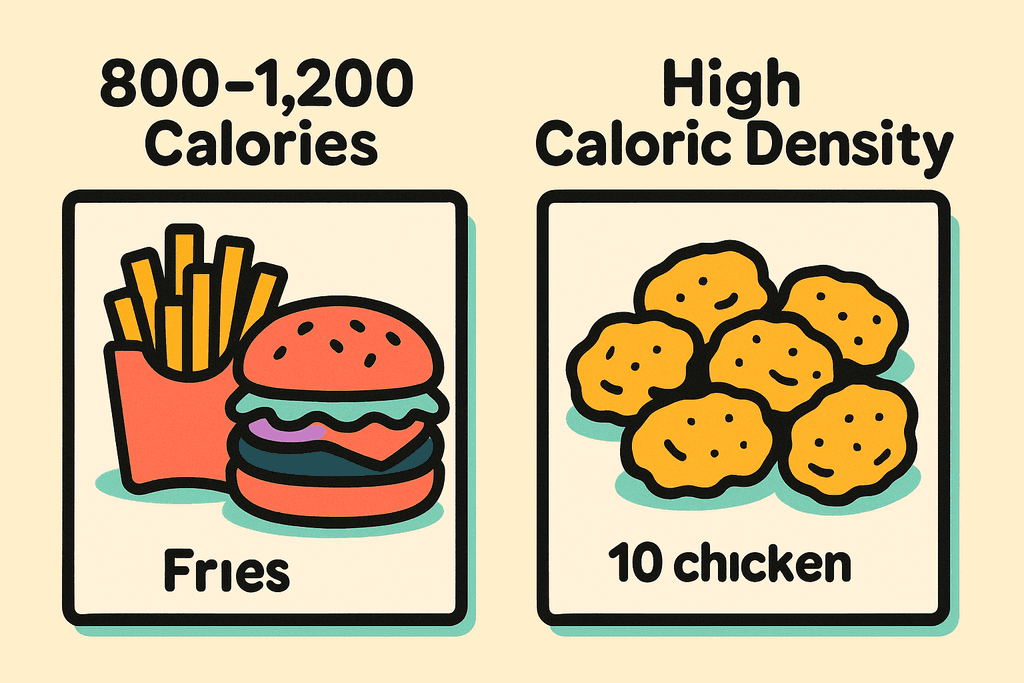
A single fast food meal can eat up anywhere from 40% to 70% of your daily calorie budget, depending on your goals. When you're looking at calories in hamburger and fries versus 10 mcnuggets calories, you're dealing with meals that can range from 800 to 1,200 calories in one sitting. That's a huge chunk of your day, especially if you're trying to lose weight on a 1,500 to 1,800 calorie target. Most people don't realize how quickly these numbers add up until they've been tracking for a few weeks and wonder why the scale isn't moving.
The Hidden Cost of Guessing
Studies show that people underestimate their calorie intake by an average of 20% to 40% when they don't track accurately. With fast food, that margin gets even worse because portion sizes vary and we tend to forget about the extras.
- Forgetting to count the sauce packets adds 50-100 calories you didn't account for
- Estimating fries as "medium" when you actually got a large costs you 200+ calories
- Not tracking your drink can hide another 150-300 calories from soda or sweet tea
- Over a week, these small mistakes compound into 1,000+ uncounted calories
That weekly error alone is enough to stall your weight loss completely. The difference between success and frustration often comes down to whether you're tracking what you actually ate or what you think you ate.
Why Traditional Tracking Fails at the Drive-Thru
Apps like MyFitnessPal require you to search through hundreds of entries, pick the right restaurant, find the exact item, and adjust serving sizes. When you're sitting in your car with a bag of food getting cold, that process takes forever and feels like homework.
- Searching for "McDonald's hamburger" returns 47 different entries with conflicting calorie counts
- You have to remember every component of your meal while navigating multiple screens
- The whole process takes 3-5 minutes when you just want to eat
This is where voice logging changes everything. With MyFoodBuddy, you just say "hamburger, medium fries, and 10 McNuggets from McDonald's" and the app handles the rest. No searching, no guessing, no multiple screens. The AI figures out the nutritional breakdown using USDA data while you're already eating.
Real Impact on Your Goals
When you track accurately, you make better decisions. Not perfect decisions, just better ones that add up over time.
| Tracking Method | Time Per Entry | Accuracy Rate |
|---|---|---|
| Manual search apps | 3-5 minutes | 60-70% |
| Voice logging | 10-15 seconds | 85-95% |
| Not tracking | 0 minutes | 40-60% |
The easier it is to log your meals, the more likely you are to actually do it. And consistency beats perfection every single time when it comes to reaching your weight loss or fitness goals.
Your Fast Food, Your Choice, Your Goals
So here's what we learned about calories in hamburger and fries versus 10 McNuggets. The burger and fries combo usually lands around 800-1000 calories depending on the size, while 10 McNuggets calories clock in at about 420-470 calories with sauce. That's a pretty big difference, but neither choice is wrong if it fits your daily goals.
The real problem isn't the food itself. It's the guesswork that comes with trying to track everything in your head. When you're standing at the counter trying to remember if you already hit your calorie limit for the day, that's when things get messy.
This is where MyFoodBuddy makes things easier. You just say what you ate and it does the math for you. No searching through databases or trying to figure out portion sizes. Just quick logging that actually works when you're busy.
The truth is, you can enjoy fast food and still hit your nutrition goals. You just need to know what you're eating and how it fits into your day. Whether you go for the burger or the nuggets next time, at least you'll know exactly what you're getting.
If you've been putting off tracking because it feels like too much work, maybe it's time to try a different approach. The easier you make tracking, the more likely you'll stick with it. And sticking with it is what actually gets results.
Common Questions About Fast Food Calories
Fast food calorie counts can be confusing, especially when you're trying to make better choices or track what you eat. These questions come up all the time when people are comparing their options at the drive-through. Here's what you actually need to know about those calories in hamburger and fries versus nuggets.
Are 10 McNuggets healthier than a burger and fries?
It depends on what you mean by healthier. The 10 McNuggets have fewer calories (around 410-440) compared to a burger and fries combo (which can hit 800-1000+ calories). But nuggets are higher in sodium and processed ingredients, while a burger gives you more protein and the fries add extra fat and carbs. Neither option is particularly nutritious, but if you're watching calories, the nuggets win.
How many calories are in a Big Mac and large fries?
A Big Mac has about 550 calories, and a large fries adds another 490 calories, bringing your total to roughly 1,040 calories. That's nearly half the daily calorie needs for many people in just one meal. Add a regular Coke and you're looking at another 220 calories on top of that.
Can I eat fast food and still lose weight?
Yes, you can eat fast food and lose weight as long as you stay within your calorie goals. Weight loss comes down to eating fewer calories than you burn, regardless of where those calories come from. The challenge is that fast food is calorie-dense and not very filling, so you might feel hungry again quickly. Tracking what you eat helps you stay on target without giving up the foods you enjoy.
What's the lowest calorie fast food meal?
Grilled chicken sandwiches without mayo, small burgers without cheese, and side salads are usually your best bets. Most chains offer options in the 300-500 calorie range if you skip the fries and sugary drinks. A 6-piece nugget with apple slices instead of fries keeps you around 400 calories total.
How do I track fast food without spending forever on it?
Traditional calorie tracking apps make you search through databases and manually enter every item, which gets old fast. With MyFoodBuddy, you can just say "Big Mac, large fries, and a Coke" and the app calculates everything for you using voice or text input. It takes seconds instead of minutes, which makes it way easier to actually stick with tracking.
Do all fast food chains have similar calorie counts?
Not really. A burger from one chain might have 100-200 more calories than a similar burger somewhere else depending on portion sizes, ingredients, and preparation methods. Fries vary even more based on serving size and oil used. That's why checking the actual numbers matters more than assuming all fast food is the same.
Ready to start tracking smarter?
Download MyFoodBuddy and start tracking your calories by just saying what you ate. No more searching databases or guessing portions.
Get started