Beat Sugar Addiction Without Withdrawals
Learn how to beat sugar addiction without painful withdrawals. Simple steps to reduce cravings, balance blood sugar, and track progress easily.
Your brain lights up when you eat sugar the same way it does for someone using cocaine, which explains why that afternoon candy bar feels less like a choice and more like a need. Most people try to quit cold turkey and end up miserable with headaches, mood swings, and intense cravings that send them right back to the cookie jar within days. The good news is you can beat sugar addiction without withdrawals by using a gradual approach that works with your body instead of against it.
Table of Contents
Understanding Your Sugar Habit
Your brain treats sugar almost exactly like it treats addictive drugs. When you eat something sweet, your brain releases a chemical called dopamine that makes you feel good. The more sugar you eat, the more your brain starts expecting that dopamine hit, and before you know it, you're craving sweets every afternoon at 3pm. This isn't a lack of willpower on your part. It's just basic brain chemistry doing what it's designed to do.
How Your Brain Gets Hooked
The dopamine response from sugar is real and measurable. Scientists have found that sugar activates the same reward centers in your brain as cocaine and other addictive substances. But here's the thing that makes it tricky to beat sugar addiction without withdrawals: your brain doesn't just want the sugar, it expects it.
When you suddenly cut out sugar, your dopamine levels drop. That's what causes the headaches, mood swings, and intense cravings that make most people give up on day three. The key to beating sugar addiction is understanding what's happening in your body so you can work with it, not against it.
- Sugar triggers dopamine release in your brain's reward center
- Regular sugar consumption creates a cycle of cravings and crashes
- Your brain builds tolerance, meaning you need more sugar to feel the same effect
- Sudden sugar removal causes withdrawal symptoms like headaches and irritability
Not All Sugars Are Created Equal
There's a huge difference between eating an apple and drinking a soda, even though both contain sugar. Natural sugars come packaged with fiber, vitamins, and minerals that slow down how fast the sugar hits your bloodstream. Added sugars, on the other hand, spike your blood sugar fast and crash it hard.
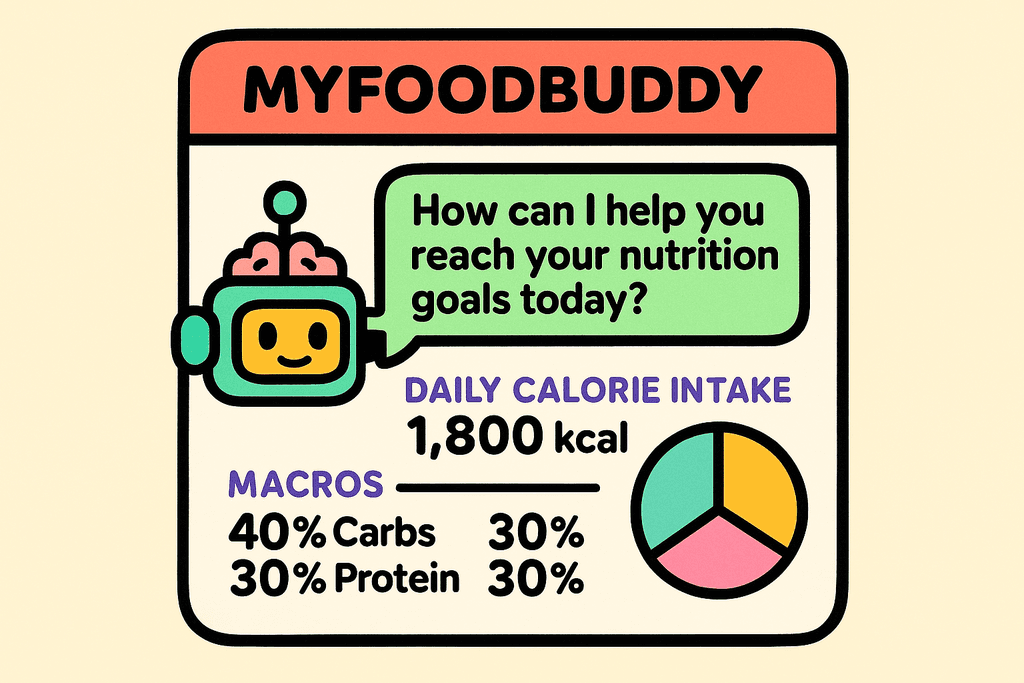
Most people don't realize how much added sugar they're actually eating. It hides in bread, salad dressing, yogurt, and even foods labeled "healthy." Tracking your actual sugar intake is the first real step to understanding your habit. Apps like MyFoodBuddy make this easier by letting you log meals with voice or text instead of manually searching databases like you'd have to do with traditional trackers.
- Natural sugars include those found in fruits, vegetables, and dairy
- Added sugars are put into foods during processing or preparation
- Fiber in whole foods slows sugar absorption and prevents spikes
- Added sugars provide calories without any nutritional benefits
The Numbers Don't Lie
The average American eats way more sugar than health experts recommend. Like, not even close. Check out how far off most people are from where they should be.
| Group | Recommended Daily Limit | Average Actual Intake |
|---|---|---|
| Adult Men | 36 grams (9 tsp) | 77 grams (19 tsp) |
| Adult Women | 25 grams (6 tsp) | 68 grams (17 tsp) |
| Children (2-18) | 25 grams (6 tsp) | 82 grams (20 tsp) |
That's more than double the recommended amount for most people. A single can of soda has about 39 grams of sugar, which already puts you over the limit before you've eaten anything else all day. When you start actually tracking what you eat, the numbers can be pretty shocking.
- One flavored yogurt can contain 20-30 grams of added sugar
- Breakfast cereals often pack 12-20 grams per serving
- Condiments like ketchup and BBQ sauce add hidden sugars to meals
- Coffee drinks from chains can contain 50+ grams of sugar
The good news is that once you know what you're actually consuming, you can start making changes that stick. You don't need to go cold turkey and suffer through brutal withdrawals. There's a smarter way to beat sugar addiction that works with your body instead of fighting it.
Start With Awareness, Not Restriction
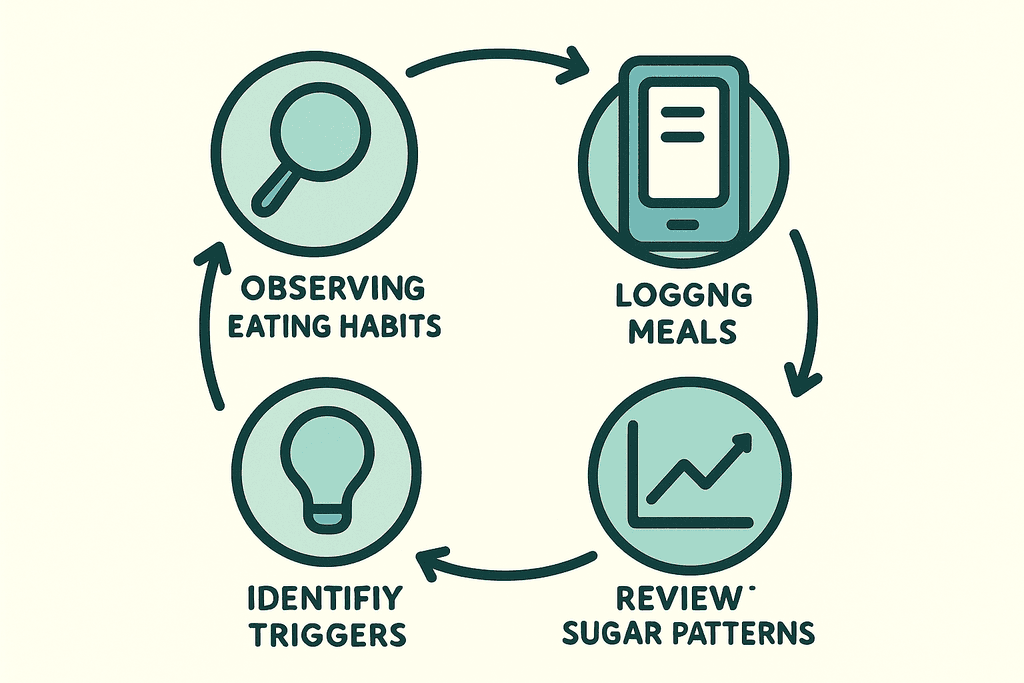
Most people trying to beat sugar addiction make the same mistake right from the start. They throw out all the cookies, swear off dessert forever, and white-knuckle their way through intense cravings. This approach almost always fails because your body doesn't understand why its favorite fuel source suddenly disappeared. The smarter way to break free from sugar is to first understand exactly how much you're consuming and where it's hiding in your daily meals.
Start With Awareness, Not Restriction
For the first week, your only job is to track everything you eat without changing a single habit. This might sound too simple to work, but awareness is the foundation that makes everything else possible. You can't fix a problem you haven't measured.
Week One Tracking Checklist
- Log every meal and snack, even the "small" ones
- Include all beverages, especially coffee drinks and sodas
- Track condiments and sauces (they're sugar bombs)
- Note the time you eat and how you're feeling
- Review your daily sugar totals each evening
The real eye-opener comes when you see the numbers. That "healthy" yogurt at breakfast might pack 20 grams of sugar. Your afternoon granola bar could have more sugar than a candy bar. Hidden sugar sources are everywhere, from salad dressings to pasta sauce to bread.
This is where voice or text logging becomes essential. When you can just say "Greek yogurt with granola and a medium latte" instead of searching through databases and measuring portions, you'll actually stick with tracking. MyFoodBuddy's AI calculates the sugar content automatically from your meal descriptions, so you don't need to become a nutrition expert overnight.
Pay attention to patterns in your data. Do you crave sugar at 3pm every day? Does stress send you to the vending machine? Understanding your triggers is half the battle.
Reduce Gradually With Smart Swaps
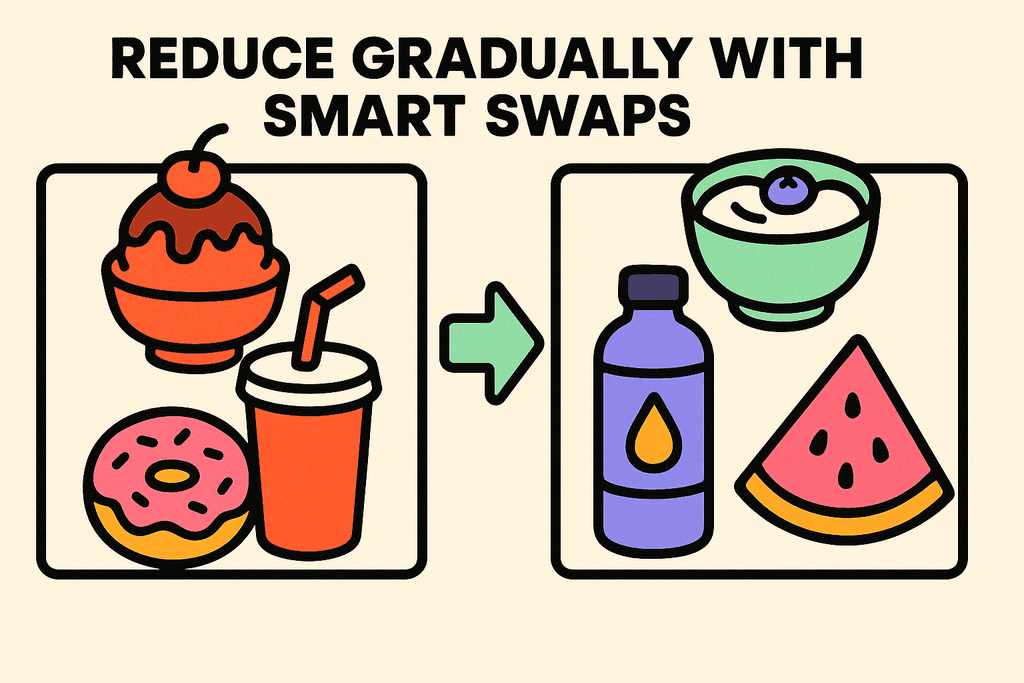
Once you know your baseline sugar intake, the next step is reducing it slowly enough that your body barely notices. This is the secret to avoiding withdrawals. When you cut sugar by 25% each week instead of going cold turkey, your taste buds and brain chemistry have time to adjust. You won't experience the headaches, mood swings, and intense cravings that make most people give up.
Reduce Gradually With Smart Swaps
Start by identifying your biggest sugar sources and finding alternatives that still satisfy you. The goal isn't to eat food you hate. It's to find swaps you actually enjoy that happen to have less sugar.
| High-Sugar Food | Sugar Content | Smart Swap | Sugar Content |
|---|---|---|---|
| Flavored yogurt | 20-25g | Plain Greek yogurt with berries | 8-10g |
| Fruit juice | 24g per cup | Whole orange | 12g |
| Granola bar | 12-15g | Handful of almonds | 1g |
| Soda | 39g per can | Sparkling water with lemon | 0g |
Here's a trick that makes swaps work better. Pair sweet foods with protein and healthy fats to stabilize your blood sugar. An apple with almond butter keeps you satisfied longer than an apple alone. The protein and fat slow down sugar absorption, preventing the spike and crash cycle that triggers more cravings.
When you find meals that work, save them as favorites in your tracking app so you can repeat them easily. This removes decision fatigue from the equation. You don't have to reinvent breakfast every morning when you've got three or four low-sugar options you can log with a single tap.
Focus on whole fruits instead of fruit juices and dried fruits. A cup of orange juice has the sugar of four oranges without the fiber that slows absorption. Dried fruit is even worse because the water's been removed, concentrating the sugar into candy-like levels.
Balance Your Meals to Kill Cravings
The reason you get intense sugar cravings at certain times of day usually has nothing to do with willpower. It's your blood sugar crashing after a poorly balanced meal. When you eat carbs without protein or fat, your blood sugar spikes fast and crashes hard. That crash feels like desperate hunger, and your brain screams for the quickest energy source it knows, which is sugar. Breaking this cycle is simpler than you think.
Include protein with every meal and snack. This single change will do more to reduce cravings than any amount of willpower. Protein takes longer to digest, keeping your blood sugar stable for hours instead of minutes.
- Breakfast: Add eggs or Greek yogurt to your meal
- Lunch: Include chicken, fish, tofu, or beans
- Snacks: Choose cheese, nuts, or hummus with veggies
- Dinner: Make protein the centerpiece of your plate
Fiber-rich foods work the same way. They slow down sugar absorption and keep you full longer. Vegetables, whole grains, and legumes are your best friends here. When you track your macros, you can see if you're getting enough protein and fiber throughout the day.
Dehydration is sneaky because it mimics sugar cravings almost perfectly. Before you reach for a snack, drink a glass of water and wait ten minutes. Half the time, the craving disappears. Your brain was asking for water, not sugar, but the signals got crossed.
Eating regular meals matters more than most people realize. When you skip breakfast or push lunch back too late, your blood sugar drops and cravings intensify. Three balanced meals with one or two planned snacks keeps everything stable. An AI nutrition coach can review your eating patterns and suggest improvements based on when your cravings hit hardest, which is exactly what Fiona does in MyFoodBuddy.
Track Progress and Stay Consistent
The difference between people who successfully reduce their sugar intake and those who don't usually comes down to one thing. Consistency. Not perfection, just showing up and logging your meals every day. When you track daily, you start to see patterns and trends that would be invisible otherwise. Your sugar intake might spike on weekends or drop during busy workdays. This information helps you plan better strategies.
Streak tracking builds momentum in a way that's hard to explain until you experience it. Once you've logged meals for seven days straight, you don't want to break that streak. It becomes a game you're winning.
Daily Habits Checklist
- Log all meals and snacks before bed
- Review your sugar total for the day
- Check your macro balance (protein, carbs, fats)
- Note any strong cravings and what triggered them
- Plan tomorrow's meals if possible
- Drink at least 8 glasses of water
Weekly analytics show you the bigger picture. Maybe your average sugar intake dropped from 80 grams to 60 grams this week. That's a win worth celebrating, even if you're not at your goal yet. Small wins compound into major changes over time.
Color-coded calendars make your progress visual. Green days where you hit your goals. Yellow days where you were close. Red days where you struggled. The pattern tells a story, and seeing more green days appear motivates you to keep going. You can learn more about quick strategies to beat sugar cravings when you need extra support.
As your tolerance for less sugar improves, adjust your goals gradually. What felt impossible in week one becomes easy by week four. Your taste buds actually change, and foods that used to taste normal now taste too sweet. Set up reminders to maintain consistent tracking habits, especially during the first month when new habits are fragile.
The beauty of tracking without the hassle is that it removes friction from the process. When logging takes seconds instead of minutes, you'll actually do it every day. And daily tracking is what separates people who beat sugar addiction from those who keep trying and failing.
Your Path Forward
Beating sugar addiction without withdrawals comes down to four simple steps that work together. First, you need awareness of what you're actually eating each day, which means tracking everything for at least a week. Then comes gradual reduction instead of going cold turkey, which is where most people mess up and end up feeling terrible. Building balanced meals with protein and fiber keeps your blood sugar stable so cravings don't hit as hard. The last piece is consistent tracking, which sounds boring but it's the only way to know if what you're doing is actually working.
The whole withdrawal thing is avoidable if you take it slow. Your body doesn't freak out when you reduce sugar by 10-20% at a time instead of cutting it all at once.
Here's what makes this approach stick:
- You can still eat foods you like, just less of them
- No dramatic mood swings or headaches
- Your energy stays consistent throughout the day
- The changes feel manageable instead of impossible
Traditional tracking apps make this harder than it needs to be because you're spending five minutes logging a simple breakfast. MyFoodBuddy lets you just say what you ate and handles the rest, which removes the biggest excuse people have for not tracking. When logging takes seconds instead of minutes, you actually do it every day.
Start with one week of awareness tracking before you change anything. Just log what you normally eat so you can see where the sugar is hiding. If you want more specific strategies for handling cravings, check out our three day plan to beat sugar cravings or learn about staying full while losing weight.
Common Questions About Quitting Sugar
Breaking free from sugar can feel overwhelming, especially when you're not sure what to expect. Most people have the same worries about cravings, social situations, and whether they'll ever enjoy sweets again. Here are the answers to the questions we hear most often about beating sugar addiction without the misery of withdrawals.
How long does it take to break sugar addiction?
Most people notice their cravings drop significantly within 7 to 10 days when they use a gradual reduction approach instead of going cold turkey. The key is replacing sugar slowly rather than cutting it out all at once, which helps your body adjust without triggering intense withdrawal symptoms. By week three, many people find they don't even think about sugar the way they used to.
Will I experience any withdrawal symptoms with this method?
You might notice mild symptoms like slight fatigue or mood changes, but they're usually much less intense than quitting cold turkey. The gradual approach keeps your blood sugar more stable, which is what causes most withdrawal problems in the first place. Tracking your intake helps you reduce sugar at a pace your body can handle, which is why apps like MyFoodBuddy make the process easier by showing you exactly how much sugar you're consuming without the hassle of manual calculations.
Can I ever eat sugar again after quitting?
Absolutely, and that's the whole point of this approach. You're not banning sugar forever, you're just resetting your relationship with it so you can enjoy treats occasionally without the addictive cycle. Once your cravings are under control, having dessert at a birthday party or a cookie with coffee won't send you spiraling back into old habits.
What if I slip up and eat too much sugar?
One high-sugar day doesn't erase your progress or mean you've failed. Just log what you ate and get back to your plan the next day without guilt or punishment. The data from tracking actually helps you spot patterns about when and why you tend to overeat sugar, which makes it easier to plan ahead next time.
How do I handle social situations with sugary foods?
Plan ahead by eating a balanced meal before events so you're not hungry and vulnerable to cravings. You can also allow yourself a small portion of something you really want rather than trying to resist everything, which often backfires. Most people find that once they're a few weeks into reducing sugar, they naturally want less even when it's available.
Is tracking really necessary or can I just eat less sugar?
You can try without tracking, but most people are shocked when they actually see how much hidden sugar is in their food. Sugar hides in places like salad dressing, bread, and yogurt, so you might think you're doing well when you're actually still consuming a lot. MyFoodBuddy makes tracking simple with voice logging, so you can say what you ate and see your sugar intake in seconds instead of spending time searching databases like you would with apps like MyFitnessPal or Cronometer.
Ready to start tracking smarter?
Download MyFoodBuddy and start tracking your calories by just saying what you ate. No more searching databases or guessing portions.
Get started