
7 Questions to Ask Before Using a Calorie Tracking App
Choosing a calorie tracking app? Ask these 7 questions first to find one that fits your lifestyle and helps you reach your health goals.
Most people delete their calorie tracking app within the first 30 days, not because tracking doesn't work, but because they picked the wrong one. The difference between an app you'll use daily and one that collects digital dust comes down to asking seven simple questions before you download. These questions help you find a calorie tracking app that fits your actual life, not just one that looks good in the app store.
Table of Contents
- The Real Cost of the Wrong Calorie Tracking App
- Question 1: How Much Time Will This Actually Take
- Question 2: Does It Match Your Tech Comfort Level
- Question 3: Can You Trust the Nutrition Data
- Question 4: Will It Help You Stay Consistent
- Question 5: Does It Fit Your Specific Goals
- Question 6: What Happens When You're On the Go
- Question 7: What's the Real Cost
- Finding Your Perfect Tracking Match
- Common Questions About Choosing Calorie Tracking Apps
The Real Cost of the Wrong Calorie Tracking App
Most people who download a calorie tracking app stop using it within the first two weeks. The problem isn't that people lack motivation or don't care about their health. The real issue is that most apps make tracking food way harder than it needs to be. When you pick the wrong calorie tracking app, you're not just wasting phone storage, you're setting yourself up for frustration that can derail your entire health journey before you even get started.
How Much Time Traditional Tracking Actually Takes
The average person spends 15 to 20 minutes per day logging food in traditional calorie tracking apps. That adds up to over two hours every week, just to record what you ate. Think about what you could do with that time instead.
Here's what those minutes look like in real life:
- Searching through thousands of food entries to find the right one
- Weighing and measuring every ingredient in your meal
- Creating custom recipes when you can't find an exact match
- Adjusting serving sizes and portions for each item
- Double-checking that the nutrition info looks correct
| Task | Time Spent | Weekly Total |
|---|---|---|
| Searching for foods | 5-7 minutes/day | 35-49 minutes |
| Measuring portions | 4-6 minutes/day | 28-42 minutes |
| Creating custom entries | 6-8 minutes/day | 42-56 minutes |
When Too Many Features Become a Problem
Apps like MyFitnessPal and Cronometer pack in dozens of features that sound great on paper. But all those options create something called decision fatigue. Your brain gets tired from making too many small choices, and eventually you just stop using the app altogether.
Common features that actually slow you down:
- Multiple food databases that show duplicate entries
- Barcode scanners that don't work on fresh foods
- Social features and community forums you never asked for
- Complicated macro calculators with confusing settings
Apps like MyFoodBuddy take a different approach by letting you just say what you ate. No searching, no measuring, no endless tapping through menus.
The Abandonment Problem Nobody Talks About
Studies show that 80% of people abandon their calorie tracking app within the first month. That's not because tracking calories doesn't work. It's because the apps make it feel like a part-time job. When logging a simple breakfast takes longer than eating it, something's wrong.
Why people quit their calorie tracking apps:
- Takes too long to log each meal
- Can't find the right foods in the database
- Feels overwhelming with too many buttons and options
- Doesn't fit into their actual daily routine
The truth is, the best calorie tracking app is the one you'll actually use every day. Before you download another app that promises everything, you need to know what questions to ask. Understanding what you really need from a calorie tracking app saves you from wasting weeks on the wrong tool.
Question 1: How Much Time Will This Actually Take
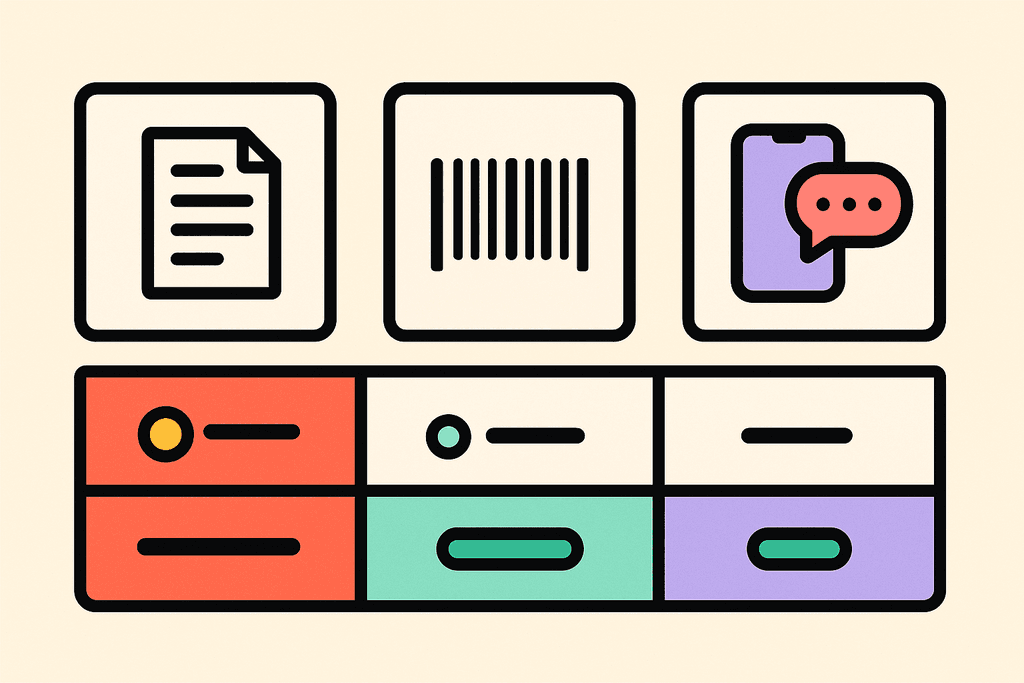
Most people quit tracking calories within the first two weeks. The reason isn't lack of motivation or willpower. It's because traditional calorie tracking apps turn every meal into a 5-minute research project. You have to search through databases, weigh your food, manually enter portion sizes, and hope you picked the right entry from dozens of similar options. When you're hungry or in a rush, those extra minutes feel like hours.
Question 1: How Much Time Will This Actually Take?
The time you spend tracking directly affects whether you'll stick with it. Studies show that people who spend more than 3 minutes logging a meal are 60% more likely to abandon their tracking habit within a month. That's why speed matters more than you might think.
| Tracking Method | Time Per Meal | Daily Time Investment |
|---|---|---|
| Manual Database Search | 3-5 minutes | 15-20 minutes |
| Barcode Scanning | 2-3 minutes | 10-15 minutes |
| Voice/Text Logging | 10-30 seconds | 2-5 minutes |
With MyFoodBuddy, you can say "two eggs, toast with butter, and a coffee with oat milk" and the app handles everything else. No searching, no weighing, no manual calculations. What used to take minutes now takes seconds. Think about your daily schedule and ask yourself how much time you can realistically dedicate to tracking. If the answer is "not much," you need an app that respects that.
Question 2: Does It Match Your Tech Comfort Level
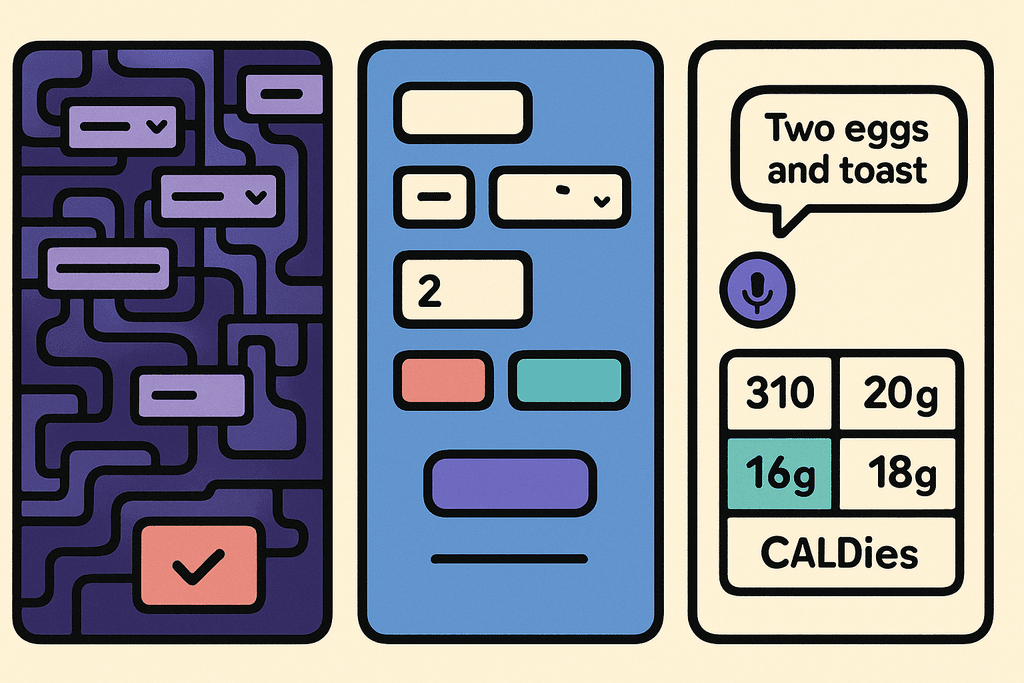
Some calorie tracking apps feel like you need a nutrition degree just to understand the interface. You're faced with confusing menus, complex macro calculations, and nutrition databases that assume you know the difference between "raw" and "cooked" measurements. If you've ever felt overwhelmed by an app's learning curve, you're not alone. The best app is one you'll actually open every day, not one that sits unused because it's too complicated.
Question 2: Does It Match Your Tech Comfort Level?
Natural language input removes all that complexity. You don't need to understand how nutrition databases work or manually calculate your macros. You just describe what you ate in plain English, and the technology figures out the rest.
- No need to learn nutrition terminology or measurement conversions
- AI handles the complex calculations automatically
- Integration with Apple Health syncs your data without extra steps
- Simple interface that doesn't require a tutorial to understand
Consider whether you want to spend time learning a new system or just want something that works right away. MyFoodBuddy uses natural language processing so you can track meals the same way you'd tell a friend what you ate. No technical knowledge required.
Question 3: Can You Trust the Nutrition Data
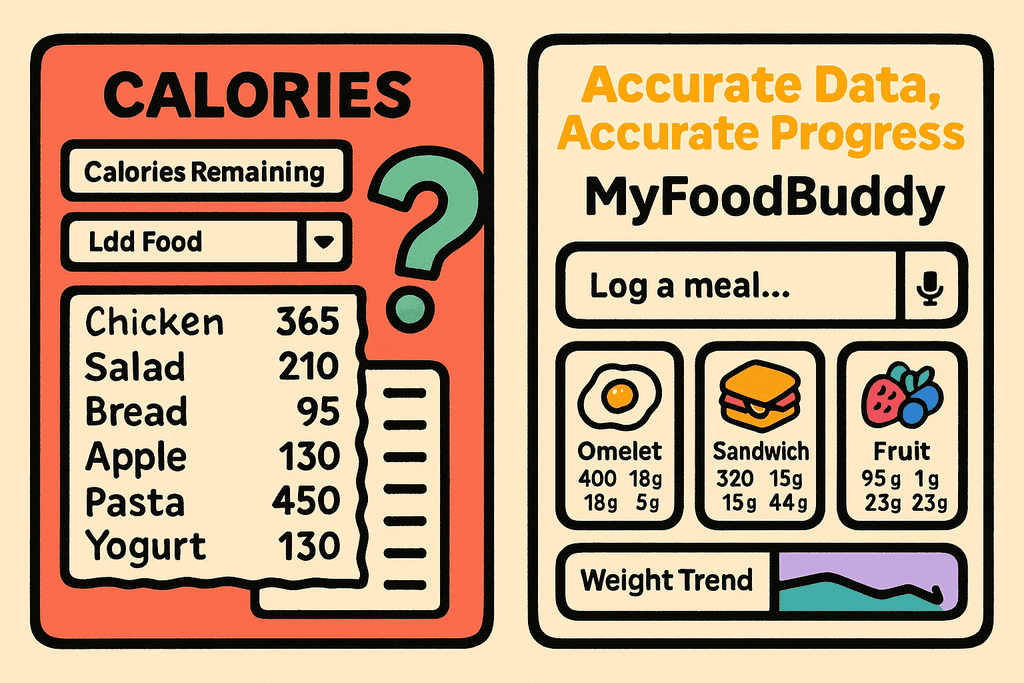
Here's something most people don't realize about popular calorie tracking apps. Many rely on user-generated databases where anyone can add nutrition information. That means the "grilled chicken breast" you logged might have wildly different calorie counts depending on which entry you picked. Some entries are accurate, others are completely wrong, and you have no way to tell the difference. Inaccurate data means inaccurate progress toward your goals, which can be frustrating when you're doing everything right but not seeing results.
Question 3: Can You Trust the Nutrition Data?
The source of nutrition data matters more than most people think. USDA data provides standardized, reliable nutritional information that's been verified and tested. When an app uses USDA data as its foundation, you can trust that the numbers you're seeing are accurate.
| Database Type | Accuracy | Consistency |
|---|---|---|
| User-Generated | Varies widely | Inconsistent |
| USDA-Backed AI | Verified data | Standardized |
MyFoodBuddy uses AI-powered extraction with USDA data to interpret what you say and match it to accurate nutritional information. The app tracks over 20 nutrients, giving you a complete picture beyond just calories. You get vitamins, minerals, and macros all calculated from reliable sources. When you're making decisions about your health, you deserve data you can trust.
Question 4: Will It Help You Stay Consistent
Consistency beats perfection every single time when it comes to calorie tracking. You don't need to log every meal perfectly or hit your targets exactly. What matters is showing up day after day, even when it's inconvenient. But here's the problem: most apps don't help you build that consistency. They just give you a place to log food and leave the rest up to you. Without built-in motivation and ease of use, it's easy to skip a day, then a week, then quit entirely.
The easier an app makes logging, the more likely you'll stick with it long-term. That's where features like gamification, smart reminders, and saved favorites come in. They're not just bells and whistles, they're tools that help you build a lasting habit.
- Streaks and achievements give you something to work toward beyond just weight loss
- Favorite meals let you re-log breakfast in seconds instead of minutes
- Smart reminders help you remember to track before you forget what you ate
- AI nutrition coach provides personalized insights and encouragement
MyFoodBuddy includes an AI coach named Fiona who analyzes your food logs and provides personalized feedback based on your goals. It's like having a nutrition expert in your pocket who actually knows your eating patterns. Combined with gamification elements like streaks, the app turns tracking from a chore into something you want to do. If you've struggled with consistency before, look for features that make tracking feel less like work.
Question 5: Does It Fit Your Specific Goals
Generic calorie targets are basically useless. A 5'2" woman trying to lose weight needs completely different nutrition than a 6'1" man trying to build muscle. Yet many apps give everyone the same basic recommendations or make you figure out your own targets. Your metabolism, activity level, age, and goals all affect what you should be eating. Without personalized targets, you're basically guessing at what your body needs.
A good calorie tracking app should adapt to your unique situation. That means using your stats to calculate personalized targets, not just generic recommendations pulled from a chart.
| Goal Setting Type | Personalization | Accuracy |
|---|---|---|
| Generic Targets | One-size-fits-all | Low |
| Manual Entry | Self-calculated | Varies |
| TDEE Calculator | Based on your stats | High |
MyFoodBuddy includes a TDEE calculator that automatically sets targets for weight loss or gain based on your personal information. You can also customize your macro and micro goals if you have specific objectives like increasing protein or tracking iron intake. The app's weight trend charts help you see progress beyond daily fluctuations, which is crucial because weight naturally varies from day to day. Your goals will change over time too, so flexibility matters. What works for weight loss might not work for maintenance, and the app should adapt with you.
Question 6: What Happens When You're On the Go
Most of your meals probably don't come with nutrition labels. Restaurant meals, home-cooked food, and anything your friend made for dinner are the hardest things to track with traditional apps. You can't scan a barcode on a burrito bowl or search for "mom's lasagna" in a database. This is where most people give up on tracking because real life doesn't fit neatly into an app's database. You end up either skipping meals in your log or spending way too much time trying to estimate portions and ingredients.
Voice logging changes everything when you're eating out or on the go. You can track anywhere without pulling out your phone for several minutes to search through databases. Just say what you ate and move on with your day.
- Track restaurant meals without knowing exact ingredients
- Log home-cooked food by describing it naturally
- Record meals in the moment instead of trying to remember later
- No need to estimate weights or search for similar items
The natural language processing in MyFoodBuddy handles complex meals without requiring you to break down every ingredient. You can say "chicken pad thai from the restaurant" and get accurate nutrition data. The best tracking happens in the moment, not hours later when you're trying to remember if you had one slice of pizza or two. For more tips on tracking while eating out, check out our guide on calorie counting at popular eateries.
Question 7: What's the Real Cost
Free calorie tracking apps sound great until you realize what you're actually getting. Many free apps bombard you with ads, limit key features behind paywalls, or make money by selling your health data to advertisers. The "free" price tag often comes with hidden costs that aren't immediately obvious. Plus, there's the cost of your time spent wrestling with a clunky interface or inaccurate data. Failed attempts with the wrong apps cost more than finding the right one from the start.
When evaluating cost, think about price per day rather than the annual number. It helps put things in perspective and shows you what you're really paying for convenience and accuracy.
| Cost Factor | Traditional Apps | MyFoodBuddy |
|---|---|---|
| Subscription | $0-$80/year | $39/year |
| Time per day | 15-20 minutes | 2-5 minutes |
| Daily cost | Varies | 11 cents |
MyFoodBuddy offers a 7-day free trial so you can test it before committing. At $39 per year, it works out to about 11 cents per day for simplified tracking that saves you 10-15 minutes daily. Think about what your time is worth. If you value your time at even minimum wage, the minutes saved each day more than pay for the subscription. The app helps you stay consistent, which means you're more likely to reach your goals instead of giving up and starting over with yet another app. If you're ready to try a different approach to tracking, you can learn more at foodbuddy.my or explore our blog for more nutrition tips.
Finding Your Perfect Tracking Match
The best calorie tracking app isn't the one with the most features or the fanciest interface. It's the one you'll actually open every single day. These seven questions help you figure out what really matters for your success, not just what looks good in an app store screenshot. Most people quit tracking within two weeks because they picked an app that didn't match how they actually live their lives.
Think about how much time you're willing to spend logging meals. If you're searching through databases and weighing portions for ten minutes per meal, you'll probably give up before the month ends. MyFoodBuddy lets you just say what you ate and handles the rest, which is why people who struggled with apps like MyFitnessPal find it easier to stick with.
Speed and simplicity beat complexity almost every time. An app with twenty features you never use isn't better than one with five features you actually need. The questions we covered help you cut through the marketing noise and focus on what keeps you consistent.
Most apps offer free trials for a reason. They want you to test them in real situations, not just browse screenshots. Try logging a busy Monday morning or a restaurant dinner before you commit. That's when you'll discover if an app fits your routine or fights against it.
Your tracking journey doesn't end with picking an app. If you're looking for more practical tips, check out our guide on achieving balanced meals without the hassle or learn how to stay consistent tracking calories once you get started.
Common Questions About Choosing Calorie Tracking Apps
Picking the right calorie tracking app can feel overwhelming when you're just trying to eat better and maybe lose a few pounds. Most people have the same worries when they're getting started, and honestly, a lot of these concerns come from bad experiences with older apps that made tracking feel like a part-time job. Here are the answers to questions that come up again and again when people are choosing a calorie tracking app.
How accurate do calorie counts really need to be?
You don't need to be perfect down to the last calorie. Most nutrition experts say being within 10-15% of your actual intake is good enough to see results. The bigger issue is consistency, not precision. Apps that use USDA data, like MyFoodBuddy, give you solid estimates without requiring you to weigh every grape on a food scale.
Do I really need to track every single day?
Not necessarily, but tracking most days gives you better data to work with. Research shows people who track at least five days a week see similar results to those who track daily. The trick is making it easy enough that you actually want to do it. When logging takes seconds instead of minutes, missing days becomes less common.
What happens if I eat something not in the database?
This is where traditional apps like MyFitnessPal can get frustrating because you're stuck searching through crowded databases or manually entering everything. Voice-based calorie tracking apps solve this problem by letting you just describe what you ate in plain language. The AI figures out the nutritional info even for homemade meals or restaurant dishes that aren't in any database.
Can I switch apps without losing all my progress?
You won't lose the actual progress you've made with your health, but most apps don't transfer data between platforms. The good news is that starting fresh with a better app often feels liberating rather than frustrating. If your current app is making tracking feel like a chore, the time you save with a simpler option makes up for any lost history pretty quickly.
How long before I actually see results from tracking?
Most people notice changes within two to four weeks of consistent tracking. The scale might not move immediately, but you'll probably notice you're more aware of portion sizes and eating patterns. Weight loss typically shows up after three to four weeks of staying within your calorie goals most days. Apps with analytics features help you spot trends before they show up on the scale.
Do I need to track calories forever?
No, but many people find they want to keep doing it once it becomes easy. Think of tracking like checking your bank account - you don't need to do it forever, but it helps you stay aware of where things stand. Some people track until they hit their goal and then check in occasionally. Others find that apps with streaks and achievements make it feel less like a chore and more like a helpful habit.
Ready to start tracking smarter?
Download MyFoodBuddy and start tracking your calories by just saying what you ate. No more searching databases or guessing portions.
Get started